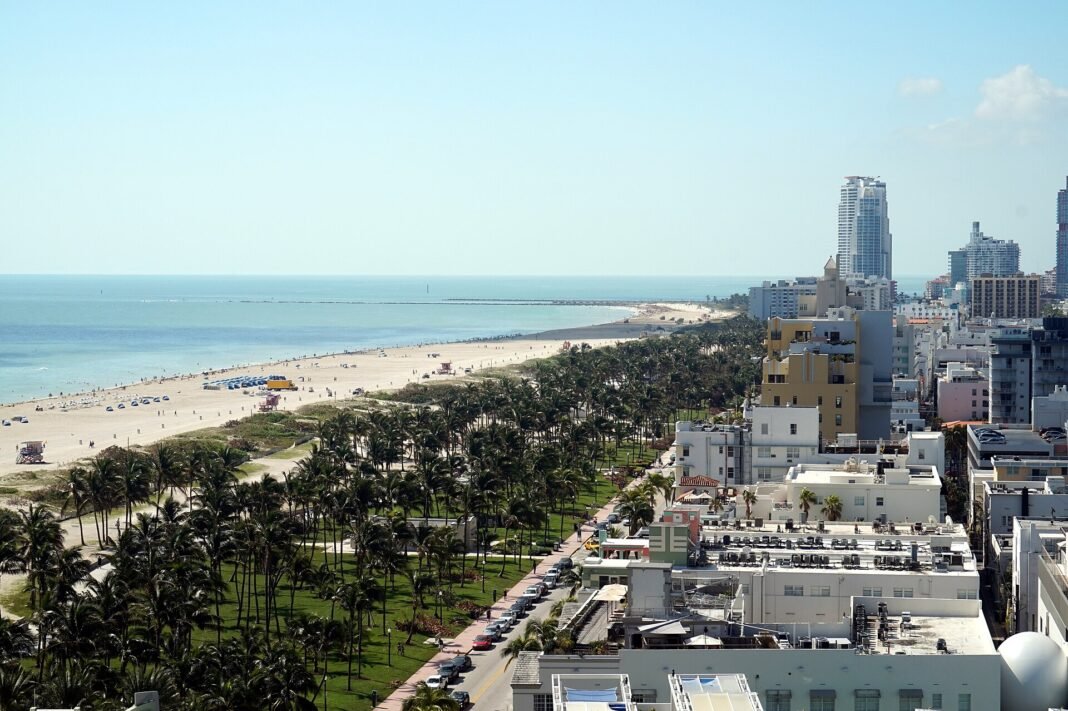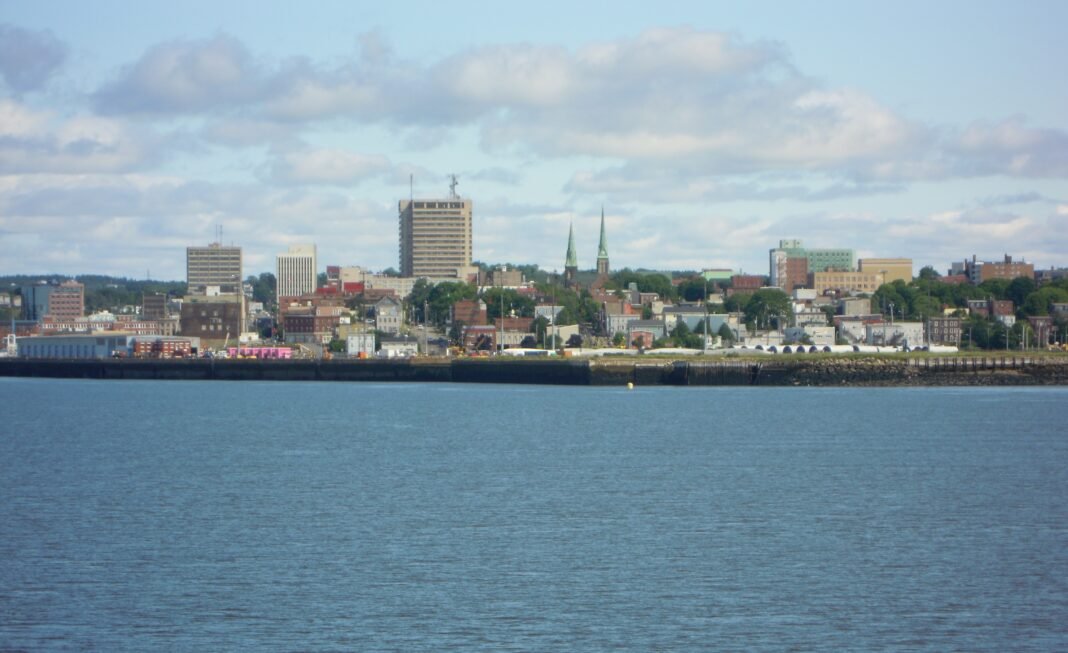
Moving to New Brunswick means settling in Canada’s only officially bilingual province — a Maritime jurisdiction of roughly 850,000 people where French and English carry equal legal status in government services, the courts, and the legislature. That equality is not a footnote; it shapes the job market, school choices, and daily social life in a way no other province replicates. The mechanics of the move run through Service New Brunswick for driver’s licences and vehicle registration, and through Medicare New Brunswick for provincial health coverage. The housing math is the part most newcomers notice first: set against the Ontario or British Columbia prices most interprovincial arrivals are leaving behind, New Brunswick can feel almost implausibly affordable. The province’s two main immigration streams — the New Brunswick Provincial Nominee Program and the Atlantic Immigration Program — rank among the more accessible routes into Canada, and recruiters here are hungry for skilled workers in healthcare, technology, and the trades.
Driver’s Licence and Vehicle Registration
- Service New Brunswick (SNB): SNB Service Centres handle all driver’s licence and vehicle registration transactions; centres are located in Moncton, Fredericton, Saint John, Bathurst, Campbellton, Miramichi, and smaller communities throughout the province
- Licence transfer timeline: New residents are expected to exchange their out-of-province licence for a New Brunswick one soon after establishing residency — Service New Brunswick frames it as a do-it-promptly task rather than a fixed grace period; Canadian licences from other provinces are swapped class for class without a road or knowledge test
- Vehicle registration: Vehicles must be registered in New Brunswick within 90 days of arrival; registration runs annually and can be handled at SNB Service Centres or online for renewals
- Auto insurance: New Brunswick runs a private insurance market (unlike the public monopolies in Saskatchewan and Manitoba), so it pays to compare quotes; major providers include Intact, Aviva, Co-operators, and Wawanesa, with standard coverage typically running CAD $1,100–$1,500 a year
- Vehicle inspection: The province requires an annual safety inspection at a licensed station, and a valid inspection certificate is a condition of renewing registration
New Brunswick Health: Medicare Registration
- Medicare New Brunswick: Apply for provincial coverage through the Department of Health’s Medicare process; forms are available online at gnb.ca or at Service New Brunswick centres
- Waiting period: Residents arriving from another Canadian province face a three-month wait before coverage begins — keep your former province’s health card valid through that gap, or carry private supplemental insurance to bridge it
- Horizon Health Network (English): Covers the English-majority regions, including Saint John, Moncton, Fredericton (shared), and the St. Stephen, Woodstock, and Sussex areas; the Saint John Regional Hospital and The Moncton Hospital are its primary acute-care facilities
- Vitalité Health Network (French): Serves the Acadian and francophone communities of the Acadian Peninsula, the northeast, and the Edmundston region; it operates the Dr. Georges-L.-Dumont University Hospital in Moncton and the Hôpital régional Chaleur in Bathurst
- New Brunswick Prescription Drug Program: Covers residents 65 and over, children, low-income households, and people on social assistance; working-age adults without a workplace plan can register for a co-pay tier
Schools and Education
- Anglophone school districts: Four English-language districts (Anglophone East, West, North, and South) cover the province’s English-majority communities; all of them run French immersion, with early immersion starting in Grade 1 and late immersion in Grade 6
- Francophone school districts: Three French-language districts (District scolaire francophone Nord-Ouest, Nord-Est, and Sud) serve the French-majority communities; the francophone system runs independently of the anglophone districts, teaching entirely in French from Kindergarten through Grade 12
- University of New Brunswick (UNB): Canada’s oldest English-language university (founded 1785), with campuses in Fredericton and Saint John; it is strongest in engineering, computer science, law, business, and nursing, and its Renaissance College leadership program remains its most distinctive undergraduate offering
- Université de Moncton: The leading French-language university in Atlantic Canada, with campuses in Moncton, Edmundston, and Shippagan; it offers French-language programs across business, law, social work, engineering, and the health professions
- New Brunswick Community College (NBCC) and Collège communautaire du Nouveau-Brunswick (CCNB): The parallel English and French college systems deliver trades, technology, and professional credentials at campuses across every major community
Employment and Immigration
New Brunswick’s labour market is short of workers across several sectors:
- New Brunswick Provincial Nominee Program (NBPNP): The provincial nominee program targets skilled workers, international graduates of New Brunswick institutions, and francophone applicants aligned with Express Entry; the Skilled Workers stream calls for a job offer from a New Brunswick employer and credentials matching a skilled occupation
- Atlantic Immigration Program (AIP): This federal–Atlantic partnership lets designated New Brunswick employers hire foreign workers and international graduates and back their permanent residence applications without a Labour Market Impact Assessment; it is busiest in healthcare, tech, and the trades
- Bilingualism premium: Between the federal government’s bilingual positions, the provincial requirement for bilingual service, and the financial-services and call-centre operations of Moncton — in 2025 the first New Brunswick city to top 100,000 residents — French–English bilingualism opens doors and lifts wages; bilingual candidates stay in demand even when the headline unemployment rate suggests otherwise
- Irving Group of Companies: The Irving family’s privately held conglomerate (J.D. Irving, Irving Oil, Brunswick News, Cavendish Farms) is the province’s largest private employer, with operations spanning forestry, oil refining, food processing, and media; Irving Oil’s Saint John refinery is the largest in Canada, and the group anchors steady trades and blue-collar work across New Brunswick
- Remote work and rural affordability: The province has pitched itself hard to Ontario and BC workers chasing a lower cost of living; rural broadband investment and the Housing Action Plan’s incentives for interprovincial movers are part of a deliberate effort to keep remote workers who could live anywhere but choose the Bay of Fundy
Preparing for Your Move
Wherever you are coming from, the logistics of a New Brunswick move follow the same rough order: line up housing before or just after you arrive, transfer any professional licences your work requires, register the vehicle inside the 90-day window and swap your driver’s licence promptly after you settle, and update your voter registration at the new address. Plugging into community groups, sports clubs, neighbourhood associations, or professional networks early does more than anything else to speed up the sense of belonging. Across the parts of New Brunswick that have grown fastest this past decade, a large share of residents arrived from somewhere else — so being new is unremarkable, and the channels for meeting people and building a life are already there for the using.
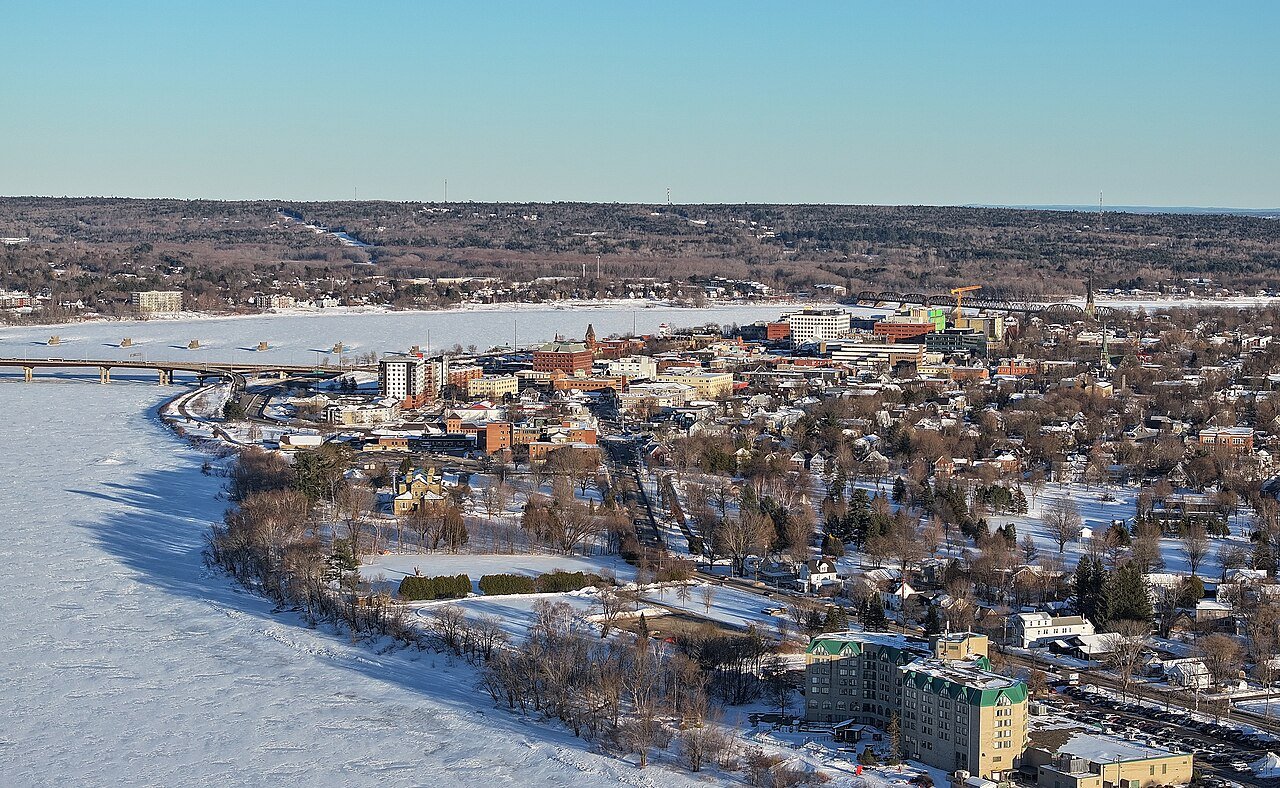
Frequently Asked Questions
What are the driver’s licence and vehicle registration requirements when moving to New Brunswick?
Service New Brunswick (SNB) centres handle driver licensing and vehicle registration, with locations in Fredericton, Moncton, Saint John, and across the province, plus online services at snb.ca. Residents arriving from another Canadian province should exchange their licence promptly after settling in; Service New Brunswick treats it as something to do soon after you take up residence rather than a set number of days. New Brunswick runs a private auto-insurance market rather than the government monopolies of Saskatchewan and Manitoba; major insurers here include Intact, Aviva, Co-operators, and Wawanesa, with standard premiums of roughly CAD $1,100–$1,500 a year depending on your record and vehicle. An annual safety inspection is required to keep registration current. Out-of-province Canadian licences exchange directly, class for class, without a knowledge test. Winter driving is no joke — January temperatures in the Saint John River Valley and the north routinely fall to -20°C or -25°C, so winter tires are standard practice and strongly advised.
How does New Brunswick’s health insurance work for new residents?
New Brunswick Medicare is the province’s single-payer plan, covering residents the same way as Medicare everywhere else in Canada. Newcomers from another Canadian province face a three-month waiting period before coverage starts — keep your former province’s card valid in the meantime, or buy temporary private insurance to cover the gap. Apply at gnb.ca/health as soon as you establish residency to start the clock. The province runs two parallel health networks that mirror its official bilingualism: Horizon Health Network serves the mainly English-speaking regions (Saint John, Fredericton, the Moncton English community, and the east), while Vitalité Health Network serves the francophone communities (Moncton’s Acadian population, the north, and Edmundston). The New Brunswick Prescription Drug Program (NB Drug Plan) covers seniors 65 and over and residents on social assistance, while most working-age adults rely on private drug coverage. A chronic shortage of family doctors in rural areas remains a real challenge, and the NB Family Doctor Registry helps match residents with practices taking patients.
What makes New Brunswick Canada’s only officially bilingual province?
New Brunswick is the only officially bilingual province in Canada under its Official Languages Act, giving French and English equal legal standing across government services, the courts, and public institutions. Roughly a third of New Brunswickers are francophone — predominantly the Acadian community, concentrated in Moncton’s Codiac region, the north (Edmundston, Campbellton, Bathurst), and the Acadian Peninsula. For newcomers, the bilingualism is a daily, practical fact: services come in either language, signage is bilingual province-wide, and plenty of private employers value or require it. Moncton is the province’s most dynamic economy and a genuinely bilingual city — in 2002 it became the first municipality in Canada to declare itself officially bilingual, and switching between French and English mid-sentence is ordinary here. In 2025 it also became the first New Brunswick city to pass 100,000 residents, reaching roughly 102,000. Both the Atlantic Immigration Program and the New Brunswick Provincial Nominee Program (NBPNP) court bilingual candidates, and a second language in either direction noticeably strengthens an application.
What is New Brunswick’s employment landscape?
The Irving Group of Companies looms larger over New Brunswick’s economy than any other private employer: J.D. Irving’s forestry, transportation, food-processing, and industrial operations; Irving Oil’s Saint John refinery, the largest in Canada by capacity; and Cavendish Farms’ food-processing plants together employ tens of thousands of New Brunswickers. (The family’s Irving Shipbuilding runs the Halifax Shipyard in Nova Scotia rather than in New Brunswick.) Government at both levels, the two health networks (Horizon and Vitalité), and the University of New Brunswick system supply the stable public-sector work that anchors Fredericton, Moncton, and Saint John. Moncton’s growing tech and contact-centre cluster includes names such as Siemens and a band of Atlantic-focused software firms. The province has marketed itself as a remote-work base, and lower housing costs, fast urban fibre, and easy access to the outdoors have drawn remote workers from Ontario and BC since 2020.
What are New Brunswick’s post-secondary institutions and school system?
The University of New Brunswick (UNB), founded in 1785, is Canada’s oldest English-language university; its Fredericton campus offers engineering, law, business, computer science, and arts, while its Saint John campus leans toward business, nursing, and applied health sciences. The Université de Moncton is the principal French-language university in Atlantic Canada outside Quebec, with three campuses (Moncton, Edmundston, Shippagan) covering a full range of programs in French. Two parallel community-college systems reflect the province’s bilingualism: NBCC (New Brunswick Community College) for English-speaking students, and CCNB (Collège communautaire du Nouveau-Brunswick) for French-language applied education. The K–12 system runs through four Anglophone School Districts (ASD-S, W, E, N) and three Francophone districts (Nord-Ouest, Nord-Est, and Sud); French immersion in the anglophone districts is popular enough to be heavily subscribed, and several Moncton and Fredericton high schools offer the International Baccalaureate.