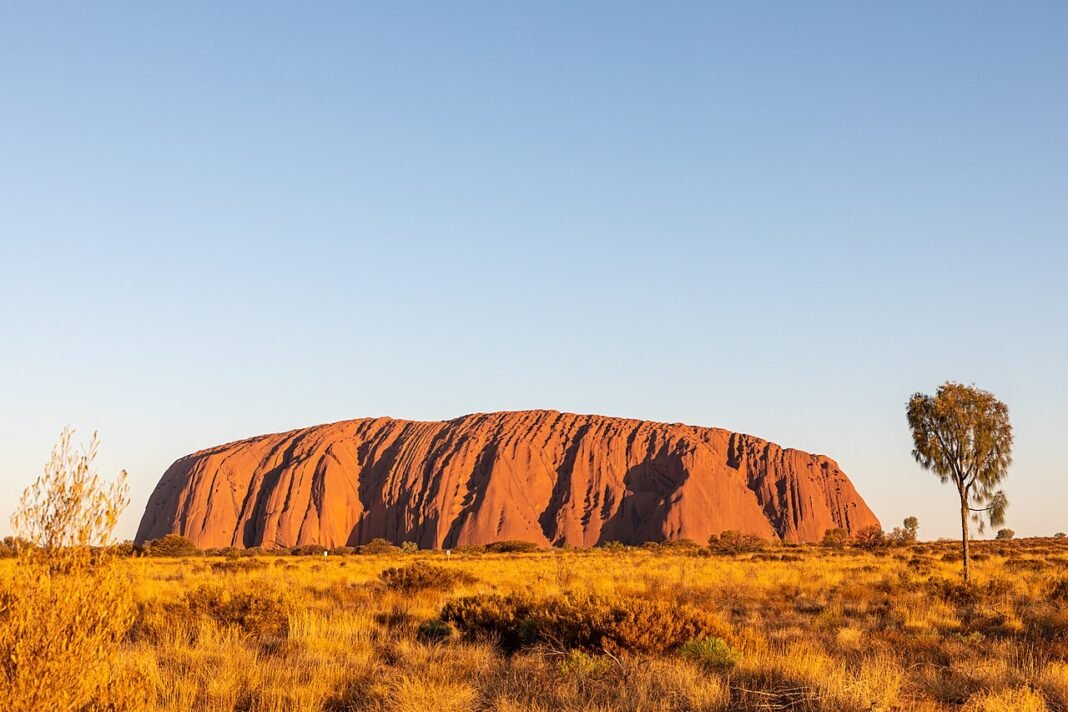
Australia’s famous destinations — the Opera House, Uluru, the Great Barrier Reef — fully deserve their reputations. But a country the size of a continent inevitably holds far more than fits into a standard two-week itinerary. Venture beyond the well-marked tourist corridors and you find landscapes that most international visitors never see: ancient gorges with no queues, beaches that make Bondi look crowded, wine regions producing world-class bottles, and wildlife experiences that still feel authentically wild. These are Australia’s most rewarding hidden gems — places that regulars keep recommending to each other and rarely appear in the headline lists.
The Kimberley, Western Australia
The Kimberley is Australia‘s last great frontier — a remote, ancient landscape in the far north of Western Australia the size of California, with a total population of around 40,000 people. Most visitors never get here; those who do rarely forget it. Purnululu National Park’s Bungle Bungle Range — a UNESCO World Heritage Site — consists of thousands of orange and black striped sandstone beehive domes rising from the flat plains, completely unique in the world. The domes were largely unknown to non-Aboriginal Australians until a documentary in 1983; the Gija and Jaru people have lived here for tens of thousands of years. Mitchell Falls, reached only by 4WD and on foot (or by helicopter scenic flight from Drysdale River Station), drops in four separate tiers into a clear pool — one of the great waterfalls of the north. The tidal phenomenon at Horizontal Falls — a pair of narrow gorges through which the sea rushes at high tide with the force of rapids — is unlike anything else on the planet. Best visited May to October in the dry season when dirt roads are passable.
The Fleurieu Peninsula, South Australia
Forty-five minutes south of Adelaide, the Fleurieu Peninsula is the kind of destination that locals guard jealously. McLaren Vale ranks among Australia’s finest wine regions, producing outstanding Shiraz, Grenache, and Cabernet Sauvignon from old vines — the concentration of cellar doors within a small area makes for excellent wine touring, and the d’Arenberg Cube (a striking architectural winery complex) is worth visiting even for non-wine drinkers. The coastline at Port Willunga has sea caves, a sandy beach, and a brilliant sunset view — the Star of Greece clifftop restaurant overlooks the beach and draws diners from across the state. Victor Harbor, at the tip of the peninsula, has a causeway to Granite Island, long known for its little penguin colony; numbers have collapsed dramatically over the past two decades — to only a few dozen birds at the last counts — though guided evening wildlife tours still run on the island. The Southern Fleurieu coastline, wild and windswept, offers dramatic cliff scenery and migrating southern right whales visible from shore between September and May.
The Flinders Ranges, South Australia
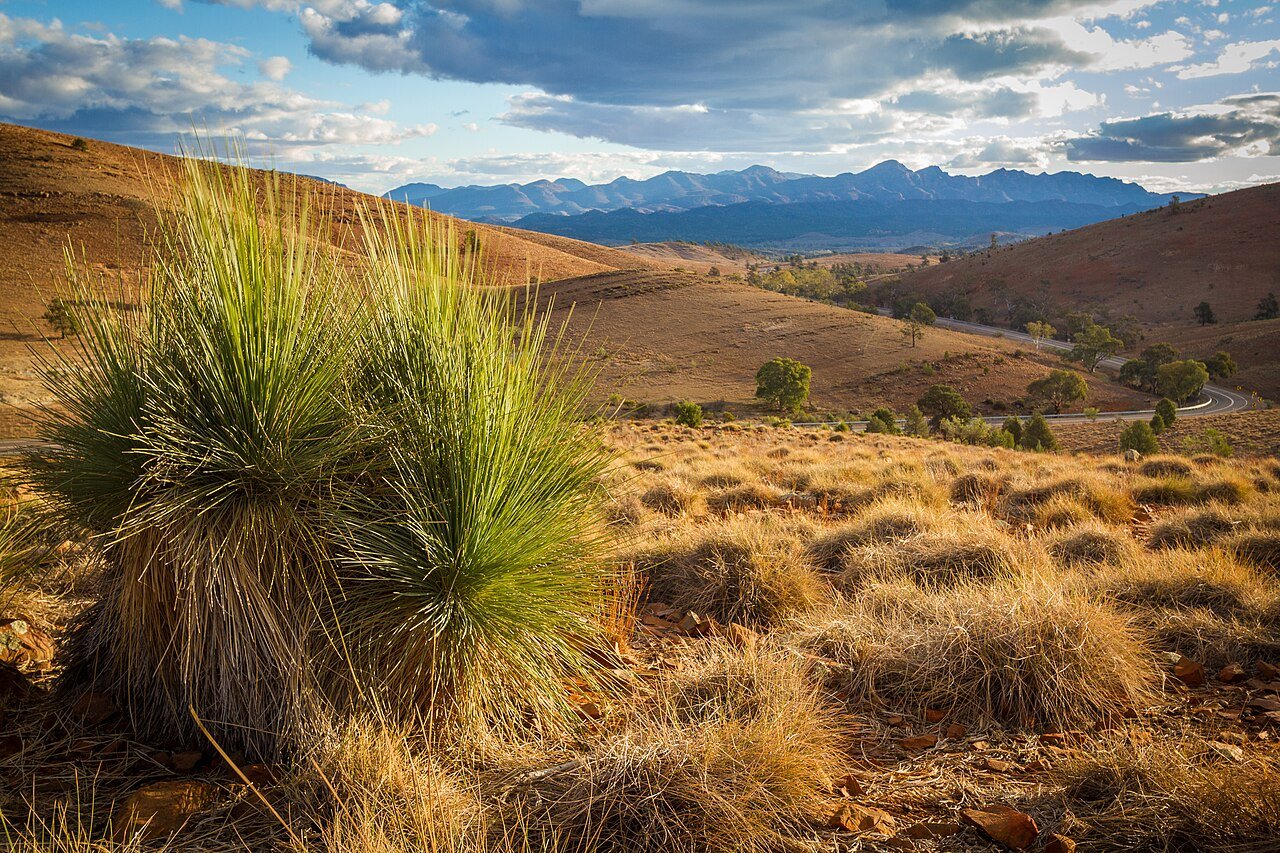
While most visitors to South Australia head to the Barossa, the Flinders Ranges north of Adelaide rank among the country’s most striking landscapes, yet international visitors almost entirely overlook them. Wilpena Pound — a natural amphitheatre of ancient mountains enclosing a vast flat interior accessible only on foot — is the heart of the Flinders Ranges National Park and a sacred site for the Adnyamathanha people. The Heysen Trail (1,200km, South Australia’s famous long-distance walk) passes through here. Yellow-footed rock wallabies live in the gorges; wedge-tailed eagles wheel overhead. The town of Blinman has a restored copper mine and a pub that counts among the most remote in South Australia. Stay at Wilpena Pound Resort (the only accommodation inside the national park) for direct access to the best walking.
The Daintree Rainforest, Queensland
The Daintree is the world’s oldest tropical rainforest — at least 180 million years old, compared to the Amazon’s 55 million — and a UNESCO World Heritage Site accessible via a small vehicle ferry north of Cairns. North of the Daintree River, sealed roads end, mobile coverage mostly disappears, and the ancient rainforest closes in on both sides. At Cape Tribulation, the rainforest descends directly onto a white sand beach — two of the world’s great natural systems meeting at the tideline, visible at once. Southern cassowaries (large, endangered flightless birds with a dagger-like casque) wander the roadsides; saltwater crocodiles inhabit the river and estuaries; Boyd’s forest dragons and amethystine pythons are regularly encountered. The Bloomfield Track from Cape Tribulation to Cooktown (4WD only, 30km of unsealed road through genuine wilderness) ranks among the most adventurous drives in Queensland.
Lucky Bay and Cape Le Grand, Western Australia
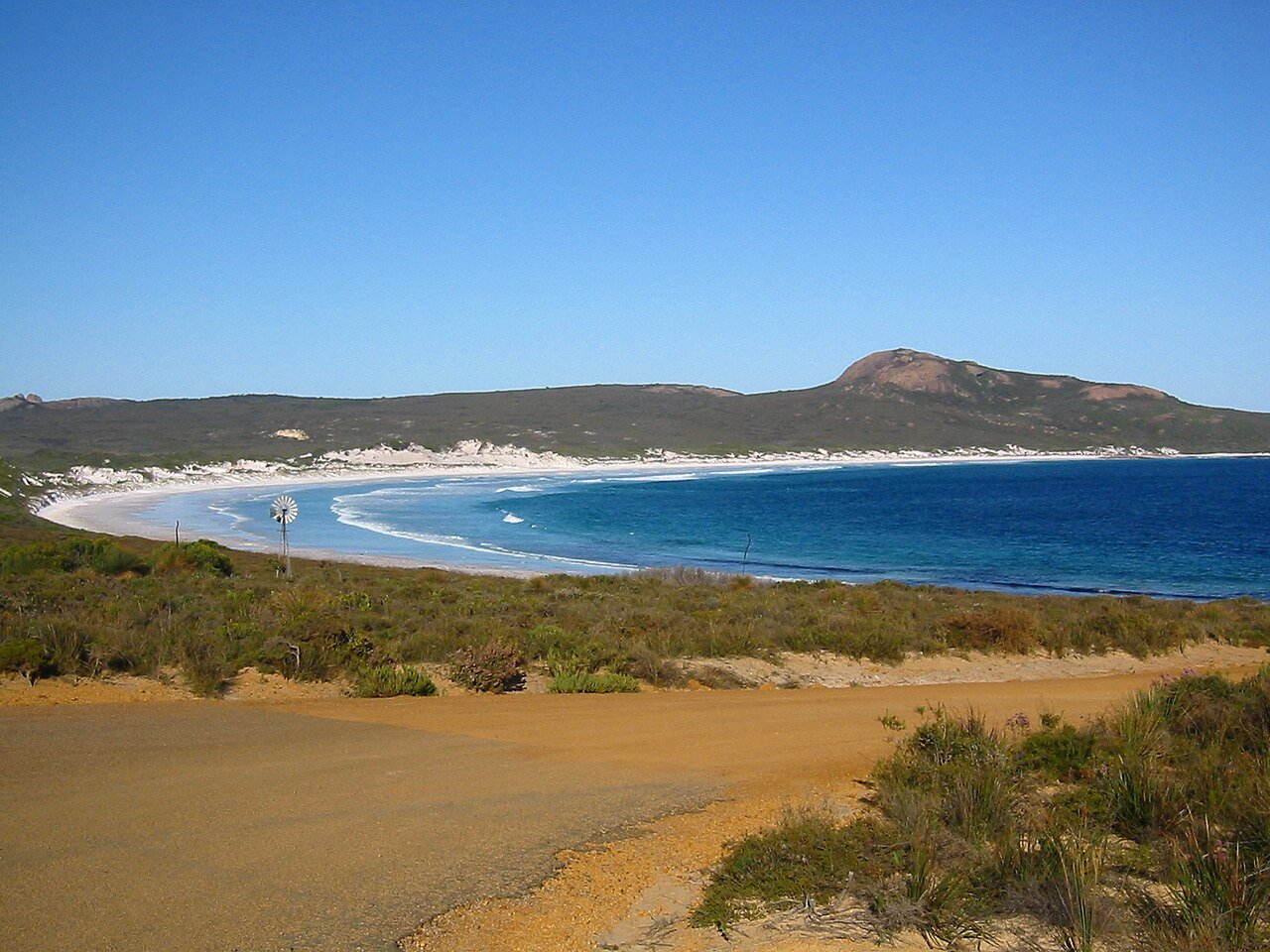
If you’ve seen photographs of kangaroos lounging on a white-sand beach with turquoise water in the background, that’s Lucky Bay in Cape Le Grand National Park, 60km east of Esperance in southwestern Western Australia. The beach is extraordinary — silica white sand, water so clear and brilliantly blue it looks like the Maldives, and kangaroos that wander down to the beach on most days with perfect nonchalance. The surrounding national park has more excellent beaches (Thistle Cove, Hellfire Bay), wildflower walking tracks (spectacular September–October during wildflower season), and the challenging scramble up Frenchman Peak for panoramic coastal views. Esperance itself is a beautiful, friendly town that feels entirely removed from the tourist circuit and is all the better for it.
Coober Pedy, South Australia
Coober Pedy is the opal mining capital of the world and one of the strangest places in Australia — a desert town where most residents live underground in “dugouts” carved into the hillsides to escape summer temperatures that regularly hit 50°C. The town produces around 70% of the world’s opal supply; “noodling” (searching through mining tailings heaps for discarded opals) is permitted in designated areas and occasionally productive. Underground hotels, churches, and art galleries make Coober Pedy unlike anywhere else. The landscape around the town — the Breakaways Reserve, a series of flat-topped hills in extraordinary pastel desert colours — looks like nothing else in Australia and was used as a filming location for Mad Max Beyond Thunderdome and Pitch Black. Coober Pedy is not for everyone, but those who connect with it remember it for decades.
The Murray River, South Australia and Victoria
The Murray River — Australia’s Mississippi, the country’s longest river at 2,508km — flows through a landscape of red-earth cliffs, river red gum forests, and historic paddlesteamer ports that most Australians know better as a childhood memory than a current destination. Renting a houseboat (available from Renmark, Berri, or Mildura from AUD $400–700 per day for a group vessel) and spending 3–5 days drifting through the river landscape is about as relaxing as Australian travel gets. The Coorong National Park (where the Murray meets the sea in a series of lagoons and sand peninsulas) is exceptional for birdlife, with over 200 species recorded. Swan Hill and Echuca both have excellent paddlesteamer museums and historic ports.
Frequently Asked Questions
What makes the Kimberley one of Australia’s most extraordinary hidden destinations?
The Kimberley in the far north of Western Australia is a remote ancient landscape the size of California with a total population of around 40,000 people — genuinely one of the world’s last great frontiers. Purnululu National Park’s Bungle Bungle Range (a UNESCO World Heritage Site) consists of thousands of orange and black striped sandstone beehive domes of a kind unique on earth, completely unknown to non-Aboriginal Australians until a documentary in 1983; the Gija and Jaru people have lived here for tens of thousands of years. Mitchell Falls — accessible only by 4WD or helicopter — is one of Australia’s most dramatic waterfalls, falling in four separate tiers into a pristine pool. The tidal phenomenon at Horizontal Falls — where the sea rushes through narrow gorges with the force of rapids at high tide — exists nowhere else on earth. The best season to visit is May to October when dirt roads are passable.
What makes the Fleurieu Peninsula and Flinders Ranges worth visiting in South Australia?
The Fleurieu Peninsula, 45 minutes south of Adelaide, is one of Australia’s finest and least internationally known wine regions. McLaren Vale produces world-class Shiraz, Grenache, and Cabernet Sauvignon from old vines; the d’Arenberg Cube architectural winery complex is worth visiting even for non-wine drinkers. Port Willunga has sea caves, excellent sunsets, and the Star of Greece clifftop restaurant, one of South Australia’s finest. Victor Harbor has a causeway to Granite Island, whose once-large little penguin colony has collapsed to only a few dozen birds over the past two decades, though guided evening wildlife tours still operate. The Flinders Ranges, north of Adelaide, are one of Australia’s most visually dramatic landscapes and almost entirely overlooked by international visitors. Wilpena Pound — a natural amphitheatre of ancient mountains enclosing a vast flat interior — is the heart of Flinders Ranges National Park, sacred to the Adnyamathanha people. The Heysen Trail (1,200km) passes through here; yellow-footed rock wallabies live in the gorges.
What is the Daintree Rainforest and why is it extraordinary?
The Daintree is the world’s oldest tropical rainforest — at least 180 million years old, compared to the Amazon’s 55 million — and a UNESCO World Heritage Site accessible via a small vehicle ferry north of Cairns. North of the Daintree River, sealed roads end and mobile coverage mostly disappears. At Cape Tribulation, the rainforest descends directly onto a white sand beach — two of the world’s great natural systems (the ancient rainforest and the Great Barrier Reef) meeting at the tideline simultaneously. Southern cassowaries (large, endangered flightless birds with a dagger-like casque) wander the roadsides; saltwater crocodiles inhabit the river and estuaries. The Bloomfield Track from Cape Tribulation to Cooktown (30km of unsealed road through genuine wilderness, 4WD only) is one of Queensland’s most adventurous drives.
What is Lucky Bay and what makes it exceptional?
Lucky Bay in Cape Le Grand National Park, 60km east of Esperance in southwestern Western Australia, has silica-white sand and water so clear and brilliantly blue it resembles the Maldives — combined with wild kangaroos that wander down to the beach on most days with perfect nonchalance. The surrounding national park contains more exceptional beaches (Thistle Cove, Hellfire Bay), wildflower walking tracks spectacular from September to October, and Frenchman Peak for panoramic coastal views. Esperance is a beautiful, friendly town that feels entirely removed from the tourist circuit. Coober Pedy, South Australia’s underground opal mining capital (producing 70% of the world’s opal supply), is an entirely different kind of hidden gem — a desert town where most residents live underground in “dugouts” carved into hillsides to escape 50°C summer temperatures. The Breakaways Reserve nearby has extraordinary pastel desert colours used as a filming location for Mad Max Beyond Thunderdome.
What does the Murray River offer as a hidden Australia experience?
The Murray River — Australia’s longest river at 2,508km, the country’s equivalent of the Mississippi — flows through a landscape of red-earth cliffs, river red gum forests, and historic paddlesteamer ports. Renting a houseboat (available from Renmark, Berri, or Mildura from AUD$400–$700 per day for a group vessel) and spending 3–5 days drifting through this river landscape is one of the most relaxing experiences in Australia. The Coorong National Park (where the Murray meets the sea through a series of lagoons and sand peninsulas) is exceptional for birdlife, with over 200 species recorded. Swan Hill and Echuca both have excellent paddlesteamer museums and historic ports. The Murray-Darling basin is the agricultural and ecological heart of Australia, yet it remains almost entirely off the international tourist circuit.