South Australia‘s cost of living is the country’s clearest case of capital-city value — Adelaide consistently ranks as the most affordable of Australia’s major capitals, with median dwelling prices running well below Sydney and Melbourne, a strong public school system that trims private education costs for families who choose government schools, and a food culture built on outstanding regional produce that delivers dining value the bigger cities struggle to match. The honest qualification is that South Australia’s economy has historically lagged the national average in private-sector employment growth — government, health, education and the Osborne shipbuilding industry have been the dominant job anchors, with less of the private tech and finance work that lifts wages in Sydney and Melbourne. For households carrying transferable income — remote workers, retirees, shipyard and engineering staff, healthcare and university professionals — the mix of affordability, lifestyle and cultural depth is among the most compelling in the country.
South Australia Cost at a Glance 2026
- Adelaide metro median dwelling price: around AUD $945,000 (houses ~$980,000; units ~$690,000)
- Inner Adelaide (3–6km from CBD) median: AUD $1.1M–$1.6M (houses)
- Adelaide Hills median: AUD $700,000–$950,000
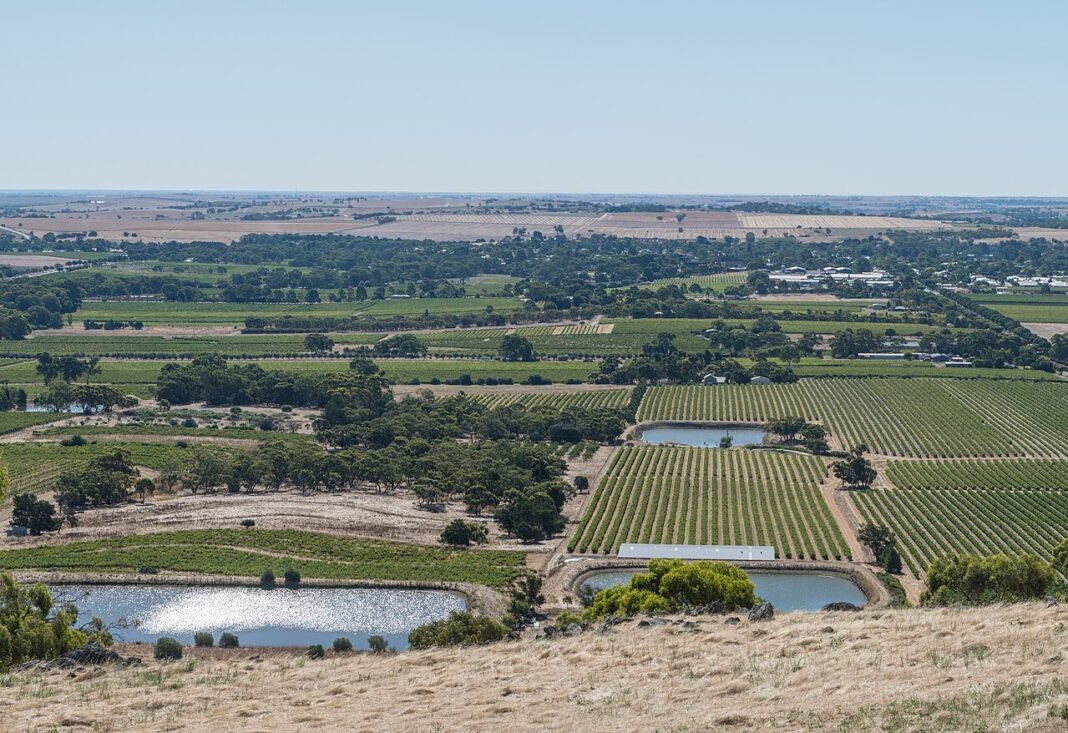
- Barossa Valley median: AUD $550,000–$750,000
- Whyalla/Port Augusta median: AUD $300,000–$450,000
- Electricity costs: South Australia has historically carried some of the highest electricity prices in the country, though heavy renewable build-out has moderated the peaks
Adelaide: Value That Surprises
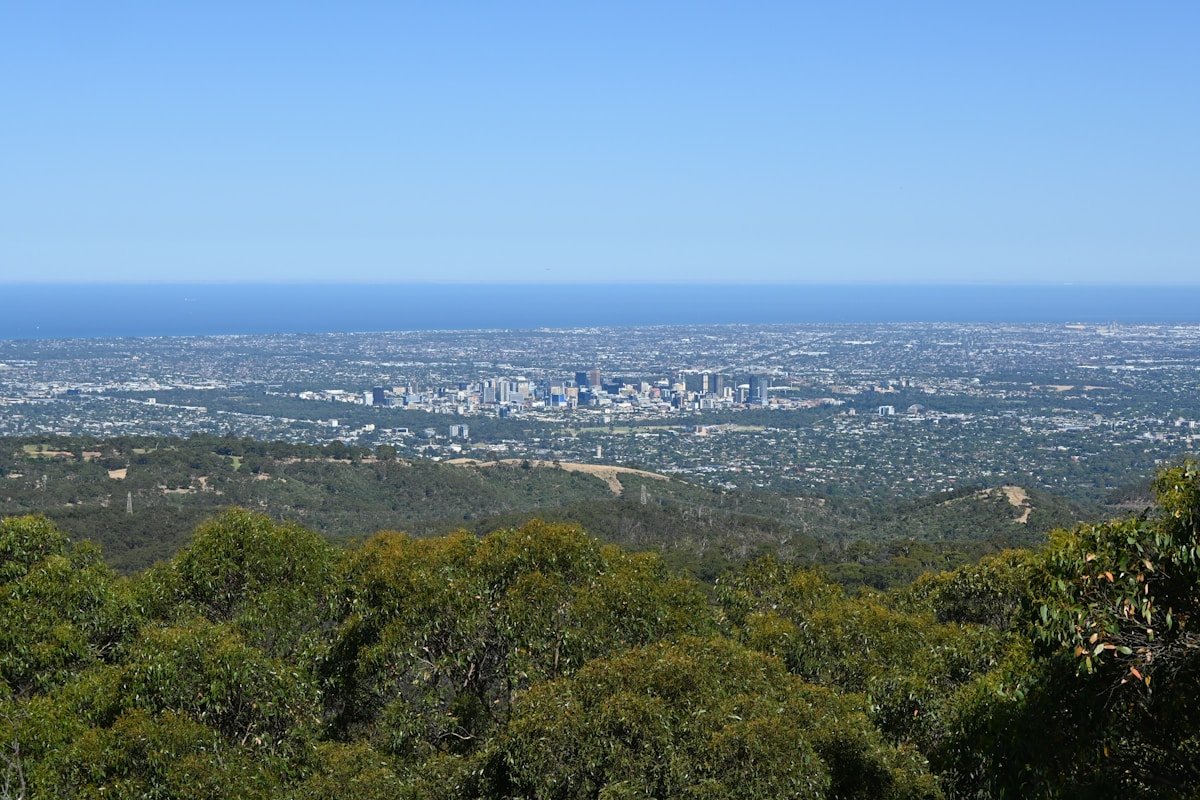
Relative to its quality of life, Adelaide’s housing remains a genuine outlier. A city with major arts festivals, the country’s best food market, well-regarded university hospitals and a fifteen-minute drive to the beach still delivers housing at a median near AUD $945,000 — comfortably under what comparable quality costs in Sydney. The inner suburbs show this most plainly. Norwood and Kensington — the East End’s café and restaurant strip, Federation cottages, 3km from the CBD — sit around AUD $1.3M, premium by South Australian standards yet roughly half the equivalent inner-Sydney street. Prospect, a busy commercial strip with a solid café scene 4km out, has pushed past AUD $1.1M as its profile has risen. The western suburbs — Hindmarsh, Thebarton, Brompton — offer the cheapest inner-city access, with renovated workers’ cottages at AUD $850,000–$1.05M.

Electricity: South Australia’s Energy Transition
No Australian state has pushed renewables harder. The grid sometimes runs fully on wind and solar during favourable periods, and South Australia was first in the world to deploy grid-scale battery storage, with the Hornsdale Power Reserve completed in 2017. That transition has carried cost implications:
- Historical high prices: the state ran some of Australia’s highest electricity costs during the 2016–2018 grid-instability period; sustained investment has since moderated prices
- 2026 context: residential electricity runs roughly AUD $1,800–$2,800 a year for an average household; solar PV with battery storage — and the state’s abundant sunshine makes the economics work — can cut or wipe out net electricity costs
- Virtual Power Plant: SA Power Networks’ virtual power plant program pools residential battery storage for grid stability; participants earn bill credits, trimming household net electricity costs
South Australia’s Shipbuilding Economy
Shipbuilding has reshaped South Australia’s employment map. The construction program based at the Osborne shipyard northwest of Adelaide is one of the largest industrial undertakings in the state’s history and will employ thousands of skilled tradespeople and engineers across a program measured in decades:
- Direct employment: 4,000–5,500 direct shipbuilding and construction jobs at peak over the program’s life
- Supply chain: close to 10,000 jobs across the broader supply chain — components, engineering, professional services
- Wage premium: shipyard salaries in Adelaide sit well above the general South Australian labour market, with specialist tradespeople — boilermakers, welders, electricians — earning rates competitive with mining-boom pay
- Housing impact: the expansion is expected to sustain Adelaide housing demand through the decade, and the northern suburbs near Osborne stand to benefit most directly
Stamp Duty and Transaction Costs
South Australia charges stamp duty (land transfer duty) on property purchases — a sizeable upfront cost that shapes homebuyer planning:
- On a AUD $700,000 purchase: around AUD $32,330 in stamp duty
- On a AUD $1,000,000 purchase: around AUD $48,830
- First home buyers: SA provides a AUD $15,000 First Home Owner Grant for new builds, and since mid-2024 eligible first home buyers pay no stamp duty on new homes, with no property-value cap
Daily Costs and Groceries
Grocery costs in Adelaide sit a touch under the national average, helped by a competitive supermarket field (Woolworths, Coles, ALDI and the independent Foodland chain) and the state’s exceptional food-producing regions next door. The Adelaide Central Market, trading since 1869, packs the best concentration of fresh produce, cheese and gourmet goods in the state at competitive prices — especially for South Australian seafood (King George whiting, blue swimmer crabs, oysters from Coffin Bay and Smoky Bay), Riverland stone fruit and Barossa Valley smallgoods. A typical Adelaide household spends roughly 3–5% below the national capital-city average on groceries, a reflection of the state’s agricultural output and its competitive retail environment.
The market trades Tuesday to Saturday, and the proximity of the Barossa Valley, McLaren Vale and the Fleurieu Peninsula’s produce networks means South Australian households tap the strongest regional food supply chain of any Australian capital, at prices that reflect genuine agricultural proximity rather than premium retail markup.
Budgeting Practically for South Australia
Knowing the cost of living in South Australia is the foundation; the next step is sorting which costs are fixed and which you can optimise for your own lifestyle. Housing is the largest variable in almost every budget, and picking the right neighbourhood within the state can produce wildly different monthly costs while still keeping you close to the places and amenities you value. Utilities, transport and food compound over time, so even small monthly differences turn significant across a year. The cost advantages of South Australia against high-cost cities such as Sydney are real and measurable, and many people who relocate report a stronger financial position alongside a better quality of life. Treat these figures as a starting framework and check current rental and property prices for your specific target area, since local markets can shift faster than annual cost-of-living studies.
Frequently Asked Questions
Why is Adelaide considered Australia’s most affordable major capital city?
Measured against its quality of life, Adelaide’s housing stays unusually cheap — a city with major arts festivals (the Adelaide Festival and WOMADelaide), the country’s best central market (the Adelaide Central Market, trading since 1869), leading university hospitals and research facilities, and a fifteen-minute drive to the beach, yet a 2026 median dwelling price near AUD $945,000, comfortably under what comparable quality costs in Sydney. The honest qualification: South Australia has historically offered less private-sector tech and finance work than Sydney and Melbourne, with government, health, education and shipbuilding the dominant employers. For households carrying transferable income — remote workers, retirees, shipyard and engineering staff, healthcare and university professionals — the mix of affordability, cultural depth and lifestyle is among the most compelling in the country. The inner suburbs tell the story most plainly: Norwood and Kensington (café strip, Federation cottages, 3km from the CBD) sit around AUD $1.3M, premium for South Australia yet roughly half the equivalent inner-Sydney street.
What do Adelaide’s various suburbs and surrounding regions cost?
Adelaide’s market splits into clear price tiers. The inner suburbs within 5km of the CBD — Norwood, Kensington, Unley and the eastern suburbs — have pushed past AUD $1.1M–$1.6M for houses, the premium end. Western suburbs (Hindmarsh, Thebarton, Brompton) offer the cheapest inner-city access at AUD $850,000–$1.05M for renovated workers’ cottages, while the northern suburbs (Elizabeth, Salisbury, Gawler) hold the lowest-cost metropolitan options at AUD $500,000–$700,000, with direct rail to the city. The Adelaide Hills — the Mount Lofty Ranges escarpment east of the city — run AUD $700,000–$950,000 in towns such as Aldgate, Stirling and Bridgewater, with cooler temperatures and a 20–30 minute CBD commute. The Barossa Valley, 60km north, sits around AUD $550,000–$750,000 in a wine region with genuine pastoral character.
What are South Australia’s electricity costs and energy situation?
South Australia has historically carried some of the highest electricity retail prices in the country, a legacy of its pioneering but demanding renewable transition and its relative isolation from the eastern grid. It has hit 70%-plus renewable generation across some periods and aims for net 100% renewables, but integrating variable wind and solar has brought price volatility and reliability challenges that keep electricity a notable budget item for households and businesses. Current retail electricity in Adelaide runs above the national average; budget AUD $2,000–$3,000-plus a year for a medium-sized home without solar. The state’s earlier Home Battery Scheme has closed, but a federal battery rebate launched in mid-2025, and Adelaide’s high solar irradiance makes solar-plus-battery systems financially attractive for owner-occupiers. Virtual Power Plant schemes — aggregated household batteries — point to a longer-term path toward lower household electricity costs.
How do South Australia’s stamp duty and government charges compare to other states?
South Australia charges stamp duty (conveyance duty) on property purchases, with rates broadly in line with the national pattern. At AUD $600,000 the duty is roughly AUD $26,830; at AUD $800,000 roughly AUD $37,830. Since mid-2024 the state has removed the value cap on first home buyer relief, so eligible first home buyers pay no stamp duty on new homes at any price, alongside a AUD $15,000 First Home Owner Grant for new builds. Established homes, however, receive no first home buyer concession, which steers eligible buyers toward the new-build market. The state’s land tax rates sit among the higher in the country for investment properties, a relevant point for investors, while council rates in Adelaide are generally lower than equivalent charges in Sydney or Melbourne.
What employment and income conditions should prospective South Australia residents consider?
South Australia’s economy has historically lagged the national average in private-sector employment growth — a structural challenge tied to its distance from the east-coast finance and technology centres and the wind-down of car manufacturing (Holden’s Elizabeth plant closed in 2017, ending Australian car production). The dominant employers now sit in shipbuilding (the program at Osborne is the state’s largest industrial project, providing long-term construction work), resources (the Olympic Dam copper-uranium mine, iron-ore developments on the Eyre Peninsula), agribusiness (Barossa and Clare Valley wine, Yorke Peninsula grain and fisheries) and tourism. Adelaide’s university and hospital sector — the University of Adelaide, Flinders University, UniSA and the Royal Adelaide Hospital — adds significant professional employment. For remote workers, the pairing of low housing costs and high quality of life has made South Australia one of the country’s fastest-growing remote-work destinations since 2020.