Queensland is Australia’s adventure state — a vast tropical and subtropical territory stretching from the Gold Coast’s surf beaches and theme parks in the south to the Torres Strait Islands at the northern tip of Cape York, 2,000 kilometres away, with the Great Barrier Reef running the full length of the state’s coastline in between. The Great Barrier Reef — the world’s largest coral reef system, covering 344,400 square kilometres and visible from space — is Queensland’s defining natural asset and one of the seven natural wonders of the world, a marine ecosystem of remarkable biodiversity reachable from Cairns, Port Douglas, the Whitsunday Islands, and dozens of mainland coastal towns along the Queensland coast. The Daintree Rainforest north of Cairns is the oldest continuously surviving tropical rainforest on Earth, predating the Amazon by more than 100 million years, and stages one of the planet’s rarest natural encounters: ancient rainforest meeting the Great Barrier Reef at Cape Tribulation, the only place on Earth where two World Heritage Areas physically touch. Brisbane, the state capital and host of the 2032 Olympic Games, is the fastest-changing major city in Australia.
Great Barrier Reef: World’s Greatest Marine Wonder
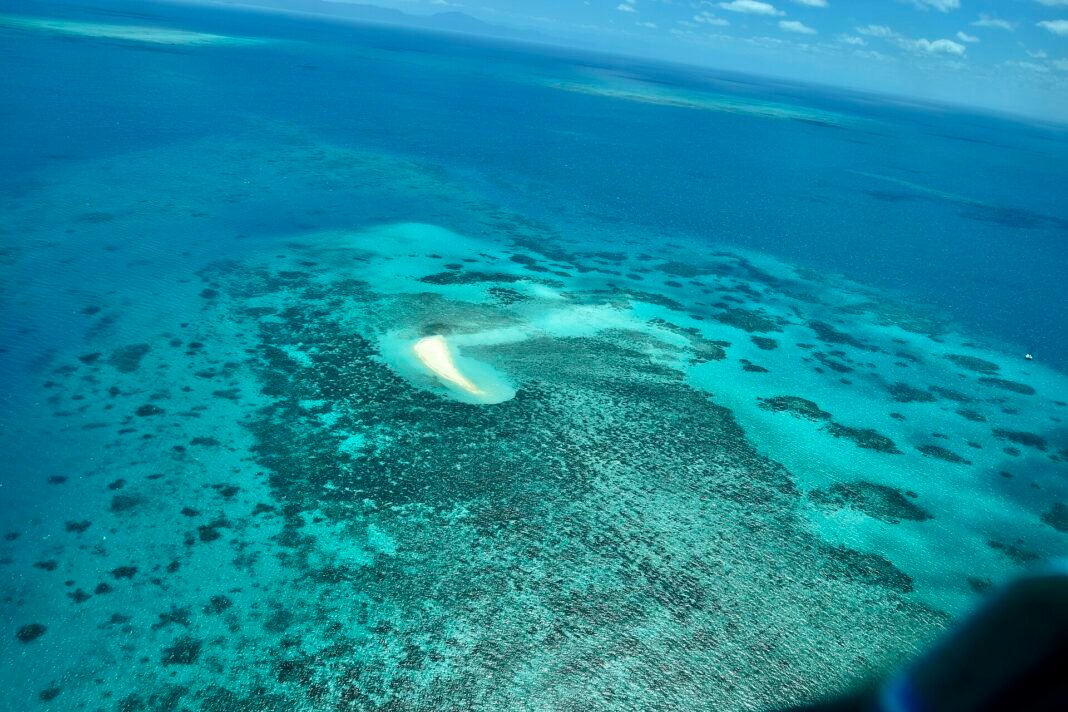
The Great Barrier Reef runs 2,300 kilometres along Queensland’s coast and takes in some 2,900 individual reefs, 900 islands, 30 species of whales and dolphins, 1,625 species of fish, and more than 450 species of hard coral. These are the primary access points for reef trips:
.jpg?width=1200)
Cairns: The Reef Capital
- Day reef trips: Dozens of operators depart Cairns and Port Douglas daily for the outer reef; snorkelling and diving in 10–30m visibility water; the outer reef’s Agincourt Ribbon Reefs hold the finest hard coral in the region
- Liveaboard dive trips: Multi-day dive expeditions to the Coral Sea’s offshore reefs (Osprey Reef, Ribbon Reefs, Cod Hole); the best scuba diving in Australia
- Fitzroy Island: 45 minutes from Cairns; fringing reef right off the beach; resort accommodation; sea turtle rehabilitation at the Cairns Turtle Rehabilitation Centre
Whitsunday Islands
- 74 islands: The most accessible island sailing destination in Australia; charter sailboats and bareboat hire available from Airlie Beach and Hamilton Island
- Whitehaven Beach: 7km of pure silica sand consistently ranked among the planet’s best, accessible by boat or seaplane from Airlie Beach or Hamilton Island
- Heart Reef: The heart-shaped coral formation seen on scenic flights from Hamilton Island — one of Queensland’s most photographed natural features

Brisbane: Australia’s Fastest Growing City
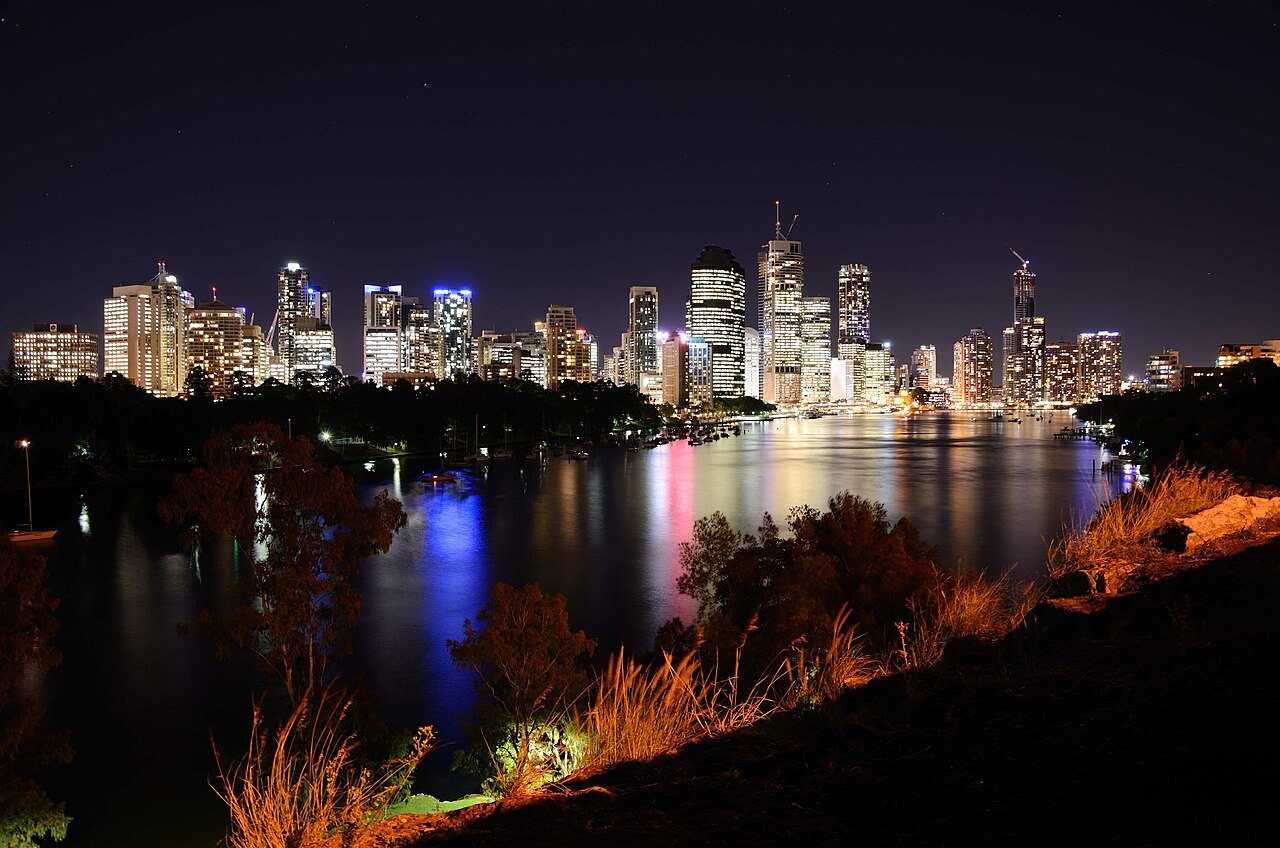
Brisbane, the state capital and host of the 2032 Summer Olympic Games, is the most transformed major Australian city of the past decade — a subtropical city of 2.8 million that has built an arts, food, and outdoor lifestyle culture to match its natural advantages (the Brisbane River, Moreton Bay, the adjacent Gold and Sunshine Coasts) and its infrastructure investment (the South Bank Parklands, the Gallery of Modern Art, the Howard Smith Wharves). The Queen Street Mall anchors the CBD retail; the Fortitude Valley and New Farm precincts carry the nightlife and restaurant density; and the Brisbane Botanic Gardens at Mt Coot-tha hold 52 hectares of garden within the suburban fabric. The 2032 Olympics infrastructure program is reshaping the city’s transport and venue landscape ahead of the games.
Cairns and Tropical North Queensland
Cairns, the gateway city for the Great Barrier Reef and the Wet Tropics World Heritage Area, is Australia’s premier tropical base — a city of 170,000 at the foot of the rainforest ranges, where the Atherton Tablelands rise immediately behind the coastal strip. The Kuranda Scenic Railway (one of Australia’s most spectacular train journeys, climbing through rainforest to the tablelands village of Kuranda) and the Skyrail Rainforest Cableway (a 7.5km gondola above the rainforest canopy) deliver the quintessential Cairns hinterland day out. The Atherton Tablelands themselves — volcanic lakes, waterfalls, dairy farms, and wildlife — are equally open to self-drive touring.
Gold Coast: Sun, Surf, and Theme Parks
The Gold Coast, around 78km south of Brisbane, is Australia’s most visited domestic tourism destination — a 57km coastline of white-sand beaches, a theme park corridor (Movie World, Dreamworld, Sea World, Wet’n’Wild), and a surf culture that has produced more professional surfers than any other region in Australia. Surfers Paradise’s high-rise skyline against the beach is the most recognisable image of Queensland tourism, with the most concentrated nightlife on the strip; Burleigh Heads and Palm Beach keep a slower pace and the area’s strongest surf and dining culture. The world’s most consistent point break sits at Snapper Rocks, where the Superbank — artificially enhanced by sand pumping — can produce rides of up to several hundred metres on a good swell. Just 30 to 45 minutes inland, the Hinterland offers a complete contrast: the subtropical rainforest of Lamington National Park, O’Reilly’s Guesthouse in the Border Ranges, and the Springbrook Plateau’s waterfalls, 3,000-year-old Antarctic Beech groves, and night glow-worm walks add up to an ecotourism experience few coastal regions can match.
Planning Your Queensland Visit
Queensland’s scale demands honest itinerary planning — Cairns sits 1,700km from Brisbane by road, and treating the Great Barrier Reef and the Gold Coast as a single trip means flying between regions. A realistic Queensland plan for international visitors gives 2–3 days to Brisbane (South Bank, the Moreton Bay islands, the hinterland), 2–3 days to either the Gold or Sunshine Coasts, and a separate 4–5 days in Cairns and Tropical North Queensland for the reef, the rainforest, and the tablelands. The dry season (May–October) is the best window for tropical Queensland; the Gold and Sunshine Coasts work year-round, with a slight edge to spring and autumn when conditions settle.
Frequently Asked Questions
What makes the Great Barrier Reef the world’s greatest marine wonder?
The Great Barrier Reef — 344,400 square kilometres of coral reef system visible from space, running 2,300 kilometres along Queensland’s coast — is the largest living structure on Earth and one of the seven natural wonders of the world. It takes in some 2,900 individual reefs, 900 islands, and remarkable marine life: 1,625 species of fish, more than 450 species of hard coral, 30 species of whales and dolphins, and six of the world’s seven sea turtle species. The main access points span the Queensland coast: Cairns and Port Douglas (the Reef Capital, with fast catamaran day trips to the outer ribbon reefs where 10–30m visibility and clean hard coral give the best snorkelling and diving), the Whitsunday Islands (74 islands in the Coral Sea, with Whitehaven Beach — swirling white silica sand and clear turquoise water — rated among the world’s finest), and the Southern Great Barrier Reef (Heron Island and Lady Elliot Island, the most southerly coral cay and the best for turtle nesting and manta ray encounters). The Cod Hole on the Ribbon Reefs — known for resident potato cod up to 2 metres long — is the reef’s most celebrated single dive site, reached by liveaboard from Cairns.
What makes the Daintree Rainforest exceptional as a natural destination?
The Daintree, north of Cairns, is the oldest continuously surviving tropical rainforest on Earth — older than the Amazon by more than 100 million years and carrying plant families that trace back to the Gondwanan supercontinent. The wider Wet Tropics World Heritage Area (UNESCO listed in 1988, 894,420 hectares) holds the world’s highest concentration of primitive flowering plant families, living links to the earliest stages of angiosperm evolution. At Cape Tribulation the rainforest runs straight down to the Great Barrier Reef — the only place on Earth where two UNESCO World Heritage Areas physically touch — reached via the short Daintree River vehicle ferry, north of which fuel and services are limited, so it pays to top up before crossing. The Mossman Gorge Centre, run by the Kuku Yalanji Traditional Owners, offers the most rounded cultural and environmental interpretation of the Daintree, with guided walks across the rainforest floor and the Mossman River’s swimming holes. The wet season (November–April) brings heavy rainfall and river crossings; the dry season (May–October) means easier access and more comfortable temperatures.
What does the Gold Coast offer beyond its beach resort reputation?
The Gold Coast (population approaching 700,000, Queensland’s second-largest city) is more than the beachfront towers and theme parks of Surfers Paradise — it holds Australia’s most varied beach experience. The 57km of patrolled beach from Coolangatta in the south to Main Beach in the north suits every skill level: the long right-hander at Burleigh Heads (one of Australia’s most famous surf breaks), the beginner-friendly whitewash at Surfers Paradise, and the world-class barrels of Kirra Point. The Gold Coast Hinterland — Lamington National Park (O’Reilly’s Guesthouse, 160km of walking trails, part of the world’s most extensive subtropical rainforest, and birdlife that includes the Albert’s lyrebird) and Springbrook National Park (Natural Bridge, a waterfall cascade through a basalt arch inhabited by a glow-worm colony) — puts wilderness within an hour of the beach strip. The cluster of theme parks (Movie World, Sea World, Dreamworld, Wet’n’Wild) makes the Gold Coast Australia’s leading family theme park destination.
What is Brisbane like as a destination and what has changed since the 2032 Olympics announcement?
Brisbane (population 2.8M metro) has been reshaped by the 2032 Olympic Games announcement (awarded 2021) — infrastructure investment across the CBD, South Bank, and the inner suburbs has accelerated, the cross-river rail project is rebuilding public transport, and the city’s cultural confidence has grown with its global profile. South Bank Parklands (16 hectares of cultural and recreation space on the Brisbane River’s south bank, including Streets Beach — the only artificial beach in an Australian CBD, open year-round) and the Gallery of Modern Art (GOMA, the largest gallery of modern and contemporary art in Australia) anchor Brisbane’s cultural heart. The Fortitude Valley’s entertainment precinct and the James Street restaurant and retail corridor carry Brisbane’s most concentrated nightlife and dining. The Story Bridge (built 1940) gives the city both its most recognisable silhouette and its own bridge climb. The Brisbane River ferry network (CityCat and City Ferry services) is one of Australia’s most pleasant and practical urban transport experiences.
What does the Whitsundays offer and how do visitors access this island paradise?
The Whitsunday Islands — 74 islands in the Coral Sea within the Great Barrier Reef Marine Park — make up Australia’s most spectacular sailing and resort destination. The islands are reached from Airlie Beach (the mainland gateway town) by charter boat, bareboat sailing (self-chartered), and water taxi. Whitehaven Beach (7km of swirling white silica sand on Whitsunday Island, reached only by boat or seaplane) ranks among the planet’s finest — the silica content is so pure that the sand doesn’t retain heat, staying comfortable underfoot even in summer. The Hill Inlet lookout (a 20-minute walk from Whitehaven) gives the aerial-style view of the swirling sand and water patterns that defines the Whitsundays visually. Hayman Island and Hamilton Island (the only island with a commercial airport) provide resort accommodation; the outer reef’s Bait Reef offers day-trip diving and snorkelling in high-quality coral. Sailing the Whitsundays (3–7 days) on a charter yacht is the definitive experience and stays open to non-sailors through guided bareboat instruction programs.