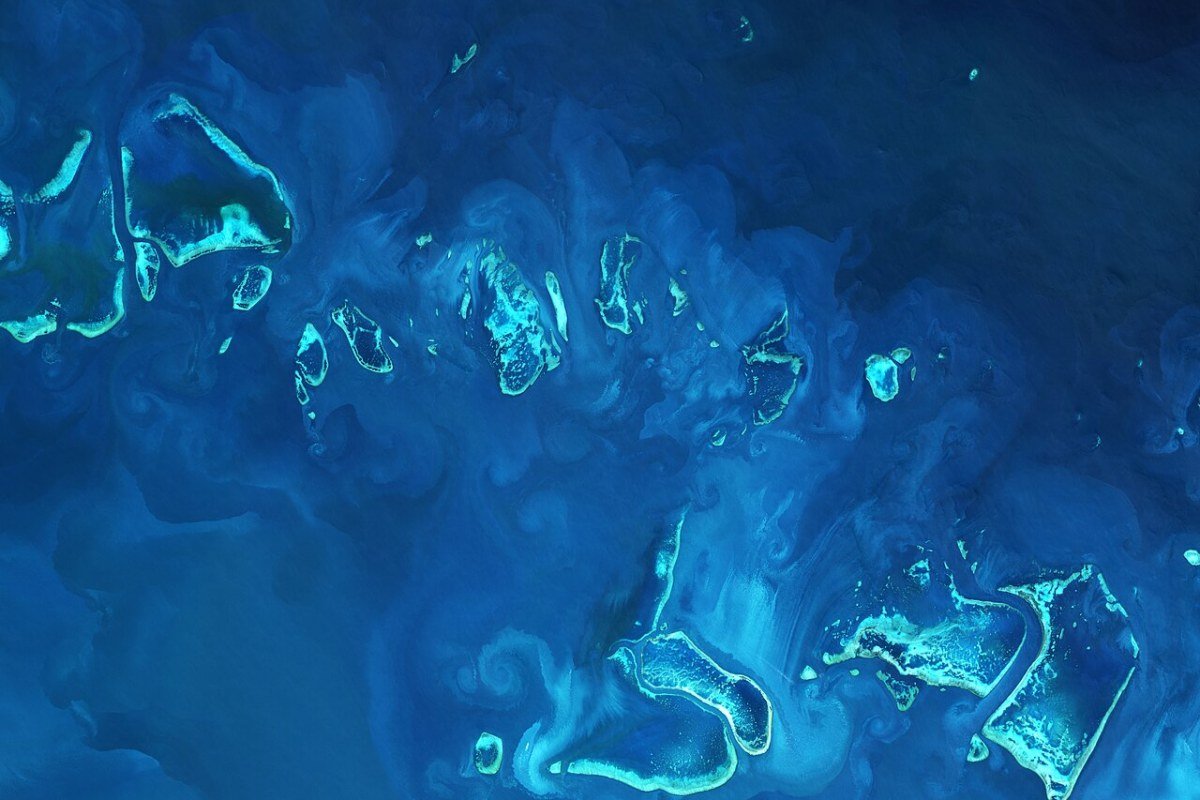
The Great Barrier Reef is the largest living structure on the planet: more than 2,900 individual reefs and 900 islands strung along 2,300 kilometres of the Queensland coast, large enough to be seen from space. Within it live roughly 1,500 species of fish, 4,000 of mollusc, 240 of bird, six of sea turtle, and 30 of whale and dolphin, alongside more kinds of coral than most visitors realise exist. It is also under real strain – repeated mass bleaching driven by ocean warming has cut into coral cover across much of the system since 2016. Visiting is a more considered decision than it once was, but for travellers who come with care and a clear understanding of what they are seeing, the reef remains one of the great encounters in nature. Here is how to plan it well.
How to Access the Reef: The Best Gateways
The reef is reached by day boats and liveaboard dive vessels from several Queensland ports, each with its own character:
- Cairns: The busiest gateway, with dozens of day boats and liveaboards. The outer reef sits about 90 minutes out by fast catamaran. Boats run from large budget catamarans (60-plus passengers, lower fares) to premium small-group vessels (12-30 passengers, better sites, higher fares). All that traffic means some sites near Cairns get heavy use, so look for operators holding exclusive site permits if you want fewer crowds.
- Port Douglas (70 kilometres north of Cairns): A quieter base for the outer reef, with less-trafficked dive sites and the Low Isles – a coral cay 30 minutes out by boat, with shallow snorkelling that suits non-swimmers. Wavelength and Calypso are among the well-regarded operators here.
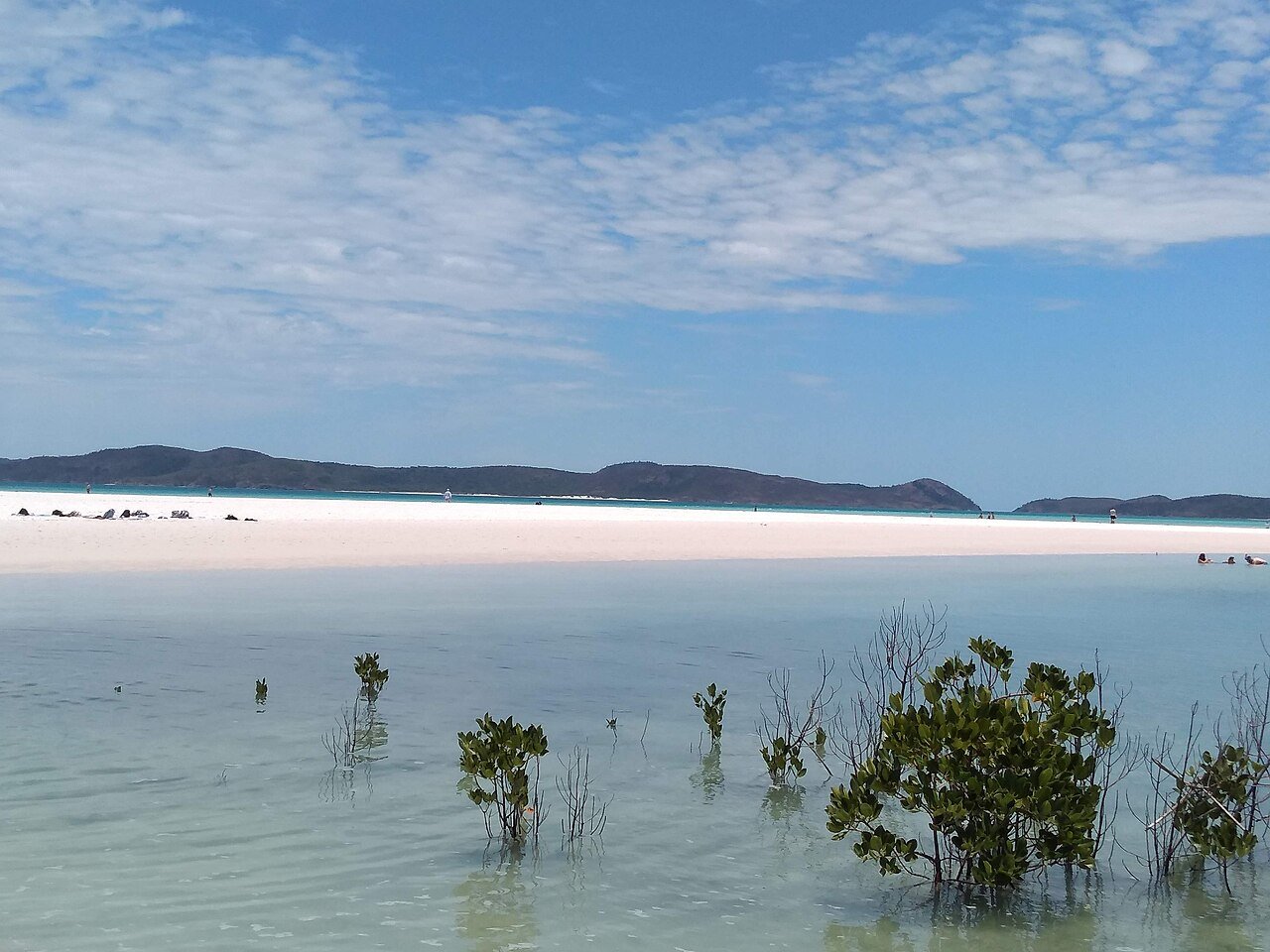
- Airlie Beach and the Whitsundays: The launch point for the Whitsunday Islands – 74 islands set between the reef and the coast – and Bait Reef on the outer reef. Whitehaven Beach, seven kilometres of silica-white sand, is the headline draw, and the heart-shaped Heart Reef (best seen from a scenic flight) is the postcard image.
- Townsville: Quieter, and the choice for serious divers. The SS Yongala, a 107-metre passenger steamship lost in a cyclone in 1911, ranks among the world’s finest wreck dives – coral-encrusted and home to giant grouper, bull sharks, sea turtles, manta rays, and eagle rays. It is reached from Townsville by liveaboard or day boat.
- Lady Elliot Island (the reef’s southernmost point, off Bundaberg): A coral-cay eco-resort and arguably the best place anywhere to swim with manta rays, which gather here in numbers unmatched elsewhere on the reef and stay year-round.
Timing matters as much as the gateway. The dry season, June to October, brings calmer seas, low rainfall, and underwater visibility that often reaches 20 to 30 metres, with August and September the standouts. November to May is stinger season, when box jellyfish and Irukandji appear in near-shore waters; reputable operators provide stinger suits, and outer-reef trips carry lower risk.
Snorkelling vs. Diving: Which Is Right for You?
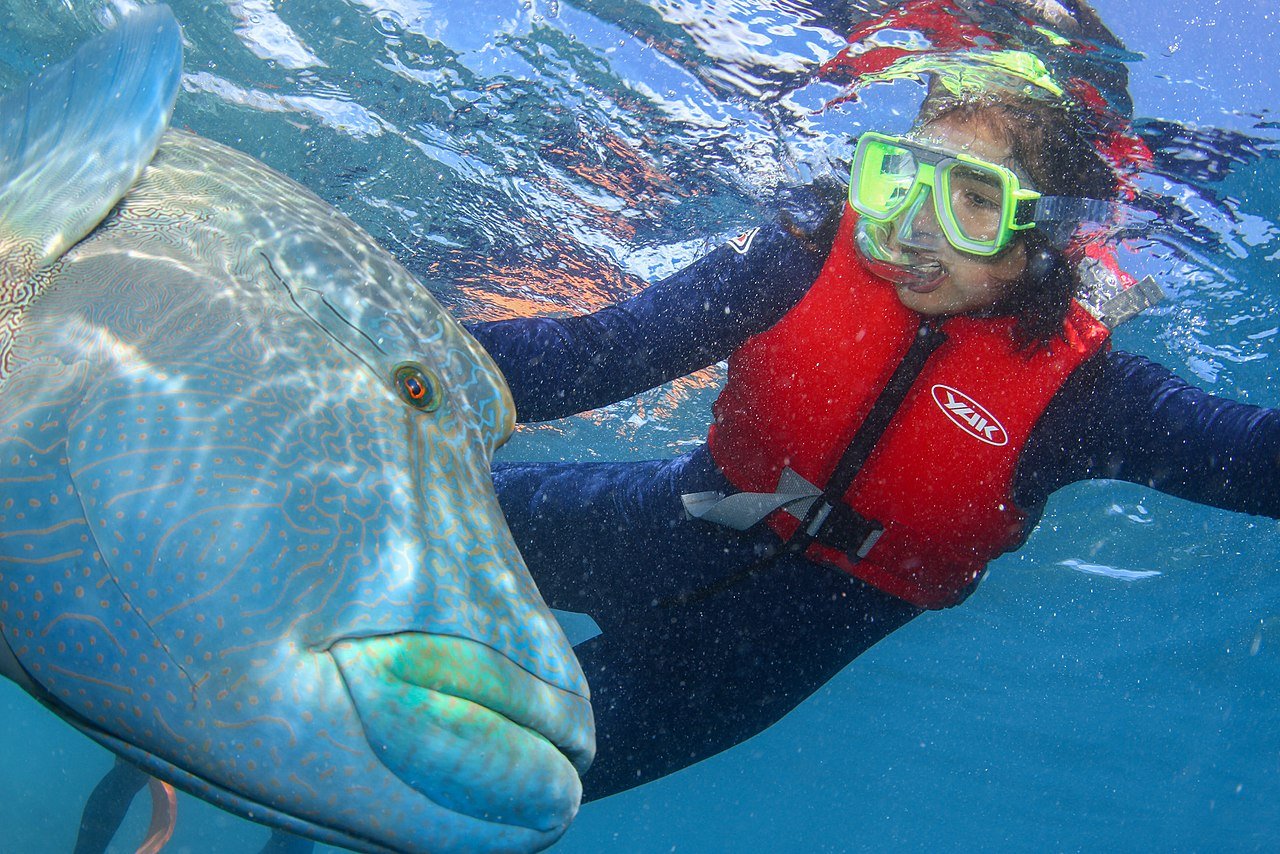
You needn’t be a certified diver to take in the best of the reef. Snorkelling from the surface gives clear views of shallow coral gardens and their residents in many places, especially on the inner reef. The outer reef has deeper, clearer water and generally suits diving better, yet the top three to five metres still offer fine snorkelling wherever the coral is healthy. Most day boats build snorkelling gear into the base fare, and most also run introductory dives for first-timers – no certification, under an instructor’s constant supervision – for an extra $80 to $150, widely held to be the single finest way for a non-diver to experience the reef properly. Certified divers do better on dedicated dive boats than on snorkelling boats that also offer diving, where site choice and the diver-to-instructor ratio are sharper. A PADI Open Water course (three to four days, available in Cairns) opens the outer reef’s best sites and pays off for anyone spending more than a single day on the water.
What You’ll See
Where the reef is healthy, the marine life is the reason people travel from across the world. Green sea turtles turn up often – large, unhurried, and untroubled by snorkellers and divers who keep a respectful distance. Reef sharks (whitetip, blacktip, and grey reef) cruise the outer edges, common and no threat to anyone behaving sensibly. Manta rays, their wingspans reaching up to seven metres, glide through the water column with startling ease. Maori wrasse (the Napoleon wrasse), heavy-bodied fish with a pronounced hump on the forehead, are the friendliest of the reef’s giants and will often nose up to divers out of plain curiosity. The coral gardens themselves, at their best, run to brain, plate, staghorn, fan, and table corals in purples, oranges, pinks, and greens, with parrotfish, surgeonfish, angelfish, butterflyfish, and clownfish drifting through in shoals.
The Reef’s Health: An Honest Assessment
The Great Barrier Reef has now weathered eight mass bleaching events since 1998, six of them since 2016, with back-to-back summers in 2024 and 2025 the most damaging on record. Bleaching sets in when ocean temperatures climb past the coral’s tolerance: the coral expels the symbiotic algae (zooxanthellae) that give it both colour and food, and turns white. Cool the water quickly and coral can recover; let the heat linger and it starves. The 2024 event was the most widespread ever surveyed, and the 2025 summer was the first to hit the southern reef hard – together they drove the lowest coral cover on record across parts of the system, reversing five years of gains. The Australian Institute of Marine Science publishes annual condition reports, which are worth checking when you plan, since conditions vary sharply reef to reef and region to region. The reef is still well worth visiting, for the beauty that remains and because seeing it first-hand makes the case for protecting it more vividly than any film.
Responsible Visiting
- Never touch, stand on, or take coral – even a brief knock can kill polyps that took decades to grow.
- Wear only reef-safe sunscreen (zinc-oxide based). Oxybenzone and octinoxate, common in conventional sunscreen, are documented to damage coral DNA and trigger bleaching at very low concentrations.
- Pick operators holding Advanced Ecotourism Certification – administered by Ecotourism Australia and recognised by the Great Barrier Reef Marine Park Authority; certified operators contribute to ongoing reef monitoring.
- Don’t feed fish or handle marine wildlife – it disrupts natural behaviour and can harm animals and people alike.
- Spotted a crown-of-thorns starfish (a coral predator that occurs naturally but periodically booms to plague numbers)? Report it to the Marine Park Authority’s CoTS control program.
- Expect a small Environmental Management Charge – roughly $7 to $9 per person per day, collected by your operator – which funds day-to-day management of the Marine Park.
Frequently Asked Questions
What are the best gateway towns for accessing the Great Barrier Reef?
Cairns is the busiest gateway, with dozens of day boats and liveaboards – the outer reef is about 90 minutes out by fast catamaran. That volume means some nearby sites get heavy use, so choose operators with exclusive site permits for fewer crowds. Port Douglas (70 kilometres north of Cairns) is a quieter base for the outer reef, with less-trafficked dive sites and the Low Isles coral cay. Airlie Beach opens the Whitsunday Islands (74 islands) and Bait Reef on the outer reef, with Whitehaven Beach (seven kilometres of silica-white sand) as the headline draw. Townsville is the pick for serious divers – the SS Yongala (a 107-metre passenger steamship lost in a cyclone in 1911, coral-encrusted and home to giant grouper, bull sharks, sea turtles, manta rays, and eagle rays) ranks among the world’s finest wreck dives. Lady Elliot Island (the reef’s southernmost point, off Bundaberg) is arguably the best place anywhere to swim with manta rays, which gather there year-round in unmatched numbers.
How do you decide between snorkelling and diving at the Great Barrier Reef?
Snorkelling from the surface gives clear views of shallow coral gardens and their residents – the top three to five metres of the outer reef still offer fine visibility wherever coral is healthy. Most day boats include snorkelling gear in the base fare. Introductory dives (no certification, under an instructor’s constant supervision, $80-$150 extra) are widely held to be the single finest way for a non-diver to experience the reef properly. Certified divers do better on dedicated dive boats than on snorkelling boats that also offer diving, for sharper site choice and diver-to-instructor ratio. A PADI Open Water course (three to four days, available in Cairns) opens the outer reef’s best sites and pays off for anyone spending more than one day on the water. The inner reef and coral cays are easier going for snorkellers; the outer reef is deeper, clearer, and better for diving.
What marine life can visitors expect to see at the Great Barrier Reef?
Where the reef is healthy, the marine life is remarkable. Green sea turtles turn up often – large, unhurried, and untroubled by snorkellers or divers who keep a respectful distance. Reef sharks (whitetip, blacktip, and grey reef) cruise the outer edges, common and no threat to careful visitors. Manta rays, with wingspans up to seven metres, glide through the water column with startling ease. Maori wrasse (the Napoleon wrasse) – heavy-bodied fish with a pronounced forehead hump – are the friendliest of the reef’s giants and often nose up to divers out of curiosity. The coral gardens, where healthy, run to brain, plate, staghorn, fan, and table corals in purples, oranges, pinks, and greens, with shoals of parrotfish, surgeonfish, angelfish, butterflyfish, and clownfish. The reef holds more than 1,500 fish species, 4,000 mollusc species, and 240 bird species.
What is the current health status of the Great Barrier Reef?
The reef has now weathered eight mass bleaching events since 1998, six of them since 2016, with the 2024 and 2025 summers the most damaging on record. Bleaching sets in when ocean temperatures climb past the coral’s tolerance, causing it to expel the symbiotic algae that supply both colour and food and turn white. Cool the water quickly and coral can recover; let the heat linger and it starves. The 2024 event was the most widespread ever surveyed, and 2025 was the first summer to hit the southern reef hard – together driving the lowest coral cover on record across parts of the system. The Australian Institute of Marine Science publishes annual condition reports, useful for planning since conditions vary sharply reef to reef. The reef is still well worth visiting, for the beauty that remains and because seeing it first-hand makes the case for protecting it more vividly than any film.
How do you visit the Great Barrier Reef responsibly?
Never touch, stand on, or take coral – even a brief knock can kill polyps that took decades to grow. Wear only reef-safe sunscreen (zinc-oxide based): oxybenzone and octinoxate in conventional sunscreen are documented to damage coral DNA and trigger bleaching at very low concentrations. Choose operators with Advanced Ecotourism Certification (administered by Ecotourism Australia and recognised by the Great Barrier Reef Marine Park Authority) – they contribute to reef monitoring and follow stricter environmental protocols. Don’t feed fish or handle marine wildlife, which disrupts natural behaviour. Report any crown-of-thorns starfish (a coral predator that periodically booms to plague numbers) to the Marine Park Authority’s CoTS control program. Expect a small Environmental Management Charge (roughly $7 to $9 per person per day, collected by your operator) that funds management of the Marine Park. Booking smaller premium operators over large budget vessels usually means fewer crowds, better-kept gear, and guides with genuine reef knowledge.