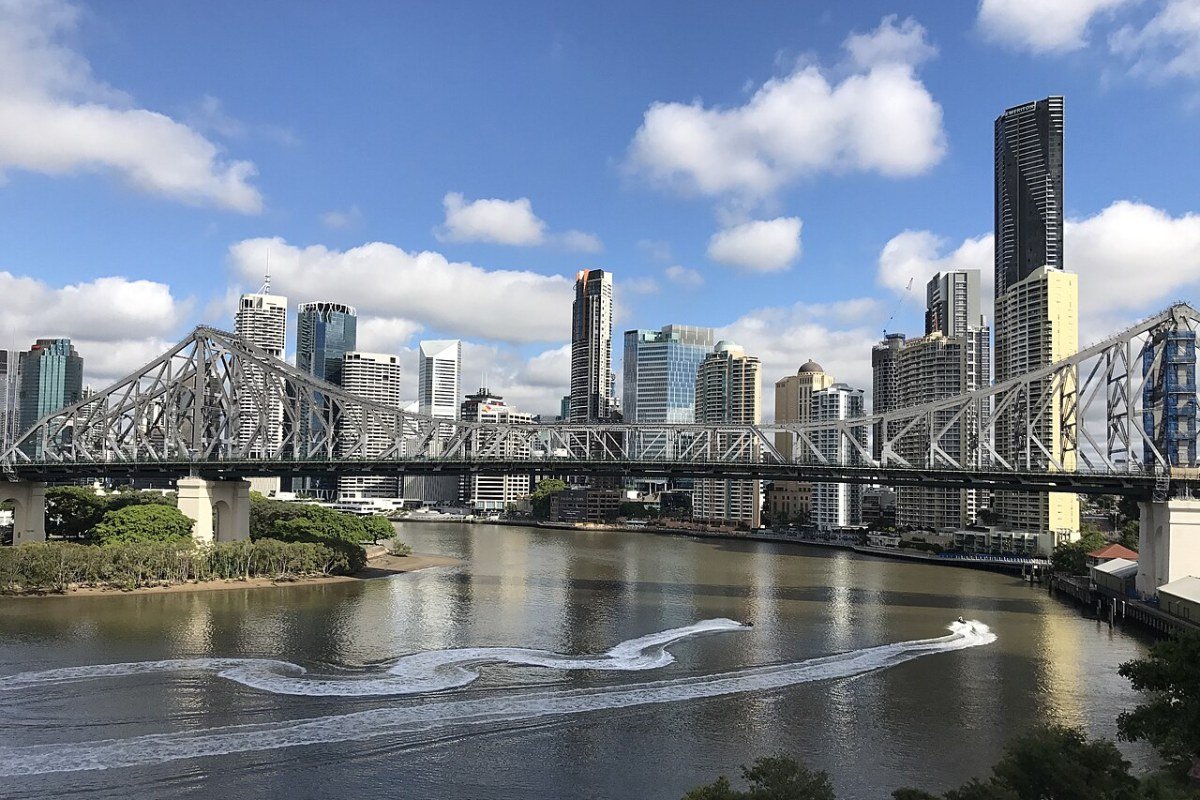
Queensland‘s cost of living now pairs a state capital that has joined Australia’s expensive-housing club – Brisbane’s median dwelling value pushed past AUD $1.1 million in 2026, after the pandemic interstate-migration wave reshaped its market – with regional and coastal areas that still read as better value than Sydney or Melbourne. The state’s financial draws are well known: no state income tax (Australia levies income tax federally), a sunshine-belt lifestyle at lower entry points than the southern capitals, and an economy powered by resources, tourism, and the infrastructure build-out tied to the 2032 Olympics. Those draws have made Queensland the country’s leading destination for interstate migration for several years running. The honest 2026 picture: Brisbane is no longer cheap, the Gold Coast and Sunshine Coast now price like Sydney in their best pockets, and the clearest value sits further north and inland, where households trade metropolitan density for subtropical living.
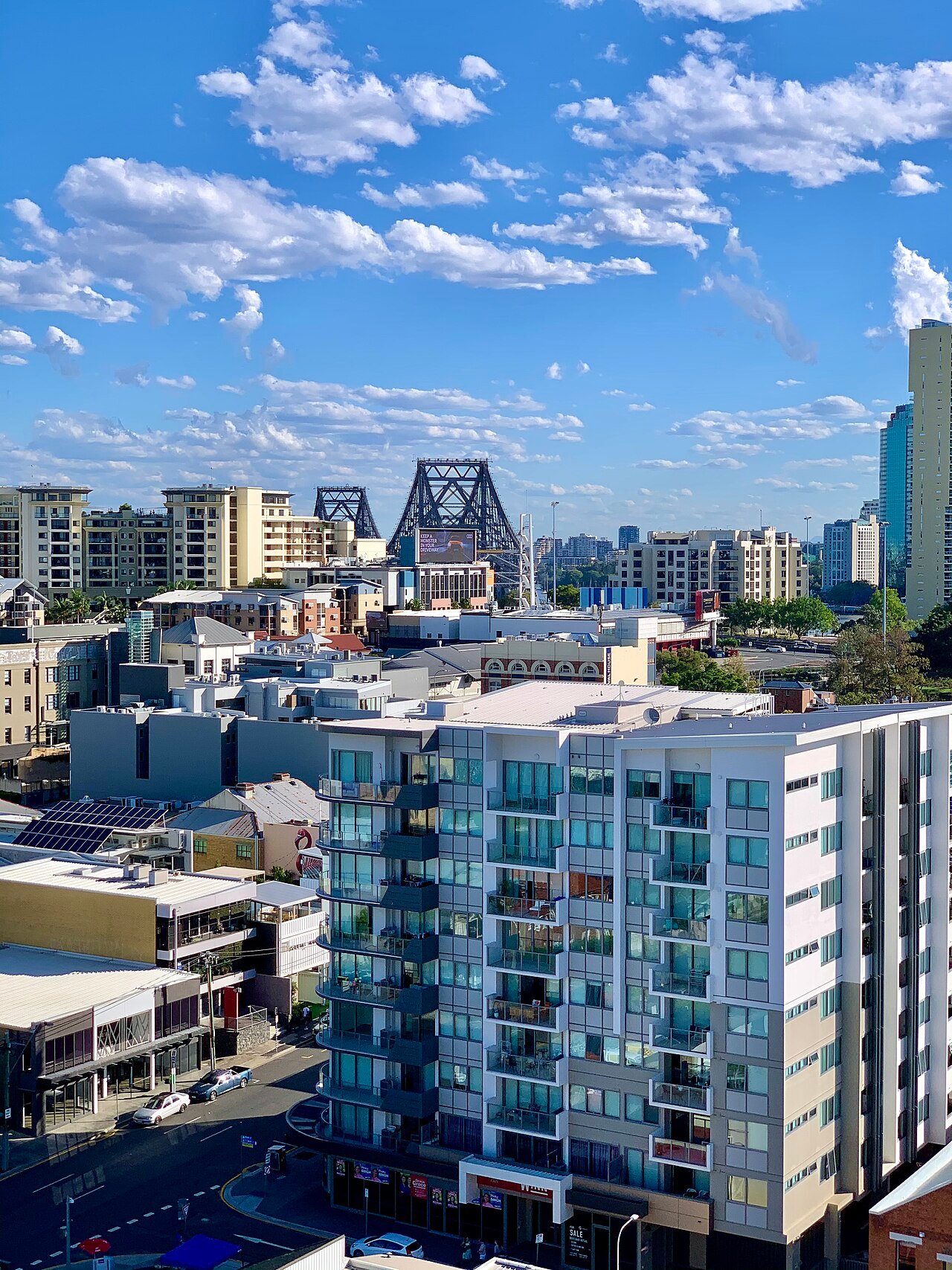
Queensland Cost at a Glance 2026
- Brisbane metro median dwelling price: AUD $1.0M-$1.13M
- Gold Coast median: AUD $1.1M-$1.35M
- Sunshine Coast median: AUD $1.05M-$1.15M
- Cairns median: AUD $650,000-$770,000
- Townsville median: AUD $580,000-$700,000
- Toowoomba median: AUD $650,000-$840,000
- Stamp duty: Queensland charges transfer duty on property purchases; first home buyer concessions available
Brisbane: From Affordable to Aspirational
Brisbane’s market between 2020 and 2025 ran harder than any other major Australian city – median values climbed roughly 80% in five years on the back of interstate migration from New South Wales and Victoria, ultra-low interest rates, and the lift that followed the 2032 Olympics announcement. Inner-city suburbs such as New Farm, Teneriffe, Paddington, West End, and Fortitude Valley have pushed past AUD $1.5M for entry-level houses and AUD $700,000 for apartments, figures unthinkable in 2018. Middle-ring suburbs like Chermside, Indooroopilly, and Carindale offer more reachable footholds around AUD $1.0M-$1.2M. Brisbane’s edge over Sydney holds, though: comparable homes still cost meaningfully less, with a kinder climate, lighter congestion, and strong day-to-day liveability.

Gold Coast: Resort Premium
The Gold Coast’s market reflects its double identity as a domestic tourism magnet and Australia’s most sun-drenched lifestyle city. Roughly 300 days of sunshine, world-class surf, an easy commute to Brisbane’s job market, and continued apartment building along the Broadwater produce a market with wide internal spread. Surfers Paradise apartments (AUD $500,000-$900,000) remain the most affordable coastal entry; the southern beaches – Coolangatta, Palm Beach, Burleigh Heads – carry the lifestyle premium at AUD $1.5M-$3M for houses; and the canal estates of Sovereign Islands and Hope Island top the market at AUD $2.5M and up.
Cairns: Tropical Affordability
Cairns stays among the more affordable coastal cities on the eastern seaboard – medians of AUD $650,000-$770,000 reflect its reliance on tourism, which brings employment swings, and its distance from the southern job markets. For households working in reef tourism or healthcare, or able to work remotely, Cairns pairs tropical living, reef access, and rainforest surrounds with housing costs that still undercut the southern coasts. The city’s Northern Beaches suburbs – Yorkeys Knob, Trinity Beach, Clifton Beach – deliver the best of its coastal living at prices that feel like a throwback next to the Gold and Sunshine Coasts.
Toowoomba and Regional Queensland
Toowoomba, Queensland’s largest inland city (around 145,000 residents), sits on the Darling Downs escarpment about 125km west of Brisbane – a cool-climate garden city whose median dwelling price of AUD $650,000-$840,000 makes it the most accessible substantial regional centre within commuting reach of Brisbane work. Its show gardens (the Carnival of Flowers each September is one of Queensland’s biggest community events), the University of Southern Queensland campus, and the Toowoomba Second Range Crossing (opened 2019) mark it out as a working regional city rather than a dormitory town. Further north, Townsville – North Queensland’s main service centre, with medians of AUD $580,000-$700,000 – ranks among the most affordable large cities in the state, anchored by James Cook University and a sizeable Defence Force presence.
Queensland’s Electricity Costs
Power has long been a live line in Queensland household budgets – energy prices have risen across Australia, and the state’s shift from coal toward renewables carries cost effects that flow through to bills:
- Average household electricity cost: AUD $2,000-$3,000/year depending on usage and provider; air conditioning through Queensland’s tropical summers is a major driver
- Solar PV economics: Queensland’s solar irradiance gives panels some of the fastest payback periods anywhere; the state has long offered feed-in tariffs, and new builds and retrofits routinely add solar
- Energy rebates: Queensland and federal programs provide electricity rebates for eligible households; check current schemes through Energex and the Queensland Government website
Who Queensland Makes Financial Sense For
Queensland’s case is strongest for households whose work is tied to Brisbane’s growing economy – construction and infrastructure on the 2032 Olympics pipeline, resources, healthcare, and the technology sector building up in the inner city and South Bank. For households with real location flexibility, Cairns and Townsville stand out as value outliers in the Australian coastal market, pairing tropical living with prices that recall what the Gold Coast asked a decade ago. The Sunshine State branding stays unusually literal: climate, outdoor lifestyle, and housing that still undercuts Sydney keep Queensland at the front of Australia’s interstate migration.
Budgeting Practically for Queensland
Knowing the cost of living in Queensland is the starting point – the next step is sorting which costs are fixed and which you can shape around your own lifestyle. Housing is the biggest variable in nearly every budget, and the suburb you choose within Queensland can swing monthly costs sharply while still keeping you close to the places and amenities you care about. Utilities, transport, and food add up over time, so small monthly gaps turn into real money across a year. The cost advantage Queensland holds over high-priced cities like Sydney, San Francisco, or New York is real and measurable – many people who relocate report a better financial position alongside a better quality of life. Treat these figures as a framework, and check current rental and sale prices for your specific target area, since local markets can move faster than annual cost-of-living studies.
Frequently Asked Questions
How expensive is Brisbane compared to Sydney and Melbourne in 2026?
Brisbane’s median dwelling value pushed past AUD $1.1 million in 2026 – roughly $1.0M-$1.13M depending on the index, with detached houses well above units – after the pandemic interstate-migration wave reshaped the market. Values climbed around 80% between 2020 and 2025, among the strongest runs of any major Australian city. Even so, Brisbane housing still costs less than comparable Sydney property, with a kinder climate, lighter congestion, and strong liveability. Inner-city suburbs like New Farm, Teneriffe, Paddington, and West End have pushed past AUD $1.5M for entry-level houses. Middle-ring suburbs – Chermside, Indooroopilly, Carindale – offer more reachable footholds around AUD $1.0M-$1.2M. The income-tax point matters: Australia levies income tax federally, so there is no state income tax. The 2032 Brisbane Olympics infrastructure build continues to support employment and property demand across the state’s southeast.
What do the Gold Coast and Sunshine Coast cost compared to Brisbane?
Queensland’s two major coastal regions now price like Sydney in their most sought-after pockets. The Gold Coast median dwelling value reached roughly AUD $1.1M-$1.35M in 2026, with beachfront and canal property in Surfers Paradise, Broadbeach, and Mermaid Beach commanding premiums well above that. The Sunshine Coast median sits around AUD $1.05M-$1.15M, with Noosa – the region’s most polished resort town – at the premium end after years of Brisbane overspill and interstate demand. The hinterland and the northern stretches of both coasts still hold relative value: towns like Maleny, Montville, and the Glass House Mountains region offer Sunshine Coast lifestyle access at meaningfully lower prices than the beachfront.
Which Queensland regional cities offer genuine housing affordability?
Regional Queensland holds the state’s strongest value for households with transferable income or remote-work capacity. Cairns, the gateway to the Great Barrier Reef and the Wet Tropics, posts median dwelling prices of AUD $650,000-$770,000 – below the Brisbane median – alongside tropical living, direct international flights, and access to remarkable natural assets. Townsville, North Queensland’s largest city (population around 200,000) with a substantial defence and healthcare base, runs medians of AUD $580,000-$700,000. Toowoomba, the Darling Downs hub about 90 minutes west of Brisbane, sits at AUD $650,000-$840,000 with a growing regional economy and a cooler climate than the coast. Rockhampton, Mackay, and Mount Isa offer cheaper options still, tied to resources-sector employment cycles.
What are Queensland’s stamp duty and first home buyer concessions?
Queensland charges transfer duty (stamp duty) on property purchases, with rates that rise as the price climbs – at AUD $700,000 the standard transfer duty is about AUD $24,525, and at AUD $1.0M it reaches about AUD $38,025 before any concession. First home buyers benefit from substantial relief: since 1 May 2025, eligible first home buyers of a new home or vacant land to build on pay no transfer duty, with no price cap, and buyers of established homes pay no duty up to AUD $700,000 (with a partial concession to AUD $800,000). The First Home Owner Grant adds AUD $30,000 for eligible new homes valued under AUD $750,000, available for contracts up to 30 June 2026. These measures are especially meaningful in regional Queensland, where many purchase prices fall within the established-home threshold. Interstate migrants from New South Wales and Victoria often note that Queensland’s duty rates compare favourably to NSW at equivalent prices.
How does Queensland’s overall cost of living compare to the other eastern states?
Queensland’s non-housing costs broadly track the national average, with a few specific pluses and minuses. Grocery and food costs run close to other states, though Queensland’s subtropical fruit and vegetable production brings fresh-produce advantages at local markets. Electricity has been a sore point historically – the state’s power market has faced pressures – though ongoing renewable-energy investment aims to ease cost pressure over time. Queensland’s payroll tax exempts the first AUD $1.3M of annual wages, which eases the load on smaller employers. The lifestyle dividend from the climate is real and often left out of cost-of-living maths: outdoor recreation, beach access, and subtropical living trim spending on entertainment and recreation compared with what a similar quality of life costs in colder southern cities.