Australia has a well-earned reputation as an expensive destination — accommodation in Sydney and Melbourne rivals London and New York, and the cost of living generally reflects high wages and geographic isolation. But it is also a country with superb free outdoor experiences, one of the world’s strongest hostel and campervan cultures, and a food scene where eating well at sensible prices is easy once you know where to look. With the right strategy, an Australian trip can cost far less than most travellers expect, and what you get on a tight budget is genuinely first-rate.
Free and Low-Cost Outdoor Experiences
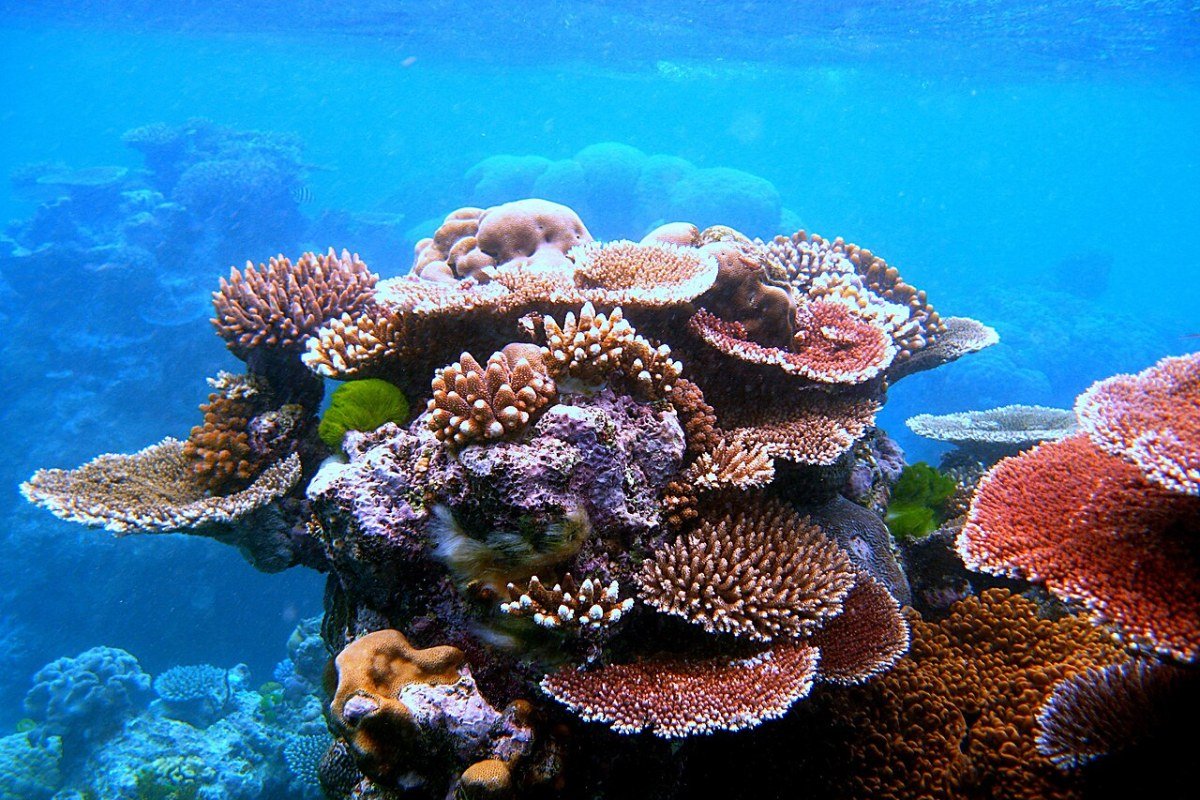
Australia’s greatest attraction — its outdoors — is largely free. Bondi Beach, Manly Beach, Whitehaven Beach, the Great Ocean Road (no toll to drive), the Bondi to Coogee Coastal Walk, the Blue Mountains walks from Katoomba, the Overland Track in Tasmania, the Freycinet Peninsula Circuit — all cost nothing beyond transport to get there. National park entry fees are charged in some states (typically $8–15 per vehicle per day in Queensland parks, and $5–12 per day at the 45 fee-collecting NSW national parks, with the Multi Parks Pass at $65/year covering all of them except Kosciuszko), but many of Australia’s most extraordinary landscapes (Kakadu, Uluru-Kata Tjuta, Great Barrier Reef Marine Park) are managed at the Commonwealth level with different fee structures. Swimming in the ocean is free everywhere in Australia — and the ocean is one of the country’s greatest assets, with beach access public by law along the entire coastline.
Most state and national galleries and many national museums have free entry: the National Gallery of Victoria (both buildings, Melbourne), the Art Gallery of NSW (Sydney), the National Gallery of Australia (Canberra), the Queensland Museum (Brisbane), the Australian Museum (Sydney — periodic free days), the South Australian Museum (Adelaide), and the Western Australian Museum (Perth) are all free for permanent collections. The Australian War Memorial (Canberra) — widely regarded as one of the world’s finest — is also free.
Accommodation: Hostels, Camping, and Campervans
Australia has an excellent hostel network, particularly along the east coast “backpacker highway” between Brisbane and Melbourne (via the Gold Coast, Byron Bay, Sydney, and Canberra). YHA Australia, Nomads, and Base Backpackers are the main networks — dorm beds run AUD $35–55 per night in major cities and AUD $25–40 in regional centres. YHA membership is now free with your first night’s stay (and roughly $15 for Australian residents who join without staying), unlocking around 10% off rates at affiliated hostels. Private rooms in hostels (AUD $80–130 for a double) often undercut hotels in the same location.
Camping is outstanding value throughout Australia. Caravan parks have powered and unpowered sites from AUD $25–45 per night with proper facilities — kitchens, bathrooms, laundries. National park campgrounds run AUD $6–18 per person per night, often in superb settings (Freycinet, Wilson’s Promontory, the Whitsundays). Free camping on Crown Land and in State Forests is possible in many areas — the WikiCamps Australia app (AUD $9.99) is the essential guide to finding free and cheap campsites across the country.
Campervans represent one of the best budget strategies for extended Australian travel — the combination of transport and accommodation in one vehicle can be very cost-effective over 3–4 weeks. Jucy, Mighty, Apollo, and Hippie Camper are the main budget rental companies; their oldest vans (with authentic patina) are the cheapest option. One-way rentals between Sydney and Melbourne, or between Cairns and Sydney, are often available at reduced rates because companies need vehicles repositioned.
Eating Well on a Budget
Supermarkets (Coles, Woolworths, Aldi) make self-catering straightforward — a week’s groceries for AUD $80–120 per person for simple, healthy cooking. Aldi is noticeably cheaper than the major chains. Farmers’ markets in every major city sell first-rate fresh produce: Sydney’s Carriageworks Farmers Market (Saturday), Melbourne’s Queen Victoria Market (open Tuesday and Thursday to Sunday, best on weekends), Brisbane’s Jan Powers Markets (Powerhouse and New Farm), and Adelaide’s Central Market (Tuesday–Saturday).
Food courts in Asian shopping centres are some of the best value in cities with large Asian communities: Chinese mall food courts in Melbourne’s Box Hill, in Sydney’s Cabramatta, or in Brisbane’s Sunnybank offer Vietnamese, Chinese, and Korean meals for AUD $12–18. At lunchtime, food trucks near CBD offices in every major city sell good meals for AUD $12–16. Fish and chips from a coastal takeaway — AUD $12–18 for a fresh meal — remains one of Australia’s great budget pleasures. For something special: a dozen Sydney rock oysters from a good fish market typically costs AUD $18–25 and is a genuinely luxurious experience at budget price.

Transport: Getting Around Australia Cheaply
Budget airlines: Jetstar links most Australian capitals at fares that can beat the bus on many routes when booked 4–8 weeks ahead. Sydney–Melbourne from AUD $59, Melbourne–Brisbane from AUD $79, and Sydney–Cairns from AUD $99 are achievable with advance booking. Rex Airlines offers cheaper regional connections in some areas.
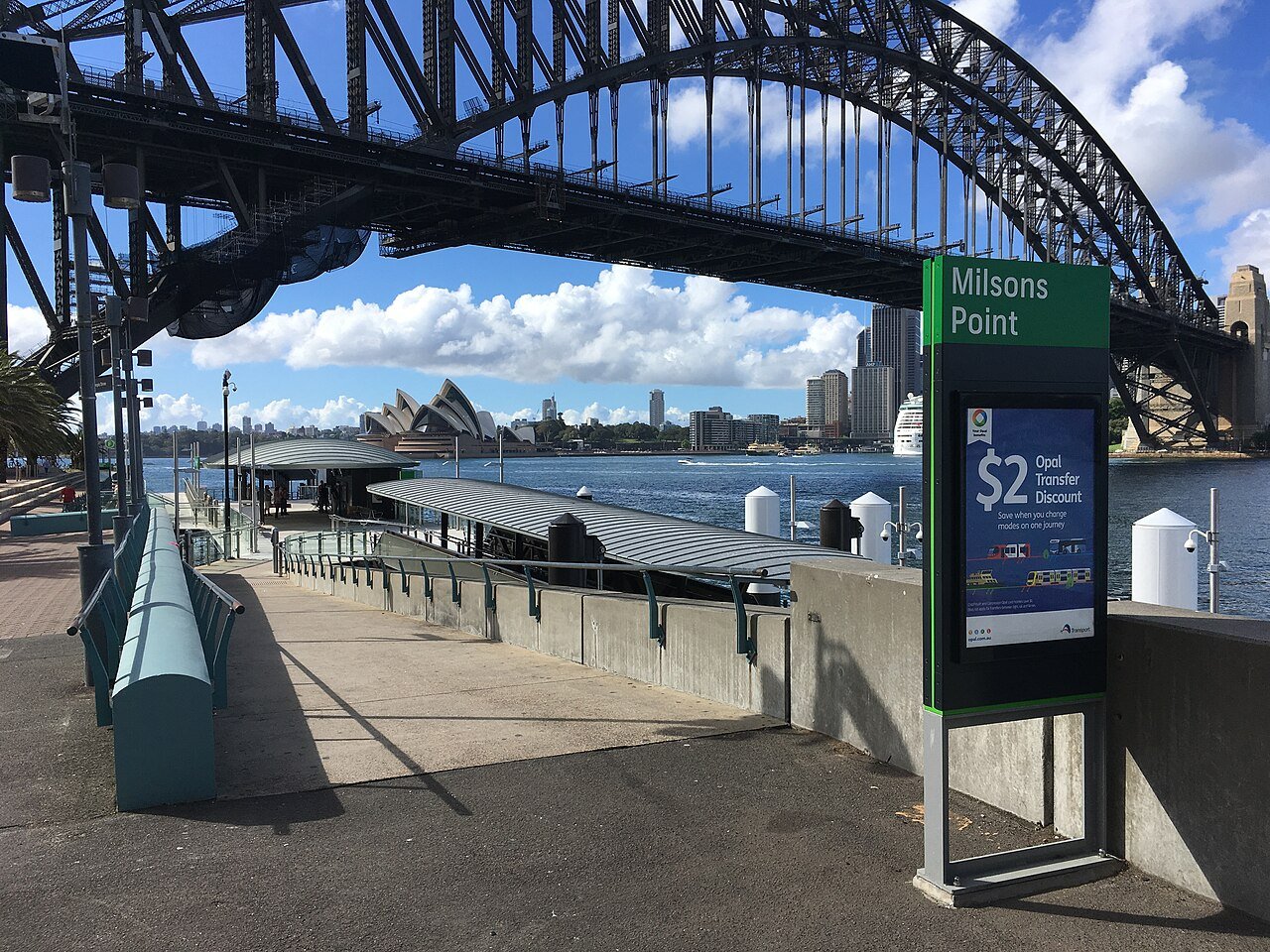
Greyhound’s East Coast Whimit Pass (hop-on, hop-off coach travel along the full east coast between Cairns and Melbourne, taking in Airlie Beach, the Whitsundays, Brisbane, Byron Bay, and Sydney) is one of the best deals in Australian budget travel for the backpacker route. Passes are sold by the number of consecutive travel days rather than by a fixed route — the East Coast pass starts from around AUD $319 and scales up the longer you travel — and allow unlimited stop-and-start travel in either direction at your own pace. Urban transit: Melbourne’s free city zone trams, Sydney’s Opal card (capped daily spend), Brisbane’s Go Card, and Perth’s free CAT bus service in the city centre all make getting around Australia’s major cities affordable.
Working Holiday Visa: The Budget Traveller’s Secret Weapon
Australia’s Working Holiday Maker program — the Working Holiday visa (subclass 417) and Work and Holiday visa (subclass 462), open to citizens of 49 countries aged 18–30 (up to 35 for some nationalities) — allows up to 12 months of work and travel, with the option of extending to a second or third year by completing regional work (fruit picking, farm work, hospitality in regional areas). The visa is one of the surest ways to fund extended travel in Australia: full-time work at Australia’s high minimum wage (AUD $24.95 per hour in 2025, rising to AUD $26.44 from 1 July 2026) generates enough income to fund ongoing travel when not working. Many backpackers alternate periods of work (typically in hostels, farms, or hospitality) with travel periods, making a year or more of Australian travel self-funding. Apply before departure through the Australian Department of Home Affairs — the visa costs AUD $670 and is usually processed online within days.
Frequently Asked Questions
What free outdoor experiences does Australia offer budget travellers?
Australia’s greatest asset for budget travellers is its free outdoor environment. All beaches are legally public — ocean access cannot be privatised in Australia, so Bondi, Manly, St Kilda, Cottesloe, and hundreds of other world-class beaches cost nothing. National parks charge vehicle entry fees in some states (typically AUD$5–$12 per day in NSW, AUD$8–$15 in Queensland, with a NSW Multi Park Pass around $65 a year), but many superb walks are accessible from roads with no entry fee. The Blue Mountains can be explored from Katoomba for the cost of a train ticket from Sydney. The coastal walk from Bondi to Coogee (6km) costs nothing. The Daintree Rainforest, much of the Great Barrier Reef’s fringing reef, and Kakadu’s best lookouts are accessible without park fees from certain access points. City parks (Royal Botanic Gardens Sydney and Melbourne, Kings Park Perth, parklands across Adelaide) are free. Snorkelling off Cairns Esplanade Lagoon Beach provides access to reef fish at zero cost.
Which Australian museums and cultural attractions are free?
Australia’s major national and state museums are largely free for permanent collections. The National Gallery of Victoria (NGV) in Melbourne is Australia’s oldest and most visited art museum with free permanent collections at both NGV International (St Kilda Road) and NGV Australia (Federation Square). The National Gallery of Australia in Canberra has a free permanent collection of Australian and international art including the world’s largest collection of Aboriginal art. The Australian Museum in Sydney (natural history), the South Australian Museum in Adelaide (home to a renowned collection of Pacific artefacts and natural history), and the Western Australian Museum all have free or low-cost permanent collections. The National Library of Australia (Canberra) and State Libraries across all capital cities are free. The Australian War Memorial in Canberra, regarded as one of the world’s finest, is also free to enter. Budget tip: temporary and touring exhibitions typically carry admission charges while permanent collections remain free.
How do hostels and camping make Australia affordable?
YHA (Youth Hostels Australia) dorms cost AUD$35–$55 per night in capital cities; membership is now free with your first night’s stay (or roughly $15 to join without staying) and unlocks around 10% off rates. Budget motel chains (ibis Budget, Nightcap Hotels) offer double rooms from AUD$80–$100 in regional areas. The WikiCamps Australia app (AUD$9.99 one-time purchase) is the single most valuable tool for free or cheap camping — it lists thousands of free campsites on public land, low-cost council campsites, and farmers’ paddocks, with GPS coordinates, reviews, and facilities information. Campervan rental is a transformative budget option: a basic 2-person campervan costs AUD$60–$100 per day in the low season (May–September), eliminating accommodation costs for multi-week road trips. Camping in national parks costs AUD$10–$20 per night and often puts you in remarkable settings. Working Holiday Maker visa holders (open to those aged 18–30, up to 35 for some nationalities, from 49 eligible countries, costing AUD$670) can work legally to fund travel.
How do you eat cheaply in Australia?
Aldi is consistently the cheapest supermarket in Australia — typical weekly grocery costs for self-catering run AUD$60–$90. Woolworths and Coles both have extensive own-brand ranges at reasonable prices. Asian grocery stores in any major city sell ingredients at a fraction of supermarket prices. Hawker-style food courts in Chinatown precincts (Haymarket in Sydney, Melbourne’s Chinatown, Brisbane’s Fortitude Valley, Perth’s Northbridge) serve full meals from AUD$10–$14. Vietnamese, Thai, and Chinese restaurants in inner-city suburbs consistently offer excellent meals for AUD$12–$20. The bakery chain Baker’s Delight sells day-old bread at half price after 4pm. Markets (Queen Victoria Market Melbourne, Adelaide Central Market) provide fresh produce at competitive prices. Pub “counter meals” or “bistro meals” offer generous portions at AUD$18–$28 — often the best value for a full hot meal. The cheapest Australian cities for food are Adelaide and Perth; Sydney and Melbourne are significantly more expensive.
How do you travel cheaply between Australian cities?
Jetstar (Qantas’s budget carrier) flies Sydney–Melbourne from AUD$59 and other domestic routes from AUD$79–$99 when booked 2–6 months in advance, while Rex runs cheaper regional turboprop services. The key is flexibility: midweek flights (Tuesday, Wednesday) are consistently cheaper than Friday or Sunday. Greyhound Australia operates the East Coast Whimit Pass allowing unlimited hop-on hop-off stops along the full Cairns–Melbourne corridor (taking in Airlie Beach, Brisbane, Byron Bay, and Sydney) — flexible for backpackers with no fixed schedule. Passes are priced by consecutive days, from around AUD$319 for 7 days to AUD$561 for 60 days. Riding the XPT train Sydney–Melbourne overnight (around AUD$80 economy saver, 11 hours) saves a night’s accommodation. Working Holiday Visa holders willing to work in agriculture or hospitality in regional areas can fund extended travel — the minimum adult wage in Australia is AUD$24.95 per hour (2025, rising to AUD$26.44 from 1 July 2026), which funds several weeks of travel for each week worked. Hitchhiking is practiced by backpackers in regional areas and considered relatively safe, though traveller discretion is always appropriate.