

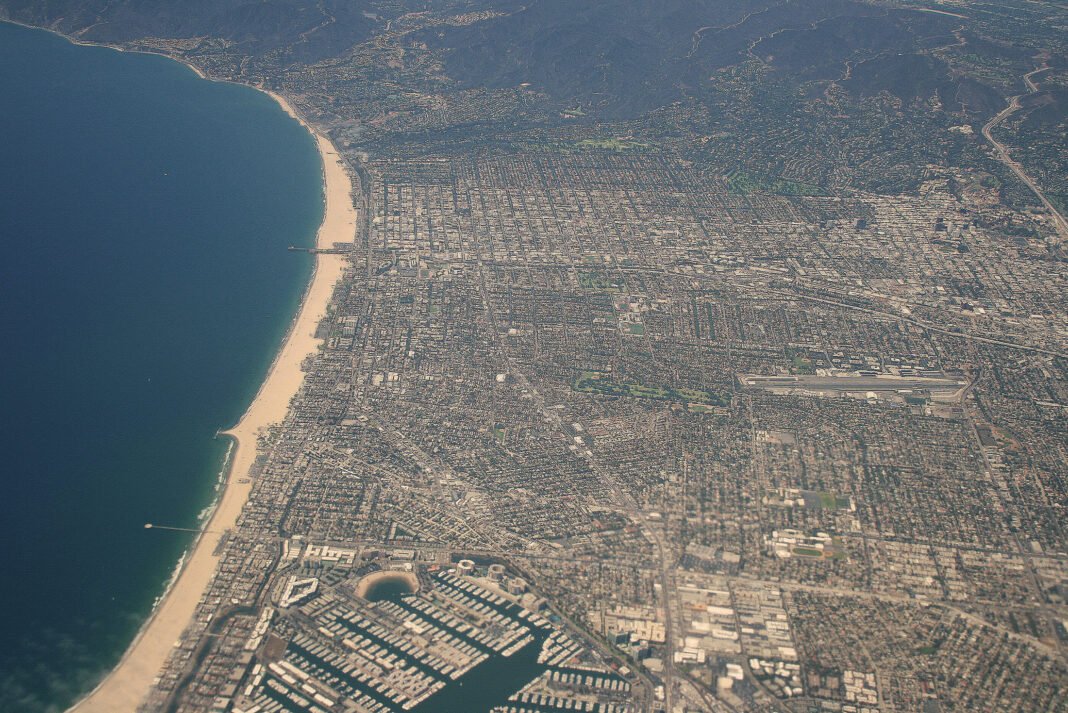
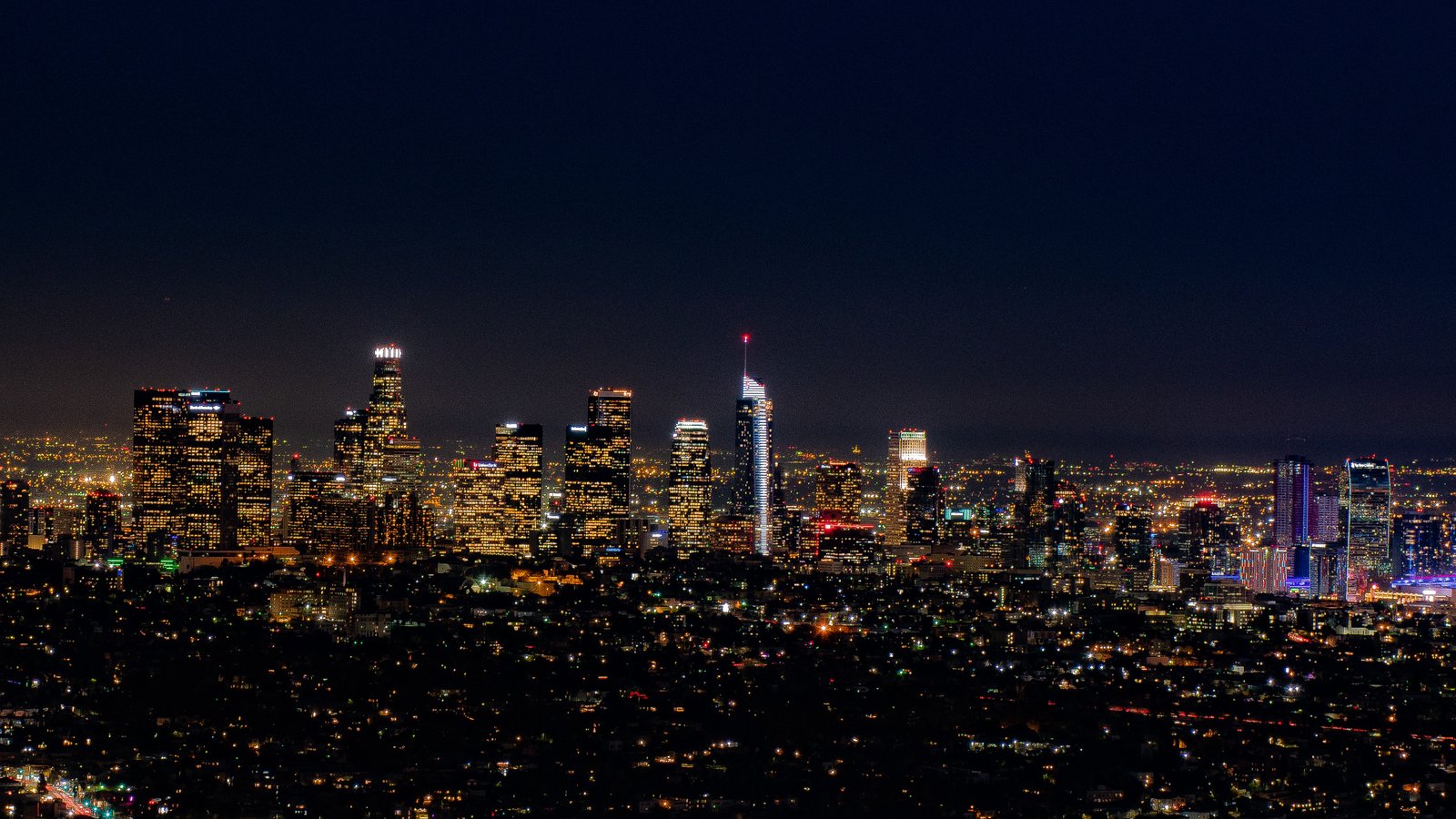
Los Angeles is one of those cities people think they understand before they ever arrive. The Hollywood sign, Venice Beach, In-N-Out Burger, Beverly Hills, Disneyland — most visitors carry a mental image of LA assembled from movies and television. That image isn’t wrong, but it skips the part that actually makes the city interesting: the patchwork of sharply distinct neighborhoods, the cultural diversity that runs deeper here than almost anywhere in the country, a restless arts scene, and the corners most tourists never reach.
Beyond the Tourist Trail
Griffith Observatory and the Hollywood Hills
Everyone knows the Hollywood sign, and most tourists settle for photographing it from a distance. Hike up to the observatory instead. The views of the Los Angeles Basin from the lawn in front of the Griffith Observatory are genuinely worth the climb, and they cost nothing. The building itself holds excellent free exhibits on astronomy and the cosmos. From there, trails run through the chaparral of Griffith Park — at 4,310 acres, the largest municipal park with urban wilderness in the United States — where you can still spot deer and the occasional coyote.
The Bradbury Building
Downtown LA is badly underexplored by visitors, and the Bradbury Building is its showpiece. Built in 1893, the five-story Victorian office block opens into an atrium of cast-iron railings, glazed brick, open-cage elevators, and a skylight that floods the interior with afternoon light. You may recognize it from Blade Runner, or from any of the dozens of films shot inside. The lobby is open to the public during business hours at no charge — casual visitors can go as far as the first landing — and it is one of the most photogenic spaces in the city.
The Getty Villa in Malibu
Most people head straight for the Getty Center in Brentwood, but the Getty Villa in Malibu is the quieter, stranger pleasure. Modeled on the Villa dei Papiri — a Roman country house outside Herculaneum that was buried by Vesuvius in 79 CE — it houses one of the world’s finest collections of ancient Greek, Roman, and Etruscan art. Set among formal gardens with the Pacific glinting in the distance, it is one of the more surreal museum experiences in the country. Admission is free, but you have to reserve a timed parking pass ahead of your visit.
Silver Lake and Los Feliz
While tourists crowd the boardwalk in Venice, Angelenos spend their weekend mornings circling the Silver Lake Reservoir or drifting between the independent boutiques and coffee shops of Silver Lake and Los Feliz. These are creative, walkable neighborhoods with strong restaurants, live-music rooms, good bookshops, and a real sense of community. The stretch of Sunset Boulevard running through Silver Lake is one of the best restaurant strips in the city.
Grand Central Market
Open since 1917, Grand Central Market in downtown LA has aged alongside the city without losing its character. Today it pairs old-school stalls — Mexican counters, produce stands, pupusas — with newer vendors slinging excellent ramen, Korean tacos, and craft coffee. It is a true cross-section of a city that takes pride in its diversity, and almost everything is priced to share. Come hungry and graze your way down the aisles.
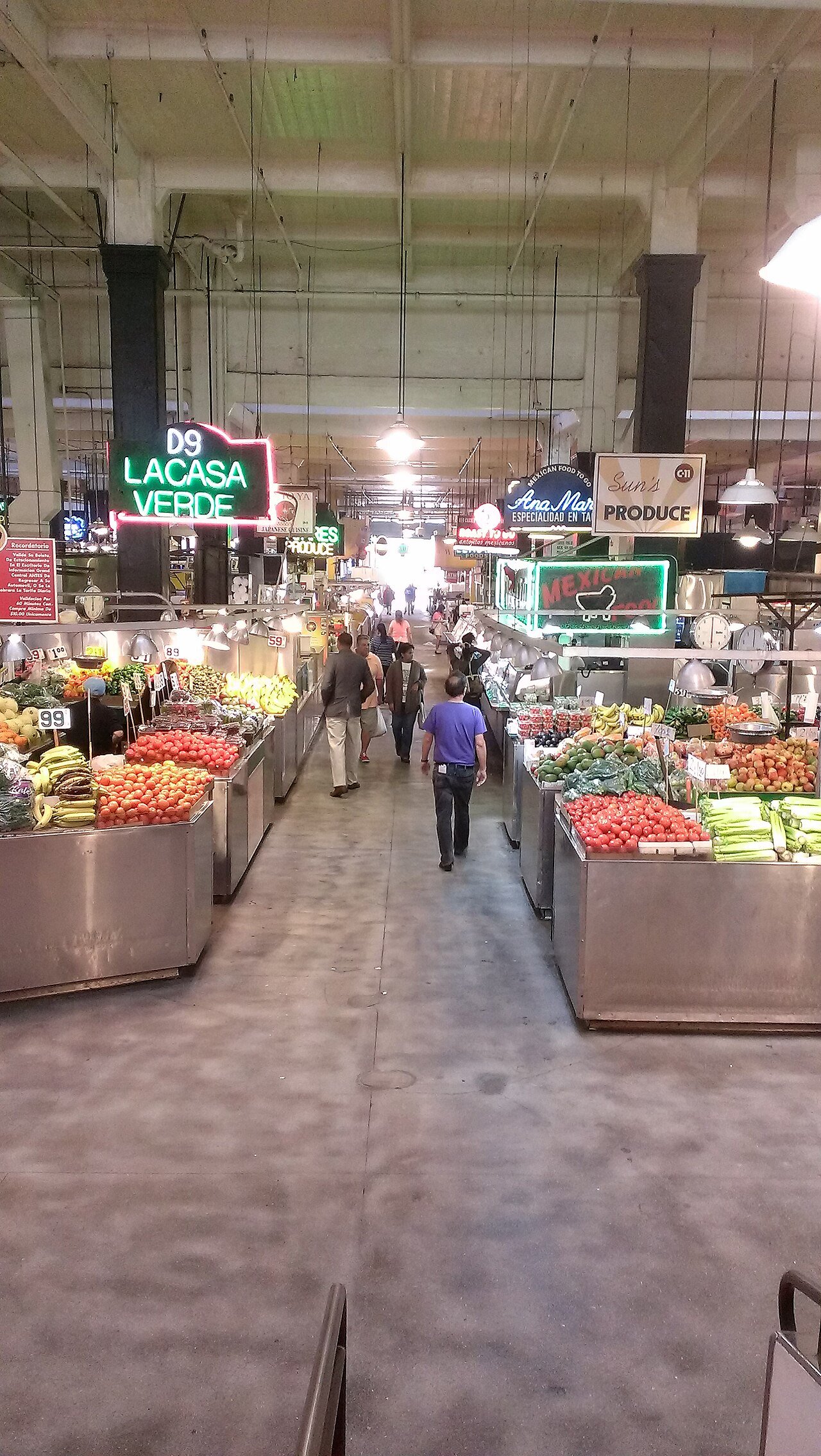
Watts Towers
The Watts Towers are one of the great folk-art monuments of the 20th century — 17 interconnected structures rising as high as 99 feet, built by hand by one man, Sabato “Simon” Rodia, between 1921 and 1954. Rodia worked with no scaffold, no bolts, and no welds, shaping the towers from steel rods, wire mesh, and mortar studded with tens of thousands of pieces of broken pottery, glass, seashells, and ceramic tile. They stand in the Watts neighborhood, well south of the usual tourist loop and worth every mile of the drive.
Best Food Experiences in LA
Los Angeles runs one of the most exciting food scenes in the world, powered by its sheer ethnic range and a habit of constant reinvention. A few experiences are essential:
- Tacos at night: The best tacos in LA come from the trucks and stands that appear after midnight. Tacos Gavilan, the homegrown taqueria with locations across South LA, is a reliable classic, and the row of trucks along Olympic Boulevard in East LA is another standout.
- Korean BBQ in Koreatown: Koreatown is one of the densest, liveliest ethnic neighborhoods in the city. A Korean BBQ dinner at Park’s BBQ or Haneuem is a full event — grill your own meat at the table and work through every side dish (banchan) they bring out.
- Thai food in Thai Town: Hollywood’s Thai Town, centered on Hollywood Boulevard between Normandie and Western, has terrific authentic kitchens serving dishes you simply won’t find at most American Thai restaurants.
- Ramen in Little Tokyo: Downtown’s Little Tokyo turns out some of the best ramen outside Japan, plus first-rate sushi, tempura, and Japanese grocery snacks at Marukai.
Getting Around Los Angeles
LA’s reputation as a car-dependent city is mostly earned, but it’s more walkable than people expect within any single neighborhood, and the Metro rail network has improved sharply over the past decade. The Metro K Line connects Expo/Crenshaw to LAX — by way of the LAX/Metro Transit Center, which opened in June 2025 — before continuing to Redondo Beach, while the E Line runs from downtown out to Santa Monica. The base fare is $1.75, capped at $5 a day and $18 a week through the TAP card. For stitching together several neighborhoods in a day, though, a rental car or rideshare is usually the most practical call.
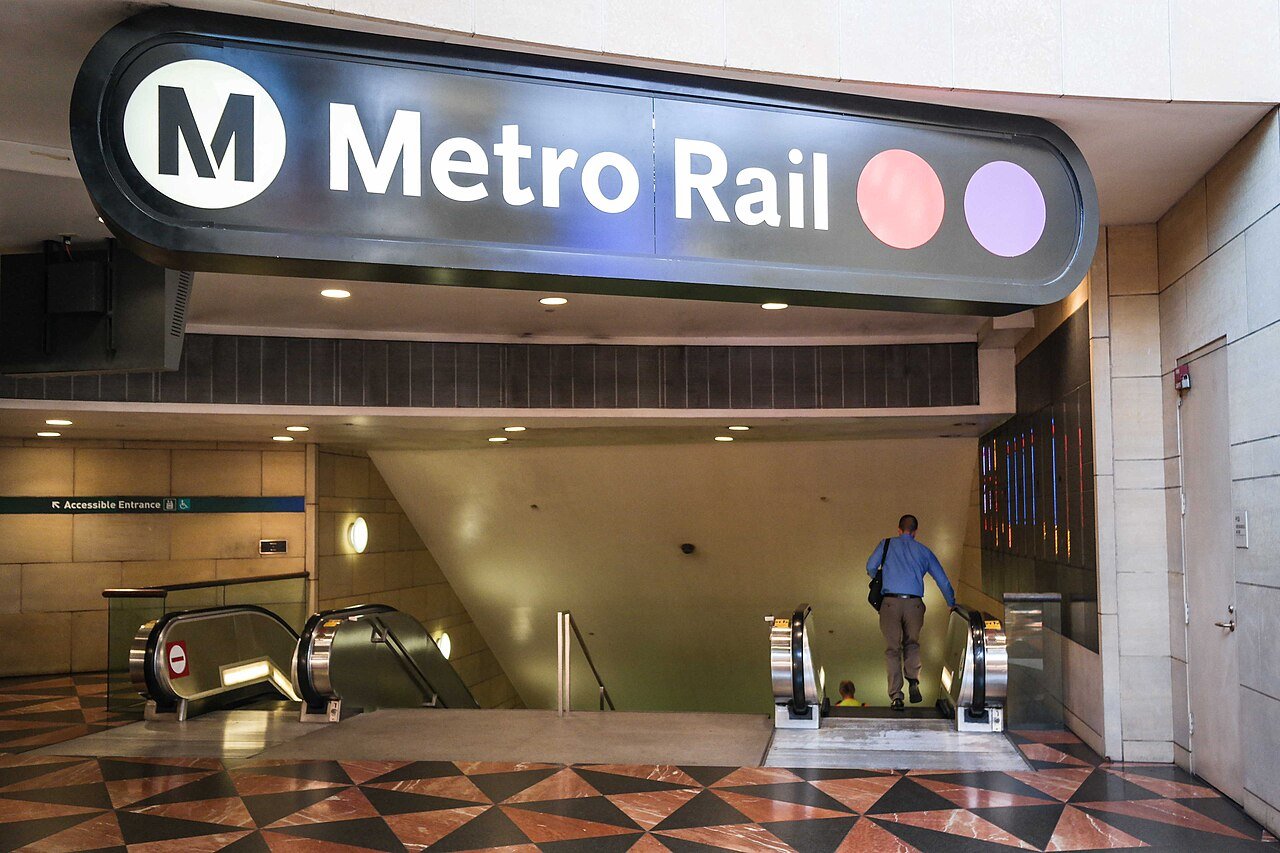
The single best way to know LA at street level is to pick a neighborhood, arrive with no plan, and walk: stumble into a coffee shop, wander into a bookstore, find a taco truck, sit in a park. Few cities reward spontaneity this generously.
Day Trips from Los Angeles
LA makes an excellent base for day trips across Southern California. Santa Barbara (90 miles north) is a handsome Spanish Colonial city fronting the wine country of the Santa Ynez Valley. Joshua Tree National Park (130 miles east) turns otherworldly after dark, when the desert sky fills with stars. Big Bear Lake (100 miles east) offers hiking and winter skiing in the San Bernardino Mountains. And San Diego (120 miles south) has Balboa Park, broad beaches, and the world-famous San Diego Zoo.
Frequently Asked Questions
What are the best local neighborhoods to explore in Los Angeles?
Los Angeles rewards anyone willing to leave the tourist trail. Silver Lake and Los Feliz — where Angelenos spend weekend mornings circling the reservoir or browsing independent boutiques and coffee shops — are genuinely creative neighborhoods with strong restaurants, live music, and a real sense of community. The Arts District in downtown LA has turned former industrial buildings into galleries, breweries, and some of the best ramen rooms in the city. Eagle Rock and Highland Park (northeast of downtown) are the city’s most affordable creative pockets, with a deep independent restaurant and music scene. Leimert Park is the cultural heart of Black Los Angeles, home to jazz clubs, galleries, and the landmark Vision Theatre.
What are LA’s best lesser-known museums and cultural attractions?
The Getty Villa in Malibu — modeled on the Villa dei Papiri, a Roman house buried by Vesuvius in 79 CE — houses one of the world’s finest collections of ancient Greek, Roman, and Etruscan art, set among formal gardens with Pacific Ocean views. Admission is free (advance parking reservation required). The Bradbury Building in downtown LA (1893) is one of America’s most remarkable Victorian interiors — its atrium of cast-iron railings, open-cage elevators, and skylight is free to enter during business hours, and you may know it from Blade Runner. The Museum of Jurassic Technology in Culver City defies categorization; the Hammer Museum in Westwood offers free contemporary-art exhibitions; and the Museum of Tolerance in West LA delivers a powerful educational experience.
What are the best food experiences in Los Angeles?
Los Angeles runs one of the most exciting food scenes in the world, powered by its sheer ethnic range. The best tacos come from trucks and stands that appear after midnight — Tacos Gavilan, with locations across South LA, is a reliable classic, and the row of trucks on Olympic Boulevard in East LA is another. Koreatown serves some of the best Korean BBQ in North America: Park’s BBQ and Haneuem are the standards for grill-your-own tabletop feasts with extensive banchan. Thai Town (Hollywood Boulevard between Normandie and Western) plates dishes unavailable at most American Thai restaurants. Little Tokyo (downtown) has exceptional ramen, sushi, and Japanese grocery options. Grand Central Market (downtown, open since 1917) mixes old-school stalls with contemporary vendors for the city’s most democratic meal.
What are the best hiking and outdoor experiences in and around LA?
Griffith Park (4,310 acres) is the largest municipal park with urban wilderness in the United States — chaparral trails from the Griffith Observatory open onto views of the entire Los Angeles Basin, with frequent deer and coyote sightings. The Hollywood Sign hike via Mount Lee (4.8 miles round trip) and the Solstice Canyon trail in the Santa Monica Mountains (Malibu) are two of the finest short hikes within an hour of downtown. The Santa Monica Mountains National Recreation Area preserves roughly 150,000 acres of chaparral and oak woodland above Malibu — its Backbone Trail (67 miles) traverses the entire range from Will Rogers State Park to Point Mugu. Point Dume State Beach in Malibu offers tide pools, whale watching (December–April), and one of the finest coastal walks in Southern California.
How do you get around Los Angeles and what should visitors know practically?
LA’s reputation as completely car-dependent is largely accurate, but individual neighborhoods are very walkable, and the Metro rail system links many key destinations. The Metro E Line runs from downtown to Santa Monica; the B Line (Red) connects Union Station to Hollywood and North Hollywood. The base fare is $1.75, capped at $5 per day and $18 per week with a TAP card. For visiting multiple neighborhoods, a rental car or rideshare is most practical — though traffic on the 405, 101, and 10 freeways during rush hours (7–9 AM and 4–7 PM) can be brutal. Parking at most attractions and beaches runs $10–$25. The best-value lodging is usually in Koreatown or Los Feliz — cheaper than Santa Monica or West Hollywood, with solid Metro access. LA’s climate is mild year-round; June Gloom (coastal morning fog in June and July) surprises many visitors expecting wall-to-wall sunshine.