


Best Cities to Live in California in 2026: Where to Plant Your Roots
California’s options span a remarkable range — from global metropolises to small university towns, from surf-culture beach cities to Silicon Valley tech hubs to Central Valley agricultural centers. Finding the right fit means aligning your priorities with what each city actually offers, because the trade-offs between cost, opportunity, outdoor access, culture, and community feel run deep across the state’s varied geography.
1. San Diego — Climate + Quality of Life = Hard to Beat
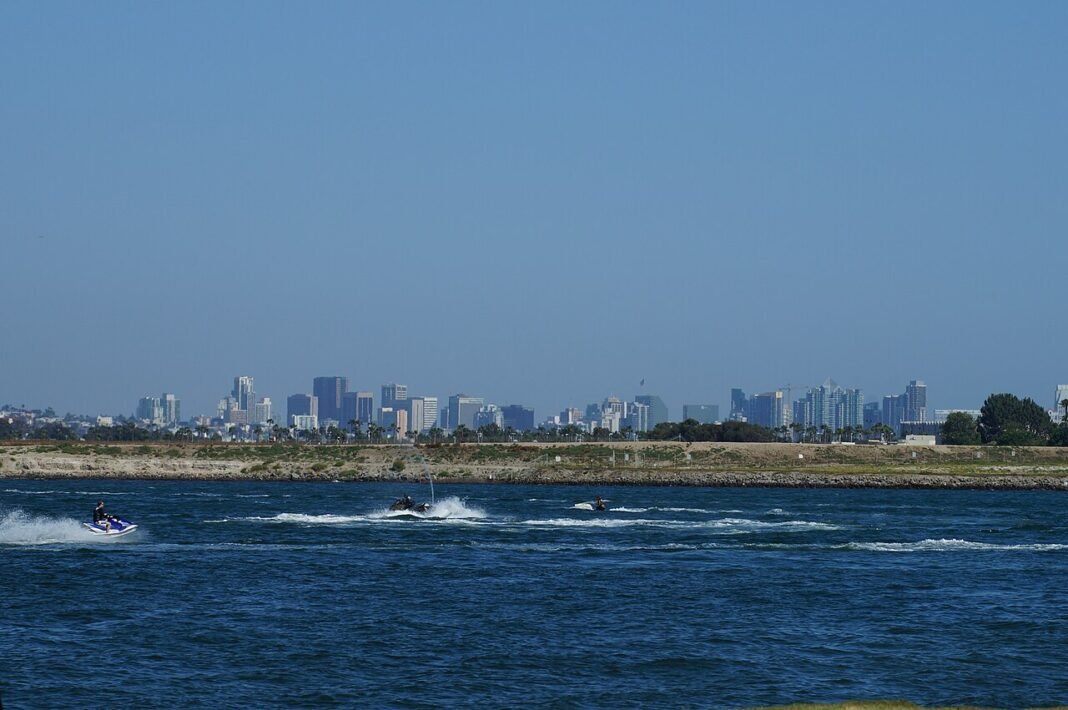
San Diego consistently shows up on “best city to live in California” lists for reasons that are straightforward: the weather is the best of any major American city (average temperatures roughly 57°F in winter to 78°F in late summer, with around 267 sunny days a year), the beaches are excellent, the craft beer scene is nationally recognized, the job market in biotech, defense, and technology is strong and growing, and the proximity to Mexico (Tijuana sits 20 miles south) adds a dimension of cultural and culinary richness that few US cities can match.

San Diego’s neighborhoods each have distinct characters. La Jolla — technically part of San Diego — is the most affluent and scenically dramatic, with seacliff views, world-class diving at La Jolla Cove, and the Salk Institute and Scripps Research driving an elite biomedical research community. North Park and South Park are San Diego’s hipster-artisan neighborhoods with dense restaurant and bar scenes. Mission Hills and Hillcrest offer walkable living with Victorian architecture. Ocean Beach holds on to a surf-town character that feels remarkably preserved given the city’s growth.

The trade-off is cost: San Diego median home prices in the $900,000–$1 million range are high by any standard, and the rental market is tight. But relative to San Francisco and Los Angeles, San Diego offers more livable conditions per dollar — less traffic, more beach access, a smaller-city feel despite a metro population around 3.3 million.
2. Sacramento — California’s Undervalued Capital
Sacramento has been California’s biggest beneficiary of the remote-work migration wave. The combination of real cultural infrastructure (the Crocker Art Museum, a revitalized midtown with genuine walkability, a farm-to-fork food scene that has earned national attention), housing prices far below the Bay Area (median around $500,000), and proximity to both the Sierra Nevada (about 2 hours to Tahoe, roughly 3 to Yosemite) and the Bay Area (90 minutes) makes Sacramento the rational pick for many California families who have run the numbers.

The city’s economy has diversified beyond state-government employment over the past decade. The Golden 1 Center NBA arena (home of the Sacramento Kings), the Republic Stadium under construction at the Railyards for USL Championship side Sacramento Republic FC, and the deliberate cultivation of a tech and startup ecosystem have created momentum that is drawing younger residents and employers in ways the city hadn’t seen in previous decades.
3. San Francisco — Worth It If You Can Afford It
San Francisco is close to incomparable as a city — the density of innovation, cultural output, culinary excellence, and physical beauty packed into a roughly 49-square-mile footprint stands out by world standards. The challenge is purely financial: the city’s housing crisis has made it inaccessible at middle-income levels, and the combination of high rents, high taxes, and the city’s homelessness and public-safety problems has driven a notable outmigration over the past five years.
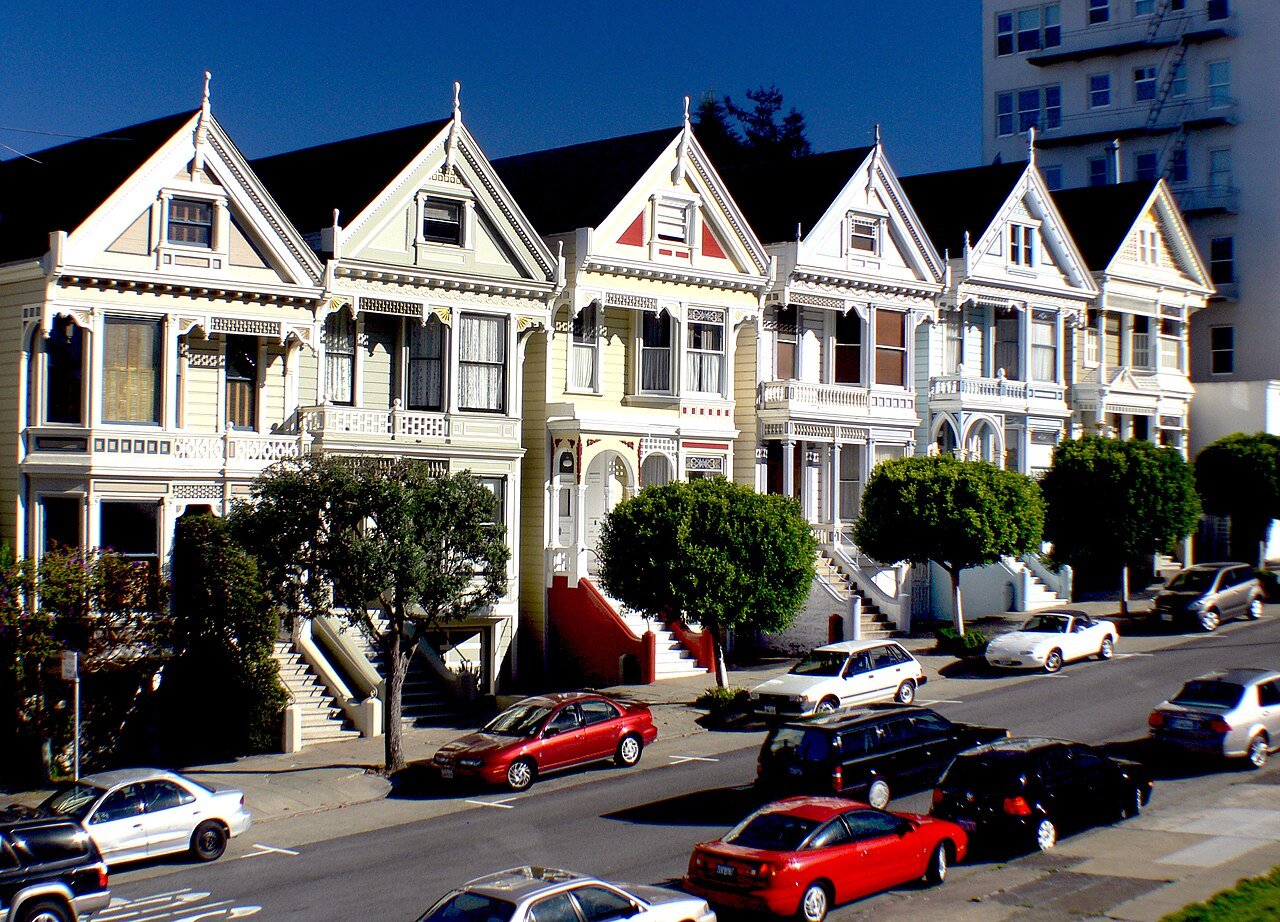
For people whose income is commensurate with San Francisco’s costs — tech workers at major companies, senior financial professionals, physicians and attorneys at the top of their fields — the city still offers a quality of life that pairs world-class urban amenities with immediate access to the Marin Headlands, Point Reyes National Seashore, and the Sierra Nevada. The question is purely whether you can afford to be there.
4. Oakland — San Francisco’s More Accessible Neighbor
Oakland is the Bay Area city with the strongest street-level identity and, increasingly, the best value relative to San Francisco. Median home prices (roughly $750,000–$900,000) sit below San Francisco, the BART connection makes the commute to downtown SF reliable, and Oakland’s arts scene — anchored by the Fox Theater, the Oakland Museum of California, and a dining culture that has drawn national James Beard nominations for over a decade — offers big-city quality at a San Francisco discount.

Temescal and Rockridge rank among the most desirable neighborhoods in the Bay Area: walkable, dense with good restaurants and independent businesses, holding on to the kind of community feel San Francisco has been losing as its demographics shift upmarket. The Grand Lake district around Lake Merritt offers one of the finest city-park settings in the state.
5. Santa Barbara — The American Riviera
Santa Barbara’s self-designation as the “American Riviera” is more earned than boastful — its combination of Spanish Colonial Revival architecture (embraced in the rebuilding after a 1925 earthquake leveled much of the original downtown), Mediterranean climate, mountain-to-sea landscape, and wine country immediately to the north creates a setting that genuinely recalls southern France or northern Italy.

Housing costs are elevated even by California standards (around $2 million median for single-family homes in early 2026), but Santa Barbara’s combination of the University of California campus, a technology sector that has grown around UCSB’s strong research programs, and an agricultural economy anchored by the Santa Ynez Valley wine industry provides a more diverse economic base than most California cities of its size (population around 87,000).
6. Pasadena — LA’s Most Livable Neighborhood-City
Pasadena occupies an unusual and appealing position within the Los Angeles metro: independent enough to have a real civic identity (Caltech, the Rose Bowl, Old Town Pasadena’s walkable commercial district), close enough to LA’s job market and cultural infrastructure to benefit from it without being consumed by it. The San Gabriel Mountains rise directly behind the city, providing hiking access within 20 minutes of downtown. Housing is expensive (around $1.2–$1.3 million median in desirable neighborhoods) but justified by school quality, walkability, and Pasadena’s distinctive feel.

Making Your Decision
Choosing where to live in California in 2026 comes down to honestly matching your priorities with what each city and community actually delivers. Budget, career opportunities, access to outdoor recreation, climate preferences, and community character all weigh differently depending on your life stage and values — and no ranking can substitute for that personal assessment. The cities profiled in this guide represent the strongest overall options, but California in 2026 also has smaller communities that offer compelling alternatives for those willing to trade urban convenience for affordability, quieter living, or closer access to natural landscapes. If you can swing it, spend at least a long weekend in your shortlisted communities before committing — the practical factors matter enormously, but so does the less quantifiable sense of whether a place simply feels right for where you are in life.
Frequently Asked Questions
Why is San Diego consistently rated one of the best California cities to live in?
San Diego’s appeal is largely straightforward: the weather is the best of any major American city (average temperatures from about 57°F in winter to 78°F in late summer, with roughly 267 sunny days a year), the beaches are excellent, and the job market in biotech, defense, and technology is strong and growing. La Jolla — technically part of San Diego — is the most affluent and scenically dramatic neighborhood, with seacliff views, world-class diving at La Jolla Cove, and the Salk Institute and Scripps Research driving an elite biomedical research community. North Park and South Park are the city’s hipster-artisan neighborhoods with dense restaurant and bar scenes. The proximity to Mexico (Tijuana is 20 miles south) adds cultural and culinary richness that few US cities can match. Median home prices in the $900,000–$1 million range are high, but relative to San Francisco and Los Angeles, San Diego offers more livable conditions per dollar — less traffic, more beach access, and a smaller-city feel despite a metro population around 3.3 million.
What makes Sacramento the most significant California city for remote workers?
Sacramento has been California’s biggest beneficiary of the remote-work migration wave. The combination of real cultural infrastructure (the Crocker Art Museum, a revitalized midtown with genuine walkability, a farm-to-fork food scene with national attention), housing prices far below the Bay Area (median around $500,000), and a strong geographic position — 90 minutes to San Francisco, about 2 hours to Lake Tahoe, roughly 3 hours to Yosemite — makes Sacramento the rational choice for many California families who have run the numbers. The city’s economy has diversified beyond state-government employment, with the Golden 1 Center NBA arena (home of the Sacramento Kings), the Republic Stadium under construction at the Railyards for USL Championship side Sacramento Republic FC, and a deliberate cultivation of a tech and startup ecosystem creating momentum that is drawing younger residents and employers in ways not seen in previous decades. Farm-to-fork dining built around the Central Valley’s agricultural productivity has become a defining part of Sacramento’s culinary identity.
What does Oakland offer compared to San Francisco?
Oakland is the Bay Area city with the strongest urban character and, increasingly, the best value relative to San Francisco. Median home prices (roughly $750,000–$900,000) are lower than San Francisco, and BART provides a reliable train connection to downtown San Francisco. The city’s cultural scene — anchored by the Fox Theater, the Oakland Museum of California, and a restaurant scene generating national James Beard nominations for over a decade — offers real urban quality at a San Francisco discount. The Temescal and Rockridge neighborhoods are among the most desirable urban neighborhoods in the Bay Area: walkable, dense with good restaurants and independent businesses, and with community character that San Francisco has been losing as its demographics shift upmarket. The Grand Lake neighborhood around Lake Merritt provides one of the best urban park experiences in California. Oakland’s port and logistics economy complements the tech sector and provides blue-collar employment diversity rare in Bay Area cities.
What do Santa Barbara and Pasadena offer as California cities?
Santa Barbara earns its “American Riviera” billing — the city’s Spanish Colonial Revival architecture (adopted in the rebuilding after a 1925 earthquake leveled much of the downtown), Mediterranean climate, mountain-to-sea landscape, and proximity to the Santa Ynez Valley wine country create a setting that recalls southern France or northern Italy. The University of California Santa Barbara campus and a technology sector grown around UCSB’s research programs provide more economic diversity than most California cities of its size (population around 87,000). Housing costs are elevated even by California standards (around $2 million median for single-family homes in early 2026). Pasadena occupies an unusual and appealing position within the Los Angeles metro — independent enough for a real civic identity (Caltech, the Rose Bowl, Old Town Pasadena’s walkable commercial district) while close enough to LA’s job market to benefit from it. The San Gabriel Mountains rise directly behind the city, providing hiking access within 20 minutes of downtown. Median home prices in desirable Pasadena neighborhoods run roughly $1.2–$1.3 million.
Is San Francisco still worth living in despite its challenges?
San Francisco remains close to incomparable as a city — the density of innovation, cultural output, culinary excellence, and physical beauty packed into a roughly 49-square-mile footprint stands out by world standards. The challenge is purely financial: the city’s housing crisis has made it inaccessible at middle-income levels, and the combination of high rents, high taxes, and the city’s homelessness and public-safety problems has driven notable outmigration over the past five years. For people whose income is commensurate with San Francisco’s costs — tech workers at major companies, senior financial professionals, physicians and attorneys at the top of their fields — the city offers a quality of life combining world-class urban amenities with immediate access to the Marin Headlands, Point Reyes National Seashore, and the Sierra Nevada. The San Francisco Bay Area as a whole — including Oakland, Berkeley, and the South Bay — remains the most concentrated technology economy on Earth, with salary levels that can make even San Francisco’s housing costs manageable for high earners.