Moving to South Australia in 2026: Complete Relocation Guide
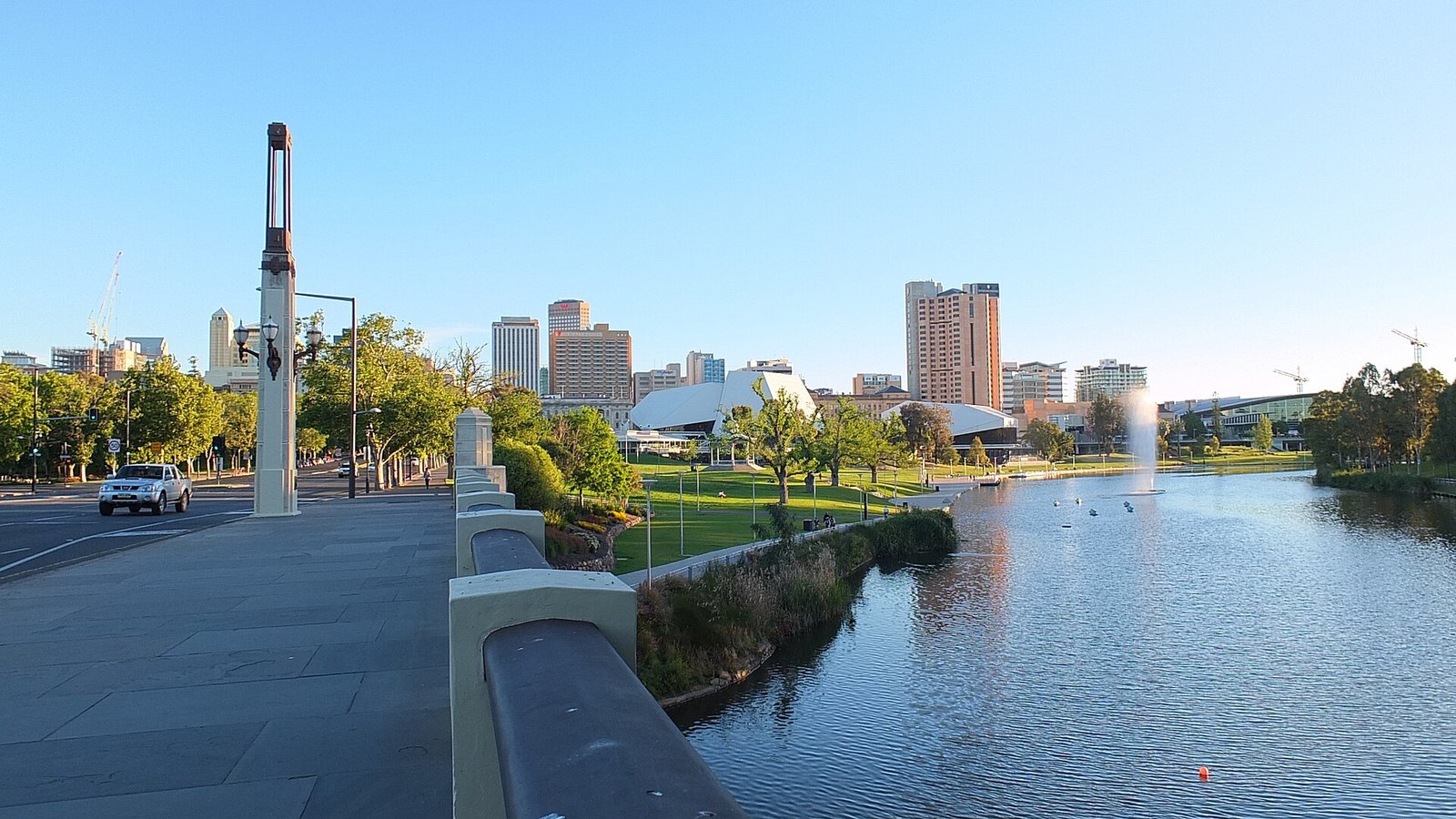
Moving to South Australia remains one of the more financially rational relocation decisions open to Australian households. Adelaide’s median dwelling value sits around AUD $945,000 — still meaningfully below Sydney, though several years of strong growth have narrowed the gap with Melbourne and Brisbane. Set that alongside reliable public services, well-regarded universities and hospitals, and a lifestyle built around wine country, beaches, and a packed arts-festival calendar, and the value case becomes clear for anyone with some income flexibility. The practical side follows the standard Australian interstate framework, with a handful of South Australia-specific steps for vehicle registration, licensing, and the Service SA network that handles most government transactions. The biggest cultural adjustment for arrivals from Sydney or Melbourne is Adelaide’s gentler pace: a capital that runs efficiently without the intensity of the bigger cities, where the dinner reservation queue is shorter and the commute is genuinely manageable.
Driver’s Licence and Vehicle Registration
- Interstate transfers: new South Australian residents must transfer to a South Australian licence within 3 months of establishing residency
- Service SA: the state government’s combined service network handles licences, registration, and most government transactions; Service SA centres operate throughout Adelaide and regional SA, with online options at mySA GOV
- Required documents: existing Australian licence, proof of South Australian address (utility bill, lease, or rates notice), and identity documentation if the licence type is changing
- Knowledge test: not needed for Australian interstate licence holders; overseas licence holders sit a test after 3 months
- Vehicle registration: interstate vehicles must be registered in South Australia within 3 months; a safety check may apply, and Compulsory Third Party (CTP) insurance is bundled with the registration fee
- Road rules note: South Australia’s road rules broadly match the national standard; the requirement to give way to buses re-entering traffic catches out some drivers arriving from Victoria and NSW
The South Australian Job Market
The state’s economy has broadened well beyond the car-making era that ended in 2017, and Adelaide anchors most of South Australia’s employment. The largest single anchor is the shipbuilding and construction program at the Osborne shipyard northwest of the city — one of the largest industrial projects in the country, expected to sustain several thousand direct jobs across boilermaking, welding, fabrication, engineering, and project management over the coming decades. Around it sit the sectors that now carry the state:
- Health care and social assistance: the largest employing sector, supported by major teaching hospitals and an ageing population
- Education and training: built around Adelaide University — formed in January 2026 from the merger of the University of Adelaide and UniSA — alongside Flinders University, and a steady international-student intake
- Advanced manufacturing and engineering: the Osborne shipbuilding program plus a supply chain of small and mid-sized engineering firms; space technology has clustered around the Australian Space Agency, headquartered at Lot Fourteen in the Adelaide CBD
- Food, wine, and agriculture: processing and viticulture remain central across regional SA, from the Riverland to the Limestone Coast
- Skilled migration: state-nominated pathways target occupations on South Australia’s skills lists, so it is worth checking the current list before relocating
_female_with_joey_Kangaroo_Island.jpg?width=1200)
The Wine Regions: Lifestyle Access from Adelaide
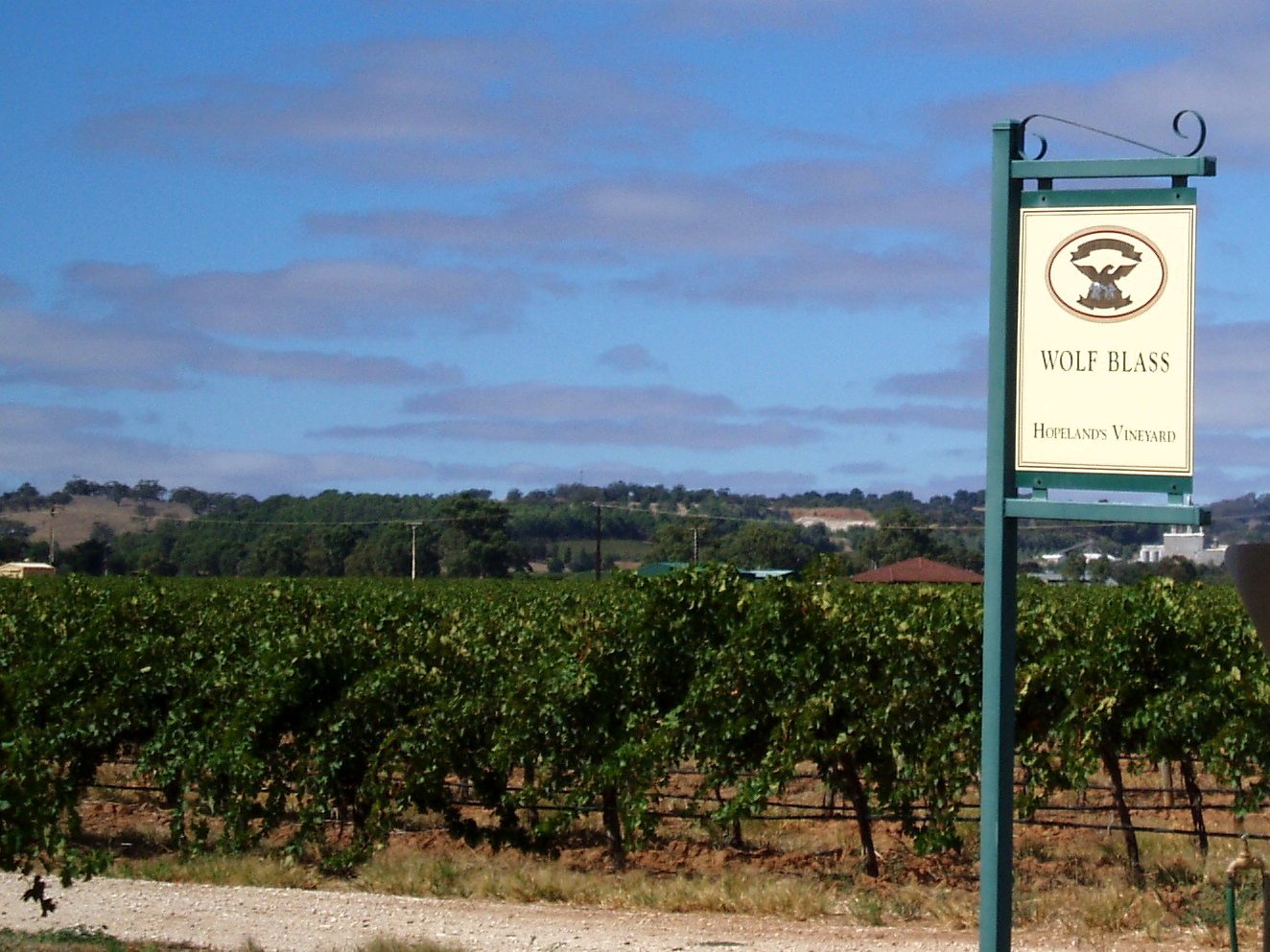
For households relocating to Adelaide, having several world-class wine regions within easy reach is a quality-of-life benefit most residents undervalue until they live with it:
- Barossa Valley: about 70km northeast, an hour by car; cellar doors, producer visits, and the Barossa Farmers Market (Saturday mornings at Angaston) all fit into a comfortable day trip
- McLaren Vale: 40km south, roughly 40 minutes; 100-plus wineries on the Fleurieu Peninsula, and the Willunga Farmers’ Market (Saturday) is widely rated South Australia’s finest regional market
- Adelaide Hills: 20km east, 20–35 minutes; cool-climate whites and sparkling wines in an English-landscape setting, with summer temperatures 5–8°C below the Adelaide plains
- Clare Valley: about 140km north, roughly 90 minutes; Australia’s finest Riesling, linked by the Riesling Trail cycling path; less visited than the Barossa but critically acclaimed
- Coonawarra and Wrattonbully: 4–4.5 hours southeast, a weekend destination; Australia’s most significant Cabernet Sauvignon country on terra rossa limestone soils
Healthcare: South Australia’s Hospital System
Public hospitals run through SA Health, with the Adelaide health precinct providing the tertiary and specialist backbone — the Royal Adelaide Hospital, the Women’s and Children’s Hospital, and Flinders Medical Centre between them cover most major specialties:
- Royal Adelaide Hospital: SA Health’s flagship, opened in its current North Terrace building in 2017 at a cost of about AUD $2.4 billion; around 800 beds and all major specialties, on the western edge of the Adelaide CBD
- Women’s and Children’s Hospital (WCH): a dedicated paediatric and maternity facility in North Adelaide, with comprehensive obstetric and children’s services
- Flinders Medical Centre (Bedford Park): the southern suburbs’ major teaching hospital and trauma centre, affiliated with Flinders University
- Regional access: Mount Gambier, Port Augusta, and Whyalla anchor regional services; remote-area patients reach specialists through referral to Adelaide, telehealth, or the Royal Flying Doctor Service
Schools and Education in South Australia
The state’s school system is run by the Department for Education, with school-zone policies setting enrolment priority for government schools:
- Enrolment: apply through the SA Department for Education; out-of-zone places go through a managed placement process, and proof of address is required
- SACE (South Australian Certificate of Education): the Year 11–12 credential; the ATAR derived from SACE assessment is used for university entry, with the state’s two universities the main destinations for SA graduates
- Academic selection: South Australia does not run state-wide selective government schools, though some independent and Catholic schools select on academic merit
- Independent schools: Adelaide’s established independents (St Peter’s College, Scotch College, St Aloysius College, Wilderness School) charge fees of roughly AUD $20,000–$35,000-plus a year, and sought-after schools keep waiting lists
Transport and Getting Around South Australia
Adelaide Metro runs the city’s public transport — buses, trains, and the Glenelg tram on a single Metrocard system, with free travel inside the CBD’s free tram zone (the city-centre loop costs nothing for every passenger). A monthly commuter pass runs roughly AUD $100–$130, though households in the middle and outer suburbs tend to keep a car where service frequency drops below the inner-city corridors. Regional South Australia is car-dependent; the highways to the Barossa (an hour), McLaren Vale (40 minutes), and the Fleurieu Peninsula are straightforward driving.
Frequently Asked Questions
What are the driver’s licence and vehicle registration requirements when moving to South Australia?
New South Australian residents must transfer an interstate licence to a South Australian licence within 3 months of establishing SA residency. Service SA handles both driver licences and vehicle registrations, with transactions completed at Service SA centres or through the mySAGOV online portal. Bring your interstate licence, proof of identity, and proof of SA address (a utility bill, lease, or bank statement). No knowledge test applies to Australian interstate licence holders; overseas licence holders must pass a knowledge test after 3 months. Vehicles registered interstate must be transferred to SA registration within the same 3-month window, and older vehicles may need an inspection. South Australia bundles Compulsory Third Party (CTP) insurance with the registration fee, which is calculated on the vehicle’s cylinder capacity and weight.
What does the South Australian job market look like for people relocating in 2026?
South Australia’s economy has broadened well beyond its traditional manufacturing base, and Adelaide anchors most of the state’s employment. Health care and social assistance is the largest employing sector, supported by major hospitals and an ageing population. Education and training is a second pillar, built around Adelaide University — the January 2026 merger of the University of Adelaide and UniSA — and Flinders University, with a steady international-student intake. Advanced manufacturing, food and wine processing, space technology and engineering, renewable energy, and professional services round out the mix, while agriculture and viticulture remain important across regional SA. Adelaide’s lower living costs relative to Sydney and Melbourne, shorter commutes, and a growing technology and start-up scene around Lot Fourteen have made the state an option for skilled workers weighing a move from the eastern capitals. State-nominated skilled migration pathways also target occupations on South Australia’s skills lists, so checking the current list before relocating is worthwhile.
How does South Australia’s wine region lifestyle work for new residents?
South Australia produces roughly half of Australia’s wine by volume, and the regions sit within day-trip or weekend reach of Adelaide. The Barossa Valley, about an hour north, is the best-known, home to some of the world’s oldest Shiraz vines and producers including Penfolds, Seppeltsfield, and Henschke. The Clare Valley, about 90 minutes north, is known for Riesling; McLaren Vale, 40 minutes south, leans into Mediterranean varieties; and the Coonawarra, in the state’s southeast, is Australia’s premier Cabernet Sauvignon district. Closer to the city, the Adelaide Hills offer a cooler-climate wine and food scene 30 minutes from the CBD. For households that value easy access to good wine and produce, the combination of strong local producers, open cellar doors, and competitive prices is a real draw — a premium Barossa Shiraz bought at the cellar door often costs a fraction of its Sydney or Melbourne retail price.
What is South Australia’s hospital and healthcare system?
South Australia’s public hospital system runs through SA Health, with the Central Adelaide Local Health Network and several regional networks managing the state’s hospitals. The Royal Adelaide Hospital (RAH), which opened in 2017 at a cost of about AUD $2.4 billion, is the state’s flagship tertiary referral and trauma centre on North Terrace in the Adelaide CBD. Flinders Medical Centre in Bedford Park is the second major tertiary hospital, run by the Southern Adelaide Local Health Network, and the Women’s and Children’s Hospital in North Adelaide provides specialist paediatric and women’s services. Medicare applies as Australia’s national health cover, with enrolment and address changes handled through Services Australia or myGov. Private cover is available from Bupa, HCF, Medibank, and HBF. In the northern suburbs, the Lyell McEwin Hospital in Elizabeth Vale and Modbury Hospital serve local communities, while a network of country hospitals and the Royal Flying Doctor Service support remote and regional SA.
What makes Adelaide’s housing market and lifestyle distinctive for new residents?
Adelaide has long been one of Australia’s more accessible capital-city housing markets — median house prices remain below Sydney, and the city is widely regarded as one of the easier capitals for first-home buyers, though strong recent growth has narrowed the gap with the eastern capitals. The “20-minute city” concept, a planning target to keep most residents within 20 minutes of education, work, healthcare, and open space, shapes how the city manages growth. On the cultural side, WOMADelaide (the World Music, Arts and Dance Festival) and the Adelaide Festival and Adelaide Fringe run across February and March, giving the city the largest arts-festival season in the Southern Hemisphere. The Adelaide Central Market, trading since 1869, is Australia’s largest undercover market and the centre of the city’s food culture. The coastline runs from Semaphore in the north to Aldinga in the south, putting a beach within about 30 minutes of the CBD, while Adelaide University (the 2026 merger of the University of Adelaide and UniSA) and Flinders University give the state a solid higher-education base.