



Best Cities to Live in Connecticut: A Realistic 2026 Guide
Connecticut‘s “cities” span a range that would look very different in almost any other state. Bridgeport, the largest city by population, is a post-industrial port struggling with concentrated poverty. Greenwich, the wealthiest town in the state, is a sprawling suburban enclave of extraordinary affluence. New Haven is a world-class university town wrestling with hard urban problems. West Hartford is a model of American suburban quality. Understanding those differences — rather than generalizing about “Connecticut” — is the key to choosing the right community.

1. West Hartford — Connecticut’s Best Suburb
West Hartford lands at the top of Connecticut livability rankings year after year, and the reasons are easy to see. Its public schools rank among the strongest in the state, with Conard and Hall regularly placing on statewide best-high-school lists. The walkable core built around Blue Back Square and the Center shopping and restaurant district gives the town a density unusual for a suburb. Solid housing stock across a range of price points and an engaged, neighborly feel round out the package, making it the benchmark Connecticut suburb for families.
Family-sized homes in West Hartford run $380,000 to $600,000 — elevated, but far easier to reach than Fairfield County equivalents with the same school quality. Sitting 5 miles west of Hartford, the town has easy access to the capital’s job base, and the I-84 and Route 44 corridors open up the broader central Connecticut market.

2. New Haven — Urban Energy and Academic Excellence
New Haven is Connecticut’s most layered and interesting city — a place where Yale’s intellectual firepower and world-class cultural institutions sit beside neighborhoods facing real hardship, and where the distance between university wealth and surrounding poverty produces a dynamic that is at once productive and troubled. For the right person — a graduate student, a young professional, an academic, anyone who prizes density and cultural access over suburban polish — New Haven delivers a quality of life that holds up well at a price far below what comparable city living costs in Boston or New York.
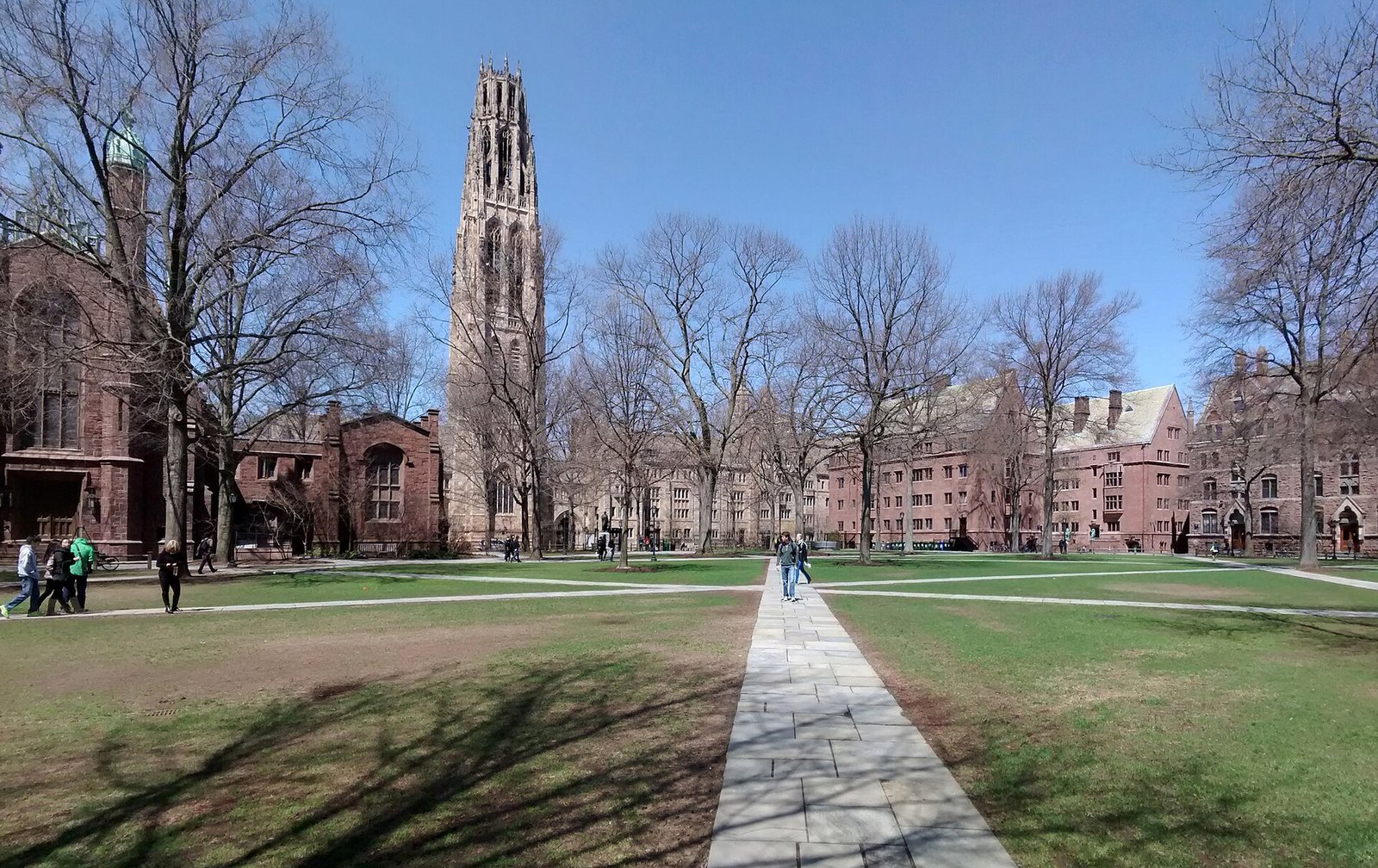
Outside a handful of individual Fairfield County establishments, New Haven has the best restaurant scene in Connecticut, fed by university demand and the culinary talent that gathers around academic life. The Central Artery redevelopment, the new Coliseum site project, and steady investment in the Wooster Square and East Rock neighborhoods have put the city on its most positive trajectory in 30 years.
3. Greenwich — Connecticut’s Most Affluent Community
Greenwich stands in a category of its own in Connecticut’s residential landscape. Proximity to Manhattan (about 45 minutes by Metro-North to Grand Central), a deep concentration of financial-industry wealth that funds exceptional public services, an extraordinary collection of estate properties and architecturally significant homes, a downtown of curated luxury retail, and schools that rank among the highest-performing in New England all add up to a town that is genuinely rarefied — and priced accordingly, with single-family medians running in the low millions as of 2026 and the most exclusive areas reaching $10 million and well beyond.
Greenwich is not a city in any conventional sense — it’s a set of distinct neighborhoods spread across 48 square miles of land, from the waterfront Back Country estates to the more modest (by Greenwich standards) in-town blocks near the train station. For the households whose income clears its price structure, the town lives up to its reputation.
4. Stamford — The Corporate Hub
Stamford has the largest downtown business district in Connecticut outside Hartford, anchored by the headquarters or major regional offices of NBCUniversal, Charter Communications, UBS, Henkel, and dozens of financial services firms that landed there for the mix of Manhattan proximity and Connecticut’s lower commercial real estate costs. The city skews younger and more diverse than most Connecticut communities, reflecting the blend of corporate professionals, students (the University of Connecticut’s Stamford campus sits downtown), and working-class families that has defined the place for decades.

The South End waterfront project has added housing and retail density to a formerly industrial stretch, and the Harbor Point complex ranks among the most significant mixed-use waterfront developments in New England. Condos and townhomes in the city’s newer buildings run $400,000 to $700,000 — expensive, but easier to reach than the surrounding Gold Coast towns of Greenwich, Darien, and New Canaan.
5. Glastonbury — Hartford Suburb Done Right
Glastonbury is the model Hartford suburb: excellent schools (regularly among the top 15 in the state), appealing housing stock priced below Fairfield County ($350,000 to $550,000 for family homes), a well-kept town center, and easy reach to Hartford’s job base. The town’s agricultural past still shows in the working farms that supply the region’s farm stands and farmers’ markets, and pairing suburban amenities with a real tie to the Connecticut River Valley landscape makes it one of the more livable spots in the state’s central corridor.
6. Mystic-Stonington Area — Coastal Character at Scale
The Mystic-Stonington area in the far southeast of Connecticut — bordered by Rhode Island on the east and Long Island Sound to the south — offers a distinctly different Connecticut experience: a historic coastal community with real maritime heritage, excellent seafood, and a pace of life slower and more authentically New England than the fast-moving suburban southwest. Housing costs less than the Gold Coast, the historic village centers are easy to explore on foot, and the pairing of Mystic’s tourism economy with the Electric Boat submarine yard in nearby Groton gives the area a more varied employment base than coastal communities of similar size elsewhere in New England.
Making Your Decision
Choosing where to live in Connecticut comes down to honestly matching your priorities with what each city and town actually delivers. Budget, career options, access to outdoor recreation, climate preferences, and local feel all carry different weight depending on your life stage and values — and no ranking can stand in for that personal call. The cities and towns profiled here are the strongest overall options, but Connecticut has plenty of smaller places that make a compelling case for anyone willing to trade urban convenience for lower costs, quieter living, or closer reach to open landscapes. If you can, spend at least a long weekend in your shortlisted towns before committing — the practical factors matter enormously, and so does the harder-to-measure sense of whether a place simply feels right for where you are in life.
Frequently Asked Questions
Why is West Hartford considered Connecticut’s best suburb?
West Hartford tops Connecticut livability rankings year after year because it delivers on several fronts at once. Its public schools rank among the strongest in the state — Conard and Hall both place on statewide best-high-school lists — providing school quality that Fairfield County towns charge far more to match. The walkable core around Blue Back Square and the Center shopping and restaurant district gives the town a density unusual for a suburb, one of Connecticut’s most genuinely walkable downtowns outside New Haven. Family-sized homes run $380,000 to $600,000 — elevated, but far easier to reach than Fairfield County equivalents with similar schools. Sitting 5 miles west of Hartford, the town has easy access to the capital’s job base, which is what makes it the benchmark Connecticut suburb for families chasing the best school-to-affordability balance.
What makes New Haven a compelling urban option in Connecticut?
New Haven is Connecticut’s most layered and interesting city — a place where Yale’s intellectual firepower and world-class cultural institutions sit beside neighborhoods facing real urban hardship. For the right person — a graduate student, young professional, academic, or anyone who values city density and cultural access — it offers a quality of life that holds up well at a price far below what comparable city living costs in Boston or New York. Outside a few Fairfield County standouts, New Haven has the best restaurant scene in the state, fed by university demand and the culinary talent that gathers around academic life. The Central Artery redevelopment, the new Coliseum site project, and steady investment in the Wooster Square and East Rock neighborhoods have put the city on its most positive trajectory in 30 years.
How does Stamford differ from other Connecticut cities?
Stamford has the largest downtown business district in Connecticut outside Hartford, anchored by the headquarters or major regional offices of NBCUniversal, Charter Communications, UBS, Henkel, and dozens of financial services firms that chose Connecticut for Manhattan proximity at lower commercial real estate costs. The city skews younger and more diverse than most Connecticut communities, reflecting its blend of corporate professionals, University of Connecticut Stamford students, and working-class families. The South End waterfront project and the Harbor Point complex rank among the most significant mixed-use waterfront developments in New England. Condos and townhomes in newer buildings run $400,000 to $700,000 — expensive, but easier to reach than the surrounding Gold Coast towns of Greenwich, Darien, and New Canaan.
What does Greenwich offer for top-tier Connecticut living?
Greenwich stands in a category of its own in Connecticut’s residential landscape. Proximity to Manhattan (about 45 minutes by Metro-North to Grand Central), financial-industry wealth that funds exceptional public services, estate properties of real architectural significance, a downtown of curated luxury retail, and schools ranking among New England’s highest-performing all add up to a town that is genuinely rarefied — and priced accordingly, with single-family medians running in the low millions as of 2026 and the most exclusive areas reaching $10 million and well beyond. Greenwich is not a city in any urban sense — it’s a set of distinct neighborhoods spread across 48 square miles, from the Back Country waterfront estates to the more reachable in-town blocks near the train station.
What is the Mystic-Stonington area’s appeal for Connecticut relocation?
The Mystic-Stonington area in far southeast Connecticut offers a distinctly different experience: a historic coastal community with real maritime character, excellent seafood, and a pace of life slower and more authentically New England than the fast-moving suburban southwest. Housing costs less than the Gold Coast, and the historic village centers are easy to explore on foot. Pairing Mystic’s tourism economy with the Electric Boat submarine yard in nearby Groton (one of the largest submarine builders in the world, employing thousands of skilled tradespeople, engineers, and professionals) gives the area economic variety beyond what coastal communities of similar size usually offer. The Mystic Seaport Museum, the largest maritime museum in the United States, adds cultural depth unusual for a community this size.