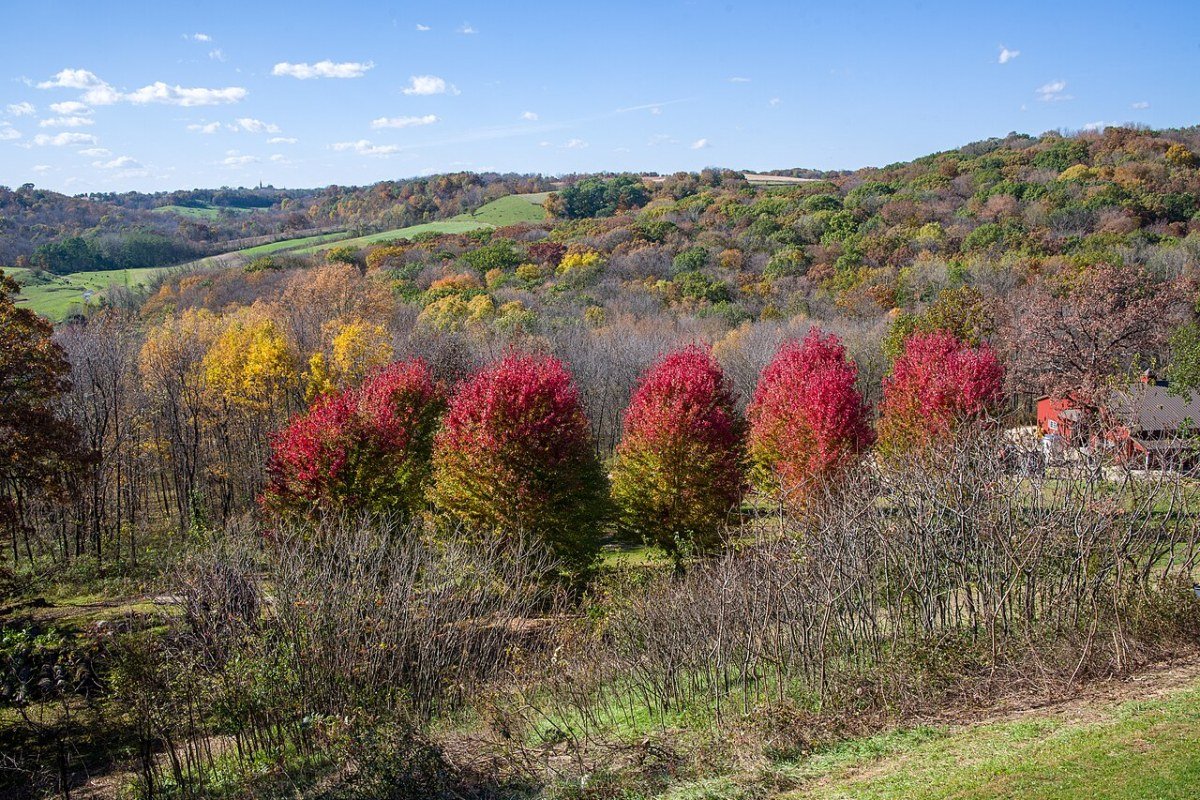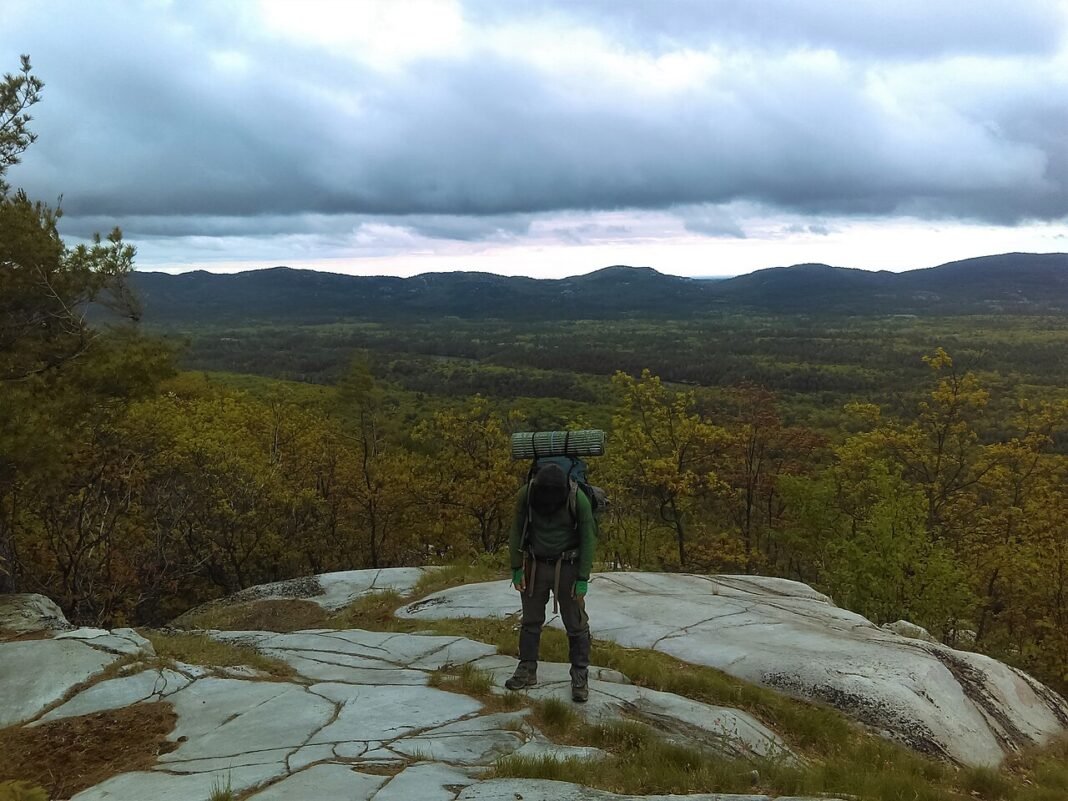

Ontario’s outdoor recreation is structured by the province’s fundamental geography — the Canadian Shield begins at the southern edge of Muskoka, 150km north of Toronto, and extends in an unbroken arc of Precambrian granite lakes, boreal forest, and wilderness rivers to Hudson Bay’s tidal lowlands in the province’s far north. Within weekend reach of Canada’s largest metropolitan area, that Shield country gives Ontario residents a backcountry resource no other major North American city can match for proximity and quality. The Niagara Escarpment — a UNESCO Biosphere Reserve curving through south-central Ontario — adds a limestone hiking landscape; the Great Lakes shorelines offer sailing, windsurfing, and freshwater beaches; and a provincial parks system larger than any other province’s carries the whole range, from a family campsite to a ten-day backcountry traverse.
Algonquin Provincial Park: The Shield Wilderness
Three hundred kilometres north of Toronto, Algonquin is the province’s best-loved outdoor destination — a 7,630-square-kilometre park of Shield lakes, rivers, and forest where the canoe-route network, the portage, and the sightings of moose, wolf, beaver, and common loon add up to a distinctly Canadian backcountry:
- Canoe routes: Algonquin’s 2,000km of interconnected canoe routes through more than 2,400 lakes are the defining Ontario paddling experience; the Smoke Lake and Sunday Creek circuits make easy 3–5 day loops, while the Tim River and Magnetawan River routes deliver tougher multi-day trips; reserve through Ontario Parks (ontarioparks.com)
- Portaging: Carrying the canoe between lakes is the physical and cultural heart of Algonquin paddling; the Highland Backpacking Trail (35km loop, 3 days) is the walking equivalent of the canoe network
- Wildlife viewing: Moose feed at dawn and dusk in the ponds along the Highway 60 corridor; loon calls carry across every lake; and the park’s public wolf howl program — held on Thursday evenings in August, when staff imitate a howl to draw a reply from wild packs — is one of the more remarkable wildlife encounters in the province
- Fall colour: Algonquin’s mixed boreal-deciduous forest puts on eastern Canada’s best-known fall display; the peak, late September to mid-October, fills the Lookout Trail and the canoe lakes to capacity, so book well in advance
The Niagara Escarpment: The Bruce Trail
The Bruce Trail (900km from Queenston to Tobermory on the Bruce Peninsula) follows the Niagara Escarpment’s UNESCO Biosphere Reserve through the limestone country of southern Ontario — Canada’s longest marked footpath, threading conservation areas, farm fields, waterfalls (Hamilton’s 100-plus cascades all sit on the Escarpment), and the cliff-lined Georgian Bay shore of the Bruce Peninsula:
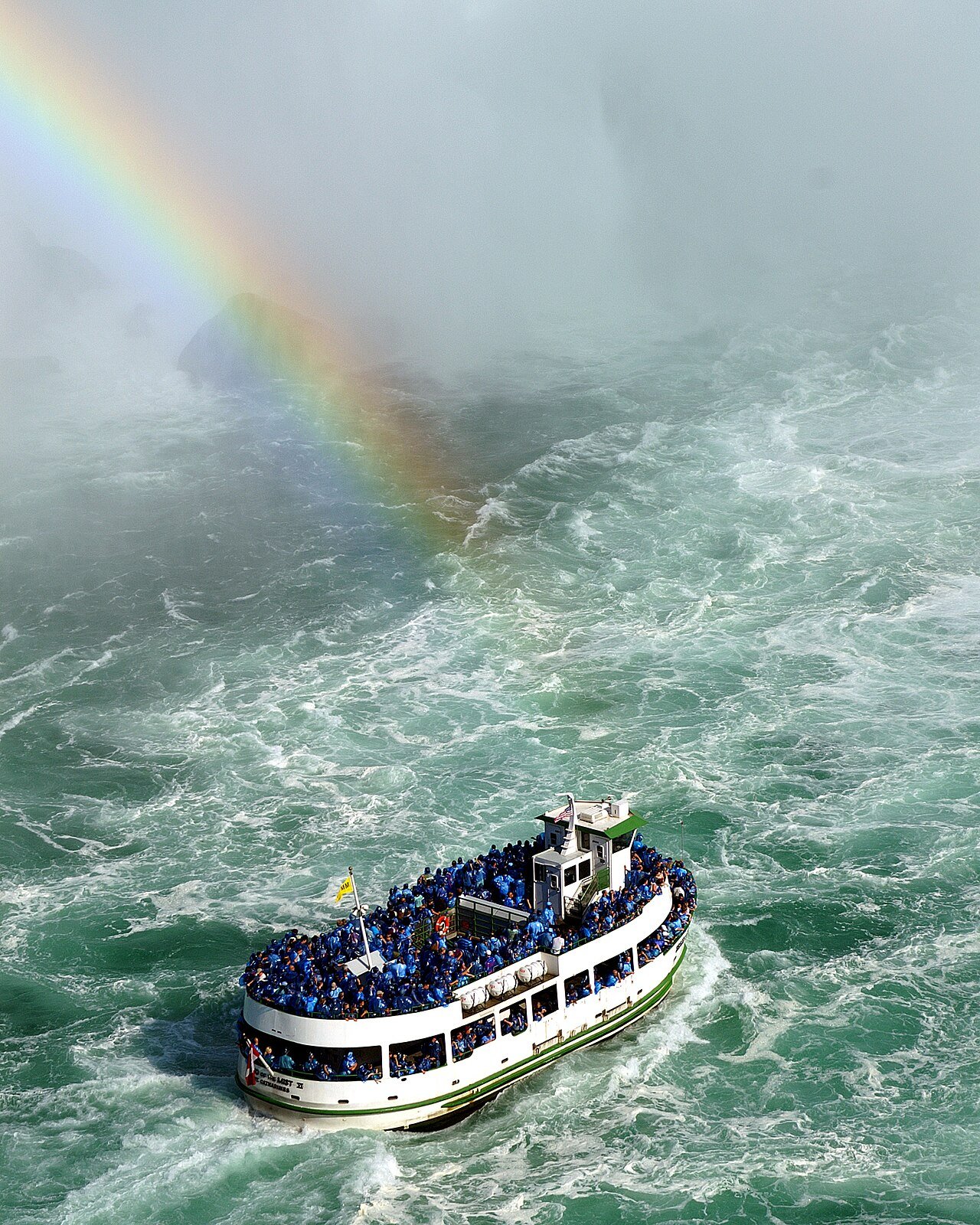
- Bruce Peninsula National Park: The Grotto (a sea cave on the Georgian Bay shore, reached on the 5.6km Cyprus Lake loop), Indian Head Cove, and Overhanging Point hold the trail’s finest coastal scenery; the Tobermory ferry out to Flowerpot Island, with its colourful sea stacks, adds a marine leg
- Fathom Five National Marine Park: Canada’s first national marine park, designated in 1987; 22 shipwrecks lie in Tobermory’s clear Georgian Bay waters, and the glass-bottom boat tours and dive operators reach the densest cluster of freshwater wreck diving in North America
- Hamilton Waterfalls: The Escarpment falls away steeply through Hamilton; Webster’s Falls (22m), Tews Falls (41m, the city’s tallest), and the Dundas Valley trail network make a day-hiking landscape within 90 minutes of Toronto

Muskoka: The Cottage Country
Muskoka, the lakes district that begins 150km north of Toronto, is the spiritual home of the Ontario cottage tradition — the private dock, the cedar-strip canoe, the swim before breakfast, the evening bonfire that shaped the summers of generations who made the annual migration up from Toronto, Hamilton, and Ottawa. Lake Muskoka, Lake Rosseau, and Lake Joseph carry the district’s grandest cottages, but Georgian Bay’s 30,000 Islands (the world’s largest freshwater archipelago, and another UNESCO Biosphere Reserve), the Haliburton Highlands, and the Kawarthas fill out the rest of cottage Ontario at every price point. Summer sailing regattas on Lake Muskoka, the antique wooden boat show at Port Carling, and Muskoka Brewery — one of the province’s best-known craft breweries, rooted in the Shield lakes — round out the picture.
Killarney and the North Channel
Killarney Provincial Park, at the eastern end of Lake Huron’s North Channel and a 300km drive from Toronto, may be the most visually striking park in the province — the white quartzite La Cloche Mountains, worn by 1.5 billion years of erosion into smooth ridges of gleaming rock above deep blue lakes, stand out for kilometres, and paddling routes thread a network of inland lakes of unusual clarity. The La Cloche Silhouette Trail (78km loop, 7–10 days) is the hardest backcountry walk in southern Ontario. North Channel sailing, rated among the world’s finest freshwater cruising grounds, draws boats from across the continent to the sheltered water between Manitoulin Island and the Ontario mainland.
Winter Outdoor Recreation
Ontario’s winter outdoor culture runs deep — the climate brings reliable snow to the Canadian Shield and the country north of the Great Lakes from December through March:
- Skiing: Blue Mountain near Collingwood is the province’s largest ski resort (43 runs, 220m vertical); Horseshoe Resort and Mount St Louis Moonstone are the GTA weekend stand-bys; and the Laurentian Mountains just over the Quebec line, within reach of Ottawa, add Mont-Tremblant’s bigger terrain
- Nordic skiing and snowshoeing: Algonquin Park’s cross-country network (90km of groomed trails), the Gatineau Park system near Ottawa, and the Hardwood Ski and Bike centre at Barrie hold the province’s best groomed track
- Ice fishing: Lake Simcoe, the Kawartha Lakes, and Lake Erie’s shallow western basin carry the province’s ice fishing scene; the Lake Simcoe fishing villages — clusters of temporary huts out on the ice — are a local institution
- Rideau Canal skating: Ottawa’s 7.8km canal rink, the world’s longest and a UNESCO World Heritage Site, is the country’s best-loved urban winter outing
Frequently Asked Questions
What does Algonquin Provincial Park offer and how do visitors experience it?
Algonquin Provincial Park — 7,630 square kilometres, 300km north of Toronto — is the province’s best-loved outdoor destination, where 2,000km of interconnected canoe routes through more than 2,400 lakes add up to a distinctly Canadian backcountry. The Smoke Lake and Sunday Creek circuits make easy 3–5 day loops; the Tim River and Magnetawan River routes are tougher multi-day trips. Portaging — carrying the canoe between lakes — is the cultural and physical heart of it. The Highland Backpacking Trail (35km loop, 3 days) is the walking equivalent. For wildlife, moose feed at dawn and dusk along the Highway 60 corridor, and the park’s wolf howl program on Thursday evenings in August is one of Ontario’s great encounters. Fall colour peaks late September to mid-October; book months ahead through ontarioparks.com.
What is the Bruce Trail and what does the Bruce Peninsula offer?
The Bruce Trail (900km, Queenston to Tobermory) is Canada’s longest marked footpath, following the Niagara Escarpment UNESCO Biosphere Reserve through Ontario’s limestone country. Bruce Peninsula National Park holds The Grotto — a sea cave on the Georgian Bay shore reached on the 5.6km Cyprus Lake loop — along with Indian Head Cove and Overhanging Point, the finest coastal scenery on the trail. Fathom Five National Marine Park, designated in 1987 as Canada’s first national marine park, contains 22 shipwrecks in Tobermory’s clear Georgian Bay waters — the densest cluster of freshwater wreck diving in North America. Hamilton’s Escarpment section has Tews Falls (41m, the city’s tallest) and Webster’s Falls (22m), both within 90 minutes of Toronto.
What is Muskoka and what does Ontario’s cottage country offer?
Muskoka — the lakes district that begins 150km north of Toronto — is the spiritual home of the Ontario cottage tradition. Lake Muskoka, Lake Rosseau, and Lake Joseph carry the grandest cottages, while Georgian Bay’s 30,000 Islands — the world’s largest freshwater archipelago and a UNESCO Biosphere Reserve — the Haliburton Highlands, and the Kawarthas fill out cottage Ontario at every price point. Canoe and kayak rentals, fishing for walleye and smallmouth bass, summer sailing regattas on Lake Muskoka, and the antique wooden boat show at Port Carling define a Muskoka summer. The Parry Sound area, on Georgian Bay, offers deep-water sailing in some of the most sheltered cruising grounds on the Great Lakes.
What does Killarney Provincial Park and northern Ontario offer?
Killarney Provincial Park, a 300km drive from Toronto at the eastern end of Lake Huron’s North Channel, may be the province’s most visually spectacular — the La Cloche Mountains’ white quartzite ridges, worn by 1.5 billion years of erosion into gleaming rock above deep blue lakes, stand out for kilometres. The La Cloche Silhouette Trail (78km loop, 7–10 days) is the hardest backcountry walk in southern Ontario. North Channel sailing ranks among the world’s finest freshwater cruising grounds, drawing boats from across the continent to the sheltered water between Manitoulin Island and the mainland. Killarney’s paddling routes thread inland lakes of unusual clarity, with canoe camping to rival Algonquin.
What winter outdoor recreation does Ontario offer?
Ontario’s winter outdoor culture runs deep. Blue Mountain near Collingwood is the province’s largest ski resort (43 runs, 220m vertical), and the Laurentian Mountains just over the Quebec line add Mont-Tremblant’s bigger terrain within reach of Ottawa. Algonquin Park’s cross-country network (90km of groomed trails) and the Gatineau Park system near Ottawa anchor the best groomed track. Ice fishing on Lake Simcoe, the Kawartha Lakes, and Lake Erie’s shallow western basin is a genuine local institution — the Lake Simcoe fishing villages, clusters of temporary huts on the ice, are a sight unique to the province. The Rideau Canal rink (7.8km, Ottawa) is the world’s longest naturally frozen skating surface and a UNESCO World Heritage Site — the country’s best-loved urban winter outing.