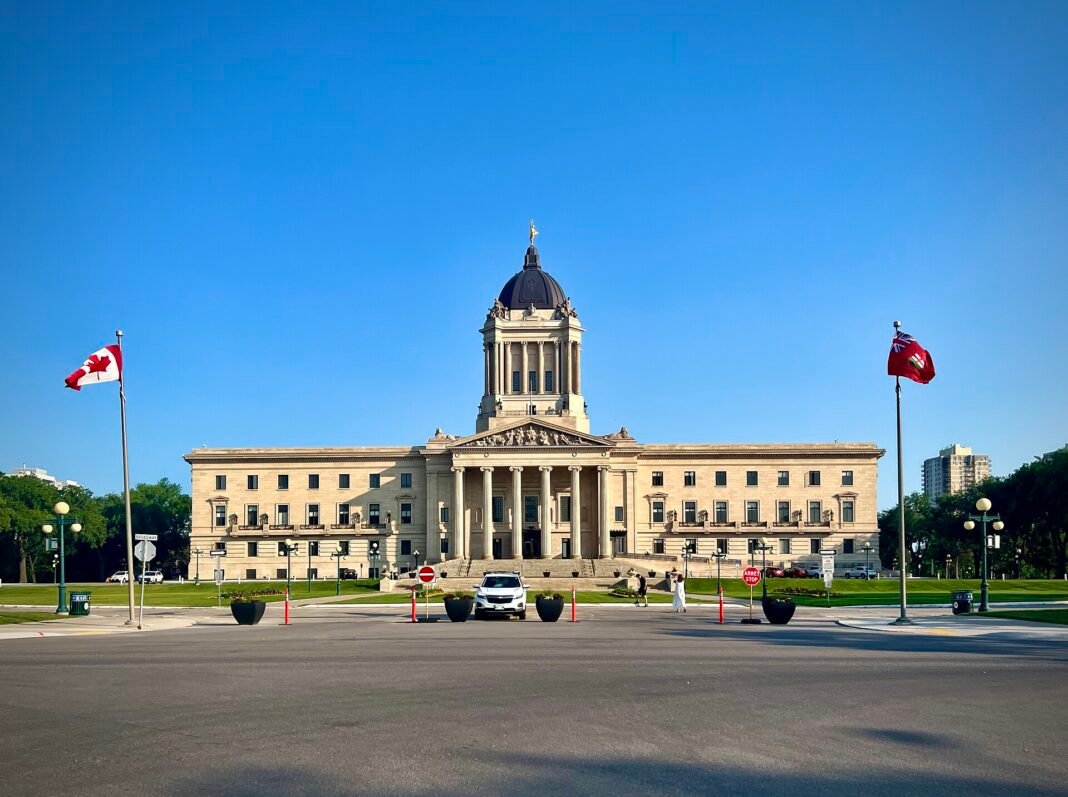
Moving to Manitoba means joining one of Canada’s most underestimated provinces — a jurisdiction whose Winnipeg capital city consistently surprises arrivals from the larger provinces with its cultural depth, community warmth, and housing affordability, and whose natural environment (from the Whiteshell’s Shield lakes to the Churchill subarctic) delivers outdoor experiences that dwarf what the population size alone would suggest. The practical relocation process follows the standard Prairie province framework — Manitoba Public Insurance (MPI) for driver’s licensing and vehicle insurance, Manitoba Health for provincial health coverage — with some Manitoba-specific cultural dimensions that newcomers find useful to understand.
Driver’s Licence and Vehicle Registration: MPI
- Manitoba Public Insurance (MPI): Like BC’s ICBC, Manitoba operates a government monopoly for basic vehicle insurance and handles driver licensing; the Autopac system (MPI’s vehicle insurance product) bundles mandatory basic coverage, extended third-party liability, and optional coverage through MPI and authorized agents
- Licence transfer: New Manitoba residents from other Canadian provinces must transfer to a Manitoba licence within 3 months; MPI service centres and Autopac agents handle the transaction; your Canadian licence is typically exchanged directly; bring your licence, proof of Manitoba address, and identity documentation
- Vehicle registration and Autopac: Out-of-province vehicles must be registered in Manitoba within 3 months; a safety inspection may be required; registration and mandatory insurance are combined in the Autopac transaction through MPI agents across the province
- Road conditions: Manitoba’s winter road conditions include significant snow and ice on both urban and rural roads; all-season tires are common but winter tires are recommended for the full winter season; the province’s spring road restrictions (weight restrictions to prevent road damage during the spring thaw) affect rural road access for several weeks in March–April
Manitoba Health
- Manitoba Health coverage: Universal health insurance for Manitoba residents; apply at gov.mb.ca/health/ immediately upon establishing residency; new Canadian residents are covered after a 3-month waiting period (maintain originating province coverage during this period)
- Finding a physician: Manitoba’s physician registry (gov.mb.ca/health/physicianregistry) maintains a list of physicians accepting new patients; family doctor shortages exist in some communities; Manitoba’s primary care teams (Primary Care Networks) provide team-based care as an alternative to individual family physicians
- Pharmacare: Manitoba Pharmacare administers a deductible-based drug benefit program for all Manitoba residents; the deductible is income-tested; residents with low incomes pay minimal or no deductibles
Schools and Education
- Winnipeg School Division: The Winnipeg School Division (WSD) is the largest school board in Manitoba; the Division’s schools reflect the city’s multicultural character, with sizeable Indigenous, Filipino, South Asian, and newcomer student populations; specialized programs within the public system include the Fine Arts Option (programming in visual arts, music, drama) and the school-based Language Immersion programs
- French immersion: Manitoba’s French immersion program is available through the Winnipeg School Division and the Louis Riel School Division (southeast Winnipeg); early French Immersion from Kindergarten is available at selected schools; the St. Boniface French-language Catholic and public schools deliver full French-language education in the traditional community context
- Indigenous languages: Manitoba’s large Indigenous population has produced strong school-based Cree, Ojibwe, and Dakota language programs in several Winnipeg divisions and in community schools across the north
- Universities: University of Manitoba (Winnipeg, research university with law, medicine, and engineering programs), University of Winnipeg (liberal arts, urban campus), Brandon University (western Manitoba), and the Université de Saint-Boniface (French-language) make up the province’s post-secondary network
Manitoba’s Cultural Scene
Newcomers to Winnipeg are frequently surprised by the city’s cultural vitality — an investment in arts and culture per capita that exceeds most Canadian cities of comparable size:
- Winnipeg Jets: The NHL team’s return to Winnipeg in 2011 (after the original Jets’ departure to Phoenix in 1996) created one of the most intense hockey fan communities in Canada; the Canada Life Centre is sold out for most games; the Jets’ culture is central to Winnipeg’s civic identity
- Festival calendar: The Winnipeg Folk Festival (Birds Hill, July), the Winnipeg Fringe Theatre Festival (North America’s second-largest fringe), the Jazz Winnipeg Festival, and the Festival du Voyageur (February, St. Boniface) fill a cultural calendar of national standing throughout the year
- The arts infrastructure: The Winnipeg Symphony Orchestra, the Royal Winnipeg Ballet (the oldest ballet company in Canada), the Manitoba Opera, and the Prairie Theatre Exchange anchor a professional performing arts scene unusual for a city of Winnipeg’s size
- Indigenous arts: Winnipeg’s large urban Indigenous population has created Canada’s most concentrated urban Indigenous arts scene; the Urban Shaman gallery, the Indigenous representation at WAG-Qaumajuq, and the annual Manito Ahbee Festival (Indigenous music, arts, and culture) reflect this vitality
Housing and Neighbourhoods for New Arrivals
Winnipeg’s rental market is among the most accessible in Canada — vacancy rates have historically been higher than the national average, though recent years have seen tightening driven by immigration and returning students. A one-bedroom apartment in the inner city (Osborne Village, the Exchange District, the West End) typically runs CAD $1,100–$1,600/month, while a two-bedroom family apartment in a middle-ring suburb sits in the CAD $1,400–$1,900/month range. The purchase market offers exceptional value: a detached character home in the Wolseley or Westminster neighbourhoods (tree-lined streets, 1920s architecture, 3km from the downtown) can be found for CAD $350,000–$500,000, and new construction in the outer suburbs (Sage Creek, Prairie Pointe) goes for CAD $380,000–$550,000 for a full 4-bedroom house. Winnipeg rewards early neighbourhood research — the city’s patchwork of distinct communities (from the wealth of Tuxedo to the industrial character of Weston) means that choosing thoughtfully matters.

Preparing for Your Move
The logistical side of relocating to Manitoba follows a familiar sequence regardless of where you are coming from: secure housing before or immediately after arrival, transfer any professional licences if your occupation requires it, register your vehicle and update your driver’s licence within the timeframe required by local law (typically 30 to 90 days for new residents), and register to vote at your new address. Connecting with community organizations, sports clubs, neighbourhood associations, or professional networks early in the process can speed up the sense of belonging. In many parts of Manitoba that have grown quickly over the past decade, a good share of the population has relocated from elsewhere, which means that being new to the area is genuinely normal — and that the infrastructure for meeting people and building a life from scratch is well established.
Frequently Asked Questions
What are the driver’s licence and vehicle registration requirements when moving to Manitoba?
Manitoba Public Insurance (MPI) is Manitoba’s government monopoly for basic vehicle insurance — similar to BC’s ICBC, MPI handles both driver licensing and vehicle insurance through its Autopac system; MPI service centres and Autopac agents are located throughout the province. New Manitoba residents from other Canadian provinces must transfer to a Manitoba licence within 3 months; bring your existing Canadian licence, proof of Manitoba address, and identity documents to an MPI service centre or Autopac agent. Vehicle registration: out-of-province vehicles must be registered in Manitoba within 3 months; registration and mandatory Autopac insurance are combined in a single transaction through MPI agents. Manitoba’s spring road restrictions (weight restrictions to prevent road damage during spring thaw) affect rural road access for several weeks in March and April — factor this into any rural property planning during that period.
How does Manitoba Health insurance work for new residents?
Manitoba Health provides universal health coverage for Manitoba residents. New Canadian residents arriving from other provinces face a 3-month waiting period before Manitoba Health coverage begins — maintain your originating province’s coverage during this period, or purchase private temporary health insurance to bridge the gap. Apply at gov.mb.ca/health/ immediately upon establishing residency to start the waiting period clock. Manitoba Pharmacare is available to all Manitoba residents — unlike some provinces that restrict drug benefits to seniors or low-income groups, Manitoba Pharmacare provides a deductible-based drug benefit with deductibles scaled to household income; low-income residents pay minimal or no deductibles. For finding a family doctor, Manitoba’s physician registry (gov.mb.ca/health/physicianregistry) lists physicians accepting new patients; Manitoba’s Primary Care Networks provide team-based primary care as an alternative to a traditional individual family physician.
What cultural life does Winnipeg offer new residents?
Winnipeg’s cultural infrastructure is extraordinary for a city of its size and consistently surprises arrivals from larger provinces. The Winnipeg Jets’ return to the NHL in 2011 (after the original Jets’ departure to Phoenix in 1996) created one of Canada’s most intense hockey fan communities — the Canada Life Centre is sold out for most games and the Jets are central to Winnipeg’s civic identity. The Winnipeg Folk Festival (Birds Hill, July), the Winnipeg Fringe Theatre Festival (North America’s second-largest fringe festival), Jazz Winnipeg, and the Festival du Voyageur (February, St. Boniface — celebrating French-Canadian and Métis heritage) provide a cultural calendar of national standing. The Royal Winnipeg Ballet is the oldest ballet company in Canada; the Winnipeg Symphony Orchestra and Manitoba Opera round out the professional performing arts scene. Winnipeg’s large urban Indigenous population has created Canada’s most concentrated urban Indigenous arts scene — the WAG-Qaumajuq (Winnipeg Art Gallery’s Inuit art centre, home to the world’s largest public collection of contemporary Inuit art), the Urban Shaman gallery, and the annual Manito Ahbee Festival reflect this vitality.
What is Manitoba’s housing market and employment base?
Winnipeg’s housing market is among Canada’s most affordable major city markets. A one-bedroom apartment in inner-city neighbourhoods (Osborne Village, the Exchange District) runs CAD $1,100–$1,600 per month; a two-bedroom family apartment in a middle-ring suburb runs CAD $1,400–$1,900 per month. Purchased properties: a detached character home in established neighbourhoods like Wolseley or Westminster (tree-lined streets, 1920s architecture, 3km from downtown) runs CAD $350,000–$500,000; new construction in outer suburbs (Sage Creek, Prairie Pointe) runs CAD $380,000–$550,000 for a complete 4-bedroom house. Employment anchors: the federal and provincial government sector, Winnipeg’s sizeable manufacturing base (heavy equipment, aerospace — StandardAero, Magellan Aerospace), and the growing tech sector (Wawanesa Insurance, Bold Commerce, Skip The Dishes — Winnipeg-founded). The provincial government and the health authorities are among the largest single employers in the province.
What are Manitoba’s top schools and universities?
The Winnipeg School Division (WSD) is Manitoba’s largest school board, with a student body reflecting the city’s multicultural character — sizeable Indigenous, Filipino, South Asian, and newcomer populations. The Louis Riel School Division (southeast Winnipeg) and the Division scolaire franco-manitobaine (St. Boniface) provide French immersion and full French-language education options respectively; early French immersion from Kindergarten is available at selected schools. Manitoba’s school system includes strong Indigenous language programs — Cree, Ojibwe, and Dakota language classes are available in several Winnipeg divisions and in community schools across the north. The University of Manitoba (Winnipeg) is the province’s research university with law, medicine, and engineering programs; the University of Winnipeg offers liberal arts education on an urban downtown campus; Brandon University serves western Manitoba; the Université de Saint-Boniface delivers French-language post-secondary education.