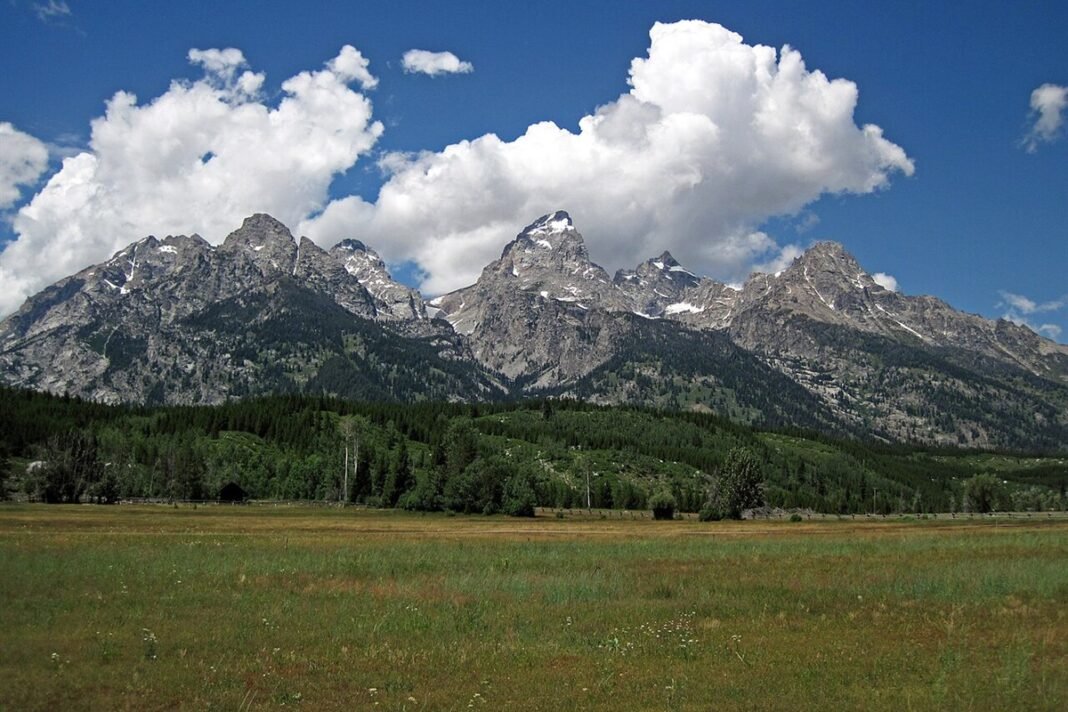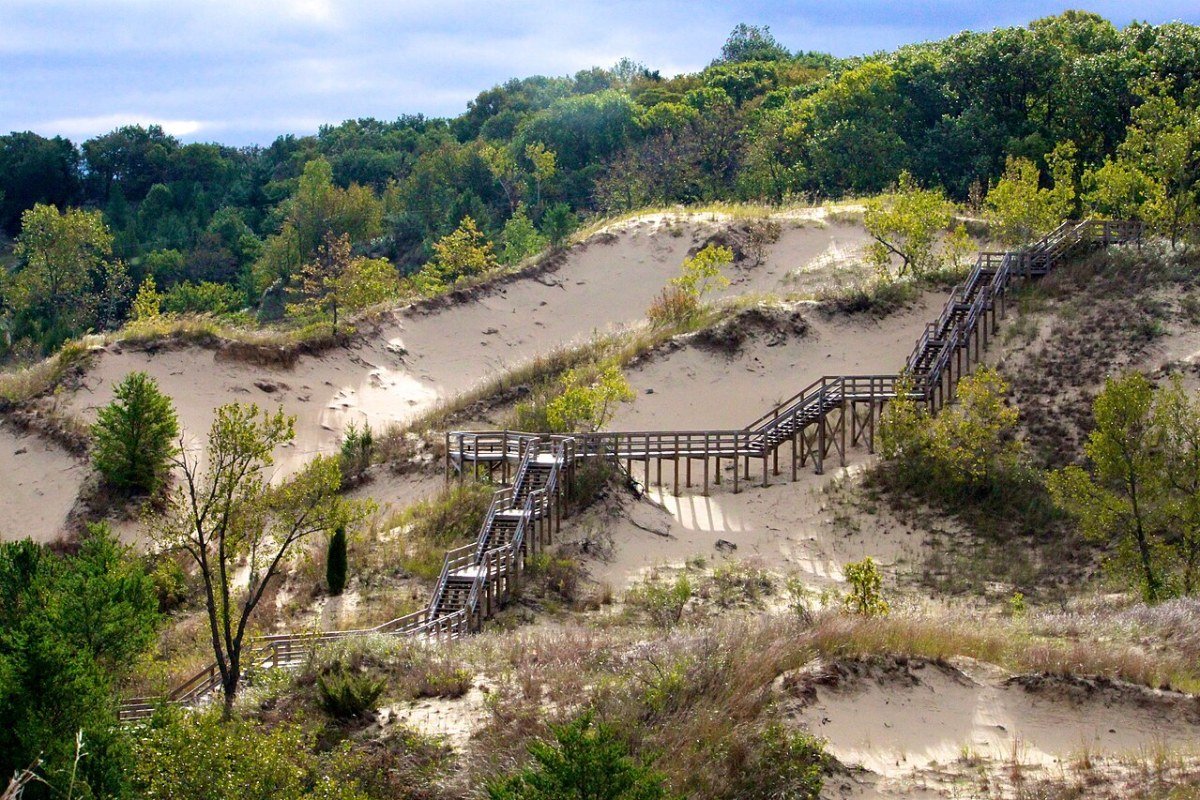
Manitoba’s outdoor recreation spans a greater range of ecological zones than any comparably sized Canadian province — from the Prairie grassland and agriculture of the south to the boreal forest lakes of the Canadian Shield in the east, the Hudson Bay lowlands and subarctic of the north, and the mixed forests and wetlands of the central region. The province’s outdoor identity rests on three wildlife experiences: the Churchill polar bear congregation (October–November), the Churchill beluga whale aggregation (mid-June to mid-August), and the Whiteshell’s loon-filled Shield lakes in summer — each an encounter with the natural world that international visitors travel specifically to see.
Churchill: The Wildlife Capital of Canada
Churchill, on the western shore of Hudson Bay, holds Canada’s most concentrated wildlife viewing calendar — three distinct species seasons set in a subarctic landscape of unusual drama:
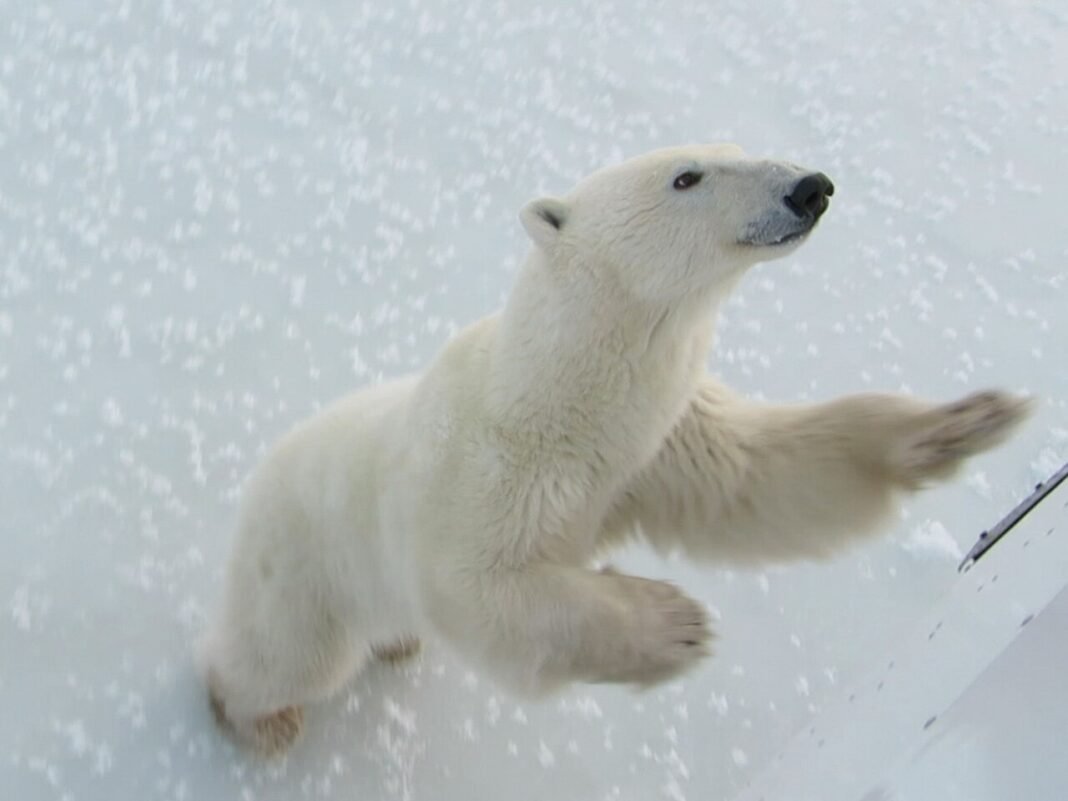
- Polar bear season (October–November): The Hudson Bay polar bears come ashore each summer when the sea ice melts, spending the ice-free months on the tundra conserving energy; as freeze-up nears in October and November, the bears gather near Churchill waiting for the ice to re-form; Tundra Buggy tours (elevated vehicles with observation platforms, operated by Frontiers North Adventures) deliver one of the closest large-mammal encounters available to non-expedition travellers anywhere
- Beluga whale season (mid-June to mid-August): The Churchill River estuary fills with roughly 4,000 beluga whales each summer as the animals enter the warm, shallow water to feed, calve, and moult; kayaking among them — they are curious and will approach a paddle craft — counts among the world’s great wildlife encounters; their social behaviour, all clicking and squealing and surfacing in groups around the boats, stays with you
- Northern lights season (January–March): Churchill’s subarctic latitude (58°N) and low light pollution place it under the auroral oval for some 300 nights of potential activity a year; January through March bring the coldest but clearest skies, and aurora over frozen Hudson Bay or the boreal forest yields images of rare quality
- Cape Merry and Prince of Wales Fort: These Parks Canada national historic sites frame Churchill’s subarctic setting — beluga viewing from the Cape Merry headland at the river mouth, and the Dene, Cree, and fur-trade history at Prince of Wales Fort across the water, add the cultural dimension to the wildlife
Whiteshell Provincial Park: The Shield Lakes
Whiteshell Provincial Park, roughly 120km east of Winnipeg in the Canadian Shield, offers Manitoba‘s closest serious wilderness-lake country to a major city — 2,729 square kilometres of Precambrian granite lakes, rivers, and boreal forest. The Caddy Lake rock tunnels (granite railway-drainage tunnels blasted through the Shield more than a century ago, now paddled by canoe between Caddy and South Cross lakes), the Falcon Lake resort community, and the Seven Sisters hydroelectric station on the Winnipeg River set the stage for a genuine wilderness canoe-route system:
- Canoe routes: The Whiteshell River canoe route (2–5 days) links a sequence of lakes through boreal forest; portages are generally short and well-marked, and the route’s wildlife — osprey, loon, beaver, otter, moose — turns up reliably on multi-day circuits
- Falcon Lake: The largest developed community inside the park anchors the easygoing end of the recreation spectrum, with beach swimming, boat rentals, Falcon Ridge Ski Slopes (a small downhill area plus a groomed cross-country network in winter), and mountain-biking trails
- Petroforms: The Whiteshell’s Anishinaabe rock arrangements — shaped stones laid in turtle, snake, human, and geometric forms on the granite outcrops, some estimated at up to 1,500 years old — make up the most significant sacred Indigenous landscape feature in Manitoba; the Bannock Point and Tie Creek sites can be visited with park guidance

Riding Mountain National Park
Riding Mountain National Park covers everything from the easygoing Clear Lake family scene to the backcountry wilderness of the plateau’s boreal interior:
- Clear Lake sailing and kayaking: The park’s largest lake supports sailing, canoeing, and kayaking from the Wasagaming harbour; rental boats and the sailing school at the Clear Lake Sailing Club open the door to beginners
- Wildlife viewing drives: The Lake Audy Bison Enclosure (a managed herd of plains bison, descended from animals saved from near-extinction) and the reliable elk, moose, and wolf sign along the park’s wetland corridors put wildlife within easy reach
- Grey Owl Trail (17km return): This backcountry trail leads to the cabin Archibald Belaney (“Grey Owl”) built on Beaver Lodge Lake in 1931 (he relocated to Ajawaan Lake in Prince Albert National Park later that year, where his more famous Beaver Lodge cabin still stands) — the park’s most storied multi-day hike
Winter Outdoor Recreation
Manitoba’s winter outdoor culture is Winnipeg-centric but extends province-wide:
- Nestaweya River Trail at The Forks: The Red River and Assiniboine skating-trail network (formerly the Red River Mutual Trail, maintained by The Forks and a former Guinness World Record holder for longest naturally frozen skating trail) runs up to 10km through the river system in strong winters; it is lit at night, and the artist-designed Warming Huts and the Forks Market supply the après-skate scene
- Birds Hill Provincial Park: Some 35km of groomed cross-country ski trails (Bluestem, Aspen, Lime Kiln, Esker, Chickadee) sit within 30 minutes of downtown, making this Winnipeg’s closest Nordic skiing
- Groomed cross-country (Sandilands Provincial Forest): The Sandilands Nordic network in the southeastern Manitoba jack pine forest offers the province’s finest cross-country skiing outside the Shield-lake parks
Whiteshell Provincial Park in southeastern Manitoba rounds out the winter offering with a further 200km of groomed cross-country ski trails through the Shield lake country east of Winnipeg.
Planning Your Outdoor Adventure
The experiences described in this guide reward practical preparation. For wilderness and protected areas, check trail conditions, permit requirements, and seasonal access with the relevant land management authority before departure — trail closures, fire restrictions, and entry quotas can change quickly, and many high-demand parks now require advance reservations that were not needed in previous years. Weather in Manitoba can turn fast, particularly in upland terrain and during shoulder seasons; a layered approach with a waterproof outer shell makes sense for most outdoor pursuits regardless of the season. For water-based activities — paddling, snorkelling, diving, surfing — confirm current conditions with local outfitters, who will have the most accurate and up-to-date information. Leave No Trace principles apply throughout: pack out everything you bring in, stay on established trails, give wildlife space, and leave natural features undisturbed for the next visitor.
Frequently Asked Questions
What makes Churchill’s polar bear season a world-class wildlife experience?
Churchill — on the western shore of Hudson Bay, reachable only by air or the Via Rail train from Winnipeg (roughly 45–48 hours) — offers the most reachable polar bear viewing on the planet. The Western Hudson Bay bears spend the summer on the tundra after the sea ice melts, conserving energy; as freeze-up nears in October and November, they gather near town waiting for the ice to re-form. Tundra Buggy tours (elevated observation vehicles operated by Frontiers North Adventures, and used by partners such as Natural Habitat Adventures and Polar Bears International) put you about as close to a large wild mammal as a non-expedition traveller can get — the bears walk up curiously, often standing to investigate at eye level with the platforms. The peak window runs mid-October to mid-November, with the exact timing shifting by two or three weeks depending on the year’s temperatures and freeze-up progress. Churchill’s Western Hudson Bay population — estimated at about 618 bears in the most recent (2021) aerial survey, down from 842 in 2016 — is one of the most studied polar bear populations anywhere and a focus of ongoing research into how shrinking sea ice affects bear condition.
What does Churchill’s beluga whale season offer?
Churchill’s beluga whale season (mid-June to mid-August) is the easiest beluga encounter to reach anywhere: the Churchill River estuary fills with roughly 4,000 beluga whales each summer as the animals move into the warm, shallow estuary to feed, socialize, calve, and moult. Kayaking among them — they are curious and will paddle right up, surfacing in groups, clicking and squealing in their busy vocal range — ranks among the most intimate wildlife moments going, and it asks little of the visitor. Zodiac tours also run from Churchill through the season for anyone who would rather not kayak. Cape Merry (the Parks Canada national historic site headland at the mouth of the river) gives the best free shore-based beluga viewing, with whales visible in the estuary from the headland walk. Between the belugas (mid-June to mid-August) and the northern lights (about September to March), Churchill delivers a significant wildlife or natural-phenomenon draw across most of the year.
What does the Whiteshell Provincial Park offer in eastern Manitoba?
The Whiteshell Provincial Park — 2,729 square kilometres of Canadian Shield boreal forest and lakes in eastern Manitoba, roughly 120km east of Winnipeg — is among the most accessible serious wilderness in the province outside Churchill. Its lake system (Falcon Lake; West Hawk Lake, the deepest in Manitoba at about 115m, held within a 2.44km-wide meteorite impact crater some 351 million years old; and dozens of smaller Shield lakes) supports swimming, canoeing, kayaking, and fishing through the summer. The rock-and-lichen landscape, ancient Precambrian stone scoured by glaciation, gives one of the fullest boreal-lake experiences you can drive to from a Prairie city. The Bannock Point and Tie Creek petroforms (Anishinaabe boulder figures of turtles, snakes, and geometric forms, some estimated at up to 1,500 years old) preserve sacred Indigenous landscape on the Shield outcrops. Along the Ontario boundary, paddlers find whitewater kayaking on the Winnipeg River system and fly fishing on rivers still largely unknown to non-Manitoba anglers. Winter at the Whiteshell — snowshoeing, cross-country skiing on some 200km of groomed trail, and ice fishing on West Hawk Lake — keeps the park busy year-round.
What does Riding Mountain National Park offer for outdoor recreation?
Riding Mountain National Park — some 2,969 square kilometres of upland boreal forest rising from the Manitoba plains, about 260km northwest of Winnipeg — is the province’s most popular national park, pairing a highland that climbs abruptly from the surrounding prairie with the wildlife viewing, camping, and hiking infrastructure that draws families. Clear Lake, the park’s largest and reached from the resort townsite of Wasagaming, has beach swimming, canoe and kayak rental, and the easy summer atmosphere of the park’s most developed corner. The wildlife runs deep: an elk herd among the most reliably seen in Manitoba (often on the park roads at dawn and dusk), the Lake Audy plains bison enclosure, and resident black bear, moose, and wolf. The Ominnik Marsh boardwalk and the Grey Owl trail are the standout short hikes — the latter leads to the cabin Archibald Belaney built on Beaver Lodge Lake in 1931 before he relocated to Ajawaan Lake in Prince Albert National Park (Saskatchewan), where his more famous Beaver Lodge cabin still stands. The backcountry trail network opens up wilderness camping for more ambitious visitors.
What does Hecla-Grindstone Provincial Park and Lake Winnipeg offer?
Lake Winnipeg — 24,514 square kilometres, ranked by Travel Manitoba as the world’s tenth-largest freshwater lake by surface area, stretching roughly 416km from its southern shore near Winnipeg to its northern shore near Grand Rapids — is Manitoba’s defining geographical feature and the chief summer playground for Winnipeg residents. The southern basin’s beach communities (Grand Beach, rated one of the finest freshwater beaches in North America for its white quartz sand and consistently warm water; Patricia Beach; Winnipeg Beach) draw the heaviest summer crowds of any Manitoba spot outside the city. Hecla-Grindstone Provincial Park (on Hecla Island in the lake’s southern basin, linked by causeway to the mainland) gathers the lake’s fullest wilderness-and-heritage mix: the Grassy Narrows Marsh boardwalk (a major shorebird and waterfowl site), the Hecla Island village heritage site (an Icelandic settlement founded in 1875 within the New Iceland reserve, whose descendants keep one of the most intact Icelandic cultural communities outside Iceland), and the Hecla resort area for golf, hiking, and wildlife viewing. The northern basin (reached from Gimli and Winnipeg Beach by boat, or from Grand Rapids by road) holds remote fishing for walleye, northern pike, and lake whitefish in some of Manitoba’s least pressured waters.