Manitoba‘s cost of living sits consistently among the most affordable of Canada’s major provinces. Winnipeg’s average detached house price of roughly CAD $450,000–$500,000 — the average crossed the $499,000 mark in spring 2026 — still makes it the most accessible major housing market in the country, well below Toronto or Vancouver. Pair that with Manitoba’s moderate provincial income tax rates and the lowest residential electricity costs in Canada (the publicly owned Manitoba Hydro passes its hydroelectric generation advantage straight to ratepayers), and the household budget reads far more gently than it would in any larger Canadian metro. The honest qualification: Manitoba’s economy — historically tied to the federal government, agriculture, and a manufacturing base since broadened by the tech and creative sectors of the 2020s — does not deliver the peak salaries of Alberta’s oil patch or BC’s tech corridor. The affordability advantage is real, but it partly reflects the province’s wage structure.
Manitoba Cost at a Glance 2026
- Winnipeg average detached house: CAD $450,000–$500,000
- Inner Winnipeg (Osborne Village, Wolseley, River Heights): CAD $400,000–$700,000
- Brandon average: CAD $320,000–$390,000
- Thompson and The Pas: CAD $200,000–$290,000
- Manitoba Hydro electricity: Among the lowest rates in Canada; average residential CAD $900–$1,400/year, drawn from the province-owned hydroelectric system on the Nelson and Winnipeg rivers
- Provincial income tax: Manitoba’s rates are moderate; the combined federal-provincial top rate sits below Ontario and Quebec, and the provincial basic personal amount provides a tax-free threshold
- Provincial sales tax (RST): Manitoba’s Retail Sales Tax is 7% (not harmonized with the federal GST, which applies separately) — roughly 12% combined on most goods
Winnipeg: The Prairie City Value
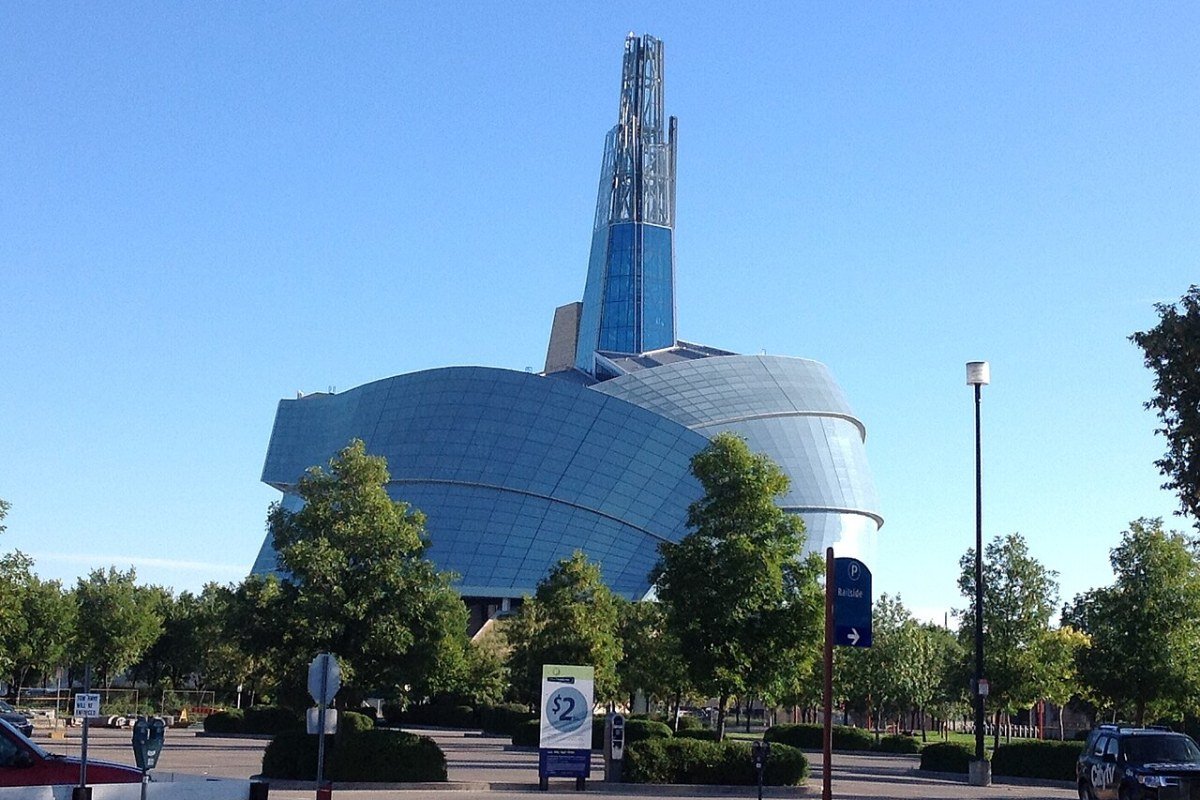
Winnipeg holds the cheapest housing market of any major Canadian city, and it does so without the cultural thinness people sometimes expect of a Prairie centre. This is a city with the Winnipeg Symphony Orchestra, the Royal Winnipeg Ballet, the Manitoba Museum, and the Canadian Museum for Human Rights; a winter culture built around the Nestaweya River Trail at The Forks (a former Guinness World Record holder for the longest naturally frozen skating trail); and a summer calendar that runs from the Winnipeg Folk Festival to the Fringe, Jazz Winnipeg, and the French-language Festival du Voyageur. Toronto families tend to do a double take at the prices:
- Osborne Village: the most walkable inner-city neighbourhood in Winnipeg, anchored by the Osborne Street strip of independent restaurants, cafés, and boutiques, the Assiniboine River pathway, and brick Edwardian housing; median detached CAD $400,000–$580,000
- River Heights and Crescentwood: Winnipeg’s established prestige addresses, where 1920s and 1930s homes line the streets around Corydon Avenue’s Little Italy; median detached CAD $480,000–$750,000
- West End and West Broadway: the most culturally diverse inner-city communities, with Filipino, South Asian, and Indigenous anchors and the cheapest inner-city detached houses in Winnipeg at CAD $300,000–$430,000; strong community organizations and steadily improving amenities
- St. Vital and Fort Garry (inner south): settled middle-class districts with good schools, the Pembina Highway commercial corridor, and river parkland; median detached CAD $420,000–$560,000

Manitoba Hydro: The Electricity Advantage
Manitoba Hydro — the publicly owned utility that generates almost all of the province’s electricity from the hydroelectric stations on the Nelson and Winnipeg rivers — charges some of the lowest residential rates in the country. What that means for a household:
- Residential rate: Manitoba Hydro’s tariff works out to roughly CAD $900–$1,400 a year for an average home — 30–50% under Ontario’s average and on par with Quebec
- Electric heating economics: the low rate, set against Manitoba’s hard winters (Winnipeg sees roughly 45 to 50 days below -20°C a year), keeps electric heating competitive with natural gas for some households, particularly well-insulated newer builds
- Future rate pressure: a severe drought that cut water inflows to near their lowest level in over a century forced an urgent rate order — bills rose about 4% on 1 January 2026, with further increases of 3.5% and 3% approved for 2027 and 2028 — yet they remain well below the national average
Food and Entertainment Costs
Winnipeg eats like a far larger city. Its multicultural roots show up everywhere: the Filipino community’s restaurants, the Ukrainian perogies and borscht of the North End, the Jewish deli tradition (Gunn’s Bakery has long been a city institution), and a contemporary dining scene that overdelivers for the city’s size. The practical picture:
- Groceries: broadly in line with other Prairie cities; a competitive retail market (Sobeys, Safeway, No Frills, Real Canadian Superstore, Costco) keeps everyday costs moderate, and the South Asian grocers on Ellice Avenue and the North End’s Stella Avenue cut the price of specialty ingredients sharply
- Restaurant dining: the value here is the headline. Osborne Village’s date-night tier (Segovia, Smith, and the newer openings of the 2020s) runs CAD $70–$120 for two, against CAD $120–$200 for comparable cooking in Toronto
- Arts and entertainment: the Winnipeg Jets (NHL), the Blue Bombers (CFL), the Winnipeg Symphony Orchestra, and the Royal Winnipeg Ballet all sell professional-grade tickets well under their Montreal and Toronto equivalents
Manitoba Utilities and Home Costs
Manitoba Hydro supplies natural gas as well as electricity, so the heating side of the budget runs through the same Crown corporation. Gas heating adds roughly CAD $1,000–$1,800 a year for a detached house, and because cold winters demand solid insulation and a steady heating load, the combined annual heating and electricity bill for a typical Winnipeg house lands around CAD $1,800–$3,200 — high in absolute terms, yet below most provincial averages once you adjust for home size. That utility advantage is one of the more durable pieces of Manitoba’s affordability case.
Budgeting Practically for Manitoba
Knowing the cost of living in Manitoba is the starting point; the next step is sorting which costs are fixed and which you can shape around your own life. Housing is the biggest lever in almost any budget, and the neighbourhood you choose inside Manitoba can swing your monthly outlay sharply while still keeping you near the places you care about. Utilities, transport, and food add up quietly, so even small monthly gaps grow into real money over a year. Manitoba’s advantage over high-cost cities like New York, San Francisco, or Sydney is genuine and measurable — people who relocate often report a markedly stronger financial position alongside a better quality of life. Treat these figures as a framework, and check current rental and property prices for your specific target area, since local markets can move faster than annual cost-of-living studies.
Frequently Asked Questions
Is Winnipeg the most affordable major city in Canada?
It is the most affordable major housing market in the country. Winnipeg detached houses averaged just under CAD $500,000 in spring 2026 (the typical range runs CAD $450,000–$500,000); condos sit around CAD $180,000–$300,000. Inner-city neighbourhoods such as Osborne Village and River Heights run CAD $400,000–$750,000. Brandon, Manitoba’s second city, averages roughly CAD $320,000–$390,000. Add Manitoba’s publicly owned hydroelectric electricity — among the lowest rates in Canada — and Winnipeg’s total cost-of-living package is one of the strongest values of any major Canadian city.
How affordable is Manitoba Hydro electricity?
Manitoba Hydro electricity is among the lowest-cost in Canada — residential bills average about CAD $900–$1,400 a year. That is comparable to Quebec’s Hydro-Québec rates and well under Ontario (CAD $1,500–$2,400) and Nova Scotia (CAD $1,400–$2,200). The low rates come from Manitoba’s vast publicly owned hydroelectric system on the Nelson and Winnipeg rivers. For households with heavy electricity use — electric heating, EVs, or home offices — the savings against most provinces are meaningful, even after the roughly 4% increase that took effect on 1 January 2026.
What is Manitoba’s Retail Sales Tax?
Manitoba charges a 7% Retail Sales Tax (RST), which is not harmonized with the federal GST — both apply separately. The combined rate on most goods is about 12% (5% GST + 7% RST). Basic groceries, prescription drugs, and certain farm equipment are exempt. That puts Manitoba’s tax on purchases between Alberta (5% GST only) and Ontario or Quebec (combined 13–15%). Competitive middle-bracket income tax rates partly offset the RST for middle-income households.
What cultural institutions does Winnipeg have?
Winnipeg performs well above its size culturally. The Canadian Museum for Human Rights — the only national museum outside the Ottawa-Gatineau region — draws visitors from across the country. The Royal Winnipeg Ballet is Canada’s oldest ballet company. The Winnipeg Symphony Orchestra and Manitoba Opera both operate at major-city calibre. The Exchange District, the largest collection of turn-of-the-century commercial architecture in North America, anchors a busy arts and restaurant scene. For households that want urban cultural life at Prairie prices, no other city in the region comes close.
How does restaurant dining in Winnipeg compare to Toronto?
Noticeably cheaper. A date-night dinner at one of Winnipeg’s destination restaurants (Segovia, Smith, Sous Sol) runs CAD $70–$120 for two, against CAD $120–$200 for equivalent cooking in Toronto. Winnipeg’s Filipino community, among the largest per capita in North America, supports an exceptional range of authentic Filipino restaurants, and the city’s deep Ukrainian heritage feeds an unusually strong eastern European food culture. Everyday dining out lands roughly 25–35% below Toronto across comparable categories.