Wyoming’s residential choices are among the most distinctive in the United States — the state’s extraordinary public land access, minimal tax burden, genuine outdoor recreation, and wide-open landscape create residential settings that attract a specific type of household: outdoor recreationists, ranchers, energy industry workers, retirees seeking tax efficiency, and remote workers who want to live exactly where they want to live. The choices span from Jackson’s world-famous luxury resort community (where the housing market prices out everyone except the very wealthy and those lucky enough to have purchased a decade ago) to Laramie’s university town character to Sheridan’s revitalized Western main street to the mountain towns of Cody, Lander, and Pinedale that provide direct access to Wyoming’s most spectacular landscapes. No place in Wyoming is cosmopolitan; all of them are genuine.
1. Jackson: The Crown Jewel (With Caveats)
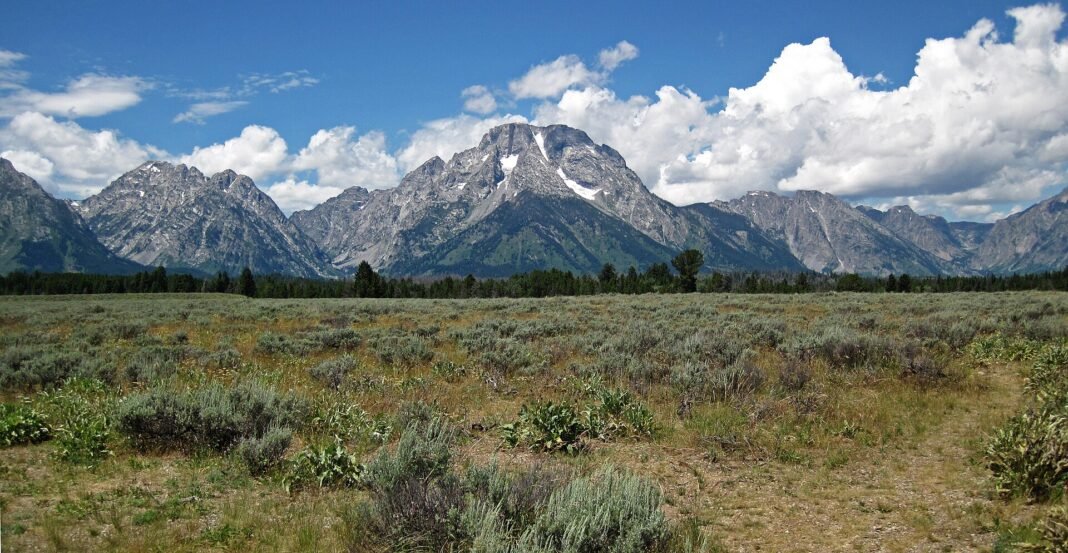
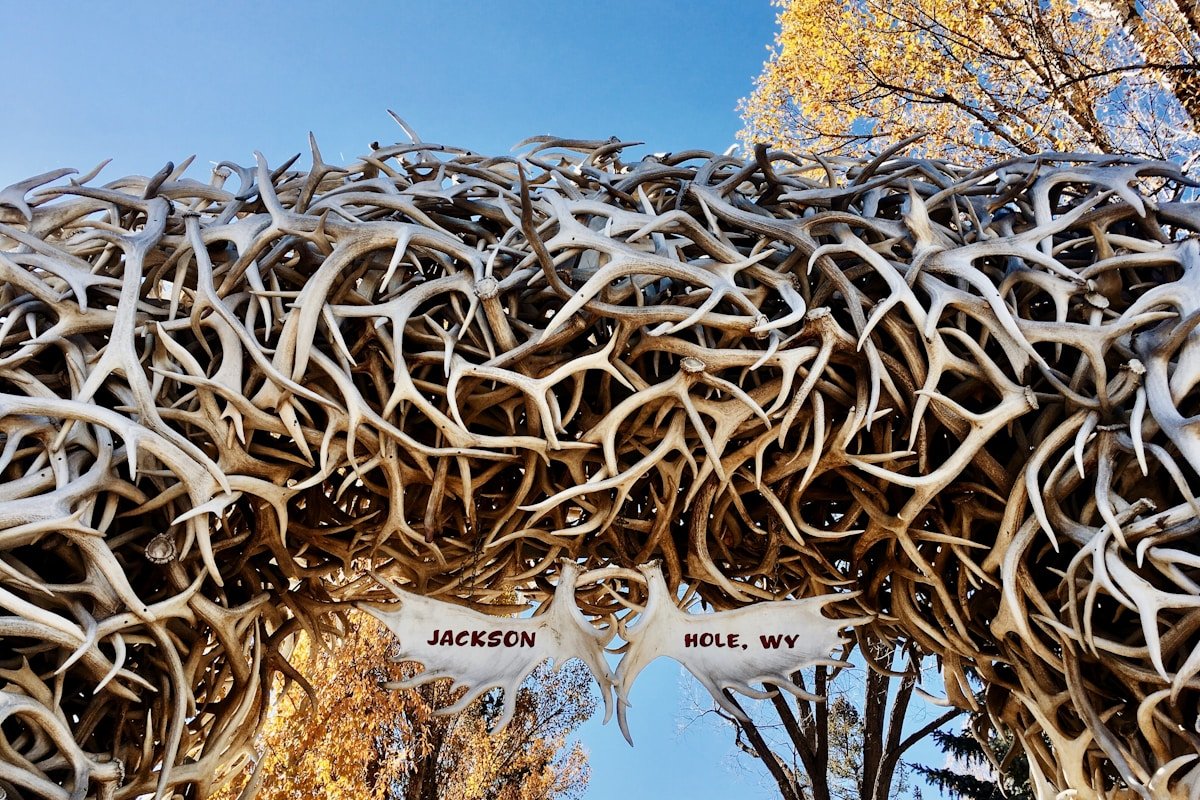
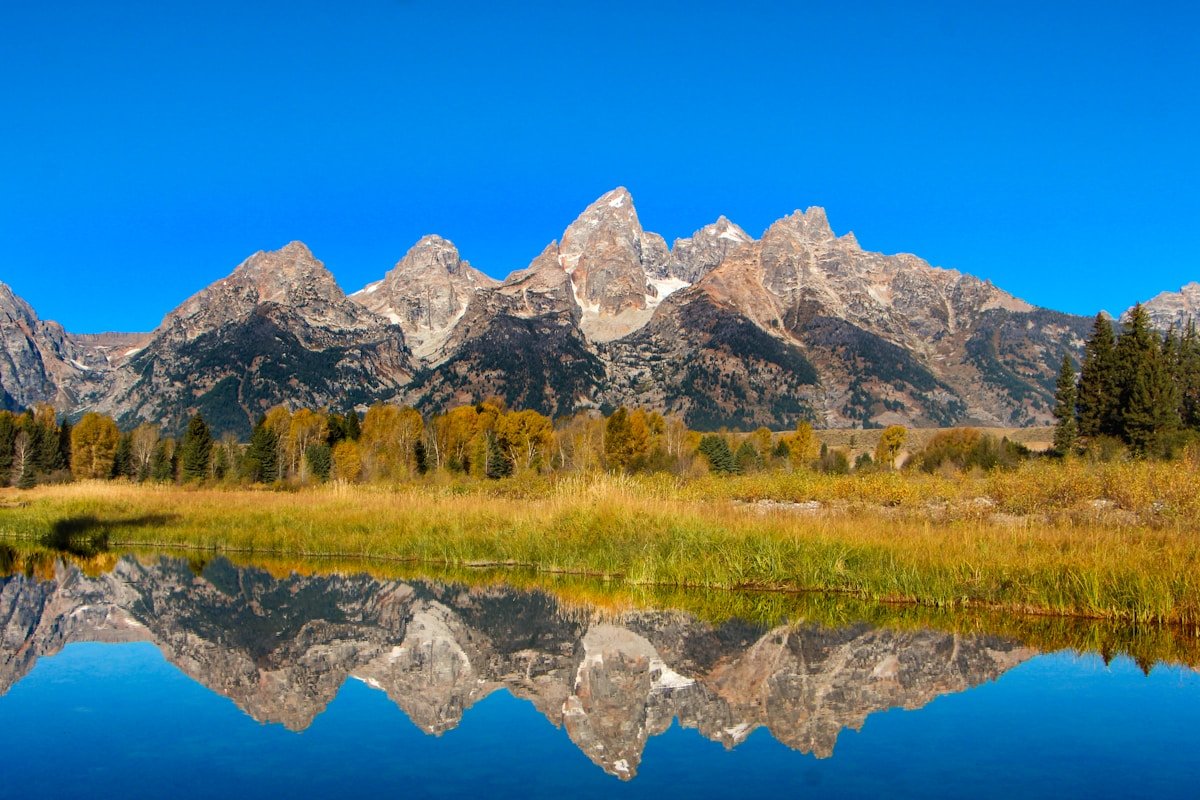
Jackson’s residential appeal is self-evident to anyone who has stood at the base of the Teton Range — the combination of world-class ski terrain (Jackson Hole Mountain Resort’s 4,139-foot vertical and expert-heavy terrain), two national parks within a 30-minute drive, and the National Elk Refuge running through the valley creates an outdoor lifestyle setting that has no domestic equivalent. The community’s cultural infrastructure (National Museum of Wildlife Art, the Center for the Arts, the repertoire of the Jackson Hole Film Festival) exceeds what most towns of 10,000 support. The caveat is equally clear: the residential market is inaccessible to most American households, workforce housing is a genuine crisis, and the community’s seasonal character creates the social challenges of any resort town at extreme scale. For the buyer who can afford it, Jackson is extraordinary; for everyone else, it’s worth visiting rather than residing.

2. Laramie: University Town at 7,165 Feet
Laramie, home of the University of Wyoming (the state’s only four-year university, 13,000 students), provides Wyoming’s most complete intellectual and cultural infrastructure in a setting that combines the university’s employment anchor with proximity to the Medicine Bow Mountains’ outdoor recreation. The university’s arts program (the UW Art Museum, the Wyoming Union’s cultural programming), Division I athletics (the Wyoming Cowboys in the Mountain West Conference), and research programs create the cultural density that distinguishes a university town from a comparably sized non-university community. The Snowy Range Mountains (just 30 miles west) provide year-round outdoor recreation — winter skiing at Snowy Range Ski Area, summer hiking in the Medicine Bow National Forest. Median home prices of $280,000–$340,000 provide genuine affordability for the quality of life available at 7,165 feet elevation.
3. Sheridan: The Best Main Street in Wyoming
Sheridan, in northern Wyoming at the base of the Bighorn Mountains, is the most architecturally intact and culturally active small Western town in Wyoming — a Main Street of Victorian commercial buildings that has been preserved and repopulated with independent restaurants, galleries, and the WYO Theater (a 1923 vaudeville house restored to active performing arts use), a fly-fishing culture built around the Bighorn River (considered the finest tail-water trout fishery in the Rocky Mountains), and a polo tradition that dates to the 1890s and persists in summer on the fields below the mountains. The Buffalo Bill Center of the West is 60 miles west in Cody; the Bighorn National Forest (1.1 million acres with the Cloud Peak Wilderness) provides the finest hiking and hunting terrain in this part of Wyoming. Median home prices $260,000–$340,000.
4. Lander: Gateway to the Wind Rivers
Lander, in Fremont County at the eastern approach to the Wind River Range, has developed a passionate following among the outdoor community — the National Outdoor Leadership School (NOLS) was founded here and maintains its international headquarters in Lander, creating a community culture deeply oriented toward backcountry skills and wilderness ethics. The proximity to the Wind River Range (the trailheads for the Popo Agie Wilderness and the southern Winds are within 20 miles) means that serious backcountry access is essentially at the doorstep. The Lander One Shot Antelope Hunt (held each September, with celebrity and dignitaries competing in one of Wyoming’s oldest hunting traditions) and the International Climbers’ Festival (July) anchor the community calendar. Median home prices $250,000–$320,000 — among the best values in Wyoming for outdoor access provided.
5. Cody: Buffalo Bill Country
Cody, founded by Buffalo Bill Cody in 1896 and serving as the eastern gateway to Yellowstone (52 miles via the Buffalo Bill Scenic Byway), is the most tourism-oriented residential community in Wyoming outside Jackson — the Buffalo Bill Center of the West (five museums in one complex, considered the finest Western heritage museum in the United States), the Cody Nite Rodeo (running nightly June–August since 1938), and the Shoshone River’s whitewater rafting anchor a tourism economy that supports 12,000 permanent residents. The Shoshone National Forest (the first national forest in the United States, established 1891) surrounding the community provides direct access to the Absaroka Range’s hunting, fishing, and backcountry wilderness. Median home prices $270,000–$360,000.
6. Pinedale: Wind River Mountains Base Camp
Pinedale, on Wyoming’s Upper Green River Valley at the western approach to the Wind River Range, is the smallest community on this list (2,500 residents) and arguably the one with the most direct access to Wyoming’s finest wilderness. Pinedale serves as the primary trailhead community for the western Winds — the Green River Lakes trailhead (17 miles north) is the most-used entry point for Titcomb Basin and the heart of the Bridger Wilderness. The Museum of the Mountain Man (commemorating the fur trade rendezvous held near Pinedale from 1825–1840) provides historical context for the valley’s deep Western heritage. For remote workers and outdoor-first households, Pinedale’s combination of direct wilderness access, median home prices around $300,000–$380,000, and Wyoming’s tax-free environment creates one of the most compelling lifestyle-to-cost ratios in the Rocky Mountain West.
Frequently Asked Questions
What makes Laramie Wyoming’s best university town?
Laramie, home of the University of Wyoming — the state’s only four-year university, with 13,000 students — provides Wyoming’s most complete intellectual and cultural infrastructure at 7,165 feet elevation. The UW Art Museum, Wyoming Cowboys Division I athletics in the Mountain West Conference, and the university’s research programs create the cultural density that distinguishes a university town from a comparably sized non-university community. The Snowy Range Mountains, 30 miles west, provide year-round outdoor recreation: winter skiing at Snowy Range Ski Area, summer hiking in Medicine Bow National Forest. Median home prices of $280,000–$340,000 provide genuine affordability for the quality of life available — a university-town intellectual environment at Mountain West outdoor access prices that have no equivalent east of the Rockies.
What makes Sheridan the most architecturally intact and culturally active small Western town in Wyoming?
Sheridan, at the base of the Bighorn Mountains in northern Wyoming, is the most architecturally intact and culturally active small Western town in Wyoming — a Main Street of Victorian commercial buildings preserved and repopulated with independent restaurants, galleries, and the WYO Theater (a 1923 vaudeville house restored to active performing arts use). The Bighorn River is considered the finest tail-water trout fishery in the Rocky Mountains; polo fields below the mountains sustain a polo tradition dating to the 1890s. The Bighorn National Forest (1.1 million acres with the Cloud Peak Wilderness) provides the finest hiking and hunting terrain in this part of Wyoming. Median home prices run $260,000–$340,000 — the best Main Street in Wyoming at genuinely accessible prices.
What makes Lander the best community for Wyoming’s outdoor recreation devotees?
Lander, at the eastern approach to the Wind River Range, has developed a passionate following among the outdoor community — the National Outdoor Leadership School (NOLS) was founded here and maintains its international headquarters in Lander, creating a community culture deeply oriented toward backcountry skills and wilderness ethics. Popo Agie Wilderness and southern Wind River Range trailheads are within 20 miles. The Lander One Shot Antelope Hunt (September, one of Wyoming’s oldest hunting traditions) and the International Climbers’ Festival (July) anchor the community calendar. Median home prices of $250,000–$320,000 represent among the best values in Wyoming for the outdoor access provided — direct Wind River Range access at prices well below what similar mountain access costs in Jackson or Colorado.
What makes Cody Wyoming’s most tourism-oriented residential community?
Cody, founded by Buffalo Bill Cody in 1896 and serving as the eastern gateway to Yellowstone (52 miles via the Buffalo Bill Scenic Byway), is the most tourism-oriented Wyoming residential community outside Jackson. The Buffalo Bill Center of the West — five museums in one complex, considered the finest Western heritage museum in the United States — anchors a cultural infrastructure that supports 12,000 permanent residents. The Cody Nite Rodeo has run nightly June through August since 1938. The Shoshone National Forest — the first national forest in the United States, established 1891 — surrounds the community with direct Absaroka Range access for hunting, fishing, and backcountry wilderness. Median home prices run $270,000–$360,000.
What makes Pinedale the best base camp community for Wyoming’s wilderness access?
Pinedale, on the Upper Green River Valley at the western approach to the Wind River Range, is the smallest community highlighted in Wyoming’s best places to live (2,500 residents) and the one with the most direct access to Wyoming’s finest wilderness. The Green River Lakes trailhead, 17 miles north, is the most-used entry point for Titcomb Basin and the heart of the Bridger Wilderness. The Museum of the Mountain Man commemorates the fur trade rendezvous held near Pinedale from 1825–1840. For remote workers and outdoor-first households, Pinedale combines direct wilderness access, median home prices around $300,000–$380,000, and Wyoming’s tax-free environment (no state income tax, no inheritance tax) into one of the most compelling lifestyle-to-cost ratios in the Rocky Mountain West.