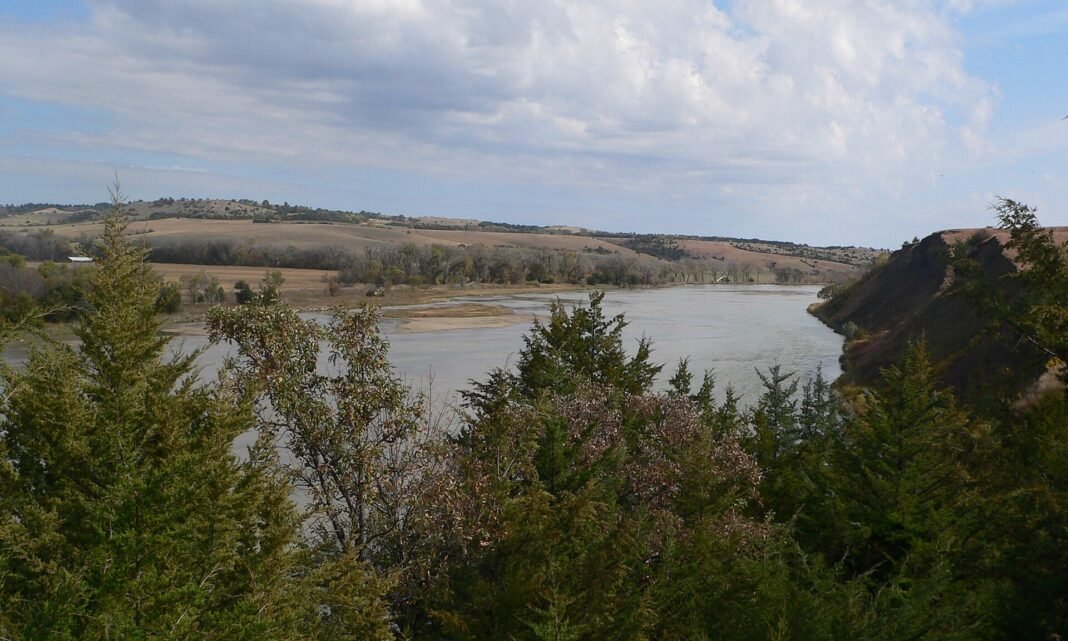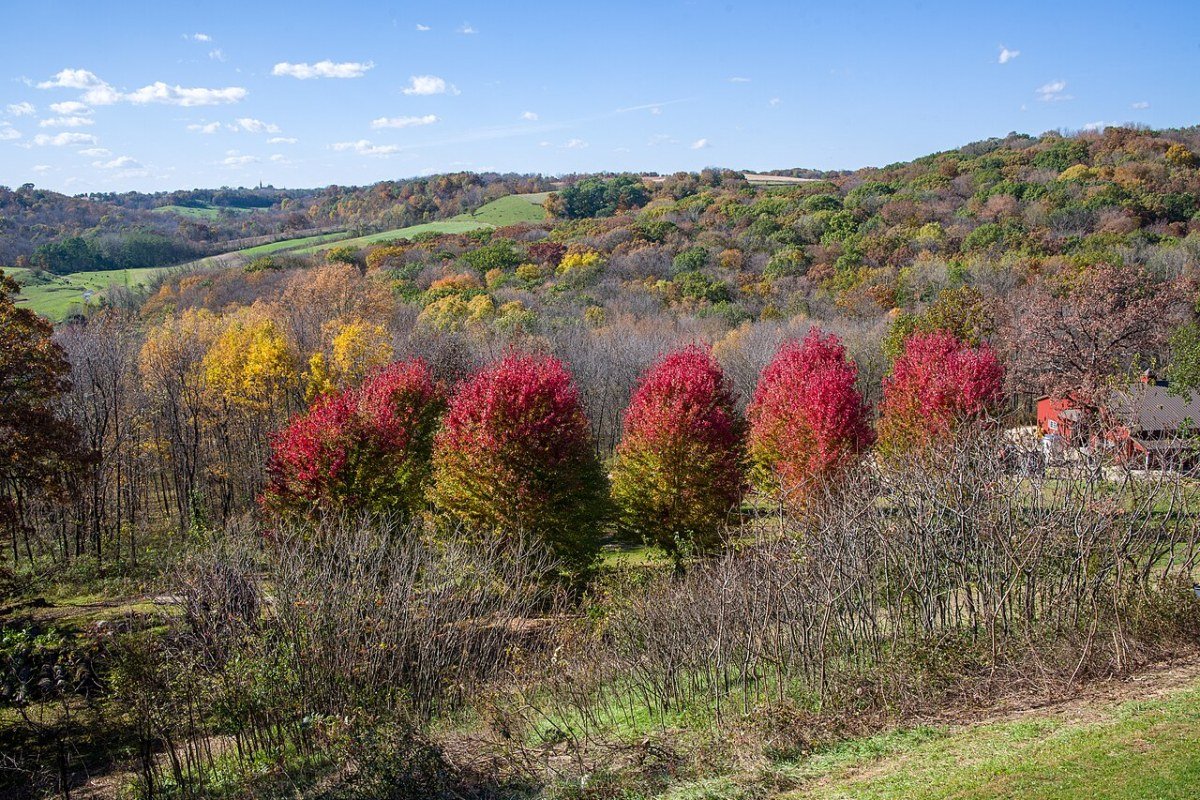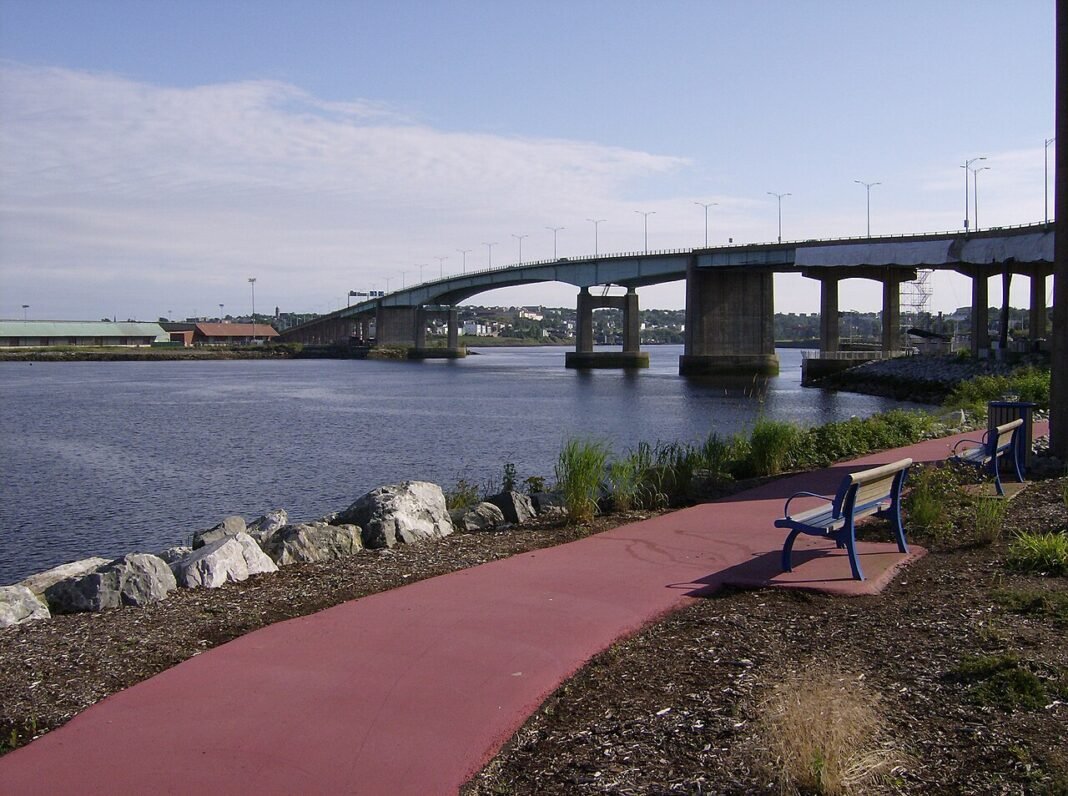
New Brunswick reliably lands near the bottom of Canada’s cost-of-living tables, and the reasons are structural rather than seasonal. Housing is cheap by national standards, utility rates are among the steadiest in Atlantic Canada, and a small, dispersed population keeps commuting times and daily expenses low. The result is a household budget that bears little resemblance to one in Ontario, British Columbia, or Alberta. Moncton detached homes sit in the CAD $350,000–$430,000 range, Fredericton’s older inner-city streets run CAD $300,000–$420,000, and Saint John still offers Victorian Uptown row houses from around CAD $200,000 for buyers willing to renovate. Add a coastline that costs nothing to enjoy — the Bay of Fundy shore, the Fundy Trail, the Acadian beaches of the northeast — and the province’s appeal to anyone watching their money becomes easy to understand.
New Brunswick Cost at a Glance 2026
- Moncton average house price: roughly CAD $400,000 aggregate in early 2026; detached homes near CAD $420,000
- Fredericton average house price: roughly CAD $380,000 in early 2026 (capital city)
- Saint John average house price: roughly CAD $380,000, with entry-level Uptown heritage homes from CAD $200,000
- Smaller centres (Bathurst, Campbellton, Miramichi): CAD $150,000–$250,000
- Rural New Brunswick: CAD $90,000–$200,000 for properties with acreage
- NB Power electricity: Average residential CAD $1,200–$1,900/year; among the lowest rates in the region
- HST (Harmonized Sales Tax): 15% (5% federal GST + 10% provincial)
- Provincial income tax: 9.4%–19.5% depending on bracket; competitive with other Atlantic provinces
Moncton: The Value Leader
Moncton is the most strategically placed city in Atlantic Canada, and its housing still undercuts the major centres of central Canada by a wide margin even after several years of brisk price growth:
- Moncton core (downtown, Main Street): Urban condos and converted commercial buildings from CAD $230,000–$360,000; the restaurant and arts scene along a rebuilt Main Street anchors inner-city life
- Established residential (Lewisville, Sunny Brae): 1950s–1980s detached housing at CAD $320,000–$430,000 in the city’s most family-oriented streets, with solid school access
- Dieppe: The French-majority suburb next to Moncton, where new detached homes and townhouses run CAD $350,000–$450,000; it is the fastest-growing community in the metropolitan area
- Riverview: The bedroom community on the south bank of the Petitcodiac, with established detached housing around CAD $300,000–$400,000, river views, and easy park access

Fredericton and Saint John: The Capital and the Port
- Fredericton (Skyline Acres, Brookside): The capital’s established west-side neighbourhoods offer detached family housing at CAD $320,000–$430,000, close to the University of New Brunswick and the provincial-government employment base
- Fredericton North: More affordable detached and semi-detached housing at CAD $260,000–$340,000; the river-facing lots on the north shore deliver Saint John River views below the city average
- Saint John Uptown: The Victorian terraces of the King Street corridor and the surrounding heritage district, where renovated row houses and commercial conversions start near CAD $200,000 — a deep stock of period housing for buyers ready to take on the work
- Kennebecasis Valley (Rothesay, Quispamsis): The KV suburbs east of Saint John, with established detached housing at CAD $350,000–$480,000 and access to the river’s recreational reach above the reversing falls
Utilities, Transportation, and Daily Costs
- NB Power: The provincial Crown utility draws on a mix of hydro, nuclear (Point Lepreau), and thermal generation, which holds residential rates unusually flat from one year to the next; typical bills run CAD $100–$160/month
- Natural gas: Liberty Utilities — the distributor formerly known as Enbridge Gas New Brunswick — serves Moncton, Fredericton, and Saint John, where heating a well-insulated home costs CAD $1,200–$1,800/year depending on size and efficiency
- Vehicle costs: New Brunswick uses a private auto-insurance market rather than a public monopoly, so competitive rates apply; standard coverage averages CAD $1,100–$1,500/year. Provincial travel resources outline distances between the main centres, which are short by Canadian standards
- Groceries: The major Atlantic chains (Sobeys, Atlantic Superstore, Costco in Moncton) set prices in line with the rest of the region; lobster, salmon, and other seafood bought near Acadian fishing communities cost a fraction of what any inland province pays
- Childcare: Under the federal-provincial early-learning agreement, regulated centres in New Brunswick have cut parent fees by roughly half toward an average target of $10/day, though spaces remain in demand and the reduced rate is not yet universal
Wages and Employment Income
New Brunswick‘s pay scales follow its economy — a blend of public-sector stability, resource jobs, and a slowly expanding knowledge sector:
- Public sector: Moncton’s federal offices (Service Canada, Employment and Social Development Canada, the Canada Revenue Agency’s bilingual operations) and Fredericton’s provincial government provide reliable professional wages of CAD $55,000–$90,000 and up
- Healthcare: Vitalité (French) and Horizon (English) run the province’s two hospital networks; registered nurses earn roughly CAD $65,000–$95,000, in line with Atlantic Canada norms
- Forestry and pulp: J.D. Irving’s extensive forestry and sawmill operations employ equipment operators and forest-management staff at CAD $55,000–$80,000
- Minimum wage: New Brunswick’s minimum wage rose to CAD $15.90/hour on 1 April 2026, up from CAD $15.65, and is indexed each year to the provincial consumer price index
Property tax combines a municipal rate and a provincial rate applied to assessed value, and the provincial share sits among the lower in Atlantic Canada. Total annual property tax on a CAD $300,000 Moncton home typically runs CAD $3,500–$4,800 depending on the municipality — comparable to Nova Scotia and below Ontario equivalents. Buyers should also budget for the province’s land transfer tax of 1% of the greater of the property’s assessed value or sale price, payable on closing.
Budgeting Practically for New Brunswick
The figures above set the floor; your actual costs depend on choices you control. Housing is the biggest lever in almost any budget, and where you buy within the province — Saint John’s heritage core versus a new build in Dieppe, say — can swing your monthly outlay by hundreds of dollars while keeping you near the amenities you care about. Utilities, transport, and groceries are smaller line items, but the gap between an oil-heated rural house and a gas-heated home in the city adds up over a winter. Treat these numbers as a starting frame and check current listings and rents for your target neighbourhood, since local markets move faster than the annual cost-of-living surveys that track them.
Frequently Asked Questions
Is New Brunswick the most affordable province in Atlantic Canada?
It is consistently among the most affordable. In early 2026 Moncton’s average home price sits near CAD $400,000, Fredericton and Saint John each around CAD $380,000 — all well below Ontario and British Columbia. Smaller centres such as Bathurst, Campbellton, and Miramichi run CAD $150,000–$250,000, and rural properties with acreage start around CAD $90,000. Saint John’s Victorian Uptown still has heritage row houses from roughly CAD $200,000 for buyers prepared to renovate. Short commutes across all three main centres keep transport costs low too.
What is NB Power electricity like?
Moderate and predictable — NB Power residential electricity averages CAD $1,200–$1,900/year. The utility’s mix of hydro, nuclear (Point Lepreau), and thermal generation cushions it from the price swings seen in more coal-dependent provinces. Homes on the gas network in Moncton, Fredericton, and Saint John pay CAD $1,200–$1,800/year to heat a well-insulated house. Private-market auto insurance averages CAD $1,100–$1,500/year.
What is New Brunswick’s HST rate?
15% — a 5% federal GST plus a 10% provincial share, the same combined rate as Newfoundland and Labrador and Prince Edward Island. Basic groceries, prescription drugs, and children’s clothing are exempt. It is a heavier sales-tax load than the Prairie provinces (Saskatchewan around 11% combined; Alberta just the 5% GST), so it is worth factoring into day-to-day cost comparisons. Provincial income tax runs from 9.4% to 19.5%, competitive within the Atlantic region.
Is Moncton a good base for federal bilingual employment?
Yes — Moncton is the federal government’s main bilingual-operations hub outside Ottawa. Service Canada, Employment and Social Development Canada, and the Canada Revenue Agency all run significant bilingual operations there, with professional positions paying CAD $55,000–$90,000 and up. As an officially bilingual city, Moncton is also the commercial centre of Acadian New Brunswick. Fredericton offers provincial-government and university employment, while Dieppe — the French-majority suburb next door — is the province’s most active new-housing market.
What are property taxes like in New Brunswick?
Moderate for the region — a CAD $300,000 Moncton home typically carries CAD $3,500–$4,800/year in combined municipal and provincial property tax, comparable to Nova Scotia and below Ontario. Rates vary by municipality and assessment; Saint John sits at the higher end, reflecting its industrial infrastructure, while smaller communities tend to be lighter. Buyers also pay a one-time land transfer tax of 1% of the greater of the property’s assessed value or sale price on closing. Beyond that, the Bay of Fundy shoreline, the Fundy Trail, and the Acadian coast are no-cost assets open to every resident.