The north of England has long suffered from a southern-centric bias in British travel writing — dismissed as a post-industrial afterthought rather than the culturally rich, historically layered, and strikingly beautiful region it actually is. Manchester, Liverpool, York, the Yorkshire Dales, the Peak District, Hadrian’s Wall — these are places that reward serious travel, and they do so with far less competition for tables, beds, and viewpoints than the south. If you’re planning a trip to England and only including London on the itinerary, you’re missing the better half of the country.
Manchester: Britain’s Second City in Everything But Name
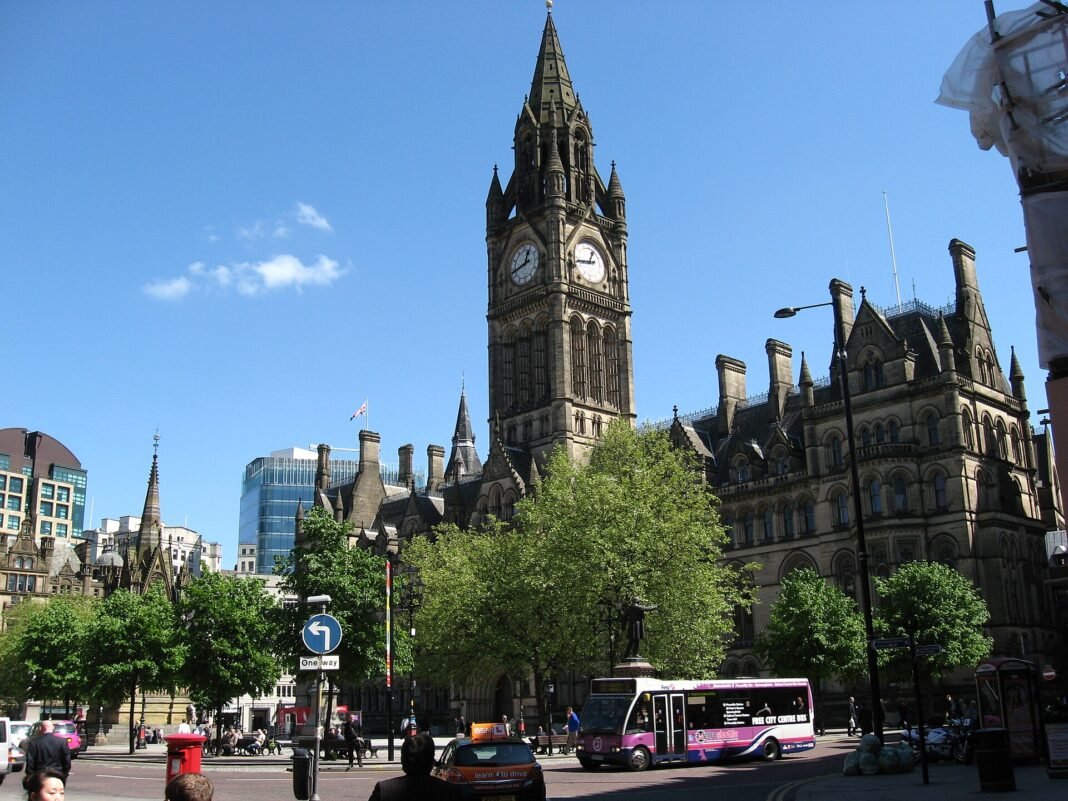
Manchester is the cultural engine of northern England — the city that drove the Industrial Revolution, gave the world the cooperative movement, and produced a musical legacy (Oasis, The Smiths, Joy Division, New Order, The Courteeners) that has shaped global popular culture for half a century. It has reinvented itself comprehensively since its industrial decline in the 1970s and 80s, and what’s emerged is a confident, genuinely exciting place.
The Northern Quarter is the city’s creative heartland — independent music venues, vintage record shops, speciality coffee, independent clothing dealers, and small galleries crammed into a compact grid of Victorian streets. Ancoats, once the world’s first industrial suburb, has been regenerated into one of Manchester’s best restaurant neighbourhoods, with Rudy’s Neapolitan Pizza, Elnecot, and the Michelin-starred Mana among the names worth booking. The Spinningfields and Deansgate area anchors the financial district with glass towers and high-end bars. Canal Street in the Village is the centre of Manchester’s long-established LGBTQ+ community.
The free museums are a highlight: the Manchester Museum (natural history and anthropology, reopened in 2023 with the UK’s first permanent South Asian gallery), the Manchester Art Gallery (with a notable Pre-Raphaelite collection, free admission), and the Science and Industry Museum, set in the world’s oldest surviving passenger railway station (Liverpool Road, opened 1830). Football fans will want Old Trafford (Manchester United, tours and a club museum on site) and the Etihad Stadium (Manchester City). The two clubs’ mutual antipathy is a living part of the city’s culture, best experienced from a safe distance.
Liverpool: Beatles, Docks, and Football Culture
Liverpool, 34 miles west of Manchester and about 45 minutes away by train, deserves a full day or two on any northern England itinerary. The Royal Albert Dock — a UNESCO World Heritage waterfront of Victorian warehouses — is the heart of the visit, with the Beatles Story telling the band’s history through immersive recreations that land even for casual fans. A note on timing: the dock’s three national museums are mid-transformation. Tate Liverpool has decamped to RIBA North on Mann Island while its gallery is rebuilt (reopening expected in 2027), and both the Merseyside Maritime Museum and the International Slavery Museum closed in early 2025 for a major redevelopment and are due to reopen in 2028. Check current status before you plan a museum-heavy day. The Cavern Club on Mathew Street, where the Beatles played 292 times, is still open and hosts live music nightly.
Liverpool’s architecture is a draw in its own right — the Royal Liver Building, the Cunard Building, and the Port of Liverpool Building (the “Three Graces” facing the Mersey) rank among the finest Edwardian commercial buildings in Britain. The food scene has grown into something genuinely impressive over the past decade, with the Baltic Triangle concentrating the city’s most interesting independent restaurants and bars.

York: Two Thousand Years in One City
York is one of the most complete historic cities in Europe — Roman walls, Viking heritage (Jorvik), a Norman castle (Clifford’s Tower), a Gothic cathedral (York Minster, among the largest in northern Europe), the medieval Shambles, Georgian streets, and Victorian railways all layered on top of each other in a compact centre that takes 20 minutes to walk across. The National Railway Museum (the world’s largest, and free) alone is worth the trip. The Bar Walls (about two miles, mostly walkable) trace a circuit of the entire historic city at roof height.
The city is also the gateway to the Yorkshire Dales National Park, the North York Moors, and the East Yorkshire coast — all within 30–60 minutes by car or bus. The Dales have the classic limestone scenery (Malham Cove, Gordale Scar, the waterfalls of Aysgarth) and the literary pilgrimage of Haworth, where the Brontë sisters wrote their novels from the windswept parsonage now preserved as a museum.
The Peak District: England’s First National Park
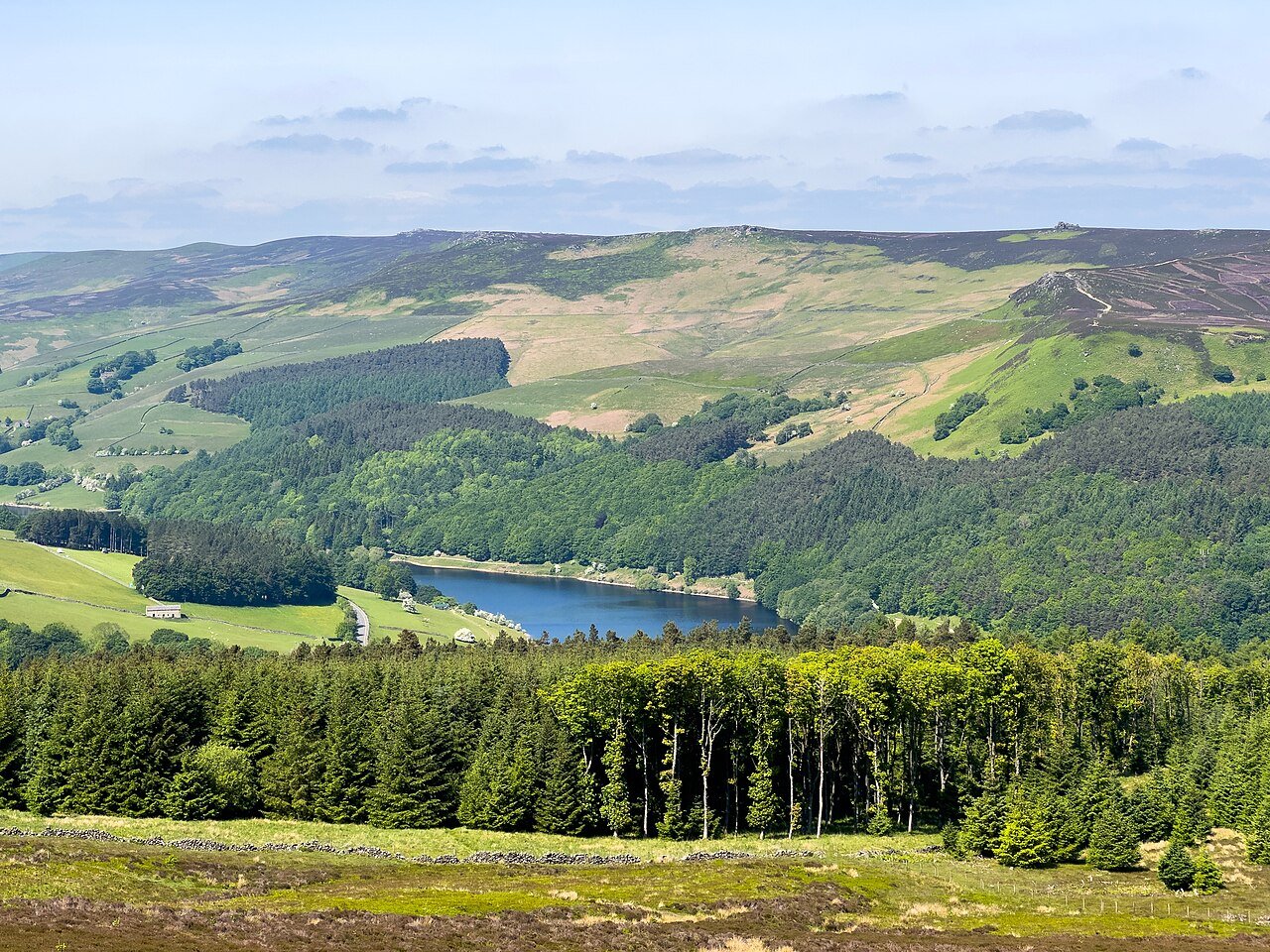
The Peak District, reachable from both Manchester (30 minutes) and Sheffield (20 minutes), became Britain’s first national park in 1951 and remains among its most visited. The Dark Peak in the north is moorland and gritstone — the Kinder Scout plateau, where the Mass Trespass of 1932 helped establish the right to roam, offers bracing walks with views across the industrial cities far below. The White Peak in the south is limestone country, where the Dovedale gorge, Monsal Dale, and the medieval town of Bakewell (home of the Bakewell tart) make the case. Chatsworth House, one of the great country houses of England and home of the Duke of Devonshire, sits just outside Bakewell — the house, gardens, and farm shop fill a full day comfortably.
Durham and Northumberland
Durham Cathedral, standing on its dramatic river peninsula above the River Wear, ranks among the finest Norman buildings in Europe — the nave, with its massive rounded pillars carved in geometric zigzag patterns, has a solemnity and power few churches can match. The cathedral and the adjacent Norman castle (now part of Durham University) together form a UNESCO World Heritage Site that draws far fewer visitors than it deserves.
Northumberland, England’s least densely populated county, is one of its wildest and most rewarding regions to explore. Hadrian’s Wall — the 73-mile Roman fortification built from AD 122 across the width of Britain — runs through the county’s central belt, with Housesteads Fort and the section near Steel Rigg offering the boldest scenery. Bamburgh Castle, on the Northumberland coast, sits on a basalt crag above a white sand beach, with the Farne Islands (puffins, grey seals) visible offshore — one of the most theatrically sited castles in the British Isles. Alnwick Castle (Hogwarts in the early Harry Potter films) and the Alnwick Garden add cultural depth to an already remarkable landscape.
Getting to the North
Manchester Piccadilly is the main rail hub for the north — direct services from London Euston (around 2 hours 6 minutes on the fastest trains), Birmingham New Street (1 hour 20 minutes), and Edinburgh (2 hours 40 minutes). Liverpool Lime Street connects to London Euston in 2 hours. York sits on the East Coast Main Line, 2 hours from London King’s Cross. Advance train tickets from London to Manchester can be as low as £15–£30 one-way; walk-up fares cost considerably more. Manchester Airport is the UK’s third busiest, with direct flights to Manchester from North America, Europe, and across the UK.
Frequently Asked Questions
What makes Manchester worth visiting and what are the best things to do?
Manchester is the cultural engine of northern England — the city that drove the Industrial Revolution, gave the world the cooperative movement, and produced a musical legacy (Oasis, The Smiths, Joy Division, New Order) that shaped global popular culture for half a century. The Northern Quarter is the creative heartland — independent music venues, vintage record shops, speciality coffee, and small galleries in Victorian streets. Ancoats, the world’s first industrial suburb turned regenerated restaurant neighbourhood, holds the city’s best dining. The free museums are a highlight: the Science and Industry Museum (in the world’s oldest surviving passenger railway station, opened 1830), the Manchester Museum (reopened in 2023 with the UK’s first permanent South Asian gallery), and the Manchester Art Gallery (notable Pre-Raphaelite collection). Old Trafford and the Etihad Stadium both offer tours for football fans.
What does Liverpool offer and why should visitors go?
Liverpool, 34 miles west of Manchester and about 45 minutes by train, is one of Britain’s most rewarding cities. The Royal Albert Dock — a UNESCO World Heritage waterfront of Victorian warehouses — anchors the visit, with the Beatles Story museum on site. Note that the dock’s three national museums are mid-redevelopment: Tate Liverpool has moved temporarily to RIBA North on Mann Island (its gallery reopens around 2027), while the Merseyside Maritime Museum and the International Slavery Museum closed in early 2025 for a major rebuild and reopen in 2028 — check current status before planning around them. The Cavern Club on Mathew Street, where the Beatles played 292 times, hosts live music nightly. Liverpool’s architecture is a draw in itself: the Three Graces (Royal Liver Building, Cunard Building, Port of Liverpool Building) form one of Britain’s finest Edwardian waterfronts. The Baltic Triangle concentrates the city’s most interesting independent restaurants and bars.
What is York and why is it one of the most historic cities in England?
York is one of the most complete historic cities in Europe — Roman walls, Viking heritage, a Norman castle (Clifford’s Tower), a Gothic cathedral (York Minster, among the largest in northern Europe, with more medieval stained glass than any other building in Britain), the medieval Shambles, Georgian streets, and Victorian railways all layered together in a compact centre that takes 20 minutes to walk across. The National Railway Museum — the world’s largest railway museum, and free — alone is worth the trip. The Bar Walls (about two miles, mostly walkable) trace a circuit of the entire historic centre. York is the gateway to the Yorkshire Dales National Park (Malham Cove, Gordale Scar, Aysgarth Falls) and the North York Moors, both within 30–60 minutes by car or bus.
What does the Peak District offer and why is it significant?
The Peak District became Britain’s first national park in 1951 and remains among its most visited. It is reachable from both Manchester (30 minutes) and Sheffield (20 minutes), making it a rare slice of upland wilderness on the edge of two big cities. The Dark Peak in the north is moorland and gritstone — Kinder Scout, where the Mass Trespass of 1932 helped establish England’s right to roam, is the emblematic landscape. The White Peak in the south is limestone country — the Dovedale gorge, Monsal Dale, and the medieval market town of Bakewell (where Bakewell tart originates). Chatsworth House — one of the great country houses of England and home of the Duke of Devonshire — sits just outside Bakewell, with the house, gardens, and farm shop filling a full day.
What does Durham and Northumberland offer in northeast England?
Durham Cathedral, standing on its river peninsula above the River Wear, is among the finest Norman buildings in Europe — the nave’s massive rounded pillars carved with geometric patterns create an atmosphere of real power. The cathedral and the adjacent Norman castle form a UNESCO World Heritage Site that draws far fewer visitors than it deserves. Northumberland, England’s least densely populated county, holds Hadrian’s Wall (the 73-mile Roman frontier fortification built from AD 122 — among the most significant Roman frontiers anywhere, a UNESCO World Heritage Site), with Housesteads Fort and the Steel Rigg section offering the boldest scenery. Bamburgh Castle sits on a basalt crag above white sand beaches, with the puffin and grey seal colonies of the Farne Islands visible offshore. Alnwick Castle (Hogwarts in the first two Harry Potter films) and the Alnwick Garden complete the picture.