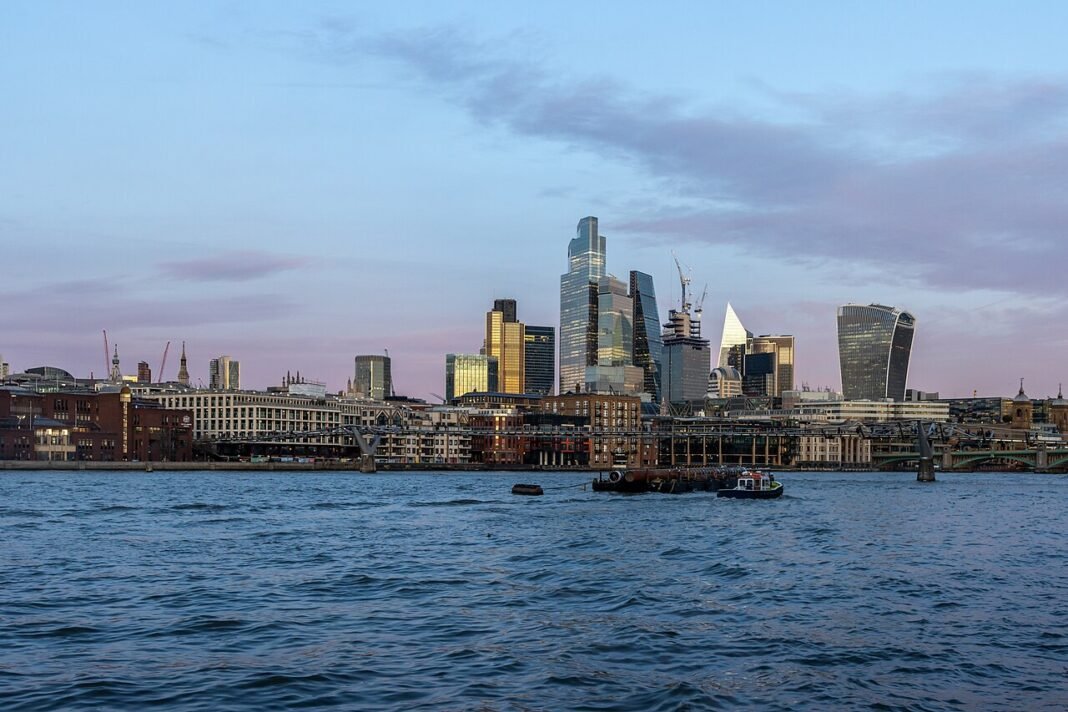
London is one of the world’s great cities — sprawling, complex, inexhaustible, and constantly reinventing itself while maintaining an unmistakable character. It’s a city where 300 languages are spoken on the streets, where a Roman amphitheatre sits beneath a modern office building, where the world’s oldest underground railway runs under some of the world’s most expensive real estate. First-time visitors consistently underestimate its scale (Greater London is home to nearly 9 million people across 1,572 square kilometres) and overestimate the time they’ll need for the tourist trail. The trick is to pick a neighbourhood, walk it slowly, eat its food, and trust that the city will reveal itself in ways that no itinerary can fully plan for.
Getting Around London
The London Underground (the Tube — opened 1863, the world’s first metro) connects virtually every part of the central city. Use an Oyster card or contactless bank card rather than paper tickets — fares are significantly cheaper and a daily cap prevents overcharging regardless of how many journeys you make. The bus network covers the entire city and costs the same as the Tube; the iconic red double-deckers on the central routes provide the best street-level view of the architecture. The Elizabeth Line (Crossrail, opened 2022) connects Heathrow to central London in about 30 minutes — far faster than the alternatives and, at £15.50 on contactless or Oyster (2026 fare), a fraction of the Heathrow Express price. Walking between adjacent neighbourhoods is nearly always quicker than the Tube once you factor in descending to the platform, and far more interesting. South Kensington to Westminster, Borough Market to Tate Modern, Shoreditch to Brick Lane — all are easy, pleasant walks that reveal the city better than any carriage does.
The Free Museums: London’s Greatest Asset
London‘s national museums are free — permanently, for everyone, for the permanent collections. This fact is still surprising to many international visitors and should anchor any London itinerary:
- The British Museum (Bloomsbury): An unrivalled survey of human history — the Rosetta Stone, the Elgin Marbles, Egyptian mummies, Sutton Hoo helmet, Lewis Chessmen. Allow a full day and still not see everything.
- The Natural History Museum (South Kensington): A cathedral-like Victorian building housing dinosaur skeletons, meteorites, a blue whale suspended from the ceiling, and the Vault (gems and minerals, including the Aurora Pyramid of Hope, the world’s largest collection of coloured diamonds).
- Victoria and Albert Museum (South Kensington): The national museum of art and design — fashion, furniture, jewellery, ceramics, photography, textiles — across 145 galleries in a labyrinthine Victorian building.
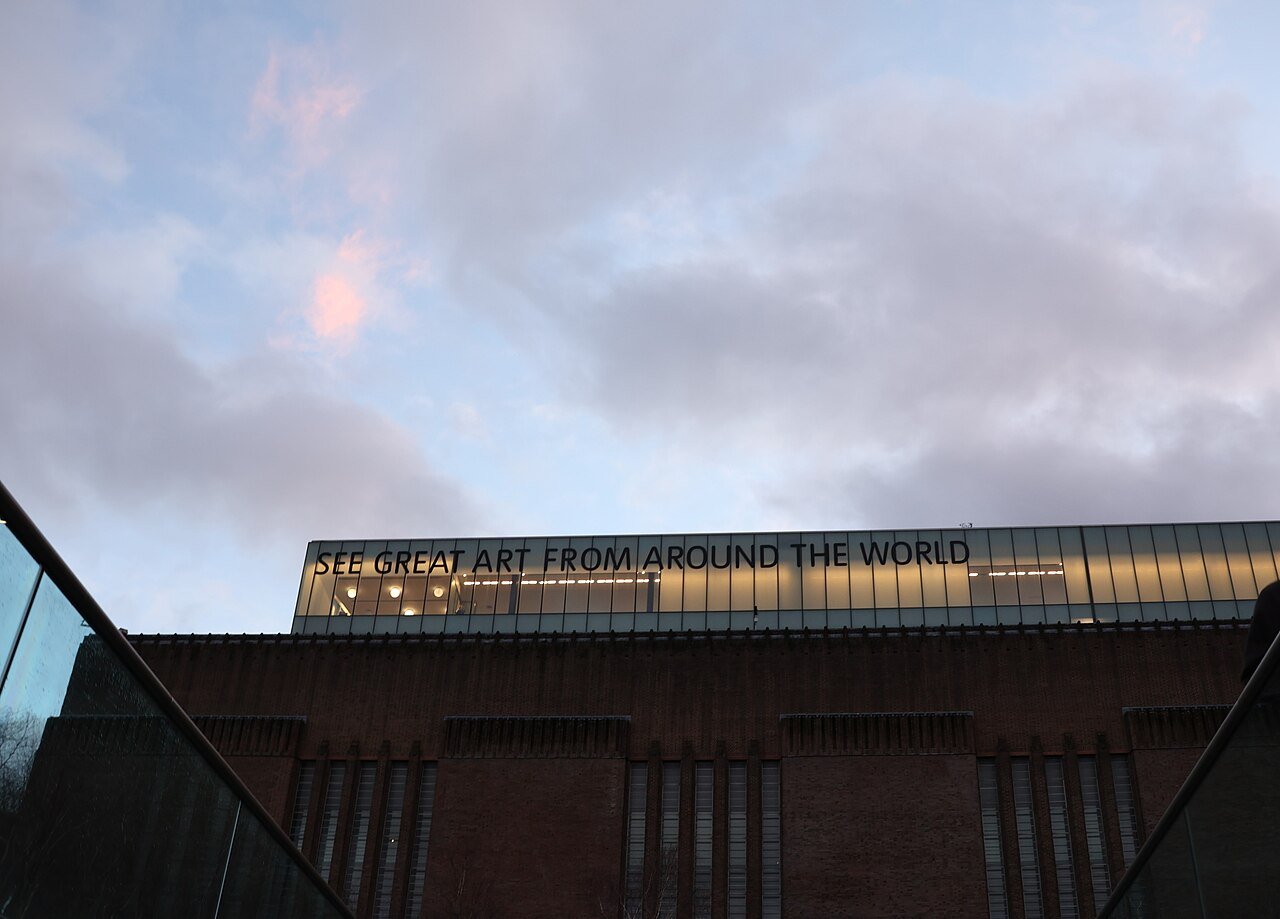
- Tate Modern (Bankside): International modern and contemporary art in a spectacular converted Bankside Power Station, with the Turbine Hall regularly housing massive site-specific commissions.
- National Gallery (Trafalgar Square): One of Europe’s finest collections of Western European painting — Botticelli, Leonardo, Velázquez, Rembrandt, Turner, Constable, Monet, Van Gogh.
- National Portrait Gallery (reopened June 2023 after a three-year, £41 million refurbishment): British history and culture through portraiture — Holbein, Reynolds, Gainsborough, and contemporary photography.

London’s Best Neighbourhoods to Explore
Shoreditch and Brick Lane
Shoreditch in East London is the city’s most creative neighbourhood — street art covering every available wall, independent galleries in converted railway arches, some of the capital’s best cocktail bars, and a restaurant density that rivals the West End at half the price. The Old Street “Silicon Roundabout” has made Shoreditch the centre of London’s tech start-up culture, yet the area keeps its artistic character. Brick Lane, immediately to the southeast, is the heart of London’s Bangladeshi community — the curry houses live up to the reputation — and home to the Sunday Upmarket, second-hand bookshops, and the converted Truman Brewery complex with its independent galleries and food stalls. Columbia Road Flower Market (Sunday mornings only) is one of London’s great sensory experiences.
Borough Market and the South Bank
Borough Market, open Tuesday to Sunday near London Bridge (closed Mondays), is one of the finest food markets in Britain — a covered Victorian market under the railway arches with exceptional cheese, charcuterie, bread, oysters, hot street food, and specialty ingredients from around the world. The surrounding South Bank corridor — Tate Modern, the Globe Theatre, the Shard, HMS Belfast, City Hall, and the Queen’s Walk along the riverbank — provides one of London’s finest free walks. The Southwark Cathedral and the remains of the Roman amphitheatre at the Guildhall (free to view) add historical depth to what is otherwise a cultural and culinary district.
Notting Hill and Portobello Road
Notting Hill’s pastel-coloured townhouses and the Portobello Road market (antiques and vintage on Saturday, fruit and vegetables daily) are among London’s most photographed streets. The Notting Hill Carnival (held on the August bank holiday weekend) is the largest street festival in Europe — approximately 2 million people over the August bank holiday weekend, Caribbean food, sound systems, and costumed bands that parade through the streets. Holland Park, immediately south, is one of London’s quietest and most beautiful parks, with a Japanese-style garden and peacocks wandering freely.
London’s Food Scene
London ranks among the world’s great restaurant cities — a reputation it took decades to earn but now holds beyond dispute. The range on offer mirrors the capital’s multicultural make-up: standout Bangladeshi curry in Brick Lane and Tooting, dim sum in Chinatown (Gerrard Street), Nigerian cooking in Peckham, Japanese in South Kensington, Peruvian in Fitzrovia. For something specifically British, St John in Smithfield (Fergus Henderson’s nose-to-tail restaurant, widely credited with launching the modern British food movement), the Harwood Arms in Fulham (the only Michelin-starred pub in London), and Rochelle Canteen in Shoreditch (seasonal British cooking in a former school bike shed) are the landmarks. The market scene — Borough Market, Broadway Market (Saturday in Hackney), Maltby Street Market (weekends in Bermondsey) — delivers serious eating at street-food prices. A good dinner here needn’t cost much: first-rate Vietnamese on Kingsland Road (Dalston), Caribbean in Brixton, and Japanese ramen near Piccadilly can all be had for £12–18 per person.
Day Trips from London
- Windsor (40 min by train): Windsor Castle — the oldest and largest inhabited castle in the world, continuously occupied since William the Conqueror — is the most popular day trip from London. The Changing of the Guard ceremony is worth timing your visit around (check online for dates and times). Windsor Great Park (free) adds a fine walking option.
- Bath (1.5 hr by train from Paddington): The Roman Baths (the most complete Roman bathing complex in northern Europe), honey-stone Georgian terraces, a strong independent restaurant scene, and a compact, walkable city centre. Book the Roman Baths timed entry in advance for summer visits.
- Stonehenge and Salisbury (2 hr by train): The prehistoric monument needs no introduction; pair it with Salisbury Cathedral (home to one of the four surviving original copies of Magna Carta) for a full day.
- Brighton (1 hr by train): A characterful, faintly bohemian seaside city with the Royal Pavilion (the most extraordinary building in England — a Regency-era royal fantasy of Indian domes and Chinese interiors), strong restaurants, independent shops, and a genuinely lively arts scene.
- Oxford (1 hr by train from Paddington): The university city’s college architecture, the Bodleian Library, the Ashmolean Museum (free), and the covered market make for a full and rewarding day.
Practical Tips
When to visit: London works year-round. Spring (April–June) brings long evenings and the gardens in flower. Summer (July–August) is busy and warm. Autumn (September–October) has lovely light, smaller crowds, and the start of the theatre and cultural season. December brings Christmas markets and a proper festive atmosphere in the department stores (Liberty, Selfridges, Fortnum and Mason). Where to stay: The best-value neighbourhoods for accommodation are London Bridge/Bermondsey, Shoreditch, and King’s Cross — all well-connected by Tube and cheaper than Mayfair or South Kensington. Budget options (Premier Inn, Travelodge, YHA hostels) are available throughout the city; book well in advance for summer. Booking museums: Most free museums have adopted timed-entry booking systems — book a free slot online before visiting to avoid queues, especially for the Natural History Museum and British Museum in peak season.
Frequently Asked Questions
What free museums and cultural attractions does London offer?
The blanket free admission to national collections is, by any honest accounting, the single most generous arrangement any major capital extends to its visitors. Permanent galleries cost nothing — Egyptian mummies, Velázquez, the Sutton Hoo helmet, all of it — and only the special exhibitions are ticketed. A practical approach helps: the British Museum and the V&A each demand a full afternoon, and visitors who attempt both in one day tend to retain nothing from either. Better to pick one and commit. Donations boxes at the entrance are unmissable for a reason, and a fiver dropped in goes further than most realise toward keeping the model viable. The lesser-known wins matter too. The Wallace Collection in Marylebone (Fragonard’s Swing, Frans Hals’ Laughing Cavalier) sees a fraction of the British Museum’s footfall and is arguably the more pleasant hour. Sir John Soane’s Museum on Lincoln’s Inn Fields, the architect’s own home preserved exactly as he left it in 1837, remains the strangest free attraction in the city — and worth the queue.
What are London’s best neighbourhoods to explore?
The shortlist most guidebooks settle on — Shoreditch, Borough, Notting Hill, South Bank — is broadly correct, but the order people tackle them in is usually wrong. Shoreditch rewards a weekday evening rather than a Saturday afternoon, when the bachelor parties have colonised every cocktail bar east of Old Street. Brick Lane’s curry houses are excellent on the side streets (Hanbury, Heneage) and merely fine on the strip itself, where touts will pull you in for free poppadoms and a forgettable korma. Borough Market is genuinely outstanding on a Thursday morning and a hostile crush by Saturday lunch — go early. Notting Hill is photogenic and a touch dull outside the August Carnival weekend — Hampstead delivers the village-in-the-city feeling more honestly. The neighbourhood missing from every list is Peckham: the rooftop bar at Frank’s Cafe in a multistorey car park, Persepolis on Peckham High Street for Persian groceries and counter-snacks, and a Bussey Building gig scene that makes Shoreditch look corporate. Get there before the Overground extension prices it out.
How do you get around London efficiently?
Use an Oyster card or contactless bank card rather than paper Tube tickets — fares are significantly cheaper and a daily cap prevents overcharging regardless of journey count. The Elizabeth Line (Crossrail, opened 2022) connects Heathrow to central London in approximately 30 minutes for £15.50 on contactless or Oyster (2026 fare) — far faster than the alternatives and well under half the Heathrow Express price. Walking between adjacent neighbourhoods is nearly always quicker than the Tube once platform descent, waiting, and platform ascent are factored in, and reveals the city better: South Kensington to Westminster, Borough Market to Tate Modern, Shoreditch to Brick Lane are all easy, pleasant walks. The iconic red double-deckers on central routes provide the best street-level view of the architecture at the same fare as the Tube. The bus network covers the entire city at Tube-equivalent cost.
What is London’s food scene like and where should visitors eat?
London earned its standing as a serious restaurant city slowly, and now holds it without argument. The range reflects the capital’s multicultural character: standout Bangladeshi curry in Brick Lane and Tooting, dim sum in Chinatown (Gerrard Street, Soho), Nigerian cooking in Peckham, Japanese in South Kensington, Peruvian in Fitzrovia. For specifically British food: St John in Smithfield (Fergus Henderson’s nose-to-tail restaurant, credited with launching the modern British food movement) and the Harwood Arms in Fulham (the only Michelin-starred pub in London) are landmarks. Food markets deliver serious eating at street prices: Borough Market (Tue–Sun), Broadway Market (Saturday, Hackney), and Maltby Street Market (weekends, Bermondsey). A good dinner in London needn’t be expensive: first-rate Vietnamese on Kingsland Road (Dalston), Caribbean in Brixton, and Japanese ramen near Piccadilly can all be had for £12–18/person.
What practical tips should visitors to London know?
London is one of the world’s most expensive cities — budget £80–£150 per person per day for accommodation plus meals at a mid-range level. Hotels in central neighbourhoods (South Kensington, Covent Garden) cost £150–£300+/night; staying in Shoreditch, Peckham, or anywhere south of the river provides better value with easy transit access. Book the most popular paid attractions in advance: the Tower of London, Buckingham Palace State Rooms (summer only), and the Churchill War Rooms benefit from pre-booking; Shakespeare’s Globe Theatre tours and performances book up weeks ahead. London’s 20% VAT is included in all prices; tipping 10–15% in restaurants is expected. The London Pass (multi-attraction pass) saves money only if visiting 4+ paid attractions on consecutive days — calculate before buying. From Heathrow, the Elizabeth Line (£15.50, ~30 min) is the value option and the Heathrow Express (£26 on the day, 15 min to Paddington) the fastest; the Night Tube runs on Friday and Saturday nights.