England’s urban geography is dominated by London to a degree unusual among comparable European countries. The capital is a primate city whose population of roughly 9 million is more than five times that of the second-largest city (Birmingham, 1.1 million), and whose economic output exceeds that of several European nations. England’s secondary cities, however, have been reshaped by a quarter-century of regeneration: former industrial and manufacturing centres such as Manchester, Leeds, Sheffield, Newcastle, and Bristol have reinvented themselves as confident, diverse, culturally serious places that deliver a standard of living London’s cost structure now denies all but the highest earners. Choosing where to settle in England in 2026 comes down to a few clear trade-offs — London’s unmatched cultural density and career opportunity against its expense; the momentum and affordability of the northern powerhouse cities; the south-western arc of Bristol and Bath; and the historic cathedral cities (York, Canterbury, Salisbury, Winchester) that pack England’s most complete heritage into a human scale.
London: The Irreplaceable
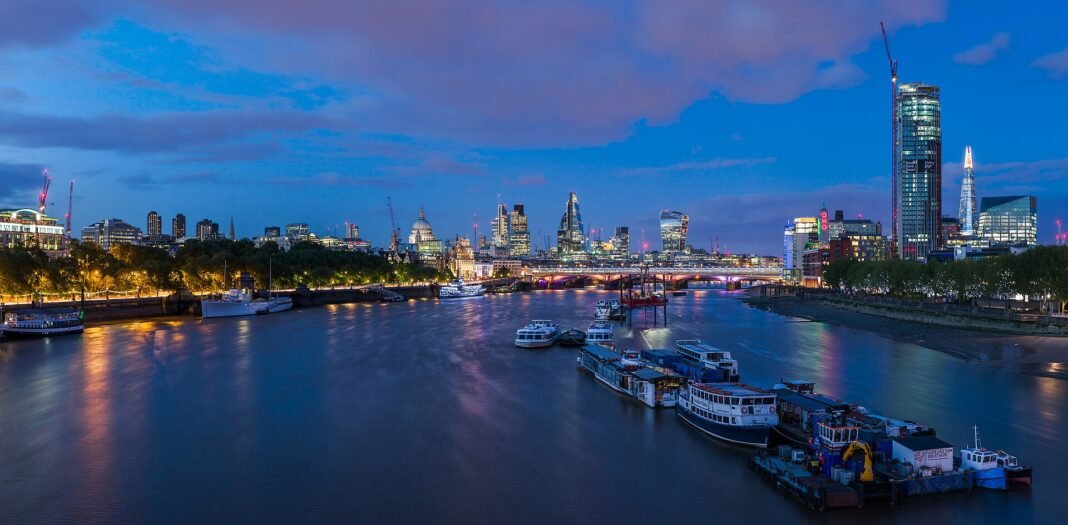
London‘s case for being the world’s greatest city rests on the density and quality of what it offers across every dimension of urban life at once — culture, finance, diversity, history, food, theatre, museums, parks. The arguments against living there (cost, commuting, anonymity, inequality) are real and significant; the arguments for it (nowhere else concentrates so much of what makes cities worth living in) are equally real. London’s 33 boroughs vary enormously in character and cost: the inner districts (Hackney, Brixton, Peckham, Dalston) gentrified since the 1990s; the established wealthy areas (Chelsea, Kensington, Notting Hill, Islington, Hampstead); the financial City; and the outer boroughs of diverse, working-class London. Living well here requires either a high income or a sharp understanding of how to reach the city’s cultural wealth on a modest budget — the free museums, parks, markets, and neighbourhoods that give those in the know an extraordinary quality of life for very little money.
- Best neighbourhoods for newcomers: Clapham and Brixton (south London’s most accessible inner areas for young professionals); Hackney and Dalston (east London’s creative and diverse communities); Hammersmith and Chiswick (west London’s family-friendly riverside); Islington (north London’s elegant but expensive Georgian terraces)
Manchester: The Northern Capital
Manchester (550,000 in the city proper; 2.8 million across Greater Manchester) is England’s second city by most cultural and economic measures — the heart of the North West’s economy, home to two of England’s most globally followed football clubs (Manchester United and Manchester City), the birthplace of the Industrial Revolution’s urban form, and, since the late 1990s, one of Europe’s most successfully regenerated post-industrial cities. The Northern Quarter (its independent café, bar, and music district), Ancoats (the Victorian mill quarter turned luxury-apartment neighbourhood), and the Spinningfields financial district map out the range of Manchester’s modern character.
- Cultural highlights: Manchester Art Gallery (one of England’s finest regional collections); the Science and Industry Museum (set in the world’s first passenger railway station); the HOME theatre and arts centre; the Whitworth Gallery (part of the University of Manchester, with a world-class collection in a Whitworth Park setting); Manchester Cathedral; and the Old Trafford and Etihad Stadium tours that draw football tourists from across the world
- Music heritage: Manchester’s music history (The Smiths, The Stone Roses, Oasis, Joy Division/New Order, The Haçienda) is a defining element of the city’s identity; the Northern Quarter’s record shops, venues, and bars are the living remnant of it
- Why Manchester: A lower cost of living (housing roughly 40–50% cheaper than London), strong transport links (Manchester Airport is the busiest in England outside London and the UK’s third busiest overall, serving around 200 destinations, with direct rail to London in about two hours), a deep employment market (financial services, media — ITV and BBC both have a major presence — tech, law, and the NHS), and a genuine cultural life together make Manchester the most compelling alternative to London for English professionals

Bristol: England’s Most Liveable City
Bristol (roughly 500,000 residents, in South West England) has topped England’s quality-of-life rankings in survey after survey — a city with a genuine independent creative culture (the Banksy street-art legacy, Massive Attack’s trip-hop origins, Aardman Animations), a strong tech and creative economy, easy access to the Cotswolds and the Welsh coast, and a compact, walkable layout that larger cities struggle to match. Clifton (Georgian terraces, the Clifton Suspension Bridge over the Avon Gorge), the harbourside (the SS Great Britain, the Watershed cinema and arts centre, the M Shed industrial museum), and Stokes Croft (Bristol’s edgiest creative district) shape the city’s identity. Its relative prosperity — fed by tech, finance, and aerospace employment from BAE Systems, Airbus, and Rolls-Royce’s aerospace division — has pushed house prices well above the northern cities, leaving Bristol expensive but not London-expensive.
York: Heritage England at Its Best
York (about 210,000 residents, North Yorkshire) is England’s most complete historic city at a manageable size — the medieval walls, the Minster, The Shambles, the Jorvik Viking Centre, and the National Railway Museum (the world’s largest railway museum, free to enter) pack in a heritage density remarkable for a place of this scale. York’s position on the East Coast Main Line (about 1h45m to London King’s Cross, 25 minutes to Leeds) keeps it within reach for commuters; its growing university population (the University of York sits consistently in England’s top 20) adds youth and variety to a city that could otherwise read as a heritage museum. Prices sit well below London but above the northern industrial cities, a reflection of how sought-after York has become as a place to live.
Leeds: The Northern Powerhouse’s Rising Star
Leeds (about 810,000 in the city; 1.8 million across the wider metro area) is among England’s fastest-growing major cities — a university city of 65,000-plus students drawn from three universities, the largest financial-services hub outside London, and the retail and nightlife centre for West Yorkshire, transformed by two decades of regeneration since the 2000s. The Headrow (the city’s main boulevard), Kirkgate Market (one of England’s largest indoor markets, and the original home of Michael Marks’s Penny Bazaar stall that grew into Marks and Spencer), and the Calls (the waterfront bar and restaurant strip on the River Aire) define the urban grain of Leeds. More affordable than Bristol or York and with a culture scene improving fast, Leeds increasingly wins over professionals who want northern England’s quality of life without the commute constraints of the smaller heritage cities.
Newcastle upon Tyne: The Northeast’s Cultural Hub
Newcastle (about 300,000 in the city; 1 million across the Tyne and Wear metro area) carries England’s most distinctive regional identity — the Geordie dialect and character, the Quayside (Victorian and contemporary architecture along the regenerated riverside), the BALTIC Centre for Contemporary Art (a converted flour mill on the Gateshead bank), the Sage Gateshead (Norman Foster’s concert hall, one of England’s finest), and Grainger Town (the country’s best Victorian commercial architecture outside London) combine into an urban personality more specific and more self-assured than that of any English city beyond the capital. House prices in Newcastle rank among the lowest of any major English city, putting it within reach of first-time buyers and young professionals.
Frequently Asked Questions
What makes London the world’s most compelling major city?
London’s claim to being the world’s greatest city rests on the density and quality of what it offers at once across every dimension of urban life — culture, finance, diversity, history, food, theatre, museums, and parks — in a metropolis of roughly 9 million people that serves as capital of the world’s fifth-largest economy. The British Museum (free admission, 8 million-plus annual visitors, the most comprehensive collection of human history anywhere), the National Gallery (Trafalgar Square, free, the finest collection of Western European painting under one roof), the Tate Modern (Bankside Power Station, free, the world’s most visited modern-art museum), and the South Bank cultural complex (Royal Festival Hall, Southbank Centre, National Theatre) make up the most concentrated free cultural offering of any city on Earth. The London Underground (the world’s oldest metro system, opened 1863, 402km of track, 272 stations) links 32 boroughs of wildly different character: from the wealthy districts of Chelsea, Kensington, and Notting Hill to the regenerated inner-east boroughs of Hackney, Brixton, and Dalston, to the outer working-class suburbs. The free Royal Parks (Hyde Park, Regent’s Park, Greenwich Park, Richmond Park — home to 650 red deer) provide green space of extraordinary quality within cycling distance of the centre.
What makes Manchester England’s second city?
Manchester — 550,000 in the city proper, 2.8 million across Greater Manchester — is England’s second city by most cultural and economic measures: the heart of the North West’s economy, the birthplace of the Industrial Revolution’s urban form (the world’s first industrial city, where cotton mills and the Manchester Ship Canal reshaped the global economy), and, since the late 1990s, one of Europe’s most successfully regenerated post-industrial cities. The Northern Quarter (its creative and independent retail district, centred on Tib Street and Oldham Street) keeps the Edwardian warehouse architecture of the textile trade alive in galleries, bars, and music venues, making it the most creatively concentrated neighbourhood in northern England. The Arndale Centre and Deansgate anchor the commercial mainstream. The Whitworth Gallery (Wilmslow Road, free) and Manchester Art Gallery (Mosley Street, free) supply cultural depth. The two Manchester football clubs — Manchester United (Old Trafford, the Theatre of Dreams, capacity 75,000, the most-visited stadium in England) and Manchester City (the Etihad Stadium, 53,000) — make Manchester the most globally recognised English city outside London. The MediaCityUK development at Salford Quays (BBC North, ITV Studios, and a University of Salford campus) has turned Greater Manchester into the UK’s second media-production centre.
What does Bristol offer as a creative city outside London?
Bristol — roughly 500,000 people, set on the Avon Gorge at the head of the Severn Estuary — is England’s leading creative city after London: the home of Banksy (whose stencil work is embedded across the city’s walls, with key pieces in M Shed and Bristol Museum), the birthplace of trip-hop (Massive Attack, Portishead, Tricky), and a city whose independent food, drink, and culture scene is the most celebrated in the country outside the capital. Clifton (the Georgian and Victorian suburb above the Avon Gorge, linked to Leigh Woods by the Clifton Suspension Bridge — Brunel’s masterpiece, completed 1864, spanning 214m above the gorge) is one of England’s loveliest urban villages outside London’s priciest postcodes. Stokes Croft (the radical arts district north of the centre, with the People’s Republic of Stokes Croft murals, the Crofters Rights pub, and the Hamilton House arts centre) holds the most politically charged street-art scene in England. The SS Great Britain (Brunel’s 1843 ocean liner, the world’s first ocean-going propeller-driven iron ship, preserved in the same dry dock where it was built at Bristol’s Great Western Dockyard) is the city’s most important historical artefact. Bristol’s Floating Harbour — Brunel’s impounded tidal basin — now frames the M Shed museum, the Arnolfini contemporary arts centre, and the city’s liveliest waterfront dining.
What do York and England’s historic cathedral cities offer?
York — about 210,000 people, North Yorkshire, roughly two hours by rail from London — is England’s most complete historic city: a Roman fortress (Eboracum), a Viking capital (Jorvik), and a medieval walled city that has kept its pre-industrial street pattern to a degree no comparably sized English city can match. York Minster (one of the largest Gothic cathedrals in northern Europe, 160m long, holding more than half of all the medieval stained glass in England) commands the skyline and the visitor experience. The Shambles (the medieval butchers’ street, lined with overhanging 14th-century timber-framed buildings) is the most photographed street in England. The Jorvik Viking Centre (Coppergate, an immersive reconstruction of the Viking-age city beneath the modern streets) and the National Railway Museum (the world’s largest railway museum, free, with the Mallard — the world’s fastest steam locomotive at 202.6km/h — and a Japanese Shinkansen 0-series) add depth beyond the street heritage. Bath (a UNESCO World Heritage city, with the Roman Baths, Royal Crescent, and Pump Room) and Cambridge (the University of Cambridge, founded 1209, with 31 colleges including King’s College Chapel and its fan vaulting, and the Backs riverside walk) round out England’s most significant heritage-city experiences.
What do England’s northern cities offer beyond Manchester?
England’s northern cities — Leeds, Sheffield, Newcastle, and Liverpool — have each undergone dramatic regeneration since the 1990s and now offer cultural and residential quality their post-industrial reputations don’t suggest. Leeds (about 810,000, West Yorkshire) ranks among England’s fastest-growing cities outside London: the Headrow cultural corridor (Leeds Art Gallery, the Henry Moore Institute, and the Town Hall), the Trinity Leeds shopping centre, and a financial and professional-services sector second only to London. Sheffield (about 580,000, South Yorkshire) — the steel city, where the cutlery and tool industry pioneered industrial production — has turned its Don Valley and Kelham Island industrial districts into the most celebrated regenerated industrial heritage in England, anchored by the Kelham Island Museum (the leading industrial-heritage museum in the UK outside London). Liverpool (about 500,000, Merseyside) holds the most valuable musical heritage of any city on Earth (the Beatles, who shaped 20th-century popular music worldwide, were born and formed here), with the Albert Dock (a Grade I listed Victorian dock complex and the most-visited free attraction outside London) and the Museum of Liverpool providing cultural infrastructure of national weight.