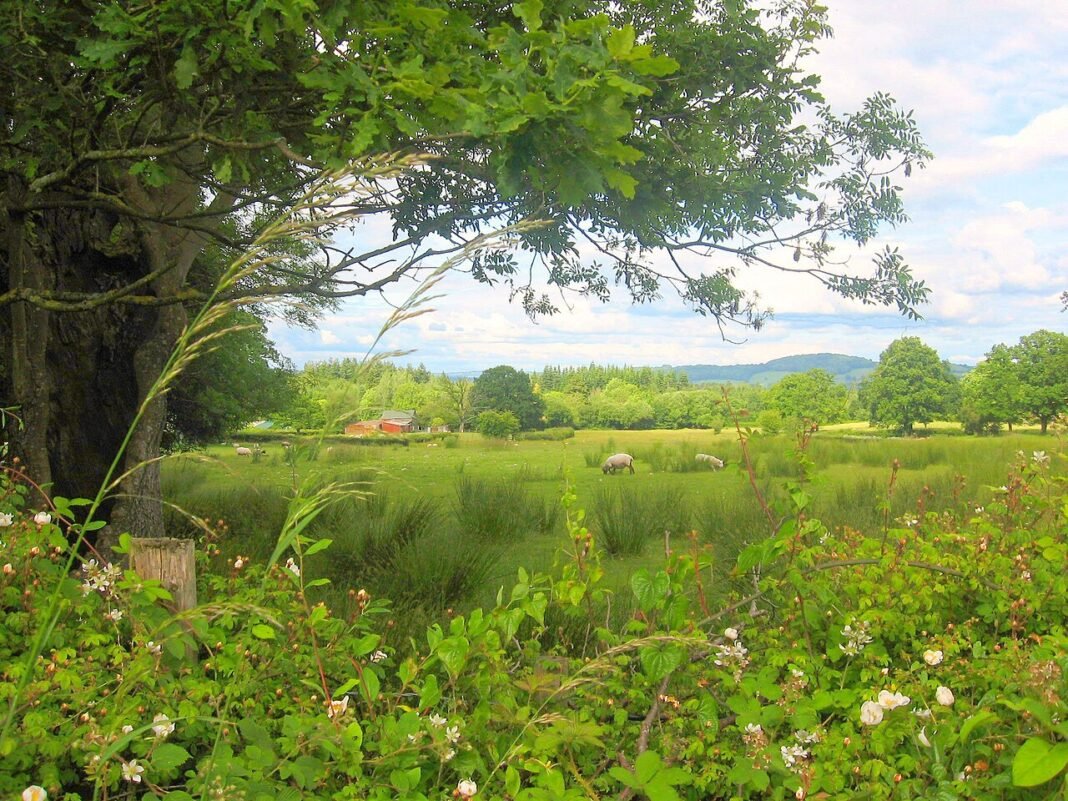
Wales makes a relocation case that is consistently undervalued in the UK’s internal migration discussions: the most affordable housing of any UK nation (bar Northern Ireland), a genuine cultural identity built around language, music, sport, and landscape, the same NHS access and legal employment framework as England, a range of Welsh Government-specific financial benefits (free prescriptions, free school meals for primary school children, a more generous social care framework), and a natural environment — the Brecon Beacons, Snowdonia, the Pembrokeshire coast, the Gower — that is immediately accessible from every Welsh city. The qualification is honest: Wales’s employment market is thinner than England’s major cities, wages are below the UK median (reflecting a structural economic weakness that Welsh Government policy is attempting to address), and connectivity (particularly in rural and north Wales) can be limited. But for those who can carry their London or Bristol salary to a Welsh address (remote working), or who work in the public sector, or who accept a Welsh salary in exchange for a dramatically improved housing-to-income ratio and an outdoor lifestyle that urban England cannot offer, Wales makes more sense as a relocation destination in 2026 than at any previous point in recent decades.
Welsh Language: An Asset, Not a Barrier
Welsh (Cymraeg) is a living Celtic language. The 2021 Census — the official measure used by the Welsh Government — recorded 538,300 people aged three and over able to speak Welsh, around 17.8% of the population (household surveys such as the Annual Population Survey return higher estimates, but the census remains the headline figure). Welsh-speaking ability is concentrated in north and west Wales (the Y Fro Gymraeg, the Welsh-speaking heartland) where 50–80% of communities speak Welsh as a first language. All public sector services in Wales are bilingual (English/Welsh); road signs are bilingual; the Welsh-language channel S4C and the BBC’s Radio Cymru carry Welsh-language broadcasting.
For newcomers, Welsh is not a barrier — English is spoken universally in Wales, and no employment position requires Welsh unless explicitly stated. But Welsh-speaking ability is a genuine advantage in public sector employment (NHS Wales, Welsh Government, Welsh local councils actively seek bilingual staff), and learning Welsh is increasingly accessible: the Say Something in Welsh online course is the most widely praised rapid-learning Welsh resource; intensive Wlpan courses provide immersion learning for adults; and the Welsh for Adults network of local courses operates in every part of Wales. Learning Welsh is not a relocation requirement, but engaging with it reflects a respect for Welsh culture that Welsh people notice and appreciate.
Finding Employment
- NHS Wales: The National Health Service in Wales (NHS Cymru Wales) is the largest employer in Wales, with close to 100,000 full-time-equivalent staff (98,678 as at December 2024). Nursing, medicine, allied health, and administrative posts are advertised on NHS Jobs Wales. NHS Wales salaries follow UK NHS pay bands; the cost-of-living differential means the same salary stretches further in Wales than the equivalent NHS England wage does across the border
- Welsh Government: The Welsh Government and its agencies employ around 5,500 civil servants in Cardiff and across Wales, with additional employment through arm’s-length bodies (Natural Resources Wales, Sport Wales, Visit Wales, Cadw). Welsh civil service positions require Welsh language assessment at various levels depending on the role
- Cardiff’s private sector: Admiral Insurance (Wales’s only FTSE 100 company, with around 7,000 staff at its Cardiff headquarters and Swansea office), Legal and General (significant Cardiff presence), Principality Building Society, and a growing professional services cluster anchor private employment in the capital. BBC Wales, ITV Wales, and S4C account for much of the media sector
- Remote working: Wales has become one of the UK’s most attractive remote working destinations — the combination of affordable housing and fast broadband (Wales’s superfast broadband coverage is above the UK average through Welsh Government investment) allows London or Bristol-salary workers to achieve significantly better housing and lifestyle in Wales. The Senedd has actively encouraged this transition through the Welsh Government’s Tech Valleys and Digital Infrastructure programmes
- Universities: Cardiff University (a Russell Group university), Swansea University, Aberystwyth University, and Bangor University collectively employ thousands of academics and support staff; the Welsh university sector is an important employer particularly in cities and towns that lack significant private sector employment

Practical Relocation Information
- Transportation: Cardiff Central is connected to London Paddington in 2 hours (Great Western Railway); to Bristol Parkway in under 40 minutes; and to Swansea in 55 minutes. North Wales has a separate rail network with connections to Chester, Manchester, and Crewe. The majority of Wales outside the M4 corridor and the North Wales Coast line requires a car; rural Wales has minimal bus services and no rail service in many areas
- Schools: Welsh schools from Reception through Year 11 are required to teach Welsh; Welsh-medium schools (where all subjects are taught through Welsh) are available in most Welsh towns and have significantly grown in Cardiff and other anglicised areas. The proportion of children in Welsh-medium education is rising, reflecting parental aspiration for their children to be bilingual
- Healthcare: NHS Wales provides identical universal healthcare to NHS England; the GP registration process and hospital access work identically. Wales’s GP-to-population ratio is slightly worse than England’s average, creating similar appointment availability pressures
- Community integration: Welsh community life — the chapel (nonconformist religious tradition), the choir (male voice choirs and mixed choirs are a living cultural institution in many Welsh communities), the rugby club (both codes), and the eisteddfod (the competitive cultural festival, from local to the National Eisteddfod — the largest festival celebrating a minority language in Europe) — provides a social fabric that is accessible to newcomers who show real interest in Welsh culture
Rural Wales: The Alternative Relocation
For those considering a more radical relocation — from urban to deeply rural — Wales holds opportunities that few European countries can match. Mid Wales (the Powys, Ceredigion, and Carmarthenshire uplands) contains some of Britain’s emptiest landscape and cheapest property: farmhouses with land can be purchased for £300,000–£500,000 that would cost £1–2m in similar English countryside locations. The Hay-on-Wye area (Powys border, gateway to the Wye Valley AONB), the Elan Valley (Radnorshire, home to the Red Kite and the Elan Valley reservoirs), and the Ceredigion coast offer a properly rural Welsh lifestyle at prices that make small landholding viable for those with moderate capital. The trade-off is significant: limited employment, limited services, and the specific commitment of rural Welsh community life that demands real engagement rather than weekend residence.
Frequently Asked Questions
What makes Wales an attractive relocation destination in 2026?
Wales offers a relocation proposition that is consistently undervalued in UK internal migration discussions: the most affordable housing of any UK nation bar Northern Ireland, a genuine cultural identity built around language, music, sport, and landscape, the same NHS access and employment framework as England, and Welsh Government-specific financial benefits not available in England. Free prescriptions: all Welsh residents have received free NHS prescriptions since charges were abolished in 2007 (as in Scotland, unlike England’s £9.90/item charge). Free school meals: the Welsh Government provides free school meals for all primary school children. Social care: a more generous personal care framework than England’s. The natural environment — the Brecon Beacons (Bannau Brycheiniog), Snowdonia (Eryri), the Pembrokeshire coast, the Gower — is accessible from every Welsh city. The key qualification: Wales’s employment market is thinner than England’s major cities, and wages are below the UK median; but for remote workers carrying London or Bristol salaries, the housing-to-income ratio and outdoor lifestyle make Wales more compelling in 2026 than at any previous point in recent decades.
What role does the Welsh language play for new residents?
Welsh (Cymraeg) was recorded by the 2021 Census — the Welsh Government’s official measure — as spoken by 538,300 people, around 17.8% of the population (household surveys such as the Annual Population Survey return higher estimates, but the census remains the headline figure), with concentrations in north and west Wales (Y Fro Gymraeg, the Welsh-speaking heartland) where 50–80% of communities speak Welsh as a first language. All public sector services in Wales are bilingual; road signs are bilingual; the Welsh-language channel S4C and the BBC’s Radio Cymru carry Welsh-language broadcasting. Welsh is not a barrier for newcomers — English is spoken universally across Wales, and no employment position requires Welsh unless explicitly stated. However, Welsh-language ability is a genuine advantage in public sector employment: NHS Wales, the Welsh Government, and Welsh local councils actively seek bilingual staff. Learning Welsh is increasingly accessible — Say Something in Welsh is the most widely praised rapid-learning online resource; Wlpan intensive immersion courses and the Welsh for Adults network operate in every part of Wales. Engaging with the language reflects a respect for Welsh culture that Welsh people notice and appreciate.
What are Wales’s main employment sectors?
NHS Wales (NHS Cymru) is the largest employer in Wales, with close to 100,000 full-time-equivalent staff (98,678 as at December 2024) — nursing, medicine, allied health, and administrative posts are advertised on NHS Jobs Wales. NHS Wales salaries follow UK NHS pay bands; the cost-of-living differential means those salaries provide better living standards than equivalent NHS England salaries provide in England. The Welsh Government and its agencies employ around 5,500 civil servants in Cardiff and across Wales, with additional employment through Natural Resources Wales, Sport Wales, Visit Wales, and Cadw. Cardiff’s private sector includes Admiral Insurance (Wales’s only FTSE 100 company and its largest private employer, with around 7,000 staff across its Cardiff headquarters and Swansea office), Legal and General, Principality Building Society, BBC Wales, and ITV Wales. Cardiff University (Russell Group) and Swansea University are significant employers. Wales has become one of the UK’s most attractive remote working destinations — above-average superfast broadband coverage through Welsh Government investment allows London and Bristol-salary workers to achieve significantly better housing and lifestyle in Wales.
How do you travel around Wales?
Cardiff Central connects to London Paddington in 2 hours (Great Western Railway) and to Bristol Parkway in under 40 minutes — making the M4 corridor (Cardiff, Newport, Bridgend, Swansea) the best-connected part of Wales for those maintaining English employment relationships. North Wales has a separate rail network with connections to Chester, Manchester, and Crewe. The majority of Wales outside the M4 corridor and North Wales Coast line requires a car — rural Wales has minimal bus services and no rail service in many areas. Cardiff and Newport have good urban public transport; elsewhere in Wales, a car is essential for daily life. Wales drives on the left; UK licences are valid, and EU and most international licences are exchangeable without a test. The National Cycle Network and the Valleys Lines rail network are improving over the 2026 period through investment from the Welsh Government.
What is the Welsh community and cultural life like for newcomers?
Welsh community life offers a cultural fabric that is accessible to newcomers who engage with it sincerely: the chapel (nonconformist religious tradition), the choir (male voice choirs and mixed choirs are living cultural institutions in many Welsh communities), the rugby club (both codes — Union and League), and the eisteddfod (the competitive cultural festival, from local to the National Eisteddfod — the largest festival celebrating a minority language in Europe) provide year-round community gathering points. For those considering a radical rural relocation: mid Wales (Powys, Ceredigion, Carmarthenshire) contains some of Britain’s emptiest landscape and cheapest property — farmhouses with land at £300,000–£500,000 that would cost £1–2 million in comparable English countryside locations. The Hay-on-Wye area (famous for its annual literary festival), the Elan Valley (red kite habitat), and the Ceredigion coast offer a properly rural Welsh lifestyle at prices that make smallholding viable for those with moderate capital.