


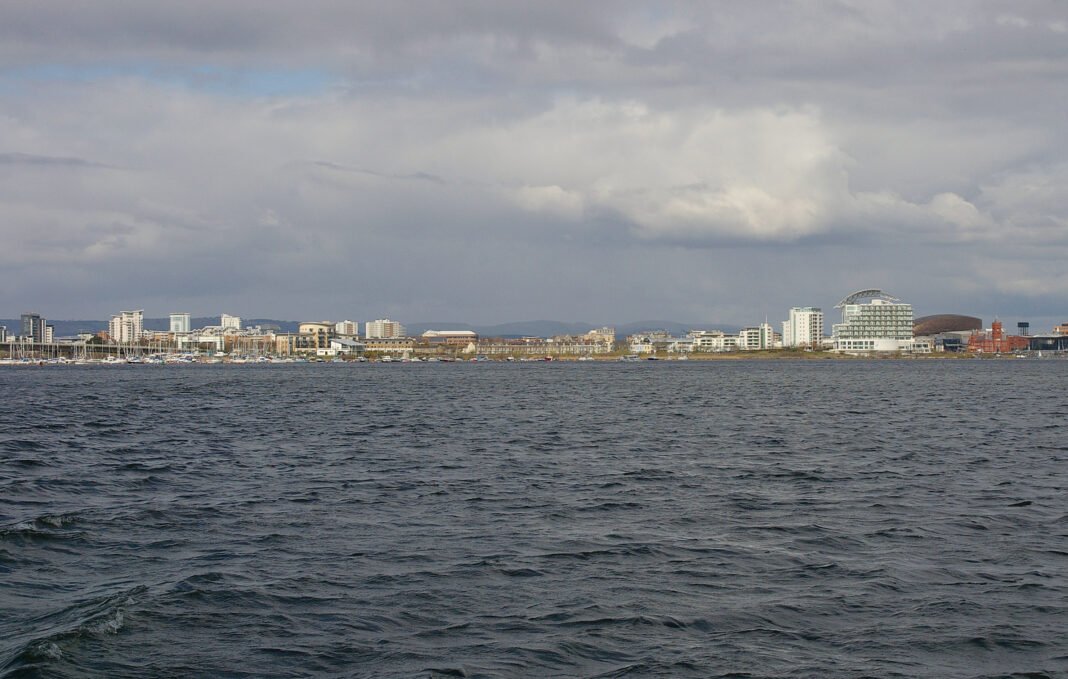
Wales is one of the more affordable of the four UK nations for housing, and far cheaper than England: the average Welsh house price sat at roughly £213,000 in early 2026, against about £290,000 across England as a whole. It is not, however, the single cheapest UK nation — Scotland (around £187,000) and Northern Ireland (around £198,000) both average lower. Cardiff’s property prices stay well below London, Bristol, Edinburgh, and Manchester, and the Welsh valleys and rural areas hold some of the cheapest property anywhere in England and Wales. Set against that affordability, Wales has average wages below the UK median — a reflection of the Welsh economy’s structural challenges, namely the limited presence of the high-paying financial, tech, and professional services sectors that lift incomes in London and the southeast — so the affordability advantage is partly offset by lower earning potential. For public sector professionals (NHS Wales, Welsh Government, Welsh universities), though, the cost-of-living-to-salary ratio comfortably beats the equivalent in London or the southeast: a Cardiff-based NHS consultant lives far better on their NHS salary than the same consultant in London, where housing swallows a much larger share of income. Wales also matches Scotland’s free prescriptions policy (prescriptions are free in Wales regardless of income) and funds a range of Welsh Government benefits that top up the UK baseline.
Housing in Wales
- Cardiff: The capital is Wales’s priciest housing market, yet still affordable by UK comparisons — the citywide average sat near £271,000 in March 2026. A one-bedroom flat in the city centre rents for £950–£1,400/month; in the popular northern suburbs (Pontcanna, Roath, Canton) £850–£1,200/month. Buying: a one-bedroom flat in Cardiff city centre costs £140,000–£220,000; a two-bedroom terraced house in Roath or Canton £200,000–£320,000; a family home in the north Cardiff suburbs £280,000–£500,000. Cardiff Bay properties (waterfront apartments) trade at a premium: £200,000–£400,000 for one-bedroom units
- Swansea: Wales’s second city is markedly cheaper than Cardiff, with a citywide average around £205,000. City centre one-bedroom flats rent for £700–£1,000/month; buying £100,000–£160,000 for a one-bedroom. The Dylan Thomas connections (the Swansea poet’s birth city and the setting of Under Milk Wood) and the Gower Peninsula (AONB, with Rhossili Bay consistently voted Britain’s best beach) make Swansea an appealing base
- The Welsh Valleys: The former coal and iron mining communities of the South Wales Valleys (Rhondda, Merthyr Tydfil, Ebbw Vale, Blaenavon) hold some of the cheapest housing in Britain. Three-bedroom terraced houses sell for £80,000–£130,000 in many valley communities — prices that are incomprehensible to anyone from London or the southeast. The valleys’ challenges (high unemployment, patchy transport links to Cardiff, relative geographic isolation) are real, but the affordability opens doors for first-time buyers and remote workers that no other part of southern Britain can match
- North Wales: The communities surrounding Snowdonia (Eryri) (Caernarfon, Bangor, Betws-y-Coed) have limited private rental markets (largely driven by Bangor University and tourism) and moderate purchase prices (£120,000–£200,000 for a three-bedroom house in the more accessible areas). The Llŷn Peninsula commands a scenic premium; holiday-let pressure has thinned long-term rental availability across much of Eryri

Welsh-Specific Financial Benefits
- Free prescriptions: All prescriptions are free in Wales (charges were abolished in 2007, four years ahead of Scotland); in England, each item costs £9.90, frozen at that rate for 2026/27. Regular medication users save a useful sum through Welsh residency
- Free school meals: Wales now provides universal free school meals for every primary school child (Reception through Year 6), with the rollout completed across all local authorities — a policy not matched in England, where free meals stay means-tested
- Capped social care charges: Wales does not offer free personal care, but non-residential care charges are capped at £100 per week regardless of how much help you need — well below the open-ended charges some English councils levy. The residential care capital threshold is £50,000, higher than England’s upper limit
- Welsh Government housing support: Help to Buy – Wales offers equity loans of up to 20% to buyers of new-build homes priced up to £300,000, with applications open until 30 September 2026 (completions allowed into mid-2027); mortgage guarantee schemes back higher loan-to-value mortgages on Welsh properties
Employment and Economy
- Public sector dominance: Wales carries one of the UK’s highest shares of public sector employment — NHS Wales, the Welsh Government and its agencies, the Senedd, and local government bodies together employ a large slice of the Welsh workforce. Public sector wages are nationally set (NHS pay scales, civil service grades) and give cities a reliable employment base that lacks the private sector dynamism of London or Manchester
- Welsh Government and Cardiff: Cardiff’s status as capital has built an above-average professional services sector — law firms, accountancy, finance (Admiral, Principality Building Society and others are headquartered in Cardiff), and media (BBC Wales, S4C) supply private sector roles alongside the public sector anchor
- Admiral: Wales’s standout financial services employer (founded in Cardiff in 1993, with around 7,000 staff in Wales out of more than 15,000 group-wide) is a major Cardiff success story and one of the country’s largest private employers
- Tata Steel Port Talbot: historically Wales’s largest private employer, now reshaped by the restructuring of Port Talbot’s blast furnace operations — the switch to an electric arc furnace, backed by UK Government funding, marks a major industrial shift for South Wales
- Tourism: Wales’s tourism industry (around 150,000 jobs across accommodation, hospitality, and attractions) clusters around the national parks (Eryri/Snowdonia, Pembrokeshire, Bannau Brycheiniog/Brecon Beacons) and the coastal resorts
Transport and Connectivity
Wales’s transport infrastructure is a real qualification to its quality-of-life proposition: the public transport network thins out beyond Cardiff, and most of Wales assumes a car. The M4 corridor (linking Cardiff to Swansea and to the English motorway network) gives reasonable road connectivity to the south; north Wales is reached from England via the A55 North Wales Expressway but has no equivalent motorway; rail links between north and south Wales are slow and infrequent, reflecting a geography that routes most long-distance travel through England rather than directly north-south within Wales.
Cardiff’s public transport (Cardiff Bus, the Cardiff Bay Barrage shuttle, and the new Metro rail expansion) keeps improving; the South Wales Metro (the Cardiff city region rapid transit network) is under construction and will sharpen rail connectivity across the south Wales region once complete. For anyone based in Cardiff or along the M4 corridor, the links to Bristol, London, and the English motorway network are adequate; for those in rural or north Wales, the car stays essential and the distance from major employment centres is a genuine constraint.
Frequently Asked Questions
Is Wales the most affordable UK nation for housing?
No — Wales is one of the more affordable UK nations and far cheaper than England (Welsh average around £213,000 versus roughly £290,000 in England in early 2026), but it is not the single cheapest. Scotland (about £187,000) and Northern Ireland (about £198,000) both average lower. Within Wales, prices vary widely: Cardiff runs £140,000–£220,000 for a 1-bedroom flat to buy and £200,000–£320,000 for a 2-bedroom terraced house in popular areas (Roath, Canton); Swansea is cheaper at £100,000–£160,000 for a 1-bedroom; and the South Wales Valleys (Rhondda, Merthyr Tydfil, Ebbw Vale) offer 3-bedroom terraced houses at £80,000–£130,000 — some of the cheapest housing in Britain, ideal for first-time buyers and remote workers.
What are Wales’s unique financial benefits compared to England?
Wales holds several advantages over England: (1) Free prescriptions — charges were scrapped in 2007, four years before Scotland; England charges £9.90 per item, frozen for 2026/27. (2) Universal free school meals for all primary school children from Reception through Year 6, with the rollout now complete — a policy not matched in England (where free meals are means-tested). (3) Help to Buy – Wales equity loans of up to 20% for buyers of new-builds priced up to £300,000, open until 30 September 2026. Wales also caps non-residential care charges at £100 per week, though, unlike Scotland, it does not provide free personal care.
What is Cardiff’s rental market like?
Cardiff is affordable by UK city standards — 1-bedroom city centre flats rent for £950–£1,400/month; in the popular northern suburbs (Pontcanna, Roath, Canton) £850–£1,200/month. Cardiff Bay waterfront apartments (near the Senedd and Wales Millennium Centre) trade at a premium of £200,000–£400,000 to buy for a 1-bedroom unit, and family homes in north Cardiff run £280,000–£500,000. Cardiff rents sit roughly 30–50% below London and 20–30% below Bristol — making the city a compelling base for professionals in the public sector, financial services (Admiral’s Cardiff HQ), and media (BBC Wales, S4C).
Who are the major employers in Wales?
Wales leans heavily on public sector employment — NHS Wales, the Welsh Government and its agencies, and local authorities together employ a large share of the workforce. Private sector anchors include Admiral (founded in Cardiff in 1993, around 7,000 staff in Wales), BBC Wales and S4C (broadcasting), and the steel industry at Port Talbot (shifting from blast furnace to electric arc furnace with UK Government support). Cardiff’s legal and accountancy firms serve Welsh and some Bristol-spillover clients, and the universities (Cardiff, Swansea, Aberystwyth, Bangor) are major employers in their communities.
Is Wales well connected by public transport?
Cardiff and the M4 corridor link reasonably to England (Bristol, London, the motorway network), but Wales is car-dependent beyond Cardiff and the south. North Wales is reached from England via the A55 North Wales Expressway but has no equivalent motorway; rail links between north and south Wales are notably slow and infrequent — Welsh geography routes most long-distance travel through England rather than directly north-south. Cardiff’s South Wales Metro (the Cardiff city region rapid transit network) is under active construction and should improve south Wales rail links once finished. For rural and north Wales, a personal vehicle remains essential.