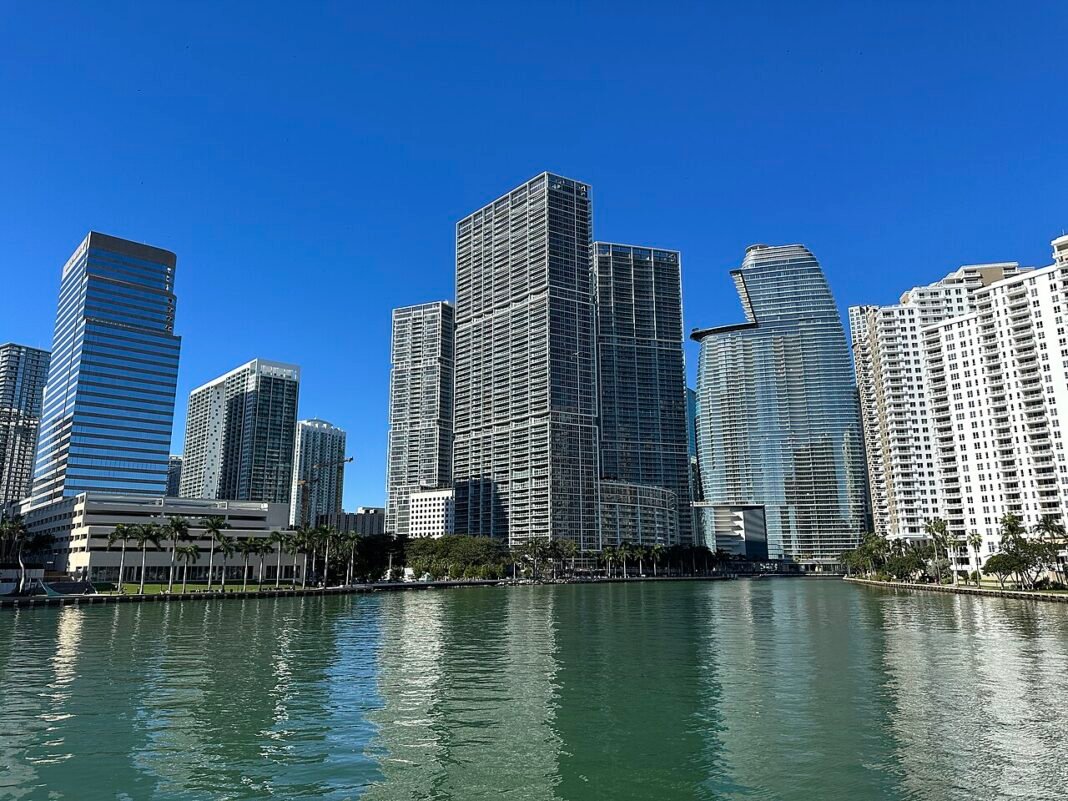
For much of the past decade, Florida ranked at or near the top of every US state for net migration, drawing hundreds of thousands of new residents a year at its peak. The pace has cooled since 2023 as costs climbed — Texas edged ahead as the top destination in 2025 — but the state still pulls in more newcomers than nearly anywhere else. The drivers are clear: no state income tax, warm weather year-round, and far more house for your money than California or New York. But the migration wave has created real challenges — rising property insurance costs, climbing home prices, and infrastructure strain — that the state’s marketing tends to gloss over. This guide gives you the full picture.
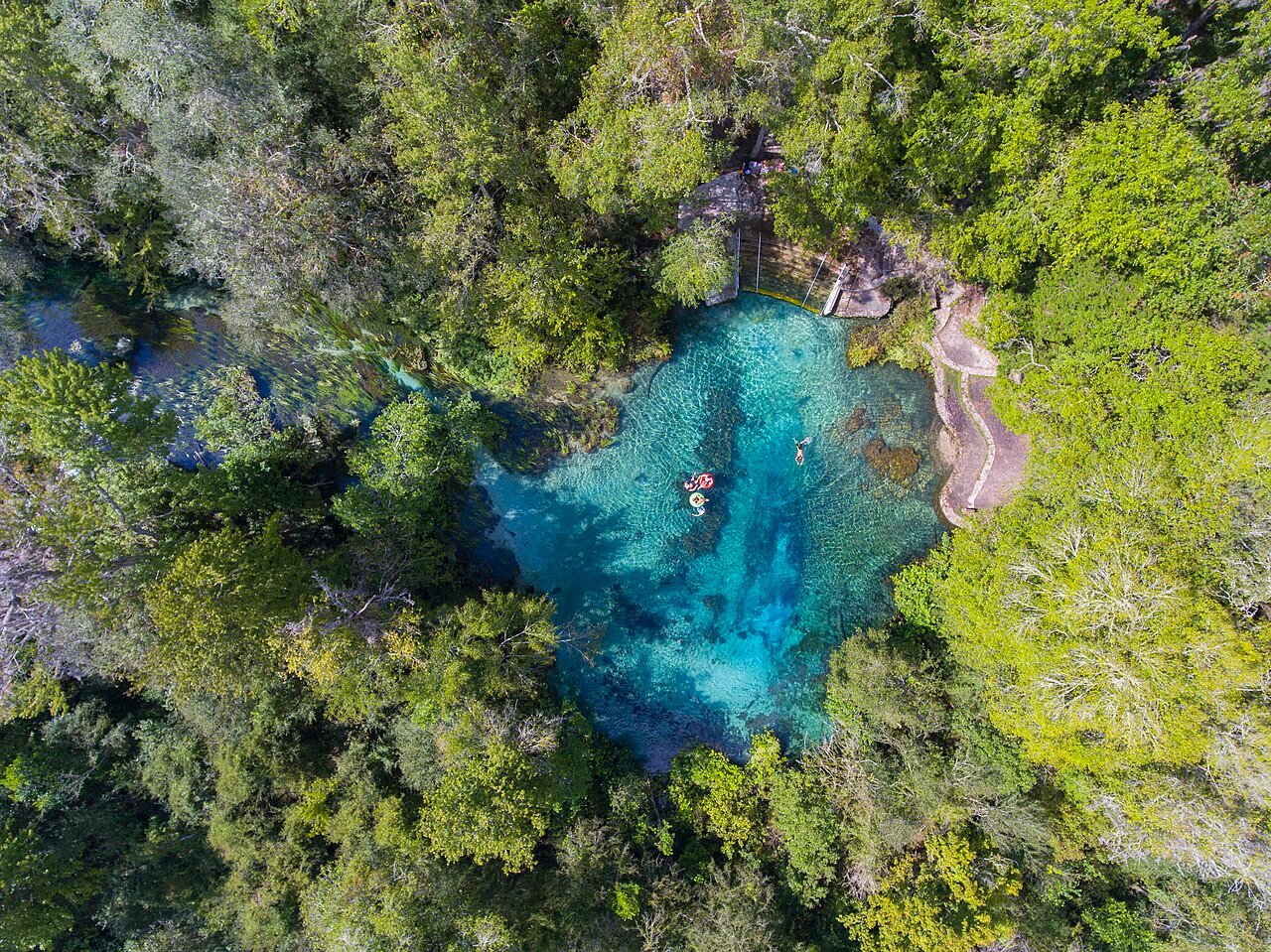
Florida’s Job Market: Broader Than You Think
Healthcare: Florida has one of the oldest populations in the country, and that older demographic drives heavy demand for medical care. The Mayo Clinic (Jacksonville), Moffitt Cancer Center (Tampa), Jackson Health System (Miami), AdventHealth (Orlando metro), and dozens of major hospital systems make up one of the largest and steadiest healthcare employment bases in the nation. For nurses, technicians, and physicians of nearly any specialty, the state is a reliable bet.

Financial services: Miami’s role as the financial capital of Latin America has built up a dense cluster of international banking, wealth management, and private equity, turning Florida into a credible alternative to New York for finance professionals. Jacksonville’s financial sector — sometimes called “Wall Street South” — adds major-bank and asset management jobs in the northeast of the state. Tampa, meanwhile, has built out a fast-growing fintech scene over the past decade.
Technology: Florida’s tech sector has expanded quickly, anchored in Miami (where venture capital has poured in since 2019), Orlando (where gaming and simulation technology form an unusual niche), and the Tampa Bay area. It is still smaller than California, Austin, or Seattle, but the mix of no income tax and lower costs than the coastal hubs has pulled in both established companies and startup talent.
Defense and aerospace: Kennedy Space Center on Merritt Island, Patrick Space Force Base, and a cluster of aerospace contractors make the Space Coast (Brevard County) one of the country’s leading aerospace job centers. Lockheed Martin, Boeing, SpaceX, and Northrop Grumman all run major Florida operations. The rise of commercial spaceflight revived the Space Coast economy after the Space Shuttle program retired in 2011.

Hurricane Reality: What Every New Resident Must Understand
Moving to Florida means coming to terms with hurricane risk. The state has been hit by major storms in nearly every decade on record, and the 2004–2005 season, Hurricane Irma (2017), Michael (2018), Dorian (2019), Ian (2022), and Helene and Milton (2024) all drove home the same lesson: catastrophic storm damage is not a freak occurrence here — it is a recurring certainty, especially on the Gulf Coast and the Atlantic Coast south of Daytona Beach.
Preparedness for new Florida residents comes down to a few essentials: build an emergency plan and kit (FEMA recommends 3–7 days of water, food, medications, and supplies per household); learn your flood zone designation (the FEMA Flood Map shows it); read and understand your property insurance policy before the season runs from June to November; and memorize your community’s evacuation routes and shelter locations.
Elevation matters more than almost anything else. Many Florida homes sit at or below sea level, and flood damage during storm surge — not wind — causes the bulk of hurricane-related property destruction. A house standing 5 feet above base flood elevation carries a very different risk profile than one at grade, and that gap shows up directly in flood insurance premiums under the National Flood Insurance Program (NFIP) or private alternatives.
Practical Relocation Requirements
Driver’s license: New Florida residents must get a Florida driver’s license within 30 days of establishing residency. You will need proof of identity (passport or birth certificate plus Social Security card), two documents showing your Florida residential address (utility bill, bank statement, lease), and the applicable fees. A vision screening is required, and first-time applicants take a knowledge test. Florida licenses are REAL ID compliant by default.
Vehicle registration: Florida vehicles must be registered within 10 days of establishing residency or buying a vehicle. Fees vary by vehicle weight. Florida charges no annual personal property tax on vehicles — real savings compared with states like Virginia and Maryland that do.
Vehicle insurance: Florida requires minimum auto coverage of $10,000 in Personal Injury Protection (PIP) and $10,000 in Property Damage Liability (PDL). It does not require Bodily Injury Liability coverage — which means an accident with an uninsured or underinsured driver is a genuine risk. Uninsured Motorist coverage is strongly recommended for every Florida driver.
What People Love Most About Florida Living
Ask long-term residents and the same themes come up: the weather (even those who struggle with summer heat admit the November–April stretch is close to perfect), the no-income-tax benefit that adds up year after year, year-round access to beaches and natural areas, and the social energy of a state built by people from across the country and the world. The state park system — 175 parks covering roughly 800,000 acres of beaches, springs, forests, and wetlands — offers exceptional outdoor access at minimal cost. Pair that with the financial upside, and the pull is easy to understand: households keep arriving from every US state and dozens of countries. Florida is many things, but it is never boring.
Preparing for Your Move
The logistics of relocating to Florida follow a familiar sequence no matter where you start: line up housing before or right after arrival, transfer any professional licenses your job requires, register your vehicle and update your driver’s license inside the window set by local law (typically 30 to 90 days for new residents), and register to vote at your new address. Connecting early with community organizations, sports clubs, neighborhood associations, or professional networks can speed up the sense of belonging more than anything else. Across much of Florida, large shares of the population arrived from somewhere else in just the past decade, so being new to the area is entirely normal — and the infrastructure for meeting people and building a life from scratch is already well established.
Frequently Asked Questions
What are the driver’s license and vehicle registration requirements in Florida?
Florida has one of the shorter registration windows among US states. Driver’s license: must be obtained within 30 days of establishing residency; requires proof of identity, Social Security card, and two proofs of Florida residential address; a vision screening is required; Florida licenses are REAL ID compliant by default. Vehicle registration: must be completed within just 10 days of establishing residency — one of the shortest windows in the country. Florida charges no annual personal property tax on vehicles (unlike Virginia, Maryland, and several other states), and minimum auto insurance requires $10,000 PIP and $10,000 PDL. Note: Florida does NOT require Bodily Injury Liability coverage, so Uninsured Motorist coverage is strongly recommended for every driver.
What are the hurricane risks and requirements for new Florida residents?
Hurricane preparedness is not optional in Florida. The state has seen major hurricanes in nearly every recent decade — Ian (2022) and Helene and Milton (2024) confirmed that catastrophic storm damage is a recurring certainty, especially on the Gulf Coast and Atlantic Coast south of Daytona Beach. FEMA recommends 3–7 days of water, food, medications, and supplies per household. Every new resident should check their flood zone designation via the FEMA Flood Map, review their property insurance policy before hurricane season (June–November), and learn their community’s evacuation routes and shelter locations. One key point: storm surge, not wind, causes most hurricane property destruction, and a home’s elevation relative to base flood level has an outsized effect on insurance premiums.
What is Florida’s job market beyond tourism and hospitality?
Broader and more sophisticated than its reputation suggests. Healthcare is the largest growing sector: Mayo Clinic (Jacksonville), Moffitt Cancer Center (Tampa), and Jackson Health System (Miami) anchor an employment base fueled by Florida having one of the oldest populations in the US. Miami has emerged as the financial capital of Latin America, concentrating international banking, private equity, and wealth management. The Space Coast (Brevard County) hosts Kennedy Space Center, Patrick Space Force Base, and major operations for SpaceX, Lockheed Martin, Boeing, and Northrop Grumman — one of the leading aerospace job centers in the country. Miami’s tech sector has drawn heavy venture capital since 2019, and Orlando’s gaming and simulation technology employment is unusual nationally.
How has Florida’s property insurance situation changed?
Florida’s property insurance market went through a serious crisis. Frequent hurricane losses, high litigation costs, and rising reinsurance prices pushed several major insurers to leave the state entirely. Citizens Property Insurance Corporation (the state-backed insurer of last resort) ballooned to roughly 1.4 million policies by 2023, but 2022 litigation reforms and a state depopulation program have since moved hundreds of thousands of policyholders back into the private market — Citizens fell to under 400,000 policies by the end of 2025 and is no longer Florida’s largest property insurer. New residents should research insurance availability and costs for any property before buying — particularly in coastal Lee, Charlotte, Collier, and Miami-Dade counties. Treat insurance quotes as a core part of any Florida home purchase, not an afterthought. Premiums for comparable coverage still run well above most other US states.
What do long-term Florida residents love most about living there?
A few themes come up again and again from established residents: the weather (the November–April stretch especially, widely considered close to perfect), the no-income-tax benefit that compounds over a career, year-round beach and natural-area access, and the social energy of a state drawing people from across the country and world. The state park system — 175 parks covering roughly 800,000 acres of beaches, springs, forests, and wetlands — offers remarkable outdoor access at minimal cost. Even residents who find the summer heat tough (June–September: hot and humid with afternoon thunderstorms) tend to agree the full-year climate balance comes out well ahead of most US alternatives.