Ontario Travel Guide 2026: Toronto, Niagara Falls, and the Great Lakes
Ontario is Canada’s most visited province — the country’s political and financial capital, home to 15 million of Canada’s 40 million residents, and the province that contains both the world-famous Niagara Falls and a wilderness of lakes, rivers, and boreal forest that extends to the Hudson Bay lowlands in the province’s far north. The contrast defines Ontario: a world-class metropolitan region (Greater Toronto Area, 6.5 million) surrounded by one of the most productive agricultural regions in North America (the Niagara Fruit Belt, Prince Edward County’s wine country, the Holland Marsh), which in turn gives way to the Canadian Shield’s Precambrian granite lakes and the boreal forest of Algonquin Park and the vast Temagami wilderness. The province’s cultural diversity — Toronto is one of the world’s most multicultural cities, with over half the population born outside Canada — makes Ontario’s food, arts, and community culture among the richest of any jurisdiction in the Americas.
Toronto: The Multicultural Metropolis
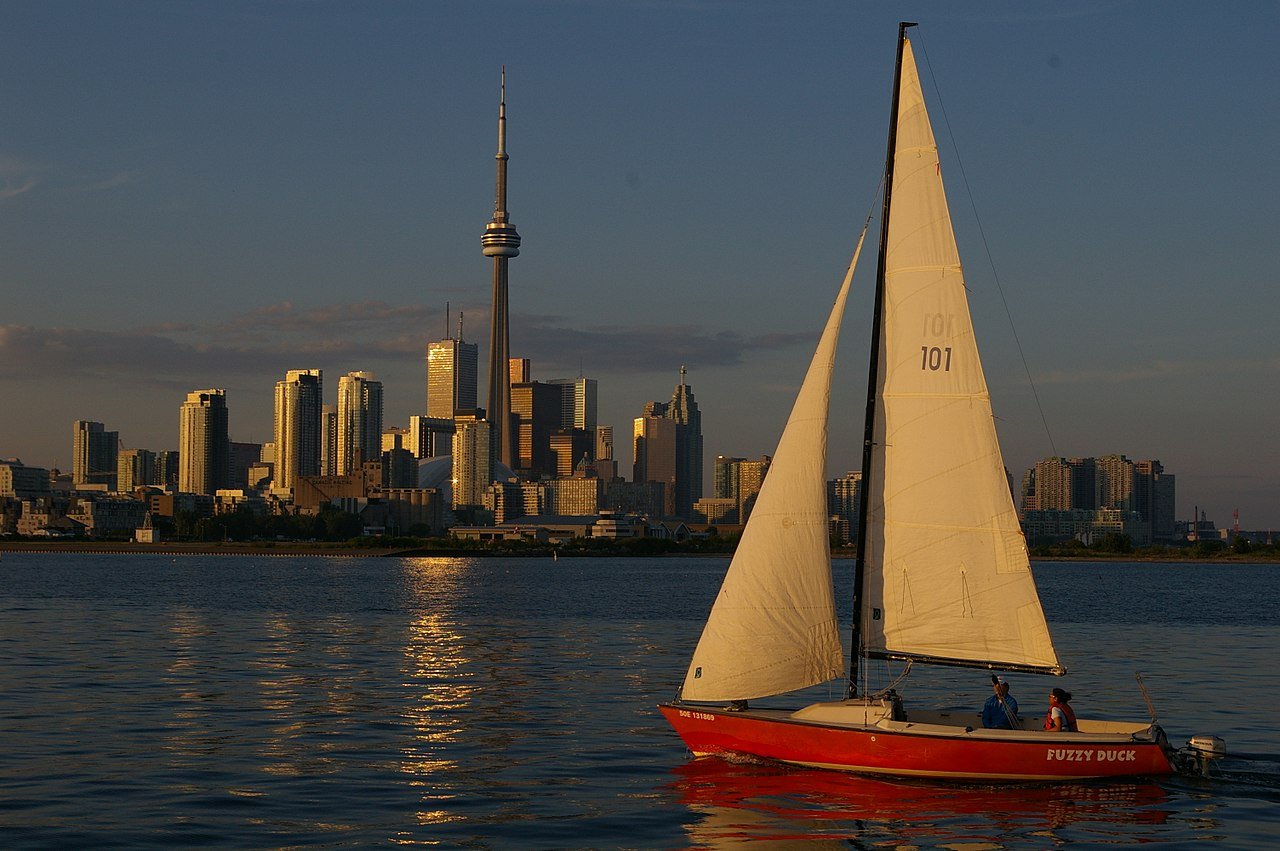
Toronto, Canada’s largest city, is a city of neighbourhood identities — the distillery district’s Victorian industrial heritage, Kensington Market’s bohemian food culture, the Danforth’s Greek community restaurants, Chinatown’s Spadina Avenue, Little Italy on College Street, and the Annex’s Victorian architecture around the University of Toronto campus each define a distinct community character within walking distance of each other in a downtown that is one of North America’s most walkable. The CN Tower (553m, once the world’s tallest free-standing structure), the Rogers Centre, the Art Gallery of Ontario (the largest art museum in Canada), the Royal Ontario Museum, and the St Lawrence Market (North America’s finest permanent food market, per many assessments) anchor the tourist itinerary. Kensington Market’s weekend pedestrian Sundays, Cabbagetown’s Victorian streetscapes, and the Distillery District’s Christmas Market complete the city picture.
Toronto Must-Experiences
- CN Tower: The EdgeWalk (hands-free walk on the outside of the tower at 356m) and the glass floor observation deck; the defining Toronto skyline structure
- St Lawrence Market: Saturday farmers’ market; the South Market’s covered vendors (peameal bacon sandwiches, cheese, fresh produce); consistently rated one of the world’s greatest food markets
- Distillery District: Victorian industrial heritage in the largest and best-preserved collection of Victorian-era industrial architecture in North America; galleries, restaurants, and the Christmas Market (November–December)
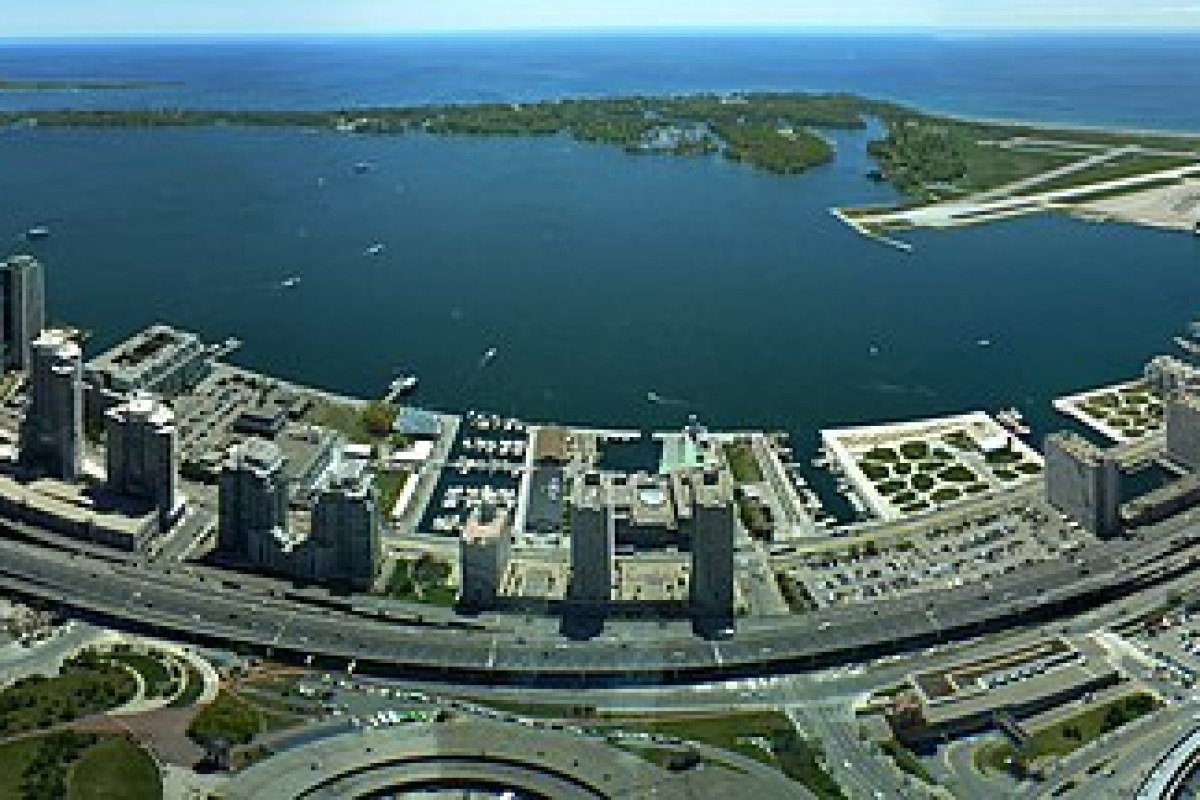
- Toronto Islands: The 15-island archipelago in Lake Ontario, accessible by ferry from the Jack Layton Ferry Terminal; car-free cycling, beaches (Ward’s Island, Centre Island), and the best view of the Toronto skyline
- Kensington Market: The compressed food culture of the city’s most bohemian neighbourhood; international grocers, vintage clothing, independent cafés, and the Sunday pedestrian street party

Niagara Falls and the Wine Country
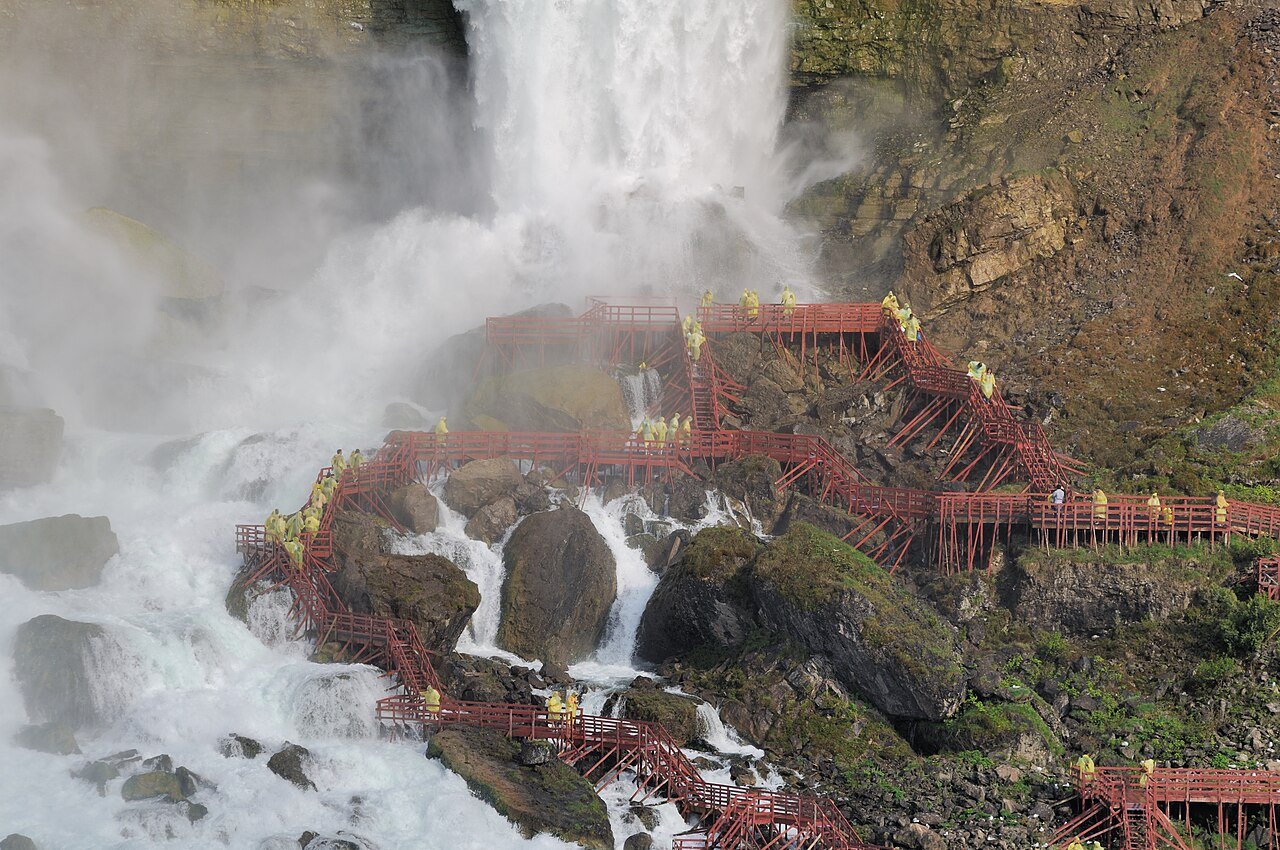
Niagara Falls, 130km southwest of Toronto, combines one of the world’s most famous natural attractions with a wine region of growing international reputation. The Horseshoe Falls (the Canadian side, 790m wide and 57m tall) carry 90% of the Niagara River’s flow — the Maid of the Mist boat tour and the Journey Behind the Falls tunnel approach the falls at a proximity that produces genuine awe in visitors who have seen them only in photographs. The Niagara-on-the-Lake winery corridor (Peller Estates, Inniskillin, Château des Charmes, and 100+ other wineries on the Niagara Escarpment) produces Ontario’s finest Pinot Noir, Chardonnay, and the Vidal and Riesling icewines for which the region has international renown.
Algonquin Park: The Canadian Shield Wilderness
Algonquin Provincial Park, 300km north of Toronto, is Ontario’s most beloved wilderness destination — 7,630 square kilometres of Canadian Shield lakes, rivers, and mixed boreal and deciduous forest where moose, beaver, common loon, and timber wolf inhabit the waterways and forest in densities that allow reliable wildlife encounters on a first visit. The Park’s Canoe Route network (1,600km of interconnected routes through 2,400 lakes and rivers) is the defining Ontario paddling experience; the Sunday Lake and Smoke Lake portage circuits provide accessible multi-day canoe camping for families. The Highway 60 Corridor (the accessible strip through the park’s southern edge) concentrates the visitor facilities — the Algonquin Art Centre, the visitor centre, and the maintained walking trails (Beaver Pond, Spruce Bog, Lookout Trail) provide the park’s wildlife viewing and interpretive infrastructure.
Ottawa: The Capital City
Ottawa, Canada’s capital (1.1 million in the National Capital Region), sits on the Ottawa River at the border with Quebec, 450km northeast of Toronto. The Parliament Hill complex (the Gothic Revival Centre Block, East and West Blocks, and the Rideau Canal’s connection to the Ottawa River), the Rideau Canal (a UNESCO World Heritage canal, converted to the world’s largest outdoor skating rink in winter), the National Gallery of Canada (home to the Moshe Safdie building’s iconic glass tower and the country’s greatest art collection), and the Byward Market (Ottawa’s historic market district, the country’s oldest continuously operating market) define the capital’s visitor experience. The Canadian Museum of History (across the Ottawa River in Gatineau, Quebec) and the Canada Agricultural Museum at Experimental Farm complete Ottawa’s extraordinary concentration of national institutions.
Prince Edward County and the Eastern Ontario Wine Country
Prince Edward County, 200km east of Toronto on Lake Ontario’s north shore, has emerged as Ontario’s most fashionable wine destination — a limestone peninsula of Jurassic-era bedrock producing Chardonnay, Pinot Noir, and Gamay of a quality that has placed it among Canada’s most significant cool-climate wine regions. The County’s combination of winery cellar doors (Norman Hardie, Closson Chase, The Grange of Prince Edward), artisan food producers (Fifth Town Artisan Cheese, the county’s market gardens), and a creative community of artists, chefs, and makers who have converted 19th-century farmsteads into studios and restaurants creates a destination character that Sydney’s Hunter Valley or Melbourne’s Yarra Valley would recognise and admire.
Getting the Most Out of Your Visit
A few practical points that will improve any trip to Ontario. Book accommodation and major attractions — particularly national parks, popular hiking trails, and well-known restaurants — as far in advance as possible; the most desirable options can fill weeks or months ahead, especially in peak season. Having a car provides the most flexibility for exploring beyond the main centers, and most of Ontario’s most rewarding experiences are in places not easily reached by public transport. The best local knowledge is often found in regional visitor centers, independent bookshops, and by talking to residents — the most memorable discoveries on any trip are rarely the ones in the guidebooks. Allocate more time than you think you need: Ontario consistently rewards travelers who slow down and explore in depth rather than trying to cover maximum ground in minimum time.