Outdoor Activities in British Columbia 2026: Skiing, Sea Kayaking, and the Wilderness Coast
British Columbia’s outdoor recreation is the most diverse of any Canadian province — a jurisdiction where you can ski Whistler’s 8,171 acres in the morning and kayak a glacier fjord in the afternoon, where the Great Bear Rainforest’s grizzly bears and Spirit Bears provide wildlife encounters of exceptional rarity, where the Haida Gwaii archipelago delivers one of the world’s great sea kayaking environments to those who make the journey, and where the Okanagan’s mountain bike trails, the Sea-to-Sky corridor’s rock climbing, and the Squamish Chief’s world-class big wall climbing offer technical outdoor experiences of international standing within 60–120 minutes of Canada’s third-largest city. The outdoor culture is not incidental to BC — it is the reason many residents choose the province over lower-cost alternatives, and the provincial parks system (over 1,000 parks protecting 14% of the province’s land area) provides the infrastructure for that culture at every commitment level.
Whistler Blackcomb: North America’s Premier Ski Resort
Whistler Blackcomb, 120km north of Vancouver on the Sea-to-Sky Highway, is the largest ski resort in North America — 8,171 acres of skiable terrain across two mountains connected by the Peak 2 Peak gondola (4.4km span, 436m above the valley floor), 200+ marked runs, a 1,609m vertical drop (the second-greatest in North America), and a pedestrian resort village that extends the ski day into an après-ski culture of international standard:
- Peak 2 Peak gondola: The 11-minute crossing between Whistler and Blackcomb mountains provides skiing across both mountains without returning to the valley; the glass-floor gondola cars provide the most dramatic above-treeline view in North American resort skiing
- Terrain variety: Whistler’s terrain distribution (20% beginner, 55% intermediate, 25% advanced and expert) accommodates all skill levels; the Harmony, Symphony, and Glacier zones on Whistler provide the best powder skiing after a snowfall; the Blackcomb Glacier’s late-season spring skiing extends the season to June
- Summer operations: The Whistler Bike Park (80+ trails, the mountain served by gondola and lifts) is the most developed mountain bike park in North America; the Lost Lake cross-country network, Valley Trail cycling, and the Garibaldi Provincial Park hiking from the Whistler gondola mid-station provide the summer complement
- Smaller Sea-to-Sky options: Squamish’s Garibaldi Provincial Park (hiking to the Black Tusk, Cheakamus Lake, and the Garibaldi Lake turquoise bowl) provides the most dramatic mountain day hiking within 90 minutes of Vancouver; the Chief (the 652m granite monolith above Squamish) is the climbing destination
The Great Bear Rainforest: Wildlife of the Central Coast
The Great Bear Rainforest, the 6.4-million-hectare temperate rainforest along BC’s central and north coast, is one of the world’s last great coastal wilderness systems — a landscape of fjords, old-growth Sitka spruce and red cedar, and waterways that support the greatest concentration of large carnivores in Canada:
- Spirit Bear (Kermode Bear) viewing: The white colour morph of the black bear (caused by a recessive gene in the area’s isolated population) is found only in the central BC coast rainforest; the Gribbell and Princess Royal Islands are the highest-density Spirit Bear habitat; guided tours from Bella Bella and Ocean Falls provide access; success rates for Spirit Bear sightings in September (the salmon run peak) are high for guided tours in the primary habitat areas
- Grizzly bear viewing (Knight Inlet and Bella Coola): The Knight Inlet Lodge and the Kynoch Adventures Bella Coola program provide the most accessible grizzly bear viewing in BC; bears concentrate on salmon streams in September and October; zodiac and walking viewing approaches provide both distance and intimacy
- Bald eagle and humpback whale: The central coast’s winter herring spawn concentrates bald eagles and humpback whales in numbers visible from the ferry and from coastal communities; the BC Ferries Inside Passage service (Port Hardy to Prince Rupert, 15 hours) passes through the central coast landscape and provides whale and eagle sightings
.jpg?width=1200)
Haida Gwaii: The Edge of the World
Haida Gwaii (the Queen Charlotte Islands), 130km off BC’s north coast, accessible by BC Ferries from Prince Rupert (8 hours) or floatplane from Vancouver, is Canada’s most remote and culturally significant island destination — the ancestral territory of the Haida Nation, now managed collaboratively in Gwaii Haanas National Park Reserve and Haida Heritage Site (a UNESCO World Heritage Site protecting the southern archipelago’s old-growth rainforest, Haida village sites, and marine environment):
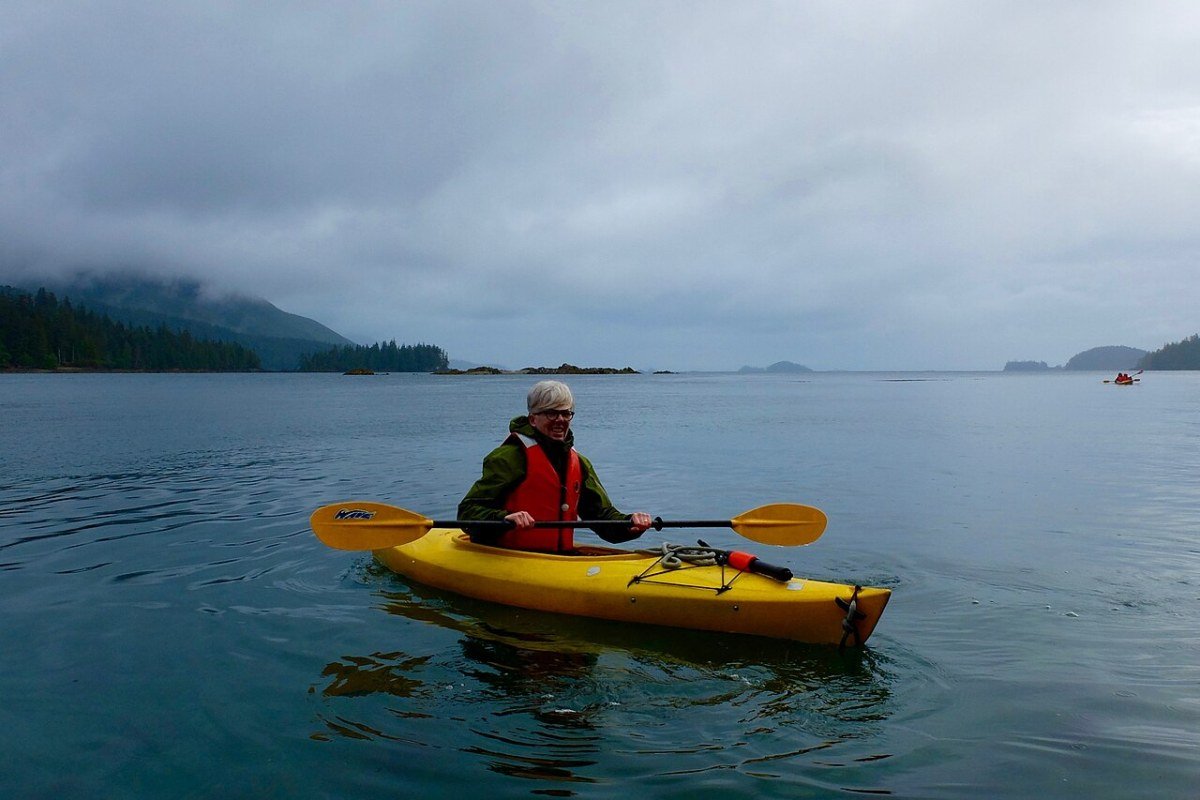
- Sea kayaking (Gwaii Haanas): The multi-day sea kayaking circuit through Gwaii Haanas’ islands and narrows — passing the SGang Gwaay (Ninstints) UNESCO village site, the Burnaby Narrows marine intertidal zone (one of the world’s most biologically rich), and the hot springs of the southern park — is among the world’s great wilderness paddling journeys; permit required from Parks Canada
- Old-growth rainforest: Haida Gwaii’s forests contain Sitka spruce, red cedar, and western hemlock of exceptional size; the Yakoun River valley’s old-growth trail and the Tow Hill hiking area provide accessible encounters with the rainforest scale
- Haida culture: The Haida Heritage Centre at Kaay Llnagaay (Skidegate) provides the most comprehensive interpretation of Northwest Coast Indigenous culture in Canada; Master carvers working in the longhouse provide direct engagement with the living tradition
Cycling and Mountain Biking
British Columbia’s mountain bike and cycling culture is the most developed in Canada:
- North Shore (North Vancouver): The birthplace of North Shore mountain biking — the elevated wooden ladder bridges, rock drops, and rooty singletrack of the LSCR, Mount Seymour, and Fromme Mountain trail networks created the riding style that influenced global mountain biking in the 1990s; intermediate and advanced trails for experienced riders
- Squamish: 900km of trail within the Squamish trail network; Galactic, Half Nelson, and the Quest trail system provide the full spectrum from flowing cross-country to technical enduro; the Sea to Sky Gondola accesses the upper-mountain trails in summer
- Kootenays (Nelson, Rossland): The Kootenay mountain towns have trail networks that rival the Sea-to-Sky corridor; Rossland’s Seven Summits trail provides one of Canada’s finest ridge-to-ridge mountain bike rides; Nelson’s Whitewater Ski Resort operates as a bike park in summer
- Okanagan Rail Trail: 50km of converted rail corridor along the eastern shore of Okanagan Lake between Kelowna and Vernon; flat, surfaced, and suitable for all ability levels; winery access en route