Indiana‘s residential landscape ranges from the growing metropolitan complexity of the Indianapolis area to the compact college-town vitality of Bloomington to the post-industrial but persistently authentic character of South Bend and Fort Wayne. Choosing where to live in Indiana depends significantly on employment access, tolerance for urban scale, and whether the lifestyle priorities center on major-city amenities or small-community living. This guide covers the state’s most compelling residential options.
1. Carmel — Indianapolis’s Premier Suburb
Carmel, immediately north of Indianapolis, has built one of the most comprehensive quality-of-life packages of any mid-sized American suburb — a remarkable achievement for a community that was an agricultural small town as recently as the 1970s. The city’s Arts and Design District, which occupies a pedestrian-friendly corridor of galleries, restaurants, and boutiques along Main Street, creates an urban-scale cultural amenity within a suburban municipality. The Palladium Concert Hall, a 1,500-seat classical music venue with acoustics engineered to compete with major-city performing arts centers, is home to the professional Carmel Symphony Orchestra and draws touring ensembles and the Indianapolis Symphony Orchestra for guest concerts, sustaining a programming calendar far richer than a city of 100,000 would suggest.
Carmel’s roundabout intersection network (the city has more roundabouts than any other US city, more than 150 at last count) is not a quirk but a deliberate infrastructure policy that has reduced intersection accident rates and improved traffic flow compared to signal-controlled intersections — making the suburban driving experience more efficient. The city’s school system (Carmel Clay Schools) consistently ranks among the top public school systems in Indiana. Median home prices around $500,000–$625,000 are premium by Indiana standards but exceptional value compared to comparable suburb profiles in coastal markets.
2. Fishers and Zionsville — Growing Suburbs With Character
Fishers, northeast of Indianapolis, has been one of the fastest-growing cities in Indiana for the past decade — a suburb that has successfully built a downtown destination around Nickel Plate District, a mixed-use development with restaurants, shops, and entertainment venues that gives the suburb the walkable core most traditional suburbs lack. The city’s Flat Fork Creek Park spans 60 acres of trail-connected green space, and its position near the interstate highways that radiate from Indianapolis keeps the metro’s employment centers within an easy commute. Home prices in Fishers run roughly $375,000–$475,000.
Just northwest of the city, Zionsville takes a different tack — a preserved 19th-century small-town commercial district (the Brick Street Inn area) with brick streets, independent boutiques, and a small-town feel that reads as more historic and less suburban than Carmel or Fishers. The Zionsville school district is highly regarded. Median home prices of $550,000–$700,000 — the highest of any Indianapolis suburb — reflect demand for the town’s distinct identity and school quality.
3. Bloomington — Indiana University’s College Town
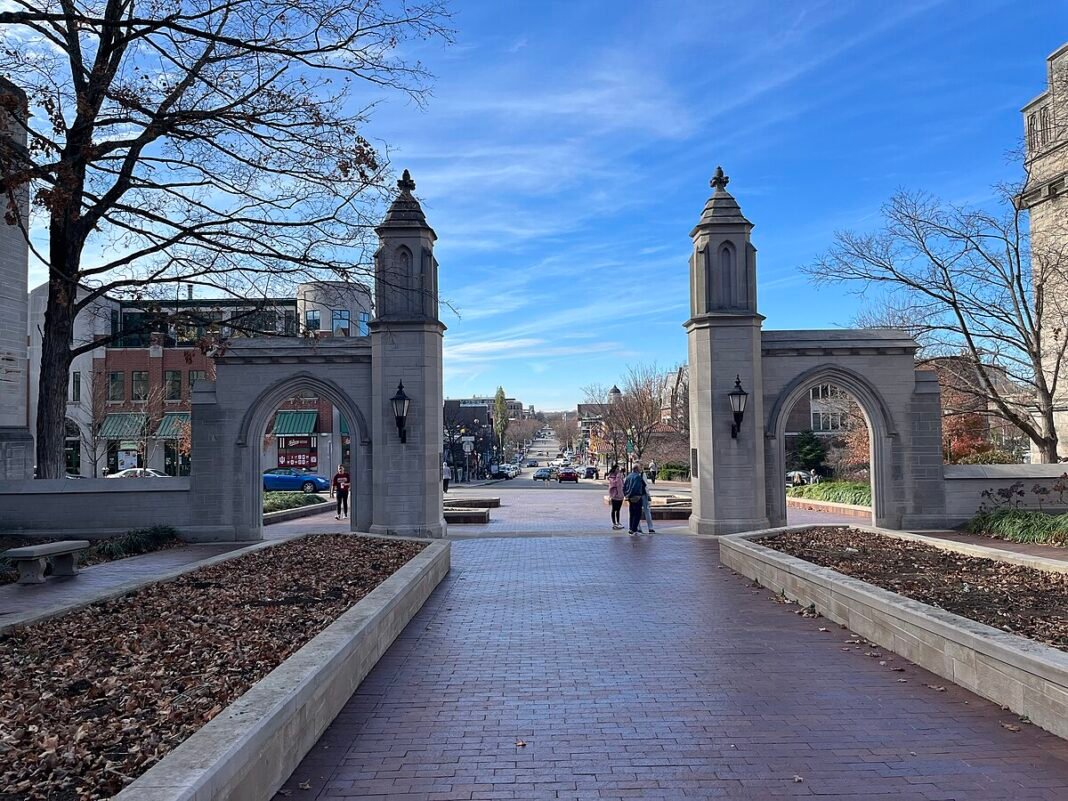
Bloomington, 50 miles south of Indianapolis in the limestone hills of south-central Indiana, is the state’s most culturally dynamic small city — a college town of 80,000 whose cultural life outpaces cities several times its size in food, music, arts, and civic energy. Indiana University, with 48,000 students and roughly 10,000 employees, supplies the economic and cultural engine for a city whose independent restaurant scene, music venues (the Bluebird, a legendary club that has hosted major touring acts since the 1970s), galleries, and craft brewing culture make it feel more like Madison, Wisconsin than small-town Indiana.

The Jacobs School of Music at Indiana University is one of the finest music schools in the world — its student concerts and faculty recitals provide classical, jazz, and opera performances of professional quality at accessible prices year-round. The Eskenazi Museum of Art houses a permanent collection of 47,000 objects in a geometric I.M. Pei building. The Bloomington Community Farmers’ Market, operating since 1975, ranks among the best in the Midwest for local produce, prepared foods, and artisan products.

4. Fort Wayne — The Second City’s Value
Fort Wayne, Indiana’s second-largest city at 270,000, offers the urban infrastructure of a mid-sized city at costs that are among the lowest of any comparably sized American city. Downtown Fort Wayne’s recent investment has produced a riverfront district with restaurants, trails, and the Electric Works development (a massive adaptive reuse of the former General Electric campus into mixed commercial, residential, and innovation space), creating urban-renewal momentum that has reshaped a city that had been in population decline through the early 2000s.
The Fort Wayne Children’s Zoo, regularly rated as one of the best in the country, draws visitors from a wide geographic area. The Fort Wayne Museum of Art and the Foellinger-Freimann Botanical Conservatory anchor the city’s cultural life. Housing in Fort Wayne at roughly $210,000–$280,000 median represents some of the most accessible homeownership in any American city with a full urban services environment.
5. South Bend — Notre Dame Country
South Bend, in northern Indiana near the Michigan border, is defined by the presence of Notre Dame — one of the most nationally visible private universities in the country, whose football culture and academic prestige create a community identity that extends well beyond South Bend’s modest metropolitan population. The university’s campus (one of the most beautiful in the United States, with the Basilica of the Sacred Heart and the Hesburgh Library’s Word of Life mural visible from Notre Dame Stadium) drives cultural programming, employment, and visitor traffic that sustains South Bend’s service economy.
A decade of focused municipal leadership through the 2010s raised South Bend’s national profile and produced genuine downtown renewal and smart-city initiatives. The Studebaker National Museum, in a purpose-built hall on Chapin Street designed to echo the old Studebaker plant buildings near where the carmaker once operated, preserves one of the country’s most comprehensive automotive and transportation history collections. Home prices in South Bend average $160,000–$210,000 — among the most affordable in any US city with an internationally recognized university — putting ownership within reach where comparable university towns in pricier markets price most buyers out.
Indiana’s best cities share a trait that is increasingly rare in American metropolitan life: genuine affordability that doesn’t require sacrificing the urban amenities that make city living meaningful. From Carmel’s deliberate suburb-building to Bloomington’s college-town culture to Fort Wayne’s value proposition, Indiana provides more quality-of-life per dollar than its national reputation reflects — and the resident who discovers this usually stays.
Frequently Asked Questions
What makes Carmel Indiana’s premier suburb?
Carmel has built one of the most comprehensive quality-of-life packages of any mid-sized American suburb — remarkable for a community that was an agricultural small town as recently as the 1970s. The Arts and Design District provides a pedestrian-friendly corridor of galleries, restaurants, and boutiques along Main Street. The Palladium Concert Hall, a 1,500-seat classical music venue with engineered acoustics, is home to the professional Carmel Symphony Orchestra and hosts guest concerts by touring ensembles and the Indianapolis Symphony Orchestra. The city has more roundabouts than any other US city (more than 150) — a deliberate infrastructure policy that has reduced intersection accident rates and improved traffic flow. Carmel Clay Schools consistently rank among the top public school systems in Indiana. Median home prices around $500,000–$625,000 are premium by Indiana standards but exceptional value compared to comparable suburb profiles in coastal markets.
Why is Bloomington Indiana’s most culturally dynamic city?
Bloomington, 50 miles south of Indianapolis, is the state’s most culturally dynamic small city — a college town of 80,000 built around Indiana University (48,000 students, roughly 10,000 employees) with a cultural life that outpaces cities several times its size in food, music, arts, and community engagement. The Jacobs School of Music at Indiana University is one of the finest music schools in the world — its student concerts and faculty recitals provide classical, jazz, and opera performances of professional quality at accessible prices year-round. The Eskenazi Museum of Art occupies a striking I.M. Pei building. The Bluebird music venue has hosted major touring acts since the 1970s. The Bloomington Community Farmers’ Market (operating since 1975) is among the finest in the Midwest. Housing runs roughly $330,000–$380,000, making Bloomington one of the best college-town value propositions in the United States.
What do Fishers and Zionsville offer as Indianapolis suburban alternatives?
Fishers, northeast of Indianapolis, is one of Indiana’s fastest-growing cities — a suburb that has built a genuine downtown destination around Nickel Plate District (mixed-use development with restaurants, shops, and entertainment), Flat Fork Creek Park (60 acres of trail-connected green space), and excellent interstate access to Indianapolis employment. Home prices in Fishers run roughly $375,000–$475,000. Zionsville, northwest of Indianapolis, offers a preserved 19th-century small-town commercial district (Brick Street Inn area) with brick streets and independent boutiques that give it a more historic, small-town feel than Carmel or Fishers. Zionsville’s school district is highly regarded. Median home prices of $550,000–$700,000 — the highest of any Indianapolis suburb — reflect demand for the town’s distinct identity and school quality.
What does Fort Wayne offer as Indiana’s second-largest city?
Fort Wayne (270,000) offers the urban infrastructure of a mid-sized city at some of the lowest costs of any comparably sized American city. The Electric Works development — a massive adaptive reuse of the former General Electric campus into mixed commercial, residential, and innovation space — has anchored downtown revitalization momentum. The Fort Wayne Children’s Zoo is regularly rated among the best in the country. Housing at roughly $210,000–$280,000 median represents some of the most accessible homeownership in any American city with a full urban services environment. The Fort Wayne Museum of Art and the Foellinger-Freimann Botanical Conservatory provide cultural anchors independent of the downtown revitalization narrative.
What makes South Bend a unique Indiana city?
South Bend is defined by the presence of Notre Dame — one of the most nationally visible private universities in the country, whose football culture and academic prestige create a community identity that extends well beyond South Bend’s modest metropolitan population. The Notre Dame campus (the Basilica of the Sacred Heart, the Hesburgh Library’s Word of Life mural) is considered one of the most beautiful university campuses in the United States and provides cultural programming, employment, and visitor traffic. The Studebaker National Museum preserves one of the most comprehensive automotive history collections in the country. Home prices at $160,000–$210,000 are among the most affordable in any US city with an internationally recognized university — putting homeownership within reach where comparable university towns in pricier markets price most buyers out.