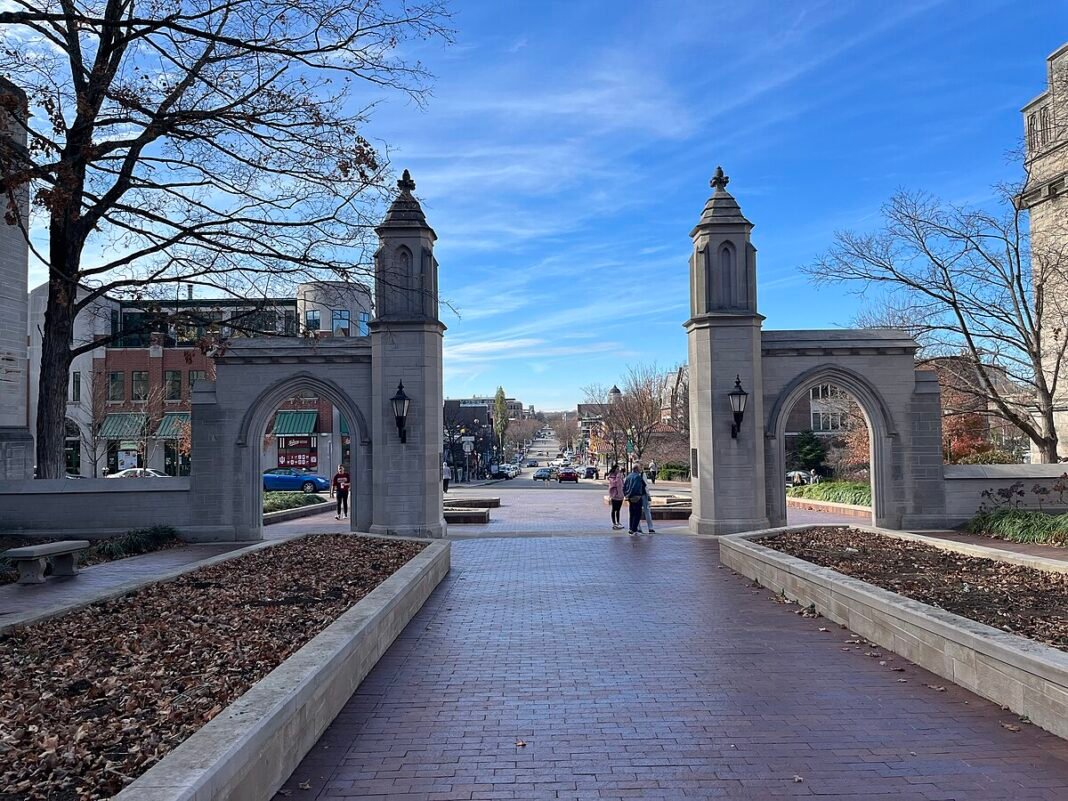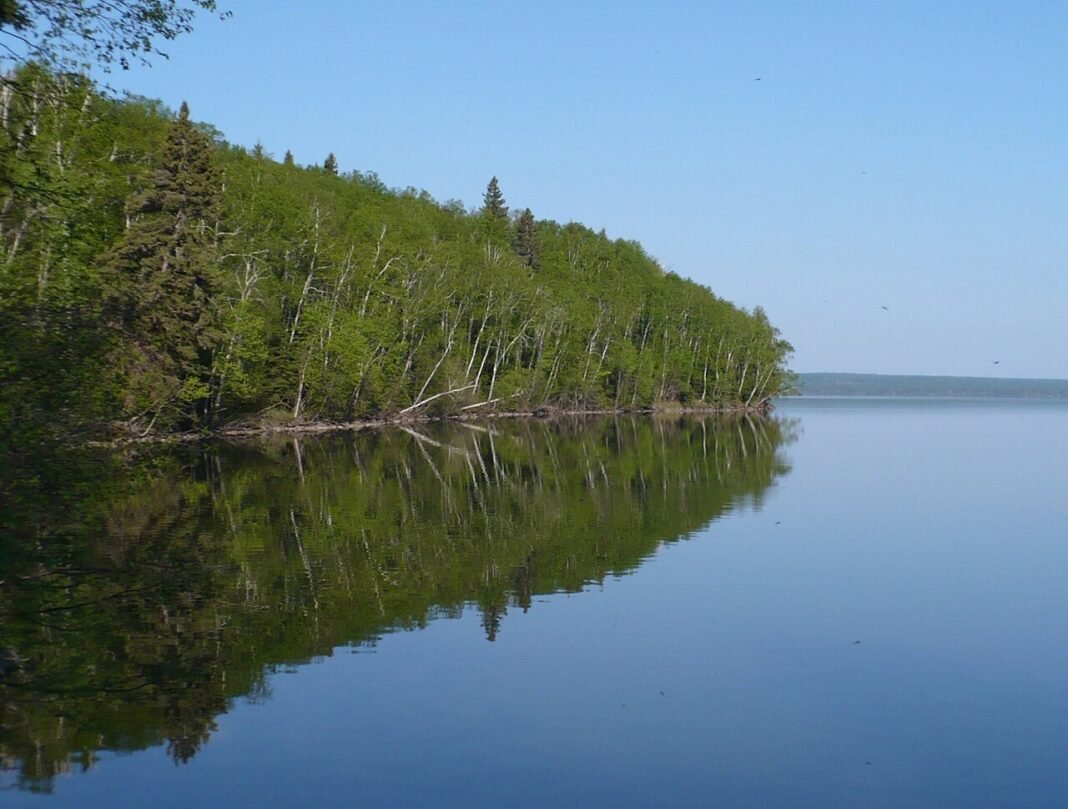
Saskatchewan ranks among the most affordable major provinces in Canada, and the housing math is the clearest evidence. Saskatoon and Regina remain two of the cheapest large-city markets on the Prairies outside Winnipeg, and when you fold in the absence of any provincial health premium, moderate income tax, and below-average utility bills, a typical household budget here stretches considerably further than its British Columbia or Ontario equivalent. The provincial economy rests on an unusually broad base — potash, uranium, oil, canola, wheat, and pulse crops — which softens the commodity swings that hit single-resource economies like Alberta’s oil sector harder. Saskatoon has also built out a research and innovation cluster in agri-tech and food science, much of it anchored to the University of Saskatchewan’s commercialization work, giving professionals a growing alternative to the traditional resource and farm jobs.
Saskatchewan Cost at a Glance 2026
- Saskatoon average detached house: CAD $440,000–$500,000
- Regina average detached house: CAD $370,000–$420,000
- Inner-city character homes (Broadway, Cathedral Village, Lakeview): CAD $400,000–$600,000
- Smaller cities (Prince Albert, Moose Jaw, Swift Current): CAD $200,000–$320,000
- Rural Saskatchewan: CAD $120,000–$220,000 in small towns
- SaskPower electricity: CAD $1,100–$1,700/year for a typical home; the utility is shifting from coal toward natural gas and renewables
- Provincial sales tax (PST): 6%, charged separately from the 5% federal GST for an 11% combined rate — lower than the Atlantic provinces’ 15% HST
Saskatoon and Regina: The Prairie Value Cities
Across Saskatchewan’s two largest cities, the housing market still reads as a bargain by national standards, even after the brisk price gains of the mid-2020s:
- Saskatoon inner city (Broadway, Nutana, Riversdale): Along the Broadway Avenue corridor and the hill neighbourhoods above the South Saskatchewan River sit Saskatoon’s most characterful streets — brick bungalows and 1920s–1930s frontages, with quality renovated homes around CAD $450,000–$600,000, roughly a quarter of what comparable Toronto addresses fetch
- Saskatoon suburban (Stonebridge, Rosewood, Brighton): The south end’s master-planned communities offer newer detached houses from CAD $430,000, and they draw families with fresh schools, walking paths, and built-in retail
- Regina Cathedral Village: Regina’s most complete walkable strip — Albert Street’s independent restaurants and the Cathedral Village Farmers’ Market — backs onto brick bungalows and character homes in the CAD $360,000–$520,000 band
- Regina lakeview and south: Around Wascana Lake and the established southern suburbs, the best addresses on the water and park edges reach CAD $400,000–$560,000
_(26106537356).jpg?width=1200)
The Resource Economy and Wages
Several pillars of Saskatchewan’s resource economy pay above the national average, which is what makes the low cost of living so striking:
- Potash mining (BHP Jansen, Nutrien, Mosaic): The province supplies roughly a third of the world’s potash. Established Nutrien and Mosaic operations already employ skilled trades and engineers well above the provincial wage, and BHP’s Jansen mine — among the largest mining investments in Canadian history, with first production expected in 2027 — is layering on thousands of direct and indirect jobs through the decade
- Oil (Weyburn, Estevan, Kindersley): Conventional production from the southeastern Bakken formation and the heavy oil around Lloydminster sustains upstream field work, with pay tracking junior Alberta oilfield roles
- Uranium (Athabasca Basin, Cameco/Orano): The Athabasca Basin holds the world’s highest-grade uranium, feeding Cameco’s McArthur River mine and Key Lake mill and a stream of well-paid technical and trades work in the northern camps
- Agriculture and agri-tech: Precision farming, crop science, and the Saskatoon innovation network around the University of Saskatchewan’s College of Agriculture sustain a knowledge-economy layer that sits alongside, and partly insulates against, the commodity cycle
Cost Advantages Over Other Provinces
- No provincial health premium: Health coverage comes out of general taxation, so residents pay no direct premium of the kind Ontario once levied
- Low auto insurance: Saskatchewan Government Insurance (SGI) runs the mandatory basic coverage on a public model that keeps rates competitive, with private add-ons available on top
- $10-a-day childcare: Saskatchewan reached the federal $10-a-day benchmark for regulated spaces in 2023, and a five-year extension signed for April 2026 keeps it in place — a meaningful saving for young families
Saskatchewan Housing Market Overview
No province with sizeable cities offers cheaper housing than Saskatchewan, and the reasons are structural: population growth that trails Alberta, BC, and Ontario, historically light international migration, and a boom-bust resource cycle that has long discouraged speculative buying. Saskatoon and Regina deliver full urban services at average detached prices that climbed into the mid-CAD $400,000s in Saskatoon and the high CAD $300,000s in Regina by 2026 — figures that held broadly flat through the 2010s before stepping up over the past few years. There is also no land transfer tax on residential property, sparing buyers the CAD $10,000–$20,000-plus that an equivalent Toronto-area purchase typically adds at closing.
Who Saskatchewan Makes Financial Sense For
The province pays off best for people working in its core industries — potash, uranium, oil, agriculture and agri-tech, healthcare, and public administration — where wages match national benchmarks but housing costs a fraction of the coastal rate. Remote workers with portable jobs find a different kind of value: cheap housing, light provincial taxes, and a lot of clean air and open space. None of that erases the obvious caveats. Winters are long and hard (Saskatoon sits near -16°C through January), the retail and cultural range of a big coastal city simply is not here, and the job market thins out for highly specialized professional roles. For households whose priorities line up with what the province does well, though, the value on offer is hard to match anywhere in Canada.
Budgeting Practically for Saskatchewan
Knowing the cost of living in Saskatchewan is the starting point; the next move is separating the costs that are fixed from the ones you can shape around your own life. Housing swings the budget more than anything else, and the right neighbourhood within Saskatchewan can change your monthly outlay sharply while still keeping you near the amenities you care about. Utilities, transport, and groceries are smaller line items individually, but the gaps add up over a year. Set against high-cost cities like New York, San Francisco, or Sydney, Saskatchewan’s advantage is real and easy to measure — most people who relocate report a stronger financial position and a calmer pace of life. Treat these numbers as a framework, then check current rents and listings for your specific target area, since local markets move faster than any annual cost-of-living survey.
Frequently Asked Questions
Is Saskatchewan the most affordable Prairie province?
For major-city housing, yes — outside Winnipeg, nothing on the Prairies is cheaper. By 2026 Saskatoon’s average detached home sat in the mid-CAD $400,000s and Regina’s in the high CAD $300,000s, while inner-city character neighbourhoods like Broadway and Cathedral Village ran CAD $400,000–$600,000, roughly a quarter of comparable Toronto prices. Smaller centres such as Moose Jaw and Prince Albert fall around CAD $200,000–$320,000. The province also charges no land transfer tax, saving buyers the CAD $10,000–$20,000-plus that a typical Ontario purchase tacks on.
What is SaskPower electricity like compared to other provinces?
Moderate — a typical home runs CAD $1,100–$1,700 a year. That sits below Ontario (CAD $1,500–$2,400) and Nova Scotia (CAD $1,400–$2,200) and roughly level with New Brunswick, but above Manitoba and Quebec (CAD $900–$1,400), both of which lean on vast public hydro systems. SaskPower is moving off coal toward natural gas and renewables, which may shift future rates. Most Saskatchewan homes heat with natural gas, which keeps total annual energy costs in check.
What is Saskatchewan’s provincial sales tax?
Saskatchewan levies a 6% Provincial Sales Tax that is not harmonized with the 5% federal GST, so the two apply separately for roughly 11% on most goods. That comes in under Ontario and Quebec (combined 13–15%) and the Atlantic provinces (15% HST). Basic groceries and prescription drugs are generally exempt. The province also charges no health premium, and Saskatchewan Government Insurance (SGI) keeps mandatory auto coverage competitive through its public model.
What industries drive Saskatchewan’s economy?
Saskatchewan runs one of Canada’s most agriculturally diversified resource economies. It produces about a third of the world’s potash (BHP Jansen, Nutrien, Mosaic), with mining work that pays well above the provincial average for trades and engineers. The Athabasca Basin holds the world’s highest-grade uranium, feeding Cameco’s McArthur River and Key Lake operations. Oil from the southeastern Bakken and the Lloydminster heavy-oil region adds more resource employment, while the University of Saskatchewan’s agri-tech and food-science cluster in Saskatoon builds out a steadier knowledge-economy layer.
Who does Saskatchewan’s cost-of-living advantage benefit most?
It works hardest for households in potash, uranium, oil, agriculture, healthcare, and public administration — sectors paying national-average or better wages against far lower housing costs. There is no land transfer tax, regulated childcare runs $10 a day, and SGI provides public auto insurance. Remote workers gain affordable inner-city character housing, clean prairie air, and easy access to the outdoors at Waskesiu, Prince Albert National Park, and the Qu’Appelle Valley. The caveats are real too: hard winters (Saskatoon averages -16°C in January) and a narrower professional job market than a coastal city.