Oklahoma occupies a unique position in the American travel landscape — a state at the geographic and cultural crossroads of the South, the Southwest, and the Great Plains, with a Native American heritage of extraordinary depth (39 federally recognized tribes call Oklahoma home, more than any other state), a landscape that encompasses everything from the Ozark highlands in the northeast to the Wichita Mountains’ ancient granite massifs in the southwest to the Great Plains’ grasslands in the panhandle, and cities whose cultural investments have outpaced their national recognition. Oklahoma City’s Bricktown entertainment district and the Oklahoma City National Memorial and Museum anchor a downtown whose transformation has been genuine. Tulsa’s Art Deco architectural heritage, its Route 66 history, and its vibrant arts scene make it one of the most distinctive small cities in the American interior. And the state’s outdoor recreation — Wichita Mountains Wildlife Refuge, the Arbuckle Mountains, Black Mesa — provides landscapes that most Americans have never seen and that reward the curious traveler.
Oklahoma City: Reinvention and Remembrance
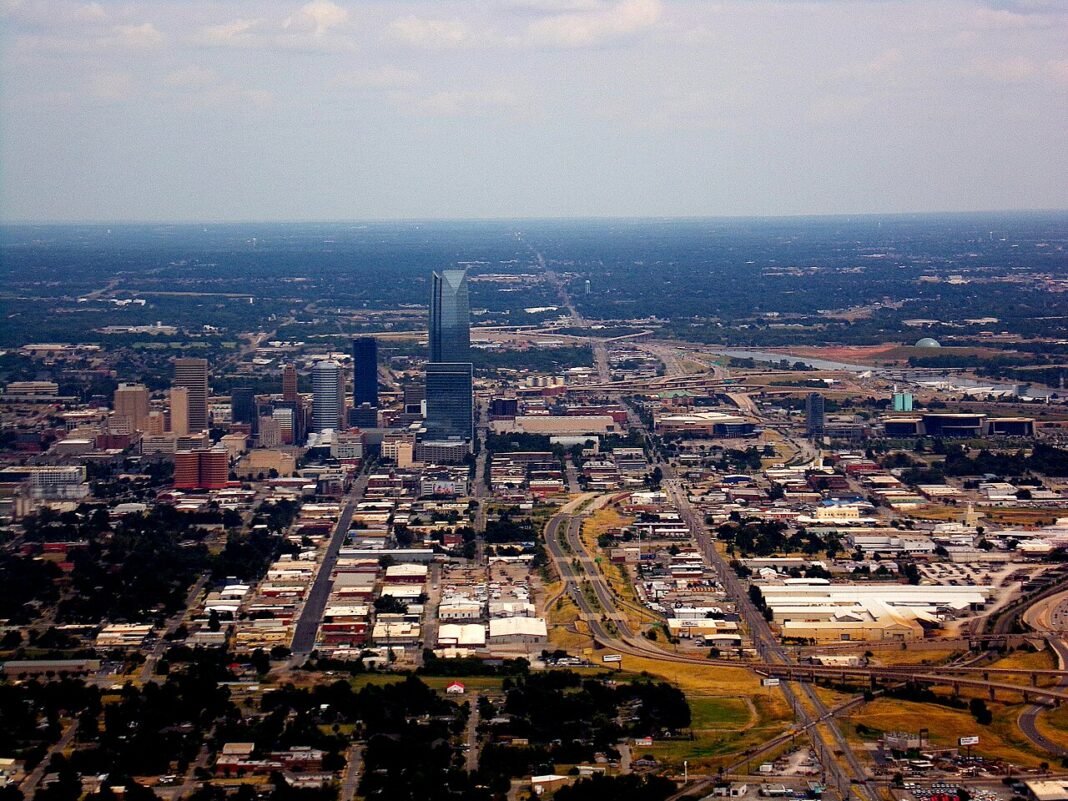
Oklahoma City has undergone one of the most successful downtown reinventions in the American interior — the MAPS public investment program, approved by voters repeatedly since 1993, has funded a streetcar system, a whitewater rafting center on the Oklahoma River, Scissortail Park (a 70-acre urban park in the heart of downtown), and the Chesapeake Energy Arena (home of the Oklahoma City Thunder NBA franchise). The Oklahoma City National Memorial, built on the site of the 1995 Alfred P. Murrah Federal Building bombing, is one of the most moving memorial experiences in the United States — the outdoor memorial’s 168 empty chairs in a reflecting pool setting achieve a quiet power that few contemporary memorial designs match. The National Cowboy and Western Heritage Museum holds the most comprehensive collection of Western American art and artifacts in the world, and is one of the most undervisited major museums in the country.
Tulsa: Art Deco and Route 66
Tulsa’s Art Deco architectural heritage — accumulated during the oil boom years of the 1920s and 1930s when Oklahoma was among the wealthiest states in the country — is one of the finest concentrations of Art Deco commercial architecture in the world, with downtown buildings that rival the showpieces of Miami Beach and New York City. The Philbrook Museum of Art, housed in a 1927 Italian Renaissance villa with formal gardens, holds a collection of Native American, American, and European art that competes with museums in much larger cities. The Woody Guthrie Center and the Bob Dylan Center (the archive of Dylan’s creative work, housed in Tulsa since 2020) make the city an unlikely but genuine pilgrimage destination for American music history. The Route 66 experience in Tulsa — from Cyrus Avery’s “Round Barn” to the Blue Whale of Catoosa, 20 miles east — provides the most concentrated collection of Route 66 roadside attractions in any single metro area.
Wichita Mountains Wildlife Refuge
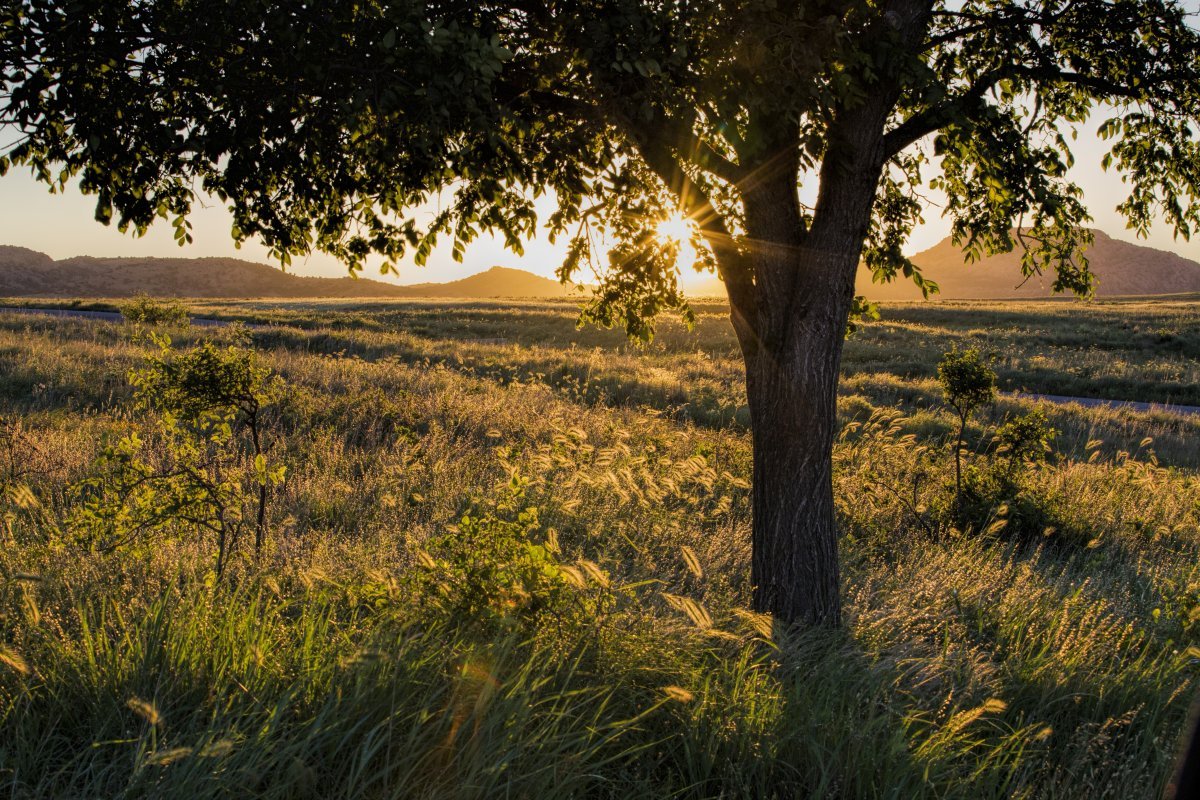
The Wichita Mountains Wildlife Refuge, in southwestern Oklahoma near Lawton, protects 59,020 acres of ancient granite mountains rising from the Southern Plains — a landscape of massive weathered boulders, prairie grasslands, and clear-water lakes that contains free-roaming bison, longhorn cattle, elk, and prairie dogs. Mount Scott, accessible by paved road, provides a 360-degree view over the plains that clarifies the region’s vast scale. The refuge is one of the most undervisited wildlife refuges in the country, offering wildlife viewing comparable to much more celebrated Western destinations without the crowds.
Native American Cultural Heritage
Oklahoma’s Native American heritage provides one of the richest cultural travel opportunities in the United States. The Five Civilized Tribes — Cherokee, Choctaw, Chickasaw, Creek (Muscogee), and Seminole — were removed to Indian Territory (present-day Oklahoma) from the southeastern United States in the 1830s and established nations with constitutions, courts, and school systems that survived into the 20th century. The Cherokee Heritage Center in Tahlequah provides the most comprehensive introduction to Cherokee culture and history. The Chickasaw Cultural Center in Sulphur is an extraordinary interpretive complex that presents Chickasaw history and contemporary culture with a production quality that rivals the finest museum institutions in the country. Powwows are held throughout Oklahoma’s calendar year — the American Indian Exposition in Anadarko (August) is one of the oldest and largest intertribal powwows in the country.
Route 66: The Mother Road
Oklahoma has the longest continuous stretch of original Route 66 of any state — 432 miles running from the Kansas border through Tulsa, Oklahoma City, and west to the Texas Panhandle. The route passes through towns that preserve genuine roadside America: Claremore (Will Rogers’ birthplace), Commerce (Mickey Mantle’s hometown), the Blue Whale swimming hole in Catoosa, Arcadia’s Round Barn, and the Lucille’s Roadhouse in Weatherford. The Oklahoma Route 66 Association maintains a detailed itinerary guide; the drive from Tulsa to OKC along the original alignment (bypassing I-44) takes a full day at a comfortable pace and provides one of the finest American road trip experiences available.
Practical Information
Will Rogers World Airport (OKC) and Tulsa International Airport (TUL) serve the state’s two major cities with connections to major hubs. Car rental is essential — Oklahoma’s attractions are spread across the state, and the distances between major sites require driving. Oklahoma’s outdoor recreation is best in spring (March–May, when the prairie wildflowers are at peak and temperatures are moderate) and fall (October–November, when summer heat breaks and the tallgrass prairie turns gold). Summer heat (June–August) is real and significant — plan outdoor activities for early morning and late afternoon.
Getting the Most Out of Your Visit
A few practical points that will improve any trip to Oklahoma. Book accommodation and major attractions — particularly national parks, popular hiking trails, and well-known restaurants — as far in advance as possible; the most desirable options can fill weeks or months ahead, especially in peak season. Having a car provides the most flexibility for exploring beyond the main centers, and most of Oklahoma’s most rewarding experiences are in places not easily reached by public transport. The best local knowledge is often found in regional visitor centers, independent bookshops, and by talking to residents — the most memorable discoveries on any trip are rarely the ones in the guidebooks. Allocate more time than you think you need: Oklahoma consistently rewards travelers who slow down and explore in depth rather than trying to cover maximum ground in minimum time.
Frequently Asked Questions
What is the Oklahoma City National Memorial and why is it significant?
The Oklahoma City National Memorial is built on the site of the 1995 Alfred P. Murrah Federal Building bombing — one of the most moving memorial experiences in the United States. The outdoor memorial’s 168 empty chairs in a reflecting pool setting achieve a quiet power that few contemporary memorial designs match. Oklahoma City has also developed genuine urban amenities through the MAPS public investment program (approved by voters repeatedly since 1993): a streetcar system, a whitewater rafting centre on the Oklahoma River, Scissortail Park (a 70-acre urban park in the heart of downtown), and the Chesapeake Energy Arena (home of the Oklahoma City Thunder NBA franchise). The National Cowboy and Western Heritage Museum holds the most comprehensive collection of Western American art and artifacts in the world.
What makes Tulsa worth visiting?
Tulsa’s Art Deco architectural heritage — accumulated during the oil boom years of the 1920s and 1930s when Oklahoma was among the wealthiest states — is one of the finest concentrations of Art Deco commercial architecture in the world, with downtown buildings rivalling the showpieces of Miami Beach and New York City. The Philbrook Museum of Art, housed in a 1927 Italian Renaissance villa with formal gardens, holds a collection of Native American, American, and European art that competes with museums in much larger cities. The Woody Guthrie Center and the Bob Dylan Center (the archive of Dylan’s creative work, housed in Tulsa since 2020) make Tulsa an unlikely but genuine pilgrimage site for American music history. Oklahoma has the longest continuous stretch of original Route 66 of any state — 432 miles — and Tulsa is its cultural centre.
What is the Wichita Mountains Wildlife Refuge?
The Wichita Mountains Wildlife Refuge in southwestern Oklahoma near Lawton protects 59,020 acres of ancient granite mountains rising from the Southern Plains — a landscape of massive weathered boulders, prairie grasslands, and clear-water lakes containing free-roaming bison, longhorn cattle, elk, and prairie dogs. Mount Scott, accessible by paved road, provides a 360-degree view over the plains that clarifies the region’s vast scale. The refuge is one of the most undervisited wildlife refuges in the country, offering wildlife viewing comparable to much more celebrated Western destinations without the crowds. The Wichita Mountains are among the oldest mountains in the United States, with granite outcrops estimated at 500–600 million years old.
What is Oklahoma’s Native American cultural heritage?
Oklahoma is home to 39 federally recognised tribes — more than any other state. The Five Civilised Tribes (Cherokee, Choctaw, Chickasaw, Creek/Muscogee, and Seminole) were removed to Indian Territory from the southeastern United States in the 1830s and established nations with constitutions, courts, and school systems. The Cherokee Heritage Centre in Tahlequah provides the most comprehensive introduction to Cherokee culture and history. The Chickasaw Cultural Centre in Sulphur is an extraordinary interpretive complex presenting Chickasaw history and contemporary culture with production quality rivalling the finest museum institutions in the country. The American Indian Exposition in Anadarko (August) is one of the oldest and largest intertribal powwows in the country.
What is the Tallgrass Prairie Preserve in Oklahoma?
The Tallgrass Prairie Preserve in Osage County, operated by the Nature Conservancy, is the largest protected remnant of tallgrass prairie in North America — approximately 39,650 acres protecting one of the last tracts of the ecosystem that once covered 170 million acres of the interior of the continent. A free-roaming bison herd of approximately 2,500 animals grazes the preserve, the largest bison herd in the world managed exclusively for ecological restoration. The preserve is open to the public for wildlife viewing, hiking, and photography. The Osage County setting — rolling Osage Hills covered in native grasses and wildflowers — provides some of the finest scenic prairie driving in the American interior along State Highway 11.