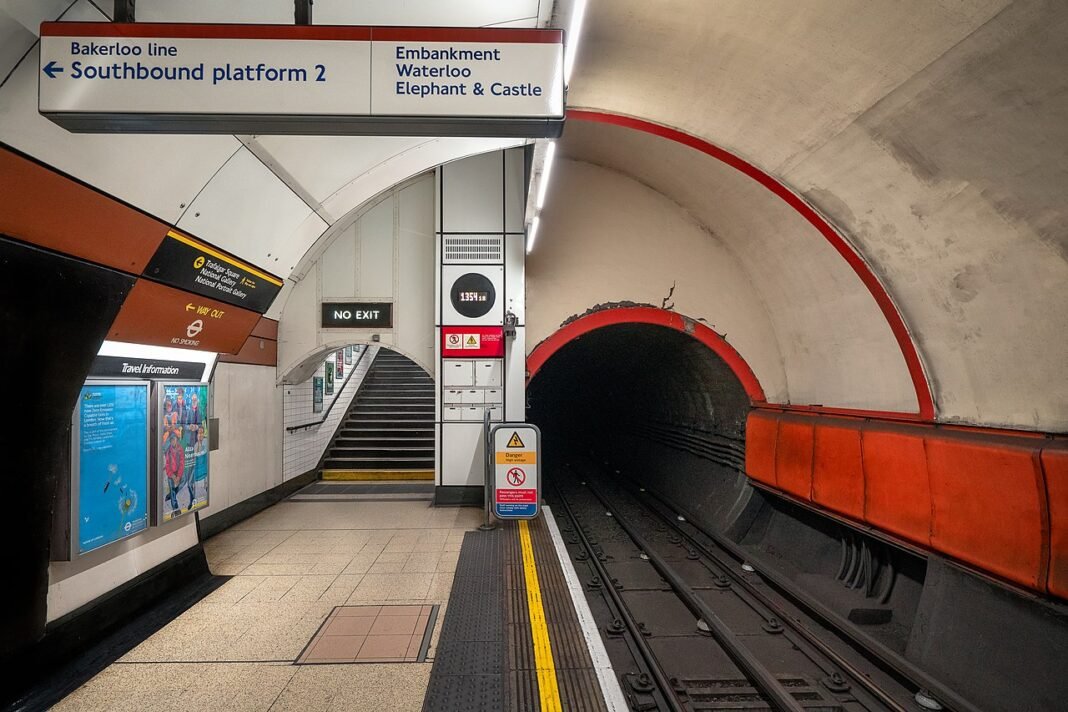
Getting around the United Kingdom well means making sense of a transport network that is, by turns, superb and faintly baffling. The London Underground ranks among the finest metro systems anywhere. The intercity railway, used the right way (which mostly means booking weeks ahead), delivers genuine value and real speed. The coach network reaches almost every corner of the country at budget prices. And for the countryside, the coast, and the Scottish Highlands, a hire car opens up far more than public transport can in a short trip. Here’s how to handle it all without the pitfalls that snare most first-time visitors.
The London Underground: The World’s First Metro
The Tube opened in 1863 — the world’s first underground railway — and still sets the standard: 11 lines, 272 stations, trains every 2–5 minutes on most lines during peak hours. A few essential tips:

- Use contactless payment (bank card, phone, or Oyster card) rather than buying paper tickets. Fares are far cheaper and a daily cap (£8.90 in zones 1–2 in 2026) prevents overcharging no matter how many journeys you make.
- Avoid Zone 1 where possible. Central London is the most expensive zone — many famous sights (Buckingham Palace, the South Bank, Covent Garden) are perfectly walkable from each other, and walking saves money while revealing the city more intimately.
- The Night Tube runs on the Victoria, Jubilee, Central, Northern, and Piccadilly lines on Friday and Saturday nights — useful for late evenings and far cheaper than taxis.
- The Elizabeth Line (Crossrail, opened 2022) connects Heathrow to central London in about 30 minutes — the fastest and cheapest airport transfer for terminals 2 and 3 (£15.50 with Oyster or contactless).
National Rail: Booking Smart Saves Real Money
Britain’s intercity railway is extensive and, booked properly, excellent value. The key rules that experienced travellers follow:
- Book 12 weeks (84 days) ahead on most operators — LNER releases Advance tickets up to 24 weeks ahead, the longest window in Britain. Advance singles are the cheapest fares going: London to Manchester can be £15–£25 booked early; the same journey walk-up is £140–£180.
- Travel off-peak. Avoid peak-time trains (before 09:30 and 15:30–19:00 on weekdays from major stations). Off-peak fares run 30–50% below Anytime fares on the same route.
- Railcards give you 1/3 off most fares for a £35 annual fee (or £80 for three years on some cards). The 16–25, 26–30, Two Together, Family & Friends, Senior, and Disabled Persons Railcards are all available. Most pay for themselves in a single intercity trip.
- Split ticketing (buying two or more tickets covering adjacent legs of one journey on the same train) can sometimes beat a single through ticket by a wide margin. The Trainsplit and Split My Fare websites work this out automatically.
- Book through Trainline, National Rail, or individual train operating company websites. For seat reservations on long-distance services (recommended but not always required), book them at the same time as the ticket.
Coaches: The Budget Option That’s Better Than You Think
National Express covers most towns and cities across the UK with coach routes typically 40–70% cheaper than equivalent rail fares. FlixBus entered the UK market in 2021 and adds further competition on the busiest corridors (London–Birmingham–Manchester, London–Bristol–Cardiff, London–Edinburgh). Journeys take noticeably longer than rail (a London to Manchester coach runs 3.5–4 hours against 2 hours by train), but for budget travellers the savings stack up.
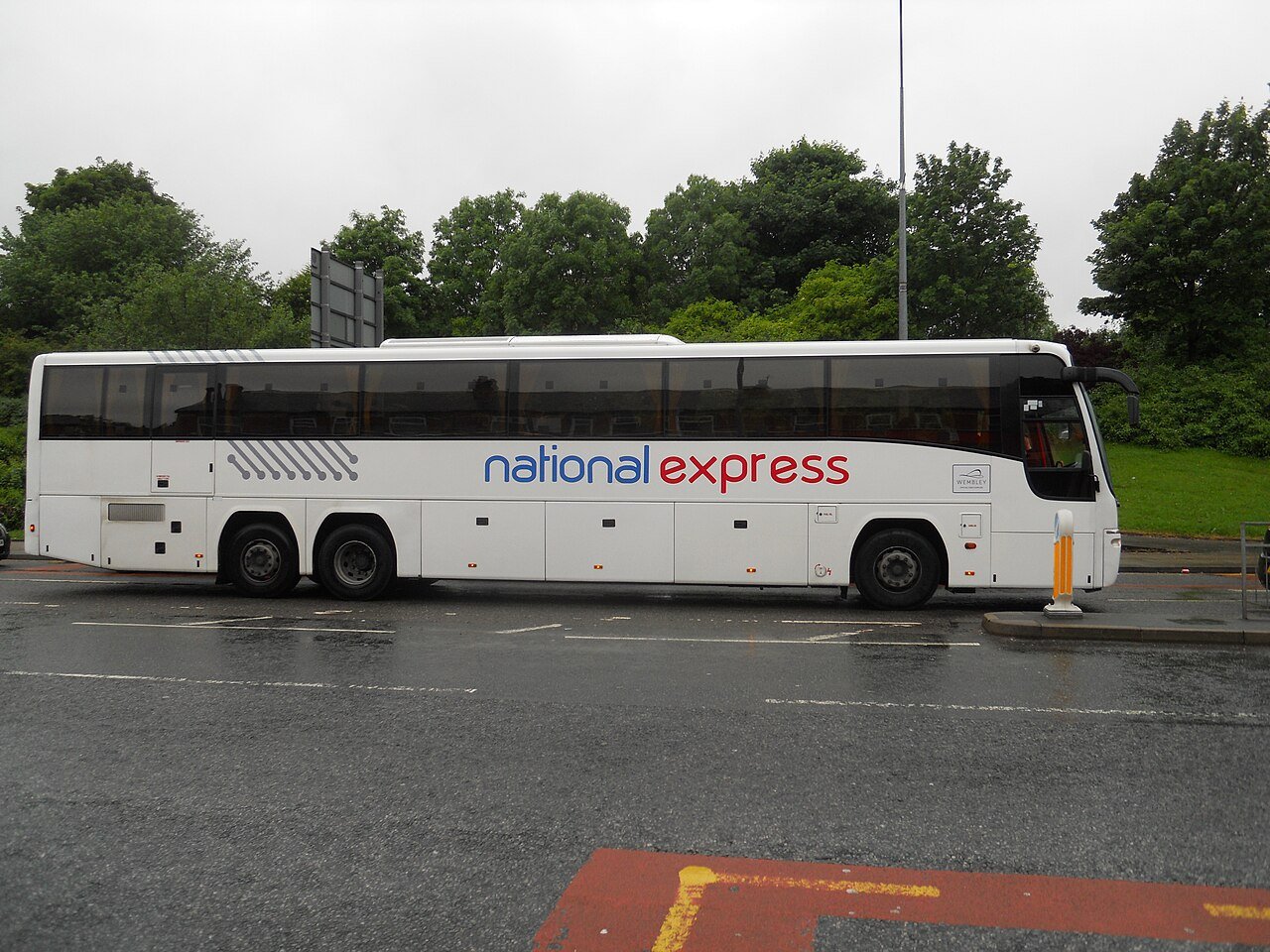
The Oxford Tube (Stagecoach, London Victoria to Oxford) is a first-rate dedicated service running every 10–15 minutes at peak times — more frequent than most trains and excellent value. Megabus on major corridors can still throw up startling fares (£1–5 singles) if booked far in advance.
Hiring a Car: Essential for the Countryside
A hire car changes the game for exploring rural Britain — the Scottish Highlands, Wales, the Lake District, Pembrokeshire, Northumberland, and the Cotswolds all open up and grow far more enjoyable with one. Key things to know:
- Drive on the LEFT. The steering wheel sits on the RIGHT. Roundabouts give priority to traffic already on the roundabout — give way to the right when approaching. This is the single most important rule and the source of the most accidents involving overseas visitors.
- Narrow roads are the rule outside motorways. Single-track lanes with passing places are common in rural Scotland and Wales — when you meet an oncoming vehicle, one of you pulls into a passing place. Patience is required.
- Congestion and Clean Air charges in London (Congestion Charge £18/day from 2 January 2026, ULEZ £12.50/day for non-compliant vehicles) apply to most vehicles in the central zone during charging hours. Don’t drive in central London unless you really must — park outside the zone and take public transport instead.
- Book your hire car ahead through Rentalcars.com or Kayak for the best rates. Car hire in the UK is dear at the last minute; 2–3 weeks of advance booking can halve the cost.
Ferries: Scotland’s Islands and Beyond
Caledonian MacBrayne (CalMac) runs an extensive ferry network serving Scotland’s west coast islands — Skye (bridge access now standard, but the old ferry to Kylerhea still runs in summer), the Outer Hebrides (Lewis, Harris, Uist, Barra), Mull, Islay, Arran, and more. Book CalMac ferries well ahead in summer — car spaces fill months in advance on the most popular routes. CalMac’s Hopscotch and multi-journey island-hopping tickets bundle several legs into one booking and offer excellent value for multi-island itineraries.
Stena Line and Irish Ferries operate crossings to Ireland from Holyhead (for Dublin), Fishguard and Pembroke Dock (for Rosslare), and Cairnryan (for Belfast) — a more scenic and often cheaper alternative to flying. DFDS Seaways connects Harwich with the Netherlands (Hook of Holland) and Newcastle with Amsterdam — popular with visitors pairing a UK trip with a European rail itinerary.
Scenic Rail Journeys Worth Booking for the Experience
Several British rail routes are worth taking as travel experiences in their own right, not just as transport:
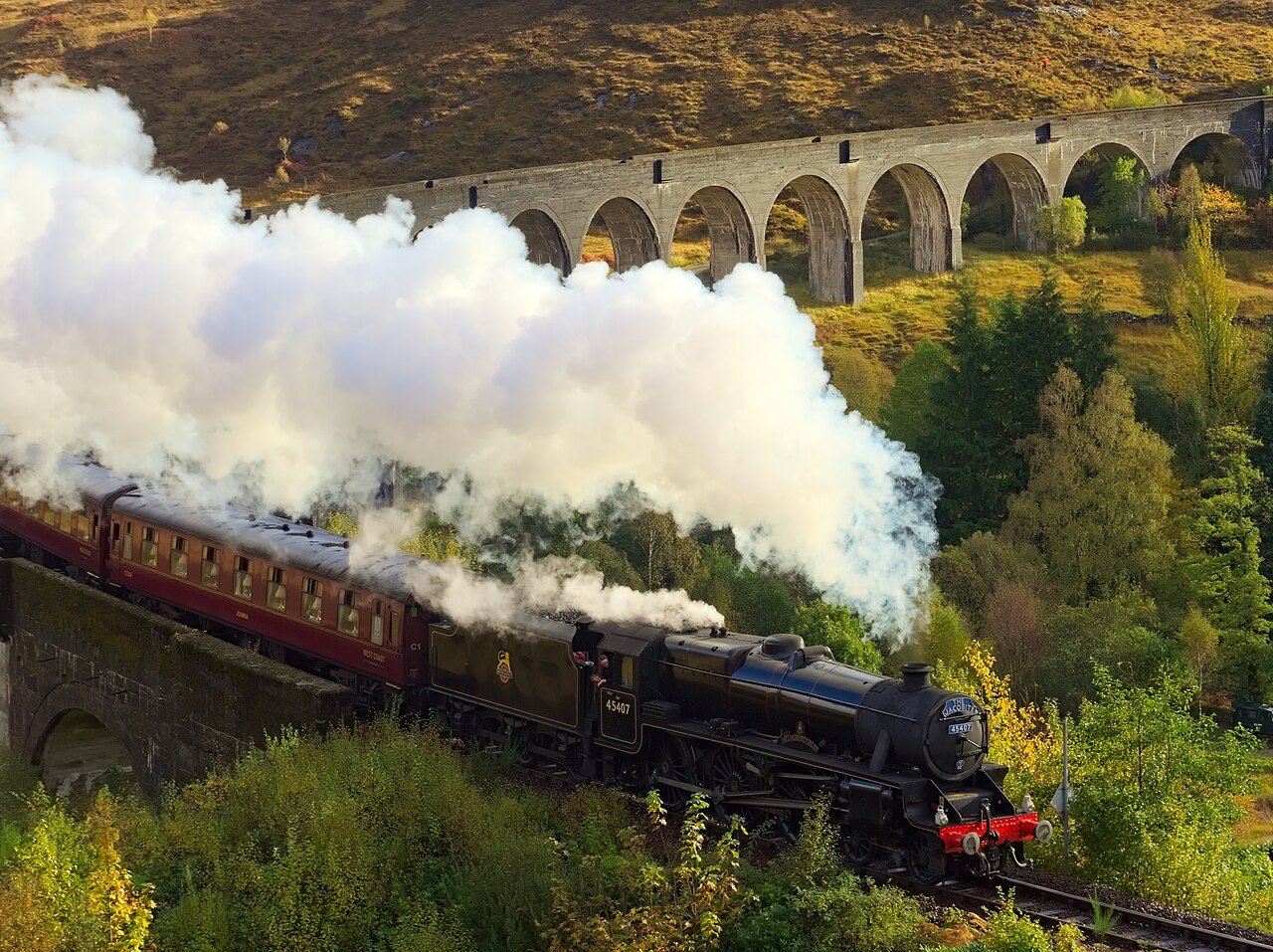
- West Highland Line (Glasgow to Mallaig): Widely rated one of the world’s great railway journeys, passing Rannoch Moor, Ben Nevis, and the Glenfinnan Viaduct (famous from Harry Potter). The Jacobite steam train runs between Fort William and Mallaig in summer on the same route.
- Settle–Carlisle Line: A Victorian engineering triumph across the Yorkshire Dales and the Eden Valley — 72 miles of viaducts, tunnels, and moorland that the railway arguably never should have been built across, yet somehow was.
- Cambrian Coast Line (Shrewsbury to Aberystwyth and Pwllheli): Runs right along the Welsh coast through Barmouth, with sea views from the carriage windows that would make a Norwegian fjord feel modest.
- Kyle of Lochalsh Line (Inverness to Kyle of Lochalsh): Through the Ross-shire Highlands to the Skye ferry terminal — 80 miles of lochs, mountains, and moorland that the ScotRail timetable badly undersells.
Frequently Asked Questions
How does the London Underground work and what are the essential tips?
The London Underground (the Tube) is the world’s oldest metro system — 272 stations across 11 lines. Always use an Oyster card (London’s stored-value transit card, available at any Tube station) or a contactless bank card rather than paper tickets — fares are far cheaper and a daily cap (£8.90 in zones 1–2 in 2026) prevents overcharging no matter how many journeys you make. Tap in and out at every station. The Elizabeth Line (opened 2022) connects Heathrow Airport with central London in roughly 30 minutes for £15.50 — well below the Heathrow Express (from £10 booked 30+ days ahead, up to £25 walk-up) and nearly as fast. Rush hour (07:30–09:30 and 16:30–19:00) is extremely crowded on central lines; avoid travelling with large luggage then. The TfL Journey Planner and Google Maps both provide reliable real-time routing.
How do you navigate National Rail (intercity trains) across Britain?
National Rail is run by multiple train operating companies (Avanti West Coast, LNER, CrossCountry, Great Western Railway, ScotRail, and others), but tickets can be bought through any operator’s website, the National Rail site, or third-party apps like Trainline. The critical booking rule: fares are cheapest when booked roughly 12 weeks ahead, when Advance Single tickets are first released — LNER opens its window even earlier, at 24 weeks. These non-refundable tickets are tied to specific trains. The Railcard scheme (£35 a year for the 16–25 Railcard, 26–30 Railcard, Senior Railcard, Two Together Railcard and similar) provides 1/3 off most fares and pays for itself after 2–3 trips. Split ticketing — buying two tickets covering the same journey via a mid-route station — is entirely legal and can halve the fare. Seat reservations are free and well worth making for longer journeys in peak periods.
What are the best ways to travel between UK cities by coach?
National Express is the UK’s dominant intercity coach network, serving 1,000+ destinations and providing the only direct road connections to many smaller cities and towns without rail links. Its Coachcard (£15 a year) gives 1/3 off most fares. Megabus operates on major corridors (London to Edinburgh, Manchester, Bristol, Birmingham) with seats frequently available for £1–5 booked far ahead — the same London–Edinburgh journey costs £15–25 by Advance rail. FlixBus has expanded its UK network sharply since launching in 2021, competing on major intercity routes. Coach journeys take roughly twice as long as the train, but overnight coaches on longer routes (London to Edinburgh: 8–9 hours overnight) effectively cover transport and a night’s accommodation at once, with seats far cheaper than even budget hotels.
How do you hire a car and drive in the UK as a visitor?
UK driving is on the left, with the driver seated on the right side of the vehicle — the biggest adjustment for visitors from right-hand traffic countries. Most UK roads outside motorways are narrower than equivalent roads in North America or Australia, with many rural lanes barely wide enough for one vehicle; passing places are used to let oncoming traffic through. Speed limits: motorways 70 mph (113 km/h), single carriageways 60 mph (97 km/h), towns and villages 30 mph (48 km/h) unless signed otherwise. A car is genuinely essential for rural areas — the Scottish Highlands, Lake District, Cornwall, and Wales are largely out of reach by public transport. Avoid taking hire cars into central London (Congestion Charge £18/day from 2 January 2026, ULEZ £12.50/day for non-compliant vehicles, very limited affordable parking). Book hire cars well ahead; collect from airports rather than city centres for lower rates.
What are the key practical tips for getting around the UK efficiently?
The UK’s transport network is complex but well-documented. For multi-city trips: a BritRail Pass (available only to non-UK residents, bought before arrival) provides unlimited travel across the National Rail network for set durations (3, 4, 8, 15 or 22 days, or one month) and is excellent value for visitors covering several cities in one trip. For London-only travel, the standard Oyster/contactless daily cap is enough. The Oxford Tube coach service to London and the Cambridge–London rail service (around 50 minutes, £10–20 Advance) make day trips entirely viable. Heading north–south through England, the West Coast Main Line (London Euston to Manchester, Liverpool, Edinburgh, Glasgow) and the East Coast Main Line (London King’s Cross to York, Newcastle, Edinburgh) are the two primary intercity spines. In Scotland, Caledonian Sleeper trains run six nights a week from London Euston to Inverness, Fort William, Aberdeen, Edinburgh, and Glasgow.