Alberta’s residential map is shaped by the province’s two dominant cities — Calgary (1.3 million) and Edmonton (1.0 million) — and by the Rocky Mountain lifestyle communities (Canmore, Cochrane, Okotoks) that have grown from small towns into substantial centres as Albertans seek mountain access without the expense of Banff National Park. The defining residential question in Alberta is the Calgary-versus-Edmonton comparison (a provincial rivalry with the cultural depth of the Sydney-Melbourne debate), and within Calgary, the choice between the inner-city character neighbourhoods (Inglewood, Kensington, Mission) and the outer-ring communities that deliver the strongest housing value in the province. Alberta’s no-PST advantage and its provincial income tax rates — among the lowest in Canada, running from 8 per cent on the first $61,200 to 15 per cent on the highest incomes in 2026 — make the after-tax arithmetic dramatically favourable for high earners relocating from Ontario or BC, and that math has consistently driven professional migration to Calgary through the resource economy’s growth periods.
1. Inglewood and Ramsay: Calgary’s Arts District
Inglewood, Calgary’s oldest neighbourhood on the Bow River east of the downtown core, is the city’s most characterful inner-city address — a commercial strip (9th Avenue SE) of independent restaurants, record shops, vintage clothing stores, and craft breweries (Village Brewery, Ol Beautiful) that has cultivated a creative identity without shedding its historical working-class roots. The Bow River pathway system runs through the neighbourhood, connecting downtown to the Inglewood Bird Sanctuary (one of the largest urban bird sanctuaries in Canada) within walking distance of the residential streets. Ramsay, immediately south, offers similar character — the Ramsay Design Centre, the old workers’ cottages — at slightly lower prices. Detached homes typically run CAD $600,000 to $900,000.
2. Kensington and Sunnyside: The Inner-North Village
Kensington — the commercial and residential district north of the Bow River and the Peace Bridge cycling crossing from downtown — is Calgary’s most complete village-scale neighbourhood. The Kensington Road strip (Vendome café, Caffe Beano, the Kensington Pub, and the independent retailers that have resisted the chains), the Riley Park greenspace, and the riverside pathway network connecting to the inner-city trails together create a walkable daily life that Calgary’s outer suburbs cannot replicate. Sunnyside, immediately west, shares the river and pathway access. Detached homes here range from CAD $700,000 to $1.0M.
3. Mission and Cliff Bungalow: South Inner City
Mission and the adjacent Cliff Bungalow neighbourhood, south of 17th Avenue SW and west of the Elbow River, hold Calgary’s most rounded south inner-city residential experience. The 4th Street SW restaurant strip (Una Pizza, Cibo, the original Model Milk location) and the 17th Avenue crossover bring the city’s finest dining and café culture within walking distance; the Elbow River and Stanley Park supply the green space; and the streets of bungalows and infill homes are among Calgary’s most attractive. The Macleod Trail transit corridor and the planned Green Line LRT promise future connectivity gains. Detached homes typically sell for CAD $750,000 to $1.2M.
4. Canmore: Mountain Lifestyle Living
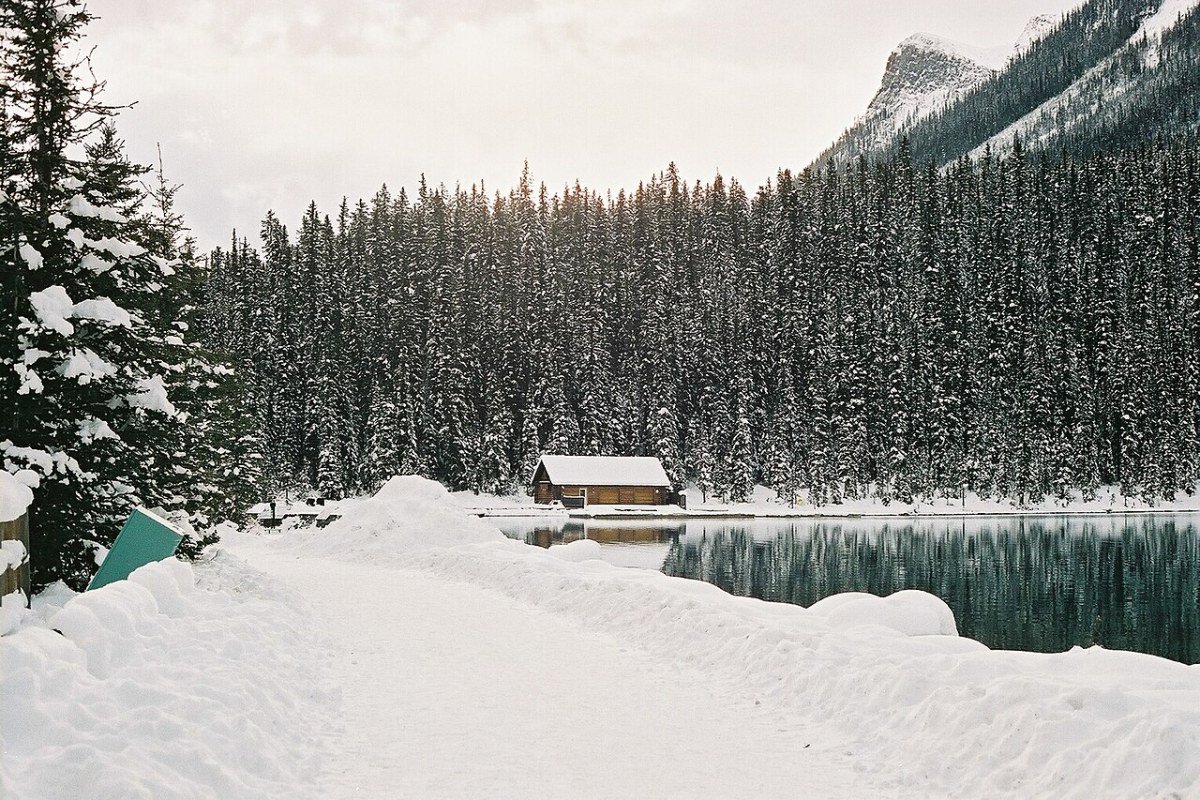
Canmore (around 17,000 residents), 100km west of Calgary in the Bow Valley at the gateway to Banff National Park, is Alberta’s most sought-after lifestyle relocation destination — a mountain town with the full infrastructure of a small city (hospital, secondary schools, a developing arts scene in the Canmore Arts and Entertainment District), immediate access to the Rocky Mountain trail network, and a real estate market that has appreciated sharply as Calgary professionals and remote workers discovered the mountain-lifestyle premium. The Nordic Centre (host of the 1988 Winter Olympics cross-country skiing), the extensive singletrack mountain biking on the slopes above town, and the Bow River paddling round out the recreation picture. Median house price: CAD $900,000 to $1.5M, a premium over Calgary that tracks the setting and the proximity to the park.
.jpg?width=1280)
5. Edmonton: The River Valley City
Edmonton — Alberta’s provincial capital and the gateway to the north — takes its residential character from an extraordinary river valley park system (the North Saskatchewan River valley holds 7,400 hectares of parkland, the largest urban parkland network in Canada) and from the University of Alberta campus district that has grown a creative and academic scene around the Whyte Avenue strip (Old Strathcona). Key Edmonton neighbourhoods:
- Old Strathcona and Ritchie: The Whyte Avenue strip (independent restaurants, the Garneau Theatre, the weekly Strathcona Farmers’ Market) and the residential streets of 1910s–1920s housing south of the University; Edmonton’s liveliest inner-city neighbourhood; median detached CAD $450,000–$650,000
- Glenora and Westmount: Edmonton’s most prestigious established inner-west neighbourhoods; the Victoria Park golf course, river valley access, and the historic mansions along the valley edge; median detached CAD $500,000–$800,000
- Oliver and Garneau: The high-rise condo belt west of downtown; LRT access on the Metro Line; proximity to the University; condos CAD $200,000–$380,000
Alberta’s Mountain Towns: Banff, Canmore, and Jasper
Banff (about 7,000 permanent residents within Banff National Park) and Canmore (roughly 17,000 residents, just outside the park boundary) are Alberta’s most aspirational small-town addresses — places where the premium of living inside the Rocky Mountain landscape pushes housing prices to CAD $600,000–$1.5M+ (Canmore) and where residents live within the world’s most-visited Canadian national park. Canmore is the more practical full-time community, with no Parks Canada residency restrictions; Banff town remains partly restricted to park employees and businesses. Jasper (population 4,000), within the larger park to the north, offers the more affordable mountain-town alternative at CAD $400,000–$700,000. For households that put mountain living above every other consideration, the Alberta mountain towns provide access no other Canadian address can match.
Making Your Decision
Choosing where to live in Alberta comes down to honestly matching your priorities against what each city and town genuinely delivers. Budget, career prospects, outdoor recreation, climate, and community feel all weigh differently depending on your life stage and values — and no ranking can substitute for that personal assessment. The cities and towns profiled here represent the strongest overall options, but Alberta has smaller communities that make a compelling case for anyone willing to trade urban convenience for affordability, quieter living, or closer access to natural landscapes. If you can, spend at least a long weekend in your shortlisted communities before committing — the practical factors matter enormously, but so does the harder-to-measure sense of whether a place simply fits where you are in life.
Frequently Asked Questions
What makes Calgary unique among Canada’s major cities?
Calgary — Alberta’s largest city, with 1.4 million residents and a metropolitan population of roughly 1.8 million — is Canada’s most economically dynamic major city outside Toronto and Vancouver, shaped by oil and gas wealth into a city of exceptional civic infrastructure: the most extensive urban pathway system in North America (over 1,000km along the Bow and Elbow Rivers), the Calgary Tower (1968), Stephen Avenue Mall, and the Arts Commons. Calgary’s energy-industry headquarters cluster (the most significant oil and gas corporate concentration in Canada outside the Athabasca oil sands operations themselves) sits alongside a startup and tech sector that has broadened the economy since the 2015 oil price collapse. The Rocky Mountains are close enough (90 minutes to Banff, 45 minutes to Canmore) to give Calgary residents world-class outdoor recreation that no other major Canadian city can match. The Calgary Stampede (10 days in early July — “The Greatest Outdoor Show on Earth” — with the world’s richest outdoor rodeo, chuckwagon races, a midway, and the Stampede Parade) turns the city into the most concentrated expression of Western Canadian identity anywhere in the country.
What neighbourhoods define Calgary’s character?
Calgary’s residential geography is organized around the Bow River valley, the LRT network, and the contrast between the established inner city and the vast suburban growth at the edges. Inglewood — the oldest neighbourhood, born beside Fort Calgary in 1875 — has become the city’s liveliest inner-city district: Ninth Avenue’s vintage shops, galleries, and restaurants; the Inglewood Bird Sanctuary (the most accessible urban wildlife watching in Calgary); and the Bird & Brew beer hall. Kensington (north of the Bow River, connected by the Louise Bridge) holds Calgary’s densest café and independent-retail concentration. The Beltline (the high-density inner ring between the CBD and Mount Royal) is the city’s most walkable urban neighbourhood, with 17th Avenue SW (the Red Mile during hockey playoffs) as its most animated commercial strip. Mission (along the Elbow River, 4th Street SW) carries the most complete residential feel, with the best restaurant concentration outside downtown. The inner-city heritage pockets (Cliff Bungalow, Roxboro, Elbow Park) preserve pre-war Calgary character at price points of CAD $900,000–$1.5M for houses.
What does Alberta’s tax environment mean for households?
Alberta is the only Canadian province with no provincial sales tax (PST), so purchases are taxed only at the federal GST rate of 5% — compared with combined federal-provincial rates of 13–15% in most other provinces. On income, Alberta levies provincial tax that runs from 8% on the first $61,200 up to 15% on the highest incomes in 2026, a structure that keeps combined federal-provincial income tax rates among the lowest in the country for most income levels relative to Ontario, BC, and Quebec; the absence of provincial health premiums adds to that edge. The province’s “Alberta Advantage” — built on resource royalty revenues that have historically allowed below-average tax rates — moves with oil prices, and Alberta has faced structural deficit pressure during price troughs that periodically lead to service cuts. For households relocating from British Columbia or Ontario, the mix of no PST, comparatively low income tax, and lower housing costs (Calgary remains substantially cheaper than Vancouver and Toronto) builds a strong financial case, particularly for dual-income professional households.
What do Edmonton and northern Alberta offer that Calgary does not?
Edmonton — Alberta’s provincial capital, with a metropolitan population of roughly 1.7 million, 300km north of Calgary — functions as the service and administrative hub for Alberta’s north, including the Fort McMurray oil sands, the Peace Country agricultural region, and the communities along the Alaska Highway corridor. The North Saskatchewan River valley system (the largest urban parkland in Canada, 7,400 hectares of connected river valley parks and ravines within the city limits) is Edmonton’s defining natural asset, supplying a riverside pathway and recreation network that Calgary’s Bow River cannot match in scale. Old Strathcona (south of the university, Whyte Avenue) is Edmonton’s most walkable neighbourhood and the city’s cultural centre — the Edmonton Fringe Theatre Festival (the largest Fringe festival in North America by attendance) takes over Whyte Avenue for 11 days in August. The University of Alberta (one of Canada’s leading research universities) and the Royal Alberta Museum (the largest museum in western Canada) anchor the city’s cultural and intellectual life. For northern Alberta communities (Grande Prairie, Fort McMurray, Peace River), salaries in resource extraction, healthcare, and government sit substantially above provincial averages, reflecting remoteness and service demands.
What are the practical housing cost realities in Calgary and Alberta’s major cities?
Alberta’s housing market has moved through dramatic cycles tied to oil price booms and busts. The 2022–2026 cycle has brought significant price appreciation as remote workers from Vancouver and Toronto relocated for Calgary’s quality of life and lower costs. Calgary’s median detached house price reached CAD $600,000–$750,000 in 2026, with inner-city detached homes in Inglewood, Kensington, and the Beltline at CAD $800,000–$1.3M. Condos in the Beltline and downtown core run CAD $280,000–$500,000. Edmonton median detached prices are lower at CAD $450,000–$580,000, with inner-city stock (Glenora, Grovenor, Westmount) at CAD $550,000–$850,000. Canmore (the gateway community to Banff National Park, 100km west of Calgary) has seen the most extreme price appreciation in the province — driven by short-term rental investment and proximity to Banff — with detached homes at CAD $1.3M–$2.5M+, effectively pricing out local service workers and producing a resort-community affordability crisis akin to Whistler and Tofino.