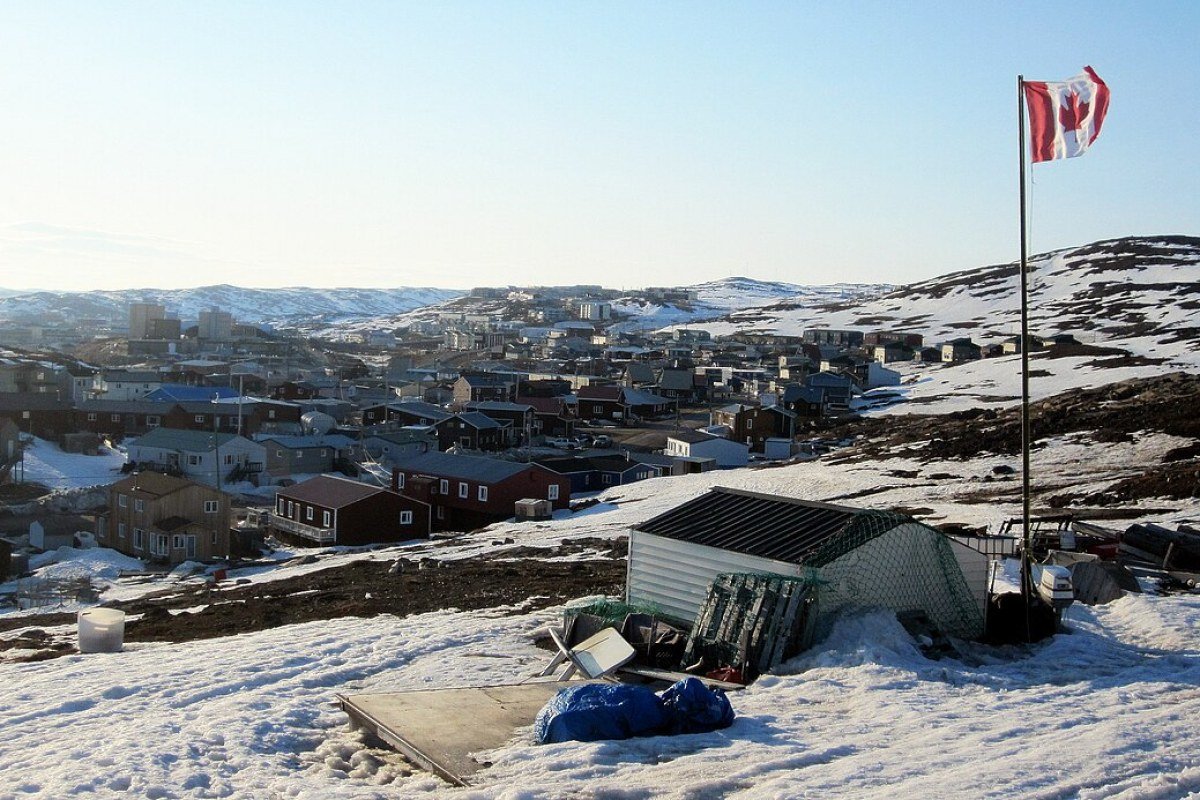
Moving to Nunavut is one of the biggest decisions a Canadian professional can make, and for the people who arrive with clear intentions and realistic preparation, it is also one of the most rewarding. The territory pairs deep isolation with a landscape of rare scale, small communities where everyone knows everyone, demanding professional work, and the living Inuit culture that shapes daily life in every hamlet. Nunavut does not recruit casually, and it tends to humble the unprepared. But for nurses, teachers, engineers, social workers, and professionals across nearly every field, a posting here offers a career and a way of life that has no real equivalent anywhere else in the country.
Who Moves to Nunavut (and Why)
Roughly 15–20% of the territory’s 40,000 residents are non-Inuit, and they fall into a few clear groups:
- Government of Nunavut employees: Teachers, nurses, social workers, engineers, lawyers, accountants, and administrators recruited by the GN from across Canada. Most arrive on 2-year renewable contracts with employer-provided housing; retention beyond that first contract varies widely by community size and role
- Federal government personnel: RCMP officers (the force polices all 25 communities), federal court judges and staff, and department-specific personnel from Parks Canada, Transport Canada, and Indigenous Services Canada
- Resource industry workers: Baffinland’s Mary River operation—one of the world’s most northerly iron ore mines, on northern Baffin Island—runs several hundred workers on fly-in/fly-out schedules, while Agnico Eagle’s Hope Bay gold project, currently being rebuilt toward future production, employs construction and exploration crews on the same rotation
- Inuit spouses and partners: Non-Inuit individuals who have built family relationships with Inuit partners and made Nunavut their permanent home
Finding Employment
Almost all non-Inuit work in Nunavut runs through government. Outside resource extraction and the small retail and service economy of Iqaluit, the territory has no real private-sector employment base:
- Government of Nunavut: The GN’s jobs portal (careers.gov.nu.ca) lists openings across every department and community. Teaching and nursing roles turn over constantly and are almost always available; engineering, legal, and senior management postings come up less often but pay well. Under Article 23 of the Nunavut Land Claims Agreement, the GN prioritizes Inuit applicants, and it recruits non-Inuit professionals to fill the roles that cannot yet be staffed from the Inuit labour market
- Nunavut Teacher Education: The NTEP at Nunavut Arctic College trains Inuit teachers for the territory’s schools; non-Inuit teachers come in through the Department of Education’s annual posting process, which usually lists 40–80 positions each spring for a fall start
- Health recruitment: The Department of Health, Nunavut Tunngavik Inc., and the regional health organizations recruit nurses, physicians, allied health professionals, and mental health workers year-round. A community health nurse in Nunavut holds one of the most autonomous and best-paid nursing roles in Canada
- RCMP: Officers come to Nunavut through the national posting system; you cannot join the RCMP specifically for a Nunavut deployment
The Nunavut Employment Package
The full package, not the headline salary, is what makes Nunavut’s numbers work:
- Base salary: GN pay is set by collective agreement and sits well above southern equivalents—a teacher with five years’ experience earns $90,000–$105,000 base, a community health nurse $105,000–$130,000, and an engineer $110,000–$145,000
- Northern allowance: Every GN position carries a northern allowance, from about $10,000 a year in Iqaluit to $25,000 or more in the most remote communities. It is taxable, but the federal Northern Residents Deduction offsets much of that
- Housing: Employer-provided housing is the benefit that changes the math. A 3-bedroom unit at $500–$700 a month in subsidized rent—against a true market value of $4,000–$6,000 a month—works out to roughly $40,000–$65,000 a year in value after rent, the equivalent of a very large salary top-up
- Return travel: Most GN contracts include one or two return flights south each year for the employee and family, worth $2,000–$8,000 a year depending on family size and home city
- Northern Residents Deduction: Nunavut is a prescribed northern zone, so residents can claim the federal Northern Residents Deduction: a residency amount of $11.00 a day (up to $22.00 a day if you maintain the dwelling and no one else claims it), plus a travel deduction covering the cost of up to two personal trips a year for yourself and each eligible family member. For a typical household the deduction trims federal income tax by several thousand dollars a year
Practical Preparation: What to Bring
Preparing for Nunavut goes well past what any other Canadian move asks of you:
- Cold-weather clothing: Arctic-rated outerwear is the one thing you cannot improvise—not ordinary Canadian winter gear, but clothing built for deep cold and wind chill. Plan on a true Arctic parka with a fur-ruffed hood (it keeps your face from freezing in the wind), insulated pants, heavy Arctic boots such as Baffin’s Polar-rated line (Polar Proven at both poles, rated to roughly −60°C), wool base layers, and proper mitts rather than gloves for long stretches outdoors. Iqaluit has an outfitter or two, but most residents bring their best gear from the south
- Entertainment and comfort items: Consumer goods cost more and the selection is thin, so books, hobby supplies, musical instruments, favourite foods, and small comforts should travel with you. The annual sealift lets residents ship larger orders—furniture, household goods, cases of specialty food—to Iqaluit and most communities at reasonable cost, and people plan those orders carefully each year
- Medications and health supplies: Bring a solid supply of any prescription medication and specialty health items. The Iqaluit pharmacy stocks common medications, but anything unusual can take weeks to arrive
- Electronics: Good headphones, streaming subscriptions, and a stash of downloaded entertainment go a long way through the long winter nights in smaller communities. High-speed internet reaches Iqaluit and, increasingly, other communities by satellite, though video streaming can still be patchy in the most remote hamlets

Cultural Respect and Community Integration
Ask long-term residents what matters most for a newcomer, and they all land on the same answer: how you approach the culture. Nunavut is Inuit Nunangat, the homeland of the Inuit people, and non-Inuit residents are guests in it. The communities that work best are the ones where non-Inuit workers show up with humility, curiosity, and real respect for Inuit ways of knowing and being.
In practice, that means a few concrete things. Learn basic Inuktitut—greetings, numbers, the names of common foods and activities. Say yes to community feasts, events, and on-the-land trips. Listen more than you talk in your first months. And read Inuit communication styles, which run more indirect and contextual than southern Canadian norms, as a reflection of cultural values rather than a breakdown. The teachers and nurses who stay 5, 10, or 20 years tend to describe the same turning point: choosing to be genuinely present in the community instead of serving time until the next southern posting.
Frequently Asked Questions
Who typically moves to Nunavut and why?
About 15–20% of the territory’s 40,000 residents are non-Inuit, in four main groups. Government of Nunavut employees—teachers, nurses, social workers, engineers, lawyers, accountants, and administrators recruited from across Canada, most on 2-year renewable contracts with employer-provided housing. Federal personnel—RCMP officers (the force polices all 25 communities), federal court judges and staff, and departmental staff from Parks Canada, Transport Canada, and Indigenous Services Canada. Resource workers—Baffinland’s Mary River iron ore operation (one of the world’s most northerly mines, on northern Baffin Island) and Agnico Eagle’s Hope Bay gold project, now being rebuilt toward production, both run crews on fly-in/fly-out schedules. And non-Inuit partners of Inuit residents who have made Nunavut home. Almost all non-Inuit work runs through government; outside resource extraction and Iqaluit’s retail and service economy, there is little private-sector employment.
What does the Nunavut employment compensation package include?
The full package is what makes the numbers work. Base salaries sit well above southern equivalents: a teacher with five years’ experience earns $90,000–$105,000 base, a community health nurse $105,000–$130,000, and an engineer $110,000–$145,000, all set by collective agreement. Northern allowances run from about $10,000 a year in Iqaluit to $25,000 or more in the most remote communities. Employer-provided housing is the standout benefit—a 3-bedroom unit at $500–$700 a month subsidized (against a true market value of $4,000–$6,000 a month) is worth roughly $40,000–$65,000 a year after rent. Most contracts add one or two return flights south each year for the employee and family, worth $2,000–$8,000. And because Nunavut is a prescribed northern zone, the federal Northern Residents Deduction—a residency amount of $11.00 a day plus a travel deduction for up to two personal trips a year per family member—trims federal income tax by several thousand dollars annually.
What essential preparation is needed before moving to Nunavut?
Preparation goes well beyond any other Canadian move. Cold-weather clothing comes first: a true Arctic parka with a fur-ruffed hood, insulated pants, heavy Arctic boots (Baffin’s Polar-rated line, Polar Proven at both poles and rated to roughly −60°C), wool base layers, and proper mitts rather than gloves for long spells outside. Consumer goods cost more and the selection is thin, so bring books, hobby supplies, instruments, favourite foods, and small comforts; the annual sealift then lets you ship furniture, household goods, and specialty food to Iqaluit and most communities at reasonable cost. Bring a generous supply of any prescription medication, since the Iqaluit pharmacy carries common drugs but unusual items can take weeks to arrive. And pack offline entertainment—high-speed internet reaches Iqaluit and, increasingly, other communities by satellite, but video streaming can be patchy in the most remote hamlets.
How does the Government of Nunavut recruit health and education workers?
Teaching and nursing roles turn over fastest and come up most often. For teachers, the Department of Education’s annual posting process lists 40–80 positions each spring (applications generally open February–April) for a September start. Community health nurses hold some of the most autonomous and best-paid nursing roles in Canada: in smaller communities the scope can include emergency stabilization, public health programming, and community mental health work that southern Canada would split among several specialists. Openings are posted on the GN jobs portal at careers.gov.nu.ca. Under Article 23 of the Nunavut Land Claims Agreement, the GN prioritizes Inuit applicants while actively recruiting non-Inuit professionals for roles that cannot yet be staffed from the Inuit labour market. Health staff receive above-average pay, the northern allowance, and employer-provided housing as part of the package.
How should newcomers approach Inuit culture and community integration in Nunavut?
Nunavut is Inuit Nunangat, the homeland of the Inuit people, and non-Inuit residents are guests in it. The communities that function best are the ones where non-Inuit workers arrive with humility, curiosity, and real respect for Inuit ways of knowing. In practice: learn basic Inuktitut phrases; say yes to community events, feasts, and on-the-land trips; listen more than you speak early on; and read Inuit communication styles, more indirect and contextual than southern Canadian norms, as cultural values rather than a breakdown. Residents who stay 5 to 20 years or more describe the same turning point—deciding to be genuinely present rather than serving time until the next southern posting. The territory rewards the committed, not the transient, and for those who commit it offers a career and a life with no equivalent anywhere else in Canada.