Colorado Outdoors: Skiing, Hiking, Cycling, and the World’s Best Mountain Recreation
Colorado‘s reputation for the outdoors isn’t exaggerated — if anything, it’s undersold. Stack up the numbers: 53 ranked peaks above 14,000 feet (58 counting named subsidiary summits), the most skiable terrain of any U.S. state, 3,000 miles of river, 3,700 miles of trail in the national forests alone, and a local culture that treats mountain access as a basic quality-of-life requirement. Few places in the lower 48 come close. Here is the full scope of what the state offers.
Skiing and Snowboarding: America’s Best
For many skiers, Colorado’s resorts set the American standard. The major mountains average more than 300 inches of snow a year, and the Rocky Mountain snowpack delivers the dry, reliable powder the state’s ski industry has built its reputation on for decades.
Vail: One of the country’s largest resorts, with 5,317 acres of skiable terrain spread across front-side groomed runs, the legendary Back Bowls (roughly 2,800 acres of open bowl skiing on seven south-facing bowls), and Blue Sky Basin. Its mix of variety, vertical (3,450 feet), infrastructure, and dependable snow makes it the benchmark other American resorts get measured against. The town itself leans European — pedestrian-only streets, heated sidewalks, a unified architectural style — a look you won’t find anywhere else in American skiing.

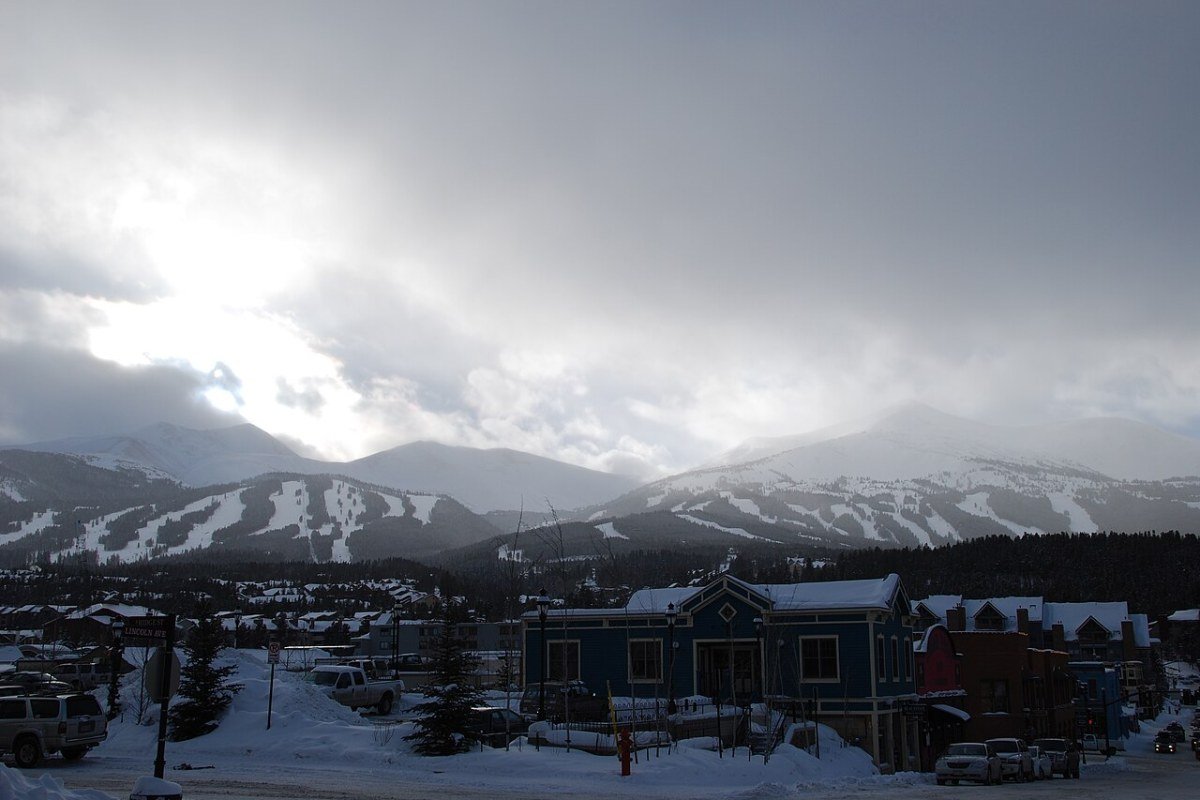
Breckenridge: One of the highest-elevation major resorts in the country, topping out at a 12,998-foot summit, with the Imperial Express SuperChair — North America’s highest chairlift at 12,840 feet — opening up five peaks of terrain that range from beginner greens to double-black steeps above treeline. The Victorian mining-town backdrop, all preserved Main Street and historic storefronts now turned into restaurants and shops, gives Breck the most lived-in history of any major Colorado resort.
Steamboat Springs: The self-styled “Ski Town USA” has sent more athletes to the Winter Olympics than any other American town — more than 100 to date. It’s known for Champagne Powder, a Steamboat trademark for its unusually light, dry snow, and for a culture that stays more Western and less resort-bound than Vail or Aspen. Ranching heritage runs right alongside ski culture here, a pairing that feels distinctly Colorado.

The 14ers: Colorado’s Ultimate Hiking Challenge
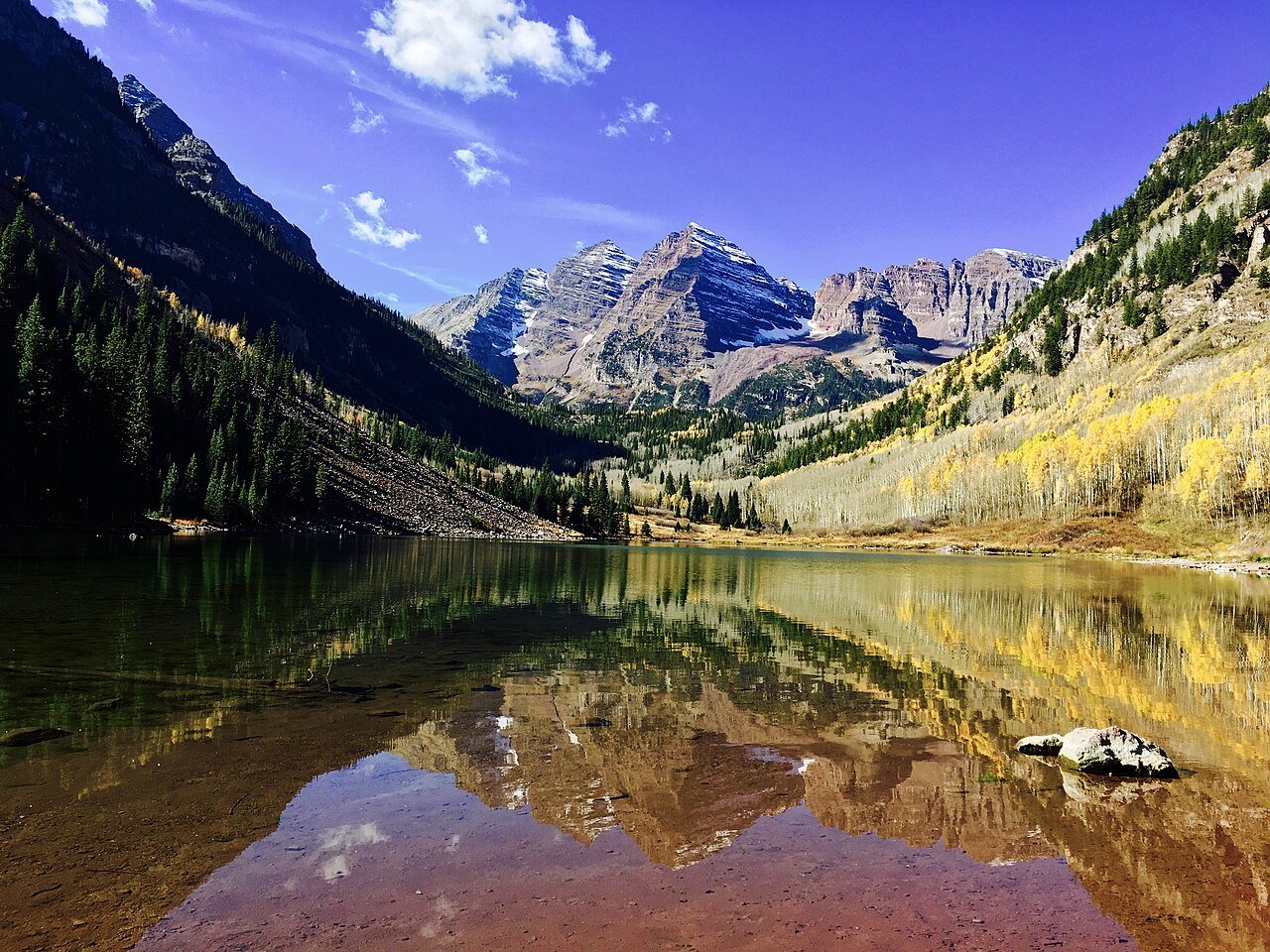
Fifty-three ranked peaks rise above 14,000 feet here — fourteeners in local parlance, or 58 if you count the named subsidiary summits — and ticking off the full list is a life-goal for committed Colorado hikers. That list spans the state, from the Front Range peaks (Mount Blue Sky — renamed in 2023 from Mount Evans — Pikes Peak, and Longs Peak in Rocky Mountain National Park) to the Elk Mountains (the four Maroon Bells-Snowmass peaks, Capitol, and Pyramid) to the San Juans (the most remote and technically challenging group, including the famous Chicago Basin fourteeners).
Beginner-friendly fourteeners: Mount Bierstadt (roughly 90 minutes southwest of Denver via Guanella Pass, 7-mile round trip, 2,850 feet elevation gain), Quandary Peak (near Breckenridge, 6.75 miles round trip), and Mount Sherman (near Fairplay, 5-mile round trip from the upper trailhead) are the most commonly recommended starting points for fit hikers with no technical mountaineering experience. Mount Elbert (14,440 feet), the highest peak in Colorado and the second-highest in the contiguous United States, is also non-technical via the standard route (about 9 miles round trip).

Technical challenges: Capitol Peak and the Maroon Bells demand Class 3–4 scrambling with real exposure — falls here can injure or kill. The “Deadly Bells” nickname for Maroon Peak and North Maroon Peak comes from a long record of accidents on loose, rotten rock. These are mountaineering objectives, not hikes.
Safety on fourteeners: Colorado’s high-altitude weather catches many visitors off guard. Afternoon thunderstorms build over the peaks almost daily from June through August, and lightning above treeline is the single most reliable hazard. The standard advice — start before dawn, be below treeline by noon — isn’t overcaution; it’s the rule that keeps people alive.
Mountain Biking: Colorado’s Year-Round Obsession
The state’s mountain bike network runs the full spectrum, from beginner-friendly paved paths along the Denver creek system to expert alpine singletrack high in the peaks. Colorado has produced some of the sport’s most influential trail builders, and you can see their fingerprints in the range and quality of the riding.
Moab, Utah, is just across the border and technically not Colorado, but no mountain biker living in Colorado ignores its existence: Moab’s Slickrock Trail and Dead Horse Point trails are within a 4-hour drive of Denver and represent some of the most technically demanding and visually spectacular mountain biking terrain on Earth.
Within the state: Crested Butte is widely cited as the spiritual birthplace of mountain biking — the Pearl Pass Tour from Crested Butte to Aspen, first run in 1976, is generally considered the world’s oldest organized mountain bike event, and the town soon became home to one of the country’s earliest mountain bike shops. Its trails still carry that DNA — technical, demanding, and woven into the landscape rather than smoothed out for flow. Over on the Western Slope, Fruita trades alpine singletrack for desert riding, with the 18 Road trail system and Kokopelli’s Trail leading the pack.
White Water Rafting
Colorado’s rivers hold some of the best white-water rafting in the country. The Arkansas River, which drains the Collegiate Peaks between Salida and Cañon City, is the most commercially rafted river in the nation, drawing more than 250,000 rafters a year. Where it runs through Royal Gorge — at the bottom of a 1,000-foot-deep granite chasm — it delivers one of the wildest rafting experiences in North America (Class IV–V at higher flows). Upstream, the Numbers and Browns Canyon sections serve up dependable Class III–IV water that’s ideal for intermediate paddlers; Browns Canyon became a national monument in 2015.

The Colorado River itself, especially the Glenwood Canyon stretch between Glenwood Springs and Dotsero, makes for first-rate intermediate rafting through some of the most striking canyon scenery in the state. Down in the southwest, the Dolores River offers a more remote multi-day trip through red-rock country that rivals southern Utah.
Colorado’s Outdoor Calendar
The outdoors here never really shuts down — it just shifts. Ski season runs November through April (late-season turns at Arapahoe Basin and Loveland can stretch into June after a big winter), while hiking, cycling, and river trips take over May through October. The brief overlap when late-season skiing and the first wildflower blooms arrive at once — usually mid-May in a normal snow year — is one of the state’s signature moments, and a reminder that Colorado’s appeal is as much about the rhythm of its seasons as the sheer amount of terrain.
Frequently Asked Questions
What is the best skiing in Colorado and how do the major resorts compare?
Colorado’s ski resorts set the American standard, averaging 300+ inches of snow annually with the Rocky Mountain snowpack delivering consistently dry powder. Vail is one of the largest ski resorts in the United States, with 5,317 acres of skiable terrain including the legendary Back Bowls (roughly 2,800 acres of open bowl skiing across seven south-facing bowls) and Blue Sky Basin, with 3,450 feet of vertical drop and European ski village aesthetics — pedestrian-only streets, heated sidewalks. Breckenridge is one of the highest-elevation major resorts in the United States, with a 12,998-foot summit and the Imperial Express SuperChair (12,840 feet) — the highest chairlift in North America — across five peaks. Steamboat Springs is “Ski Town USA,” having produced more Winter Olympians than any other town in the United States (more than 100 to date), and is known for Champagne Powder — an exceptionally light, dry snow trademark. Telluride, in a San Juan Mountain box canyon, offers smaller scale and more authentic character than the larger resorts.
What are the Colorado 14ers and how do you approach them safely?
Colorado has 53 ranked peaks above 14,000 feet (58 counting named subsidiary summits) — more than any other US state. Completing the full list is a life-goal for serious Colorado hikers. Beginner-friendly 14ers include Mount Bierstadt (7-mile round trip, 2,850 feet gain, about 90 minutes from Denver via Guanella Pass), Quandary Peak (6.75 miles round trip, near Breckenridge), and Mount Sherman (5-mile round trip from the upper trailhead, near Fairplay). Mount Elbert (14,440 feet) is the highest peak in Colorado and the second-highest in the contiguous United States; it is non-technical via the standard route (about 9 miles round trip). Technical 14ers — Capitol Peak and the Maroon Bells (Maroon Peak + North Maroon Peak, nicknamed the “Deadly Bells” for their loose, rotten rock) — require Class 3–4 scrambling with serious fall exposure and genuine mountaineering experience. Safety is essential: Colorado’s afternoon thunderstorms build rapidly over the peaks from June through August, and lightning above treeline is the most consistent hazard. Standard guidance — start before dawn, plan to be below treeline by noon — is not excessive caution but genuine safety protocol.
What makes Colorado’s white water rafting exceptional?
Colorado’s rivers hold some of the best white-water rafting in the country. The Arkansas River — which drains the Collegiate Peaks between Salida and Cañon City — is the most commercially rafted river in the nation, attracting more than 250,000 rafters annually. Royal Gorge, through which the Arkansas flows at the bottom of a 1,000-foot-deep granite gorge, is one of the most dramatic rafting experiences in North America with Class IV–V water at higher flows. The Numbers and Browns Canyon sections offer consistent Class III–IV water for intermediate rafters; Browns Canyon was designated a national monument in 2015. The Colorado River’s Glenwood Canyon section between Glenwood Springs and Dotsero provides excellent intermediate rafting through canyon scenery of extraordinary quality. The Dolores River in the southwest offers more remote multi-day experiences through red-rock canyon country comparable to southern Utah.
Where is the best mountain biking in Colorado?
Colorado’s mountain bike trail network spans beginner-friendly paved creek paths in Denver to expert-level alpine singletrack. Crested Butte is widely cited as the spiritual birthplace of mountain biking — the Pearl Pass Tour from Crested Butte to Aspen, first run in 1976, is generally regarded as the world’s oldest organized mountain bike event, and the town soon became home to one of the country’s earliest mountain bike shops. Its trail network still reflects that history — technical, challenging, and embedded in natural terrain rather than engineered for flow at the expense of challenge. Fruita on the Western Slope offers desert riding conditions distinct from alpine trails, with the 18 Road trail system and Kokopelli’s Trail among the best desert singletrack in the state. Moab, Utah (4 hours from Denver), with the Slickrock Trail and Dead Horse Point trails, is the benchmark destination for Colorado-based riders seeking technically demanding red-rock terrain. Steamboat Springs and Winter Park both offer lift-served downhill mountain biking in summer on ski resort terrain.
What is Colorado’s outdoor recreation calendar and what’s best in each season?
Colorado’s outdoor recreation runs year-round. Ski season lasts November through April, with late-season skiing at Arapahoe Basin and Loveland sometimes extending to June in heavy snow years. Wildflower season peaks in July at high elevation — the San Juan Mountains and Elk Mountains produce wildflower displays of extraordinary density above treeline. Fall — September and October — is arguably the best hiking month: stable weather, the absence of summer afternoon thunderstorms, cooler temperatures, and the golden aspen color that transforms Colorado’s mountain valleys. White water is best from late May through July when snowmelt is at its highest. The brief May window when late-season skiing and early wildflower blooms are both available simultaneously is one of Colorado’s most distinctive seasonal moments.