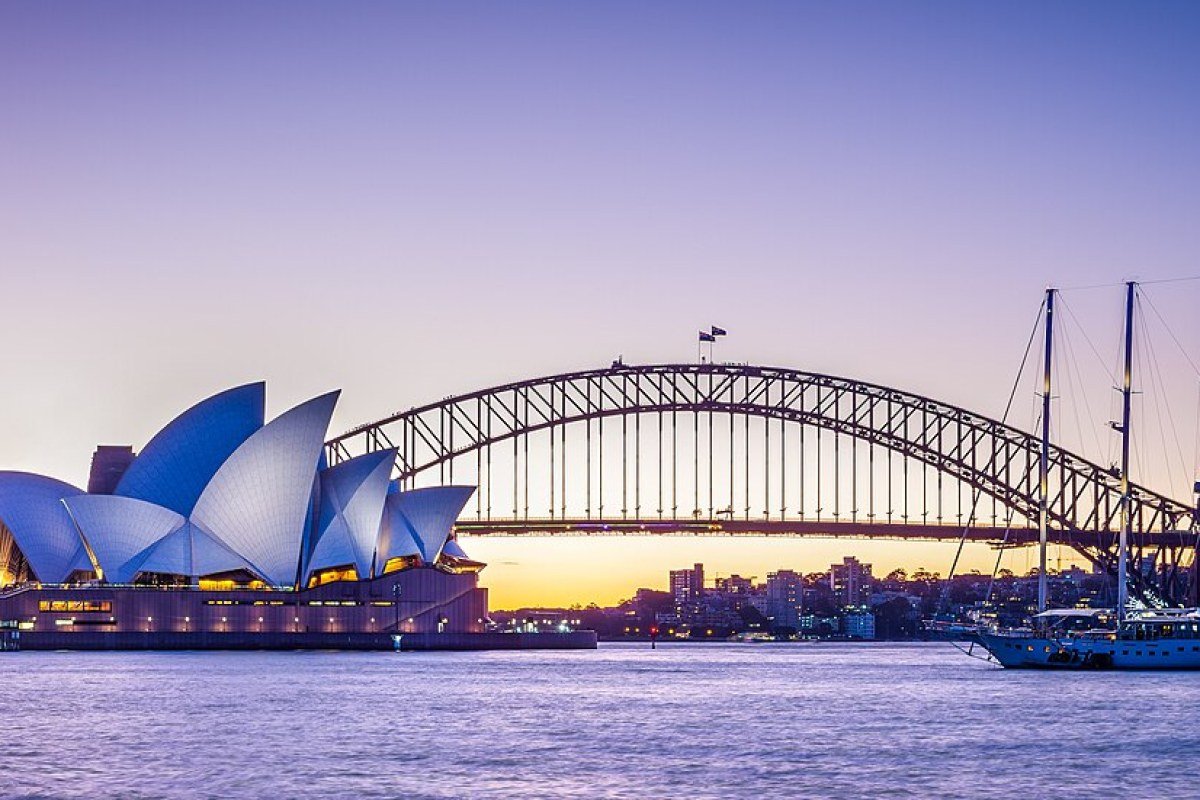
Sydney is one of those rare cities that genuinely lives up to its reputation — and then goes past it. The harbour, flanked by the Opera House and the Harbour Bridge, creates a setting of remarkable natural and architectural beauty. But Sydney is more than its famous skyline. It is a city of energetic neighbourhoods, exceptional food (seafood and Asian cuisine in particular), world-class beaches inside the city limits, a long network of clifftop coastal walks, and a warm, outdoor-focused culture that makes it one of the most enjoyable cities anywhere to spend time. Give it fewer than four days and you will feel you have barely started.
Getting Around Sydney
Sydney‘s transport network covers the city with trains (the T-network), buses, light rail, and ferries. An Opal card or contactless bank card works on every mode, applies a daily fare cap, and covers the ferry network — which deserves a special mention. The Manly Ferry from Circular Quay to Manly Beach (30 minutes across the harbour, passing the Opera House and the Heads) is one of the world’s great commuter rides and is charged as an ordinary Opal ferry fare ($10.20 peak). The F3 ferry to Taronga Zoo and the Rocket ferry to Parramatta up the Parramatta River are well worth taking too. Sydney is large and sprawling — a car helps for trips to the Hunter Valley or Royal National Park, but within the city, the Opal card and your own two feet are generally superior.
The Harbour: Sydney’s Greatest Asset
Sydney Opera House
Jørn Utzon’s masterpiece is more striking in person than in any photograph — the sail-like precast concrete shells, ribbed with 1.05 million white and cream ceramic tiles, catch the light differently at every hour of the day, and the setting on Bennelong Point, jutting into the harbour, is perfectly composed. Opened in 1973 and inscribed on the UNESCO World Heritage List in 2007, it is a working venue first and a monument second. The guided tour of the interior reveals spaces of acoustic precision (the Concert Hall) and theatrical drama (the Opera Theatre). Attending a performance — opera, ballet, the Sydney Symphony, jazz, comedy — is the fullest way to experience it. The Utzon Room, the only interior space Utzon himself designed (he returned to Australia in 2004 for the first time since his acrimonious departure in 1966), is used for events and worth visiting if it is open.
Sydney Harbour Bridge
The “Coathanger” — built 1923–32, the world’s widest long-span steel arch bridge — is one of the engineering achievements of the 20th century. The BridgeClimb experience (a guided climb to the summit arch, 134 metres above the harbour) ranks among the most memorable things to do in Sydney, with views of the harbour, Opera House, and city skyline that are available nowhere else. The pedestrian and cycle path on the eastern side of the bridge is free and gives a different, equally compelling perspective. Walk across it from Milsons Point to The Rocks on a clear morning for one of the great urban walks in Australia.
Sydney Tower Eye and the Royal Botanic Garden
Two central attractions round out the harbour-and-bridge axis. Sydney Tower Eye, at 309 metres (roughly 1,014 feet), is the tallest structure in the city and offers a 360-degree observation deck, the 4D cinema experience, and the open-air Skywalk platform that lets visitors step out over a glass-floored ledge above the CBD — the Tower Eye is the obvious bad-weather backup if rain cancels harbour plans, and the views from the deck stretch from the Blue Mountains in the west to the Pacific in the east. A short walk away, the Royal Botanic Garden (founded 1816, 30 hectares, free entry, open daily from 7am) wraps around Farm Cove from the Opera House to Woolloomooloo. The path to Mrs Macquarie’s Chair — a sandstone bench carved into the headland in 1810 — frames what is arguably the best free postcard view in Sydney, with the Opera House and Harbour Bridge lined up in a single sightline.
The Beaches
Bondi Beach
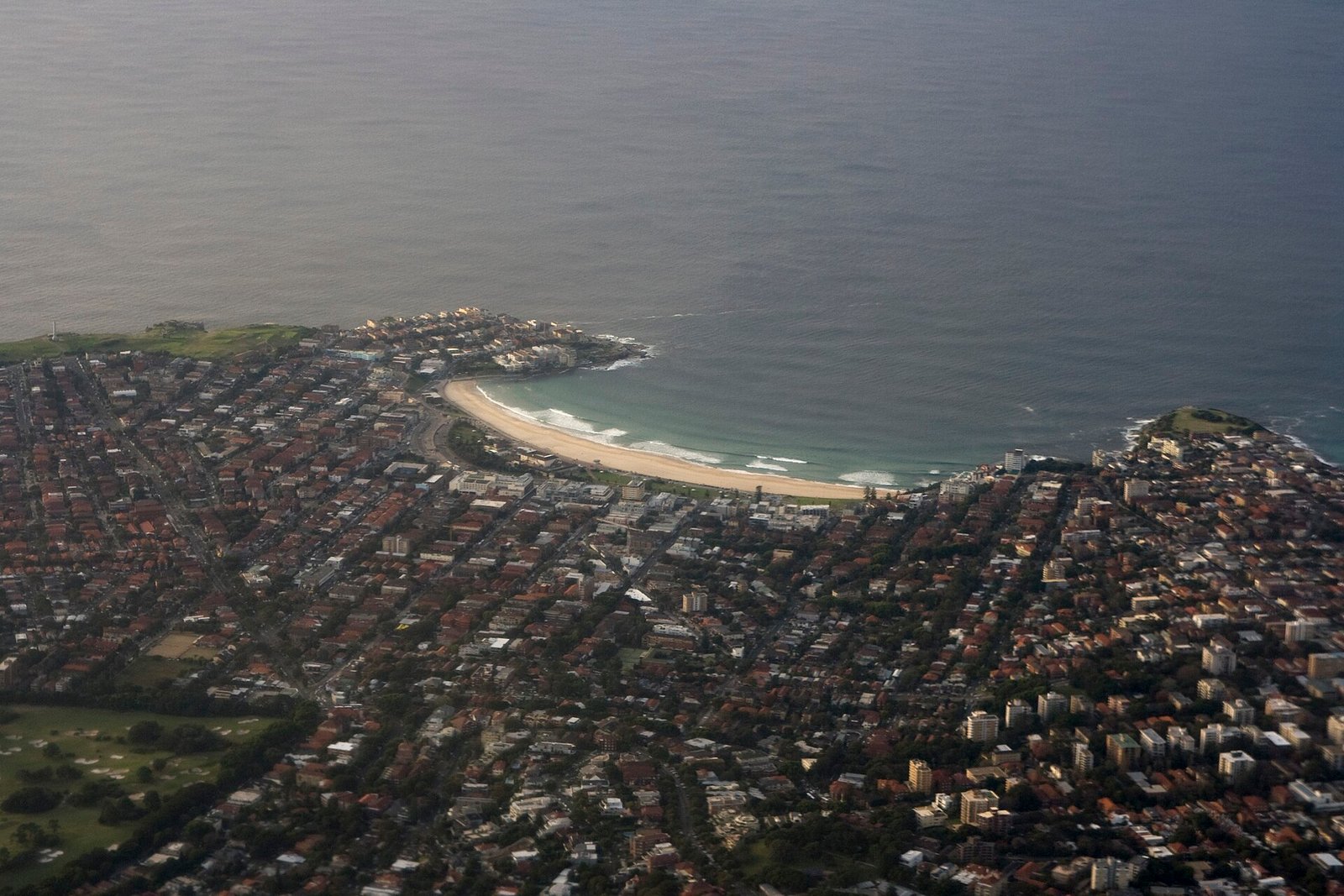
Bondi is one of the world’s great urban beaches — a curving arc of golden sand backed by a promenade of fine cafés and restaurants, with the famous Icebergs Club at the southern headland (a saltwater ocean pool built into the rocks, open to non-members as a public swimming pool and one of the most dramatic urban swims anywhere). The Bondi to Coogee Coastal Walk (6km south along the sea cliffs, past swimming spots at Tamarama, Bronte, Clovelly, and Gordon’s Bay) is Sydney’s finest walk and genuinely unmissable — the coastal scenery rivals anything in the Blue Mountains. Start early on weekend mornings for the pick of the cafés in Bondi village.
Manly Beach
Manly is worth the ferry ride (30 minutes from Circular Quay) as much for the harbour crossing as for the beach itself — though the beach is first-rate, broad and dependable for both swimming and surfing. The Manly Scenic Walkway (9.4km along North Harbour, through bushland and coastal residential streets) is one of Sydney’s best lesser-known walks. Shelly Beach, a short stroll from Manly Beach, is a sheltered non-surf beach with first-class snorkelling and a good café.
Best Neighbourhoods
- Surry Hills: Sydney’s most interesting eating and drinking neighbourhood — sharp independent cafés, some of the city’s finest restaurants, good bars, and a creative community. Crown Street from Central to Cleveland Street is the main strip.
- Newtown: Lively and slightly counterculture, with King Street lined with independent bookshops, vintage clothing, some of the best Thai restaurants in Australia (try Spice I Am or Noodle House), and live music at venues like the Enmore Theatre.
- Paddington: Victorian terrace houses, boutique fashion, commercial art galleries on Paddington and Oxford Streets, and the well-loved Saturday Paddington Markets (St John’s Church grounds, Saturday 10am–4pm).
- The Rocks: Sydney’s oldest neighbourhood — 1840s sandstone warehouses, the Rocks Market (Saturdays and Sundays), the historic pubs, and some of the best harbour views in the city.
- Barangaroo: Sydney’s newest harbour waterfront district, with a string of fine restaurants and bars facing the water from Darling Harbour to the CBD.
Food: One of the World’s Great Seafood Cities
Sydney’s food scene is remarkable in its range and quality. The Sydney Fish Market (Blackwattle Bay, open 7 days) is the largest in the Southern Hemisphere — retail and wholesale, with first-rate sushi, oysters, and prepared seafood to eat on the premises or take away. Sydney rock oysters (a native species, smaller and more minerally complex than Pacific oysters) are a quintessential Sydney experience — order them natural at the Fish Market or any good seafood restaurant. The city’s large Chinese, Korean, Vietnamese, and Japanese communities have built exceptional dining options across the metropolitan area: Chatswood and Eastwood for Cantonese and Shanghainese; Cabramatta for Vietnamese; Newtown for Thai; Haymarket/Chinatown for yum cha. For special-occasion dining, Quay, Tetsuya’s, and Automata consistently rank among the best restaurants in Australia.
Day Trips from Sydney
- Blue Mountains (2 hours by train from Central Station): The Three Sisters sandstone formation at Echo Point, the Scenic World cableway and railway at Katoomba, and good independent restaurants and cafés in Katoomba and Leura. Allow a full day — the walks in the national park are outstanding.
- Hunter Valley (2 hours by car): Australia’s oldest wine region, with more than 150 wineries and cellar doors, exceptional food at restaurants like Muse in Pokolbin, and beautiful countryside. Good for a weekend.
- Royal National Park (1 hour south): The world’s second-oldest national park (established 1879) — the Coast Track (26km from Bundeena to Otford, one of Australia’s finest coastal walks) or the shorter Figure Eight Pools walk.
- Southern Highlands (1.5 hours): The cool-climate towns of Bowral and Mittagong, Fitzroy Falls, fine local food and wine, and a landscape that feels a world away from coastal Sydney.
Practical Information
Sydney’s best seasons are spring (September–November) and autumn (March–May) — warm enough for the beaches, cool enough for walking, and less crowded than peak summer. Summer (December–February) is hot and busy; winter (June–August) is mild by most standards (14–17°C) and the best time for surfing and coastal walks. Getting to Sydney: Sydney Kingsford Smith Airport is Australia’s busiest, with direct connections from London (around 22 hours), Los Angeles (about 14 hours), Singapore (8 hours), and almost everywhere else. The Airport Link train connects the airport to the CBD in 13 minutes (around $21 with Opal, which includes the airport station access fee of $17.92). Accommodation: CBD hotels are expensive; Newtown, Surry Hills, Glebe, and Chippendale offer better-value options with good train access to the city.
Frequently Asked Questions
What are the Sydney Opera House and Sydney Harbour Bridge experiences?
Jørn Utzon’s Sydney Opera House — opened in 1973 and inscribed on the UNESCO World Heritage List in 2007 — is more striking in person than in any photograph, its sail-like precast concrete shells ribbed with 1.05 million white and cream ceramic tiles that catch the light differently at every hour. The guided tour reveals spaces of acoustic precision (the Concert Hall) and theatrical drama (the Opera Theatre). Attending a performance — opera, ballet, the Sydney Symphony, jazz, comedy — is the fullest experience; the Utzon Room (the only interior space Utzon himself designed) is worth visiting if it is open. The Sydney Harbour Bridge — the “Coathanger,” built 1923–32, the world’s widest long-span steel arch bridge — can be climbed via BridgeClimb (a guided climb to the 134-metre summit arch with views of the harbour, Opera House, and city skyline available nowhere else). The free pedestrian and cycle path on the eastern side offers a different perspective; walking across from Milsons Point to The Rocks on a clear morning is one of Sydney’s great experiences.
What are Sydney’s best beaches and coastal walks?
Bondi Beach is one of the world’s great urban beaches — a curving arc of golden sand backed by a promenade of fine cafés and restaurants. The Icebergs Club at the southern headland has a saltwater ocean pool built into the rocks — one of the most dramatic urban swims anywhere, open to the public as well as members. The Bondi to Coogee Coastal Walk (6km south along the sea cliffs, past Tamarama, Bronte, Clovelly, and Gordon’s Bay) is Sydney’s finest walk and genuinely unmissable — the coastal scenery is remarkable. Manly Beach is worth the 30-minute ferry ride from Circular Quay (one of the world’s great commuter rides, passing the Opera House and the Heads, charged as an ordinary Opal ferry fare at $10.20 peak). The Manly Scenic Walkway (9.4km along North Harbour) and Shelly Beach (sheltered, first-class snorkelling) complete the northern beaches picture.
What are the best neighbourhoods to explore in Sydney?
Surry Hills is Sydney’s most interesting eating and drinking neighbourhood — sharp independent cafés, some of the city’s finest restaurants, and good bars along Crown Street. Newtown is lively and counterculture — King Street is lined with independent bookshops, vintage clothing shops, some of the best Thai restaurants in Australia (Spice I Am, Noodle House), and live music venues including the Enmore Theatre. Paddington has Victorian terrace houses, boutique fashion, commercial art galleries on Paddington and Oxford Streets, and the well-loved Saturday Paddington Markets at St John’s Church grounds (10am–4pm). The Rocks is Sydney’s oldest neighbourhood — 1840s sandstone warehouses, the Rocks Market on weekends, historic pubs, and some of the best harbour views in the city. Barangaroo is Sydney’s newest harbour waterfront district, with fine restaurants and bars facing the water.
What is Sydney’s food scene like and what should visitors eat?
Sydney’s food scene is remarkable in range and quality. The Sydney Fish Market (Blackwattle Bay, open 7 days) is the largest in the Southern Hemisphere — with first-rate sushi, oysters, and prepared seafood to eat on site or take away. Sydney rock oysters (a native species, smaller and more minerally complex than Pacific oysters) are a quintessential Sydney experience — order them natural at the Fish Market or any good seafood restaurant. The city’s large Chinese, Korean, Vietnamese, and Japanese communities have built exceptional dining across the metro area: Chatswood and Eastwood for Cantonese and Shanghainese; Cabramatta for Vietnamese; Newtown for Thai; Haymarket/Chinatown for yum cha. For special occasions, Quay, Tetsuya’s, and Automata consistently rank among the best restaurants in Australia. Getting around: an Opal card or contactless bank card works on all modes with a daily fare cap; the Airport Link connects the airport to the CBD in 13 minutes (around $21 with Opal, including the $17.92 airport station access fee).
What are the best day trips from Sydney?
The Blue Mountains (2 hours by train from Central Station) offer the Three Sisters sandstone formation at Echo Point, the Scenic World cableway and railway at Katoomba, and good restaurants in Katoomba and Leura — allow a full day, as the national park walks are outstanding. The Hunter Valley (2 hours by car) is Australia’s oldest wine region, with 150+ wineries and cellar doors, exceptional food at Muse restaurant in Pokolbin, and beautiful countryside — best for a full day or weekend. Royal National Park (1 hour south) — the world’s second-oldest national park (established 1879) — has the 26km Coast Track from Bundeena to Otford or the shorter Figure Eight Pools walk. The Southern Highlands (1.5 hours) offer the cool-climate towns of Bowral and Mittagong, Fitzroy Falls, and fine local food and wine in a landscape that feels a world away from the coast.