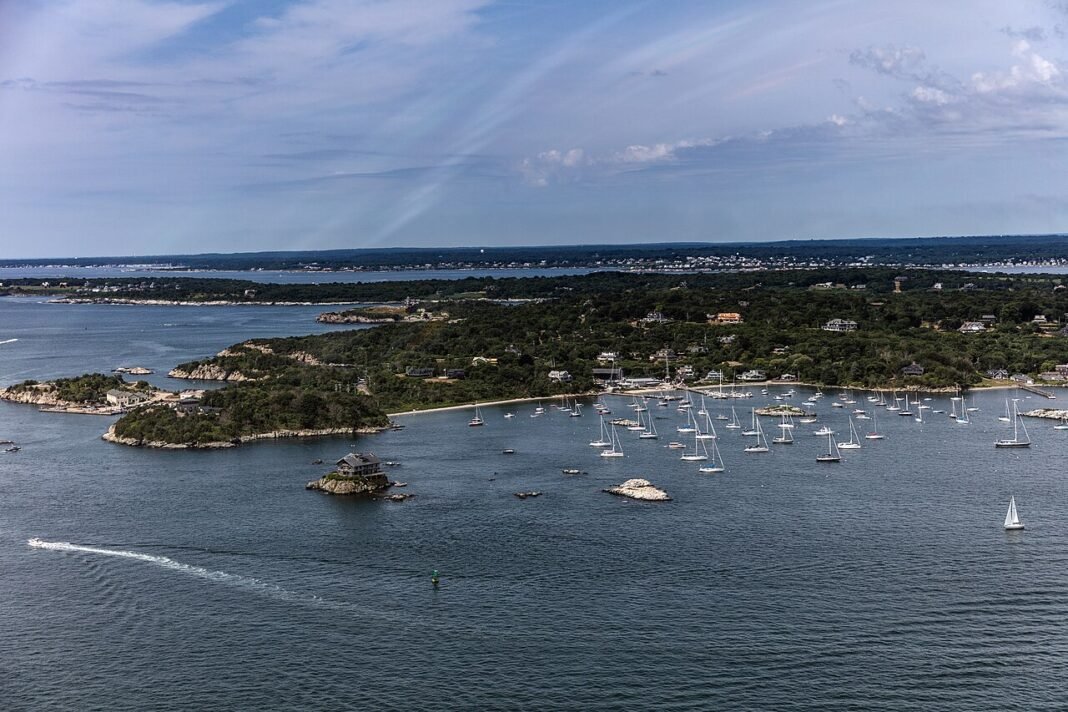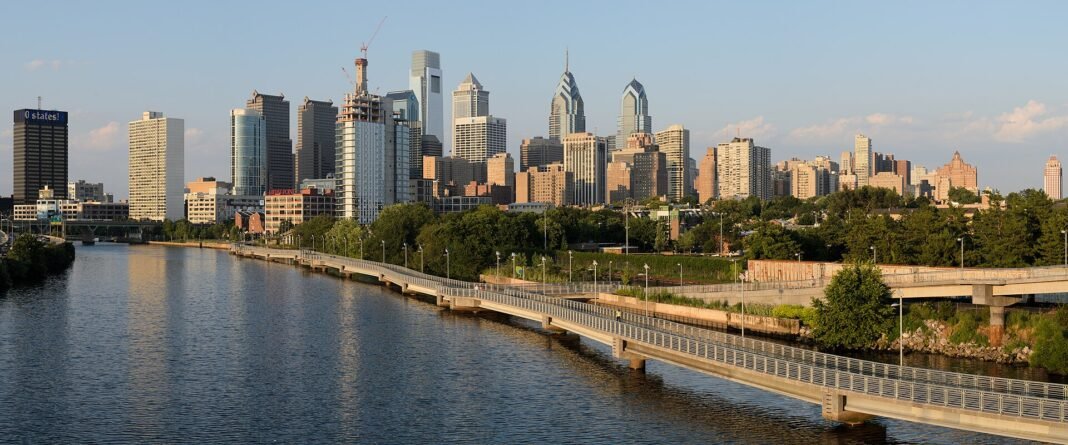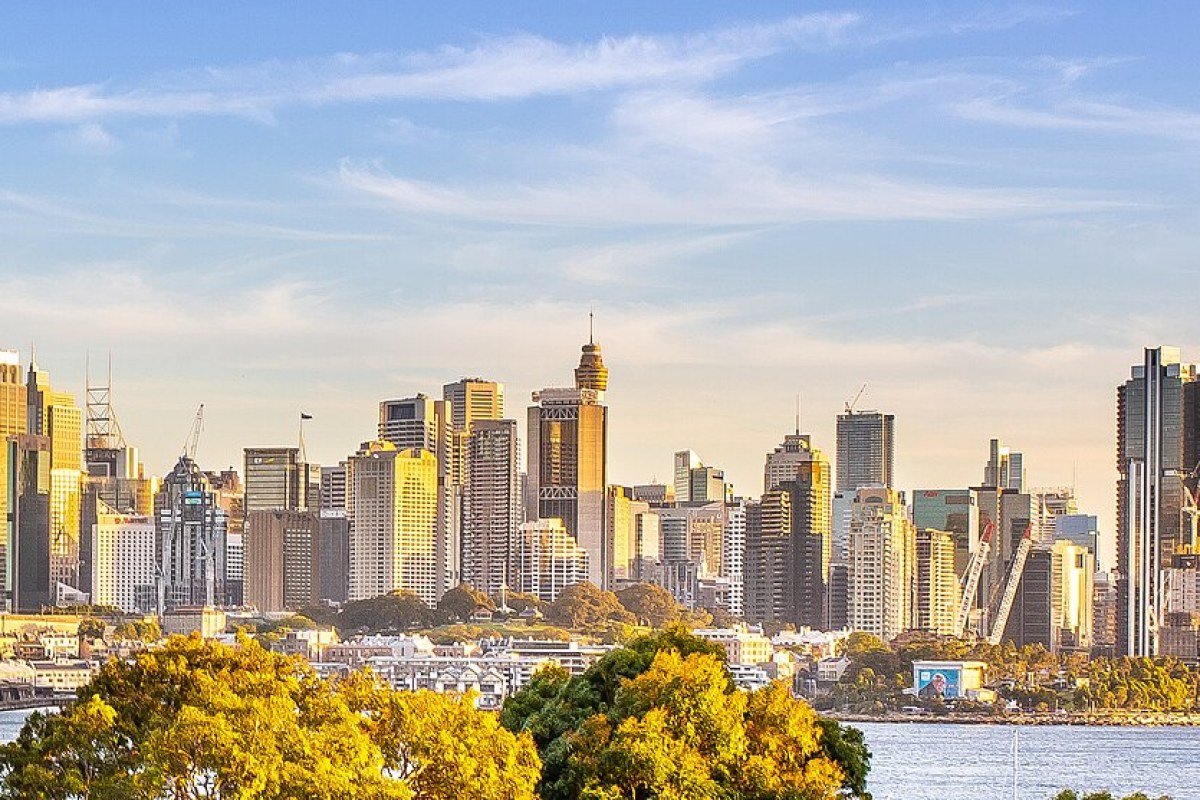
New South Wales’s cost of living is dominated by Sydney’s housing market — one of the most expensive on Earth relative to local incomes, where the median house price across Greater Sydney has climbed past AUD $1.6 million and the broader dwelling median (houses and units combined) sits around AUD $1.2–$1.3 million. That puts Sydney among the least affordable major cities anywhere by price-to-income ratio. The state’s other centres, Newcastle, Wollongong and the Central Coast, have absorbed a decade of Sydney-overspill demand, as remote work widened the catchment for households chasing lower prices within commuting reach of Sydney employment. Push past the coastal corridor and the picture changes again: Orange, Dubbo, Tamworth, Wagga Wagga, and the farming communities of the central and western plains deliver homes at 40–55% of Sydney prices, a swing big enough to reorder a household’s whole financial life.
New South Wales Cost at a Glance 2026
- Greater Sydney median house price: ~AUD $1.6M (dwelling median ~$1.2M–$1.3M)
- Newcastle median house: AUD $980,000–$1,070,000
- Wollongong median house: AUD $1,000,000–$1,100,000
- Central Coast median house: AUD $1,150,000–$1,250,000
- Northern Rivers median: AUD $1.2M–$1.6M (Byron Bay itself runs well above AUD $2M)
- Orange median house: AUD $680,000–$720,000
- Wagga Wagga median house: AUD $730,000–$770,000
- State taxes: NSW payroll tax (employers), land tax, and stamp duty on property purchases are the main transaction and holding costs
Sydney Housing: The Affordability Crisis
Sydney’s affordability problem ranks among the most acute in the developed world. Restricted land supply (ocean to the east, national parks and the Blue Mountains to the west, protected land north and south), high immigration-driven demand, a low-interest-rate legacy of appreciation, and thin new construction have produced a market where median house prices run roughly 12–13 times median household income. The Inner West (Newtown, Glebe, Marrickville), the Eastern Suburbs (Paddington, Surry Hills, Randwick), and the Lower North Shore (Mosman, Cremorne, Neutral Bay) command the steepest premiums for their mix of walkability, beach access, and harbour proximity. The outer Western Sydney suburbs (Penrith, Liverpool, Campbelltown) hold the cheapest entry points into Greater Sydney at AUD $800,000–$950,000 median — though buyers trade that saving for commutes of 60–90 minutes to the CBD.
Newcastle: The Affordable Alternative
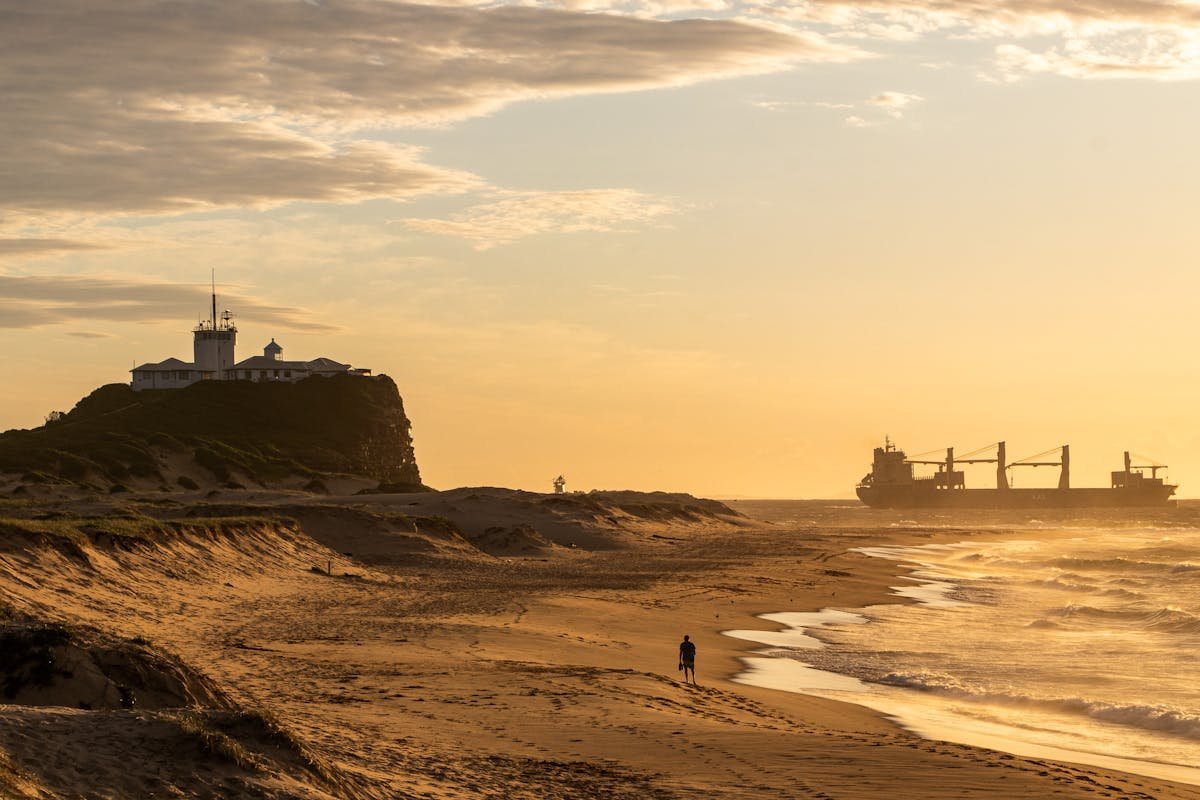
Newcastle, 160 kilometres north of Sydney on a two-hour train line, has gone from a post-industrial coal port to one of the most liveable coastal cities in New South Wales: a renewed CBD built around the pedestrianised Hunter Street, a wide beach foreshore, and median house prices of roughly AUD $980,000–$1,070,000 that still undercut comparable Sydney suburbs by a wide margin. The Hunter Valley wine region at the doorstep, the University of Newcastle (around 27,000 students), and the Merewether and Bar Beach surf scene pull in Sydney professionals tired of paying top dollar for less space. With the Newcastle Light Rail linking the CBD to the hospital and university precincts and a direct rail line south, it remains the most workable Sydney commute alternative in the state.
Stamp Duty: NSW’s Transaction Cost Reality
Stamp duty (transfer duty) lands on every property purchase in NSW, a heavy upfront cost that reshapes the financial planning behind any acquisition:
- On an AUD $800,000 purchase: approximately AUD $30,400 in stamp duty
- On an AUD $1,200,000 purchase: approximately AUD $51,700
- First Home Buyers Assistance Scheme (FHBAS): a full transfer-duty exemption applies to homes valued up to AUD $800,000, with concessional rates tapering on homes between AUD $800,000 and AUD $1,000,000
- First Home Owner Grant: eligible buyers of a newly built home valued up to AUD $600,000 (or house-and-land up to AUD $750,000) can claim a $10,000 grant on top of the duty concession
Note: the short-lived First Home Buyer Choice scheme — which let first home buyers opt into an annual property tax instead of upfront stamp duty — was scrapped on 1 July 2023, so the FHBAS exemptions and concessions above are the current path for cutting entry costs.
Regional NSW: The Value Proposition
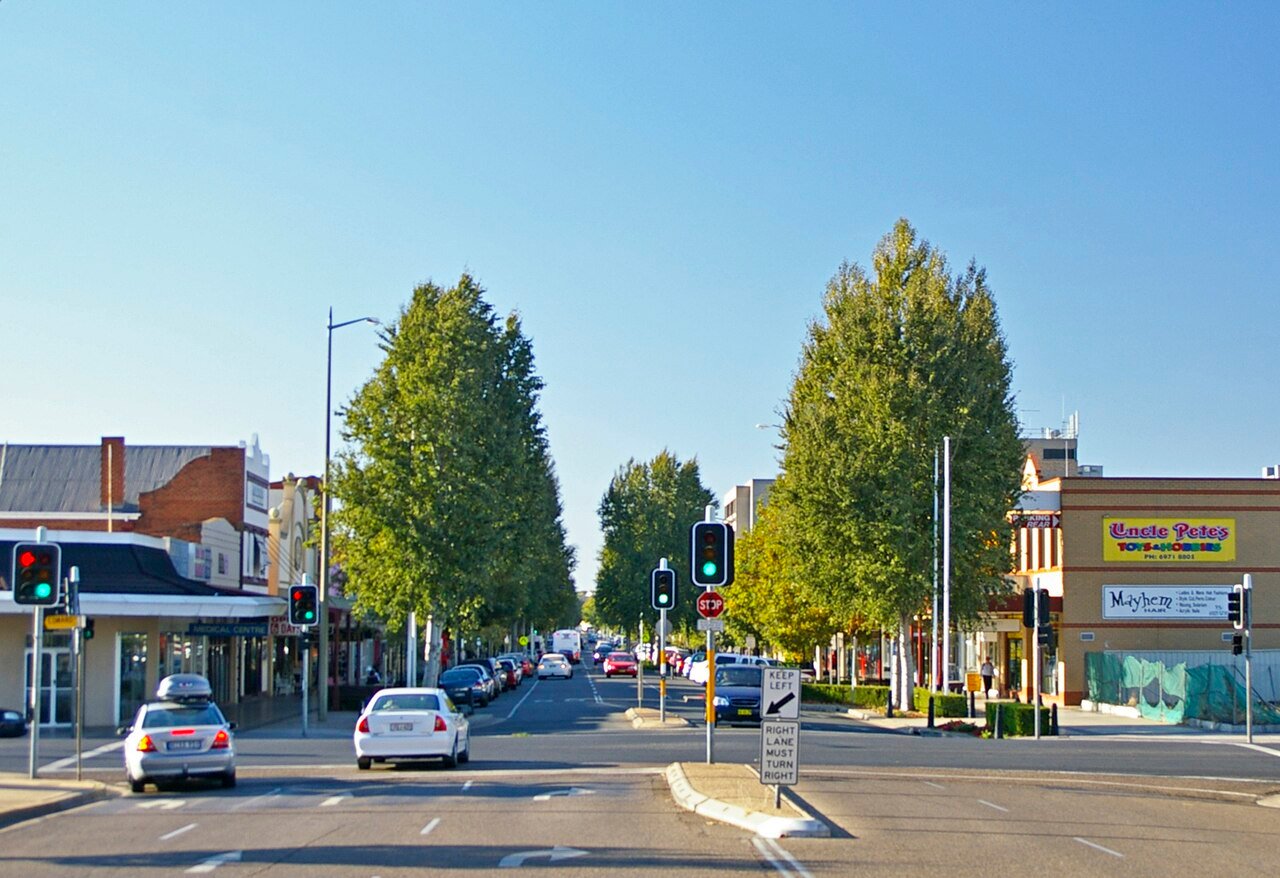
For households with income flexibility, regional New South Wales offers some of Australia’s best ratios of liveability to cost. The key centres:
- Orange (Central Tablelands): a cool-climate wine town with a cultural calendar and food scene well above its 45,000-resident scale; AUD $680,000–$720,000 median; four hours from Sydney
- Mudgee: a boutique wine and food destination in the Central Tablelands; AUD $640,000–$720,000; three and a half hours from Sydney
- Wagga Wagga: the Riverina’s commercial hub and the largest inland city in NSW; Charles Sturt University campus; AUD $730,000–$770,000
- Tamworth: the country music capital and a major agricultural centre; AUD $620,000–$680,000; the best-serviced affordable city in northern NSW
Utilities and Daily Costs
Electricity prices in NSW rank among the highest in Australia, reflecting the network infrastructure costs of the country’s largest distributed grid by area and the ongoing shift from coal-fired to renewable generation. A typical Sydney household electricity bill runs AUD $1,600–$2,600 a year, with larger or all-electric homes at the upper end; rooftop solar pays for itself fast and is widely adopted, with payback periods of four to seven years common across the Sydney basin. Grocery prices in NSW track national averages at the major chains (Woolworths, Coles, ALDI, IGA), while independent grocers and farmers markets supply quality alternatives at a premium. Sydney’s public transport — the Opal card system covering trains, buses, light rail, and ferries — gives CBD-adjacent households a real commute alternative, though a car stays essential through the middle and outer rings of Greater Sydney.
Who NSW Makes Financial Sense For
The state rewards households whose careers are tied to Sydney’s economy, Australia’s finance, technology, and professional-services capital, where the salary premium for top-tier roles often outpaces the housing premium. For those who can work from anywhere, the regional cities (Orange, Wagga Wagga, Newcastle, the Illawarra coast) deliver the state’s landscape diversity at a fraction of Sydney prices. The maths comes down to one question: if Sydney’s specific job market is your destination, the cost can be justified; if it isn’t, regional NSW offers a strong life at prices that compete with anywhere in the country.
Budgeting Practically for New South Wales
The figures above are the foundation; the next step is sorting which costs are fixed and which bend to your own choices. Housing is the largest lever in almost every NSW budget, and the suburb or town you settle in can swing monthly outgoings by hundreds of dollars while still keeping you close to the work, schools, and coastline you care about. Utilities, transport, and food then compound quietly across the year, so even a small monthly gap adds up. The distance between a regional centre like Orange and an inner-Sydney postcode is wide enough that households who make the move often report a clear lift in both their bank balance and their day-to-day life. Treat these numbers as a working framework and confirm current rents and sale prices for your exact target suburb, since local markets can move faster than the annual cost-of-living studies that track them.
Frequently Asked Questions
How unaffordable is Sydney’s housing market in 2026?
Sydney’s housing market is one of the most unaffordable in the world relative to local incomes — the median house price across Greater Sydney has pushed past AUD $1.6 million (with the combined dwelling median, houses and units, around AUD $1.2–$1.3 million), which leaves the city among the least affordable on Earth by price-to-income ratio, roughly 12–13 times median household income. The geographic limits are severe: ocean to the east, national parks and the Blue Mountains to the west, and protected land north and south, alongside a long history of restricted supply, have built a market where demand consistently outruns new construction. The Inner West (Newtown, Glebe, Marrickville) and the Eastern Suburbs (Paddington, Surry Hills) long ago crossed AUD $2M+ for houses; even the outer western suburbs (Penrith, Campbelltown) carry median house prices that would read as expensive in Melbourne or Brisbane. The modest post-2020 correction has done little to ease entry costs, and renewed immigration plus constrained supply keep pressure on prices. Existing owners hold substantial paper wealth; first home buyers face a wall of price plus stamp duty that usually requires either family help or a move to the regions.
What are NSW’s regional alternatives for affordable housing?
Regional centres across NSW put housing within reach at roughly 40–55% of Sydney prices, which makes them the main landing spot for households trading the harbour city for a manageable cost base. Orange (four hours west, population around 45,000) lists houses at AUD $680,000–$720,000 in a cool-climate city with strong restaurants, a growing arts scene, and the Orange F.O.O.D Week and wine festivals that draw visitors from across the state; its elevation (around 860 metres) keeps summers mild. Wagga Wagga (population around 70,000, the largest inland NSW city) sits at AUD $730,000–$770,000, anchored by Charles Sturt University, RAAF Base Wagga, and the Murrumbidgee River corridor. Tamworth (the Country Music Capital of Australia, with its January festival) runs AUD $620,000–$680,000. The Hunter Valley (Newcastle metro around AUD $980,000–$1,070,000, smaller towns well below that) pairs coastal access with wine country. Dubbo and Bathurst stay cheaper still for households in the public sector, mining, or remote work.
How do NSW’s stamp duty costs compare to other states?
Stamp duty in NSW sits among the highest in Australia: at AUD $1.0M the transfer duty is roughly AUD $40,900, and at AUD $1.5M it reaches about AUD $68,000. Those figures pile a heavy cost on top of an already expensive market. The state’s First Home Buyer Choice scheme — an opt-in annual property tax in place of upfront duty — ran only briefly and was abolished on 1 July 2023. Today’s relief comes through the First Home Buyers Assistance Scheme (FHBAS): a full transfer-duty exemption for homes up to AUD $800,000 and concessional rates between AUD $800,000 and AUD $1,000,000, thresholds that cover most regional NSW purchases but exclude the bulk of Sydney. Eligible buyers of a new home can also claim the $10,000 First Home Owner Grant. NSW land tax applies to investment properties above the threshold, adding to carrying costs for investors.
What do NSW’s coastal centres like Newcastle, Wollongong, and the Central Coast cost?
Newcastle, Wollongong, and the Central Coast have all absorbed strong Sydney-overspill demand as remote work widened the Sydney employment catchment. Newcastle (two hours north, population around 330,000) — the state’s second city, reinvented from a steelmaking hub into an arts, education (University of Newcastle), and lifestyle destination — carries median house prices of AUD $980,000–$1,070,000, still below comparable Sydney suburbs. Wollongong (one hour south, population around 300,000) runs AUD $1,000,000–$1,100,000, with dramatic escarpment-to-ocean scenery along the Grand Pacific Drive between the Illawarra Escarpment and the Pacific Ocean. The Central Coast (between Sydney and Newcastle, population around 340,000) puts a coastal lifestyle within reach at roughly AUD $1,150,000–$1,250,000, with direct rail to Sydney CBD (about 1–1.5 hours). The Northern Rivers region in the far north-east is a separate premium, with medians of AUD $1.2M–$1.6M across the broader area, though Byron Bay itself now sits well above AUD $2M, driven by lifestyle migration and limited supply.
What practical cost advantages does living in regional NSW provide?
Regional NSW households typically save across several categories beyond housing. Childcare waitlists that stretch for years in Sydney’s inner suburbs are generally manageable in regional cities, and state incentives for healthcare workers, teachers, and other essential staff in regional areas include scholarship and loan-forgiveness programs that can be financially meaningful. Council rates run lower in regional NSW than in Sydney’s inner suburbs. Transport may cost more (households are more car-dependent), but parking is minimal compared with the CBD. The NSW Rural Assistance Authority and regional relocation incentives provide support for eligible businesses and workers moving to specific rural and regional areas. The downsides are concrete: specialist medical care, cultural infrastructure, and career advancement in some professional fields are thinner outside Sydney and Newcastle, and adjusting to smaller social networks and fewer amenities takes genuine planning and community engagement.