Australia ranks among the world’s great travel destinations — a continent-sized country of startling variety, from the tropical coral reefs of Queensland to the ancient red rock formations of the Outback, from the sophisticated cities of Sydney and Melbourne to the wine regions of the Barossa Valley and Margaret River. It rewards visitors who make the effort to get beyond the obvious, yet even the obvious destinations are exceptional. Here are the twelve places that best capture the country’s range.
1. Sydney
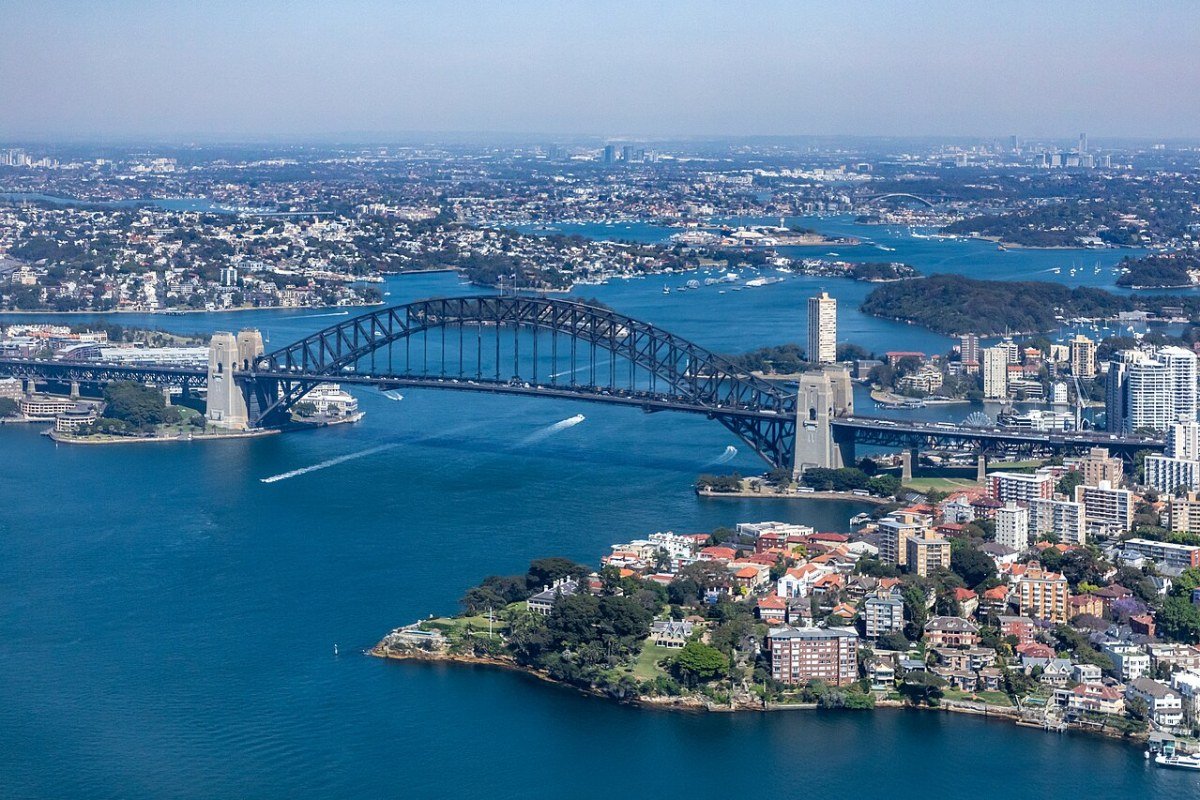
Few cities wear their setting as well as Sydney — a harbour city of rare beauty, built around one of the finest natural harbours on earth. The Opera House (Jørn Utzon’s 1973 masterpiece) and the Harbour Bridge are world-famous for good reason, but Sydney’s greatest pleasure is simply being in the city: swimming at Bondi Beach, walking the coastal clifftop paths, eating fresh seafood at the Fish Market, wandering the inner-city neighbourhoods of Surry Hills, Newtown, and Paddington. A relaxed, outdoor-oriented way of life makes it one of the most enjoyable places anywhere to spend time.
2. Melbourne
Melbourne is the cultural capital of Australia — a city that takes food, coffee, art, music, sport, and fashion seriously. The laneway culture (cafes and bars tucked into narrow alleys off the main streets), the street art (Hosier Lane is globally famous), the formidable coffee scene, and the annual Grand Prix, Australian Open, and Melbourne Cup racing carnival give the city an energy and identity entirely its own. The Great Ocean Road begins just southwest of the centre.
3. The Great Barrier Reef
The Great Barrier Reef is the world’s largest coral reef system — 2,300km of coral and more than 2,900 individual reefs, large enough to be visible from space and often called the largest living structure on the planet. Snorkelling and diving here — among the dizzying variety of coral, fish, sea turtles, sharks, rays, and other marine life — is a genuinely awe-inspiring experience. The reef is best accessed from Cairns, Port Douglas, or the Whitsunday Islands. Go as soon as you can: climate change-driven coral bleaching is already causing significant damage.
4. Uluru and the Red Centre
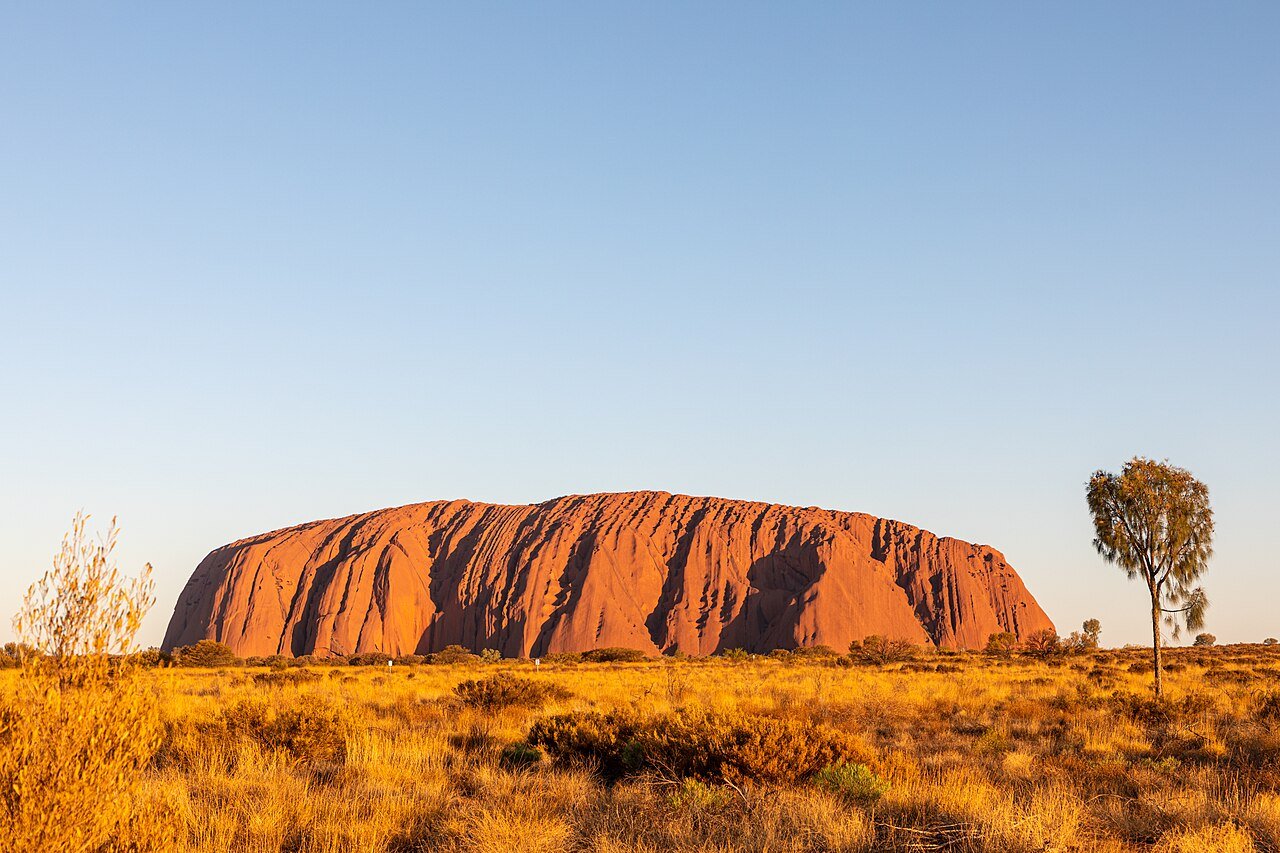
Uluru (Ayers Rock) is one of the most recognisable images on earth — a massive sandstone monolith rising 348 metres above the Central Australian plain, glowing red, ochre, and purple as the light shifts. The Aṉangu Traditional Owners request that visitors do not climb the rock (the climb is now permanently closed), and walking the 10.6km base trail instead reveals its true scale and the profound cultural significance that has accumulated over 60,000 years of Aboriginal occupation. Watched from the designated viewing areas, sunset and sunrise over Uluru are spectacular.
5. The Whitsunday Islands
The Whitsunday Islands — 74 islands at the centre of the Great Barrier Reef Marine Park — are a sailor’s dream and one of the loveliest corners of the country. Whitehaven Beach, on Whitsunday Island itself, regularly tops lists of the world’s finest beaches: a 7km stretch of 98% silica sand so white it squeaks underfoot, lapped by impossibly clear turquoise water. The best way to experience the islands is under sail — bareboat charters, crewed yachts, and sailing tours depart from Airlie Beach.
6. The Great Ocean Road
Few coastal drives anywhere rival the Great Ocean Road — 243km of road hugging the Victorian coastline from Torquay to Allansford, with the Twelve Apostles (limestone stacks rising from the Southern Ocean) as the dramatic centrepiece. The route passes the surf town of Bells Beach, the rainforests of the Otway Ranges, and a string of fine beach towns. Lorne and Apollo Bay are the most popular overnight stops.
7. Kangaroo Island, South Australia
Kangaroo Island, off the coast of South Australia, rewards wildlife-watchers like few other places — somewhere you can see native animals in real abundance without the effort the mainland demands. Sea lions loll on the beaches at Seal Bay; koalas sleep in the eucalyptus trees; Cape Barren geese wander the farmland; little penguins come ashore at Penneshaw each evening. The island also has excellent food (local honey, marron, sheep’s milk cheese, gin) and dramatic coastal scenery, particularly at Remarkable Rocks and Admiral’s Arch.
8. Cairns and Tropical North Queensland
Cairns is the gateway to the Great Barrier Reef and Daintree Rainforest — two World Heritage Sites reachable within a short drive or boat trip. The city itself has a lively night market and excellent restaurants, but the real draws lie outside: snorkelling and diving on the reef, white-water rafting on the Tully River, and the Daintree — the world’s oldest tropical rainforest (more than 180 million years old), home to species found nowhere else, where you can swim in mountain streams while cassowaries crash through the undergrowth.
9. The Kimberley, Western Australia
The Kimberley is one of Australia’s last great frontiers — a remote, ancient landscape of gorges, waterfalls, boab trees, ochre ranges, and coastal mud flats the size of Wales. Purnululu National Park (the Bungle Bungles) — a vast complex of orange and black striped sandstone beehive domes — is the highlight, accessible in the dry season (May–September). The Mitchell Plateau, El Questro, and the coast near Derby are every bit as striking. Getting here takes planning, 4WD vehicles, and a willingness to be genuinely remote.

10. Margaret River Wine Region, Western Australia
Margaret River, 270km south of Perth, is one of Australia’s — and arguably the world’s — premier wine regions, producing some of the country’s finest Cabernet Sauvignon and Chardonnay across a beautiful landscape of karri forests, rugged coastline, and caves. The Leeuwin Estate winery concert series (February–March) is legendary; the region also has world-class surf at Surfers Point, fine restaurants, boutique accommodation, and the town of Margaret River itself — small and unhurried, with good independent shops and cafes.
11. Fremantle and Perth
Perth is one of the most isolated major cities anywhere — more than 2,100km from Adelaide, the nearest large city — which lends it a character that is distinctive and self-contained. The city has excellent beaches (Cottesloe and Scarborough), a lively laneway food scene, and the marvellous Kings Park (400 hectares of parkland and bushland on a ridge above the river, with views across the Swan to the CBD). Fremantle, 20 minutes by train, is the port city with a beautifully preserved Victorian streetscape, the best farmers’ market in Western Australia, and a thriving crop of craft breweries.
12. Tasmania
Tasmania is Australia’s island state and a wilderness destination to rival any in the Southern Hemisphere — 42% of the island is protected in national parks, World Heritage reserves, and conservation areas. The Overland Track, a 65km trek through Cradle Mountain-Lake St Clair National Park, ranks among the country’s finest multi-day walks. MONA (Museum of Old and New Art) near Hobart is one of the most singular private art museums anywhere — provocative, dark, funny, and utterly unlike anywhere else. Tasmanian food (particularly the seafood, cheese, and beef) is among the finest in the country.
Frequently Asked Questions
What are Australia’s most iconic natural wonders?
The Great Barrier Reef is the world’s largest coral reef system — 2,300km of coral and more than 2,900 individual reefs, visible from space. It contains 1,500+ fish species, 6 sea turtle species, and abundant marine life; best accessed from Cairns, Port Douglas, or the Whitsunday Islands. Uluru (Ayers Rock) is a massive sandstone monolith rising 348 metres above the Central Australian plain, glowing red, ochre, and purple as the light shifts — the Aṉangu Traditional Owners request that visitors do not climb (the climb has been permanently closed since 26 October 2019), and the 10.6km base walk reveals the rock’s true scale and 60,000 years of cultural significance. The Whitsunday Islands (74 islands in the heart of the Great Barrier Reef Marine Park) have Whitehaven Beach — a 7km stretch of 98% silica sand so white it squeaks underfoot, lapped by impossibly clear turquoise water. The Great Ocean Road (243km, Victoria) has the Twelve Apostles limestone stacks rising from the Southern Ocean as its dramatic centrepiece.
What makes Sydney and Melbourne Australia’s best cities?
Sydney is one of the world’s great harbour cities — the Opera House and Harbour Bridge create a setting of rare natural and architectural beauty, but Sydney’s greatest pleasure is simply being in the city: swimming at Bondi Beach, walking the coastal clifftop paths from Bondi to Coogee, eating fresh seafood at the Fish Market, and exploring inner-city neighbourhoods like Surry Hills, Newtown, and Paddington. Melbourne is the cultural capital — a city that takes food, coffee, art, music, and sport seriously. The laneway culture (cafés and bars in narrow alleyways), the street art (Hosier Lane globally famous), the formidable coffee scene, the National Gallery of Victoria (free), and the sporting calendar (Australian Open, Melbourne Cup, AFL Grand Finals) give it an energy entirely its own. The Great Ocean Road begins just southwest of Melbourne.
What does coastal and island Australia offer?
Kangaroo Island, South Australia, is one of the best wildlife destinations in the world — sea lions at Seal Bay, koalas in the eucalyptus trees, little penguins at Penneshaw each evening, and striking coastal scenery at Remarkable Rocks and Admiral’s Arch. The Whitsunday Islands are a sailor’s paradise — bareboat charters, crewed yachts, and sailing tours depart from Airlie Beach for the Heart Reef (a naturally occurring heart-shaped coral formation), Whitehaven Beach, and outer reef dive sites. Cairns and Tropical North Queensland provide access to both the Great Barrier Reef (90 minutes by fast catamaran) and the Daintree Rainforest — the world’s oldest tropical rainforest, more than 180 million years old, where cassowaries crash through undergrowth beside mountain swimming holes. Fremantle and Perth, on Western Australia’s Indian Ocean coast, offer Cottesloe Beach, Kings Park (400ha above the Swan River), and Fremantle’s beautifully preserved Victorian streetscape.
What makes Western Australia’s remote regions exceptional?
The Kimberley is one of Australia’s last great frontiers — a remote landscape of gorges, waterfalls, boab trees, and ochre ranges. Purnululu National Park (the Bungle Bungles) is the highlight: a vast complex of orange-and-black striped sandstone beehive domes accessible in the dry season (May–September) by 4WD. The Mitchell Plateau and El Questro offer landscapes every bit as striking. Getting here takes planning, 4WD vehicles, and a genuine willingness to be remote — the reward is a landscape largely unchanged for millions of years. Margaret River (270km south of Perth) is one of Australia’s and arguably the world’s premier wine regions, producing exceptional Cabernet Sauvignon and Chardonnay across a landscape of karri forests and rugged coastline, with world-class surf at Surfers Point, fine restaurants, boutique accommodation, and accessible cave systems.
What makes Tasmania distinctive among Australian destinations?
Tasmania is Australia’s island state and one of the great wilderness destinations of the Southern Hemisphere — 42% of the island is protected in national parks, World Heritage reserves, and conservation areas. The Overland Track (65km multi-day walk through Cradle Mountain–Lake St Clair National Park) is one of Australia’s finest walks — six days through alpine moorland, ancient rainforest, and past lakes of rare beauty. MONA (Museum of Old and New Art) near Hobart counts among the most singular private art museums in the world — provocative, dark, funny, and utterly unlike anywhere else; the Dark Mofo festival in June expands this energy citywide. Tasmanian food (particularly the seafood — Pacific oysters, Atlantic salmon, abalone — and the cheese and beef) is among the finest in the country, and the farm-to-table restaurant scene in Hobart has become genuinely exceptional.