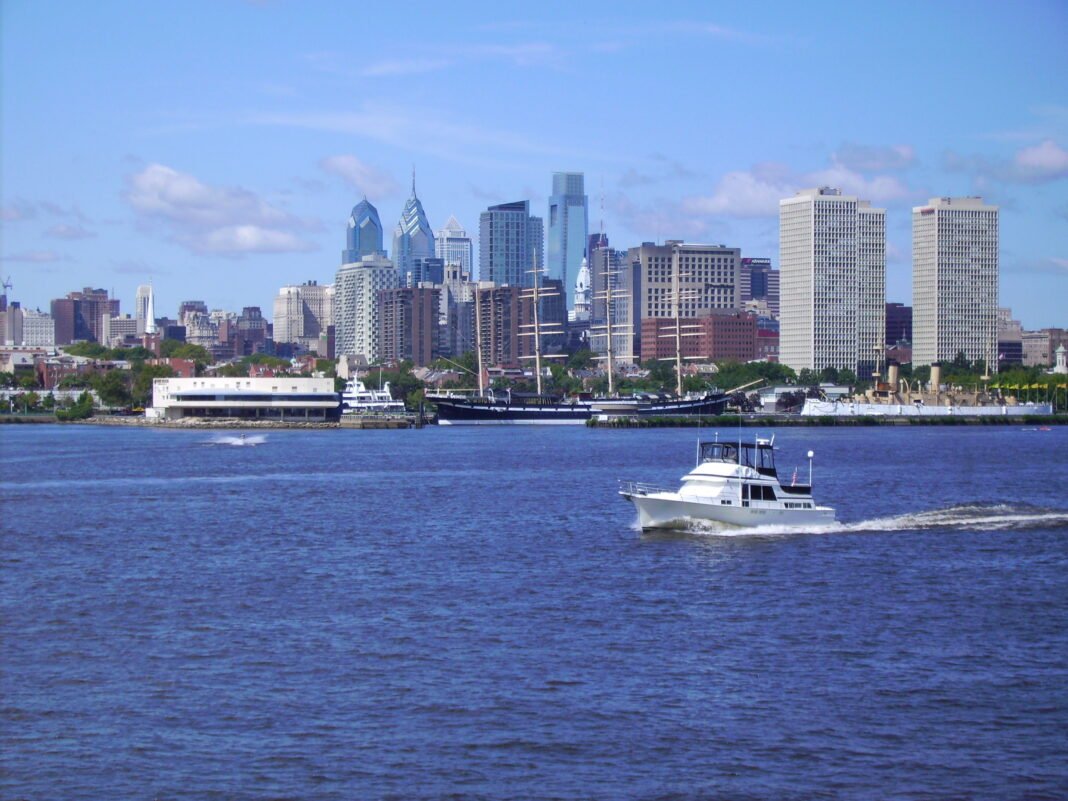
Moving to Pennsylvania involves more administrative complexity than most states — the layered local tax system (state, municipal, and school district earned income taxes applied independently), the unusual alcohol distribution laws, and the vehicle emissions testing requirements in certain counties all require advance research. The financial case hinges on which Pennsylvania you choose: Philadelphia and the Main Line deliver big-city access at prices below New York City, though the most coveted addresses close that gap; Pittsburgh offers remarkable housing value in a city with real cultural and employment depth; and the interior counties hold deep affordability for households that can work from anywhere. The most important pre-move research involves understanding the combined local income tax rate at your intended address, verifying school district quality if you have school-age children, and preparing honestly for genuine Mid-Atlantic winters with real snowfall and cold.

Driver’s License and Vehicle Registration
- License window: 60 days from establishing Pennsylvania residency
- Required documents: Out-of-state license, proof of identity (passport or birth certificate), Social Security card, and two Pennsylvania residency documents (utility bill, bank statement, or lease/mortgage)
- REAL ID: Pennsylvania standard license does not qualify as REAL ID — residents needing REAL ID for air travel must specifically request it and provide additional documentation
- Vehicle registration: Must complete within 20 days — one of the shorter windows of any state
- Emissions testing: OBD inspection required in Philadelphia, Bucks, Chester, Delaware, Montgomery, Allegheny, and several other counties; not required in most rural counties
- Vehicle sales tax: 6% state sales tax, plus an additional local option tax — 2% in Philadelphia and 1% in Allegheny County
Pennsylvania’s Unusual Alcohol Laws
Pennsylvania keeps one of the most restrictive alcohol distribution frameworks in the country — a legacy of post-Prohibition state control. Spirits are sold exclusively at state-operated Fine Wine & Good Spirits stores run by the Pennsylvania Liquor Control Board. Since Act 39 took effect in 2016, licensed supermarkets and convenience stores may also sell wine (up to four bottles per transaction) and beer, so the days of buying nothing stronger than soda at the grocery store are gone. Beer in volume still comes from licensed beer distributors (cases and kegs), and bars and restaurants handle six-pack and to-go sales. The setup still demands more forethought than the single-stop liquor aisle most newcomers are used to, and transplants arriving from states with fully integrated grocery alcohol should adjust their weekly shopping rhythm. Reform has been steady since that decade-ago turning point, yet the layered licensing remains a distinctive Pennsylvania quirk.
Finding Employment
Pennsylvania‘s job market rests on a handful of deep-rooted industries:
- Healthcare: The University of Pennsylvania Health System, Jefferson Health, and Temple Health in Philadelphia; UPMC and Allegheny Health Network in Pittsburgh — collectively making healthcare one of the largest employment sectors in both metros
- Financial services: Philadelphia is a heavyweight in asset management and insurance, with Vanguard (Malvern), Lincoln Financial, and Comcast among its largest payrolls
- Technology: Pittsburgh’s Carnegie Mellon University fuels a steady stream of tech start-ups, and Google, Apple, Amazon, and several autonomous-vehicle firms run sizable R&D operations in the city
- Education: Penn, Drexel, Temple, Villanova, Carnegie Mellon, Pitt, and Penn State together form a vast employer that also drives research commercialization
- Energy: Natural gas production from the Marcellus Shale formation is one of the largest in the country, supporting significant extraction and pipeline employment in the Northern Tier and Southwest Pennsylvania
Schools and Education
Public school quality in Pennsylvania swings widely from one district to the next, which makes district choice one of the weightiest decisions a relocating family faces. The Philadelphia suburbs — Lower Merion, Radnor, Great Valley, Unionville-Chadds Ford, and others across Chester and Montgomery counties — routinely rank at the top of the state and hold their own nationally. On the Pittsburgh side, the South Hills (Mt. Lebanon, Upper St. Clair, Peters Township) and the eastern suburbs (Fox Chapel, Pine-Richland) carry the strongest reputations. The Pennsylvania Department of Education’s School Performance Profile publishes campus-level results, and Niche and GreatSchools round out the picture with side-by-side comparisons.
Pennsylvania’s higher education landscape is exceptional — the University of Pennsylvania (Ivy League, Philadelphia), Carnegie Mellon University (Pittsburgh), and Penn State University (State College, land-grant flagship) rank with the nation’s most respected institutions. A broad network of liberal arts colleges (Swarthmore, Haverford, Dickinson, Gettysburg, Bucknell) and regional universities provides educational options across the state.
Climate and Seasonal Preparation
Pennsylvania’s climate is a genuine four-season Mid-Atlantic continental climate that requires more preparation than many in-migrants from warmer states anticipate. Philadelphia averages 22 inches of annual snowfall, with significant storms possible from December through March; Pittsburgh averages 44 inches of snow annually and has a cloudier, colder winter due to its inland position. Spring (April–May) is wet but increasingly pleasant; summer (June–August) is warm and humid across the state, with temperatures regularly reaching the upper 80s and occasional 90s in Philadelphia. Fall (September–October) is widely considered Pennsylvania’s finest season — cool, dry, and brilliantly colored in the mountainous regions. New residents from warm or dry climates should plan for a full winter wardrobe and budget for the heating costs that cold Pennsylvania winters produce.
Cultural and Community Life
Few states outside New York and California can match Pennsylvania’s cultural depth. Philadelphia’s museum row — the Philadelphia Museum of Art (Rocky steps and a world-class collection), the Barnes Foundation, the Rodin Museum, the Penn Museum of Archaeology and Anthropology — rivals collections in far larger cities. The Philadelphia Orchestra and the Pittsburgh Symphony rank with the country’s best ensembles, and Pittsburgh’s Carnegie Museums complex (Natural History, Art, Science, and Andy Warhol) gives a city of 300,000 the kind of holdings usually reserved for far larger metros. University and community backing keeps the performing-arts calendar full in both places. For anyone settling in, the practical upshot is that a rich social and creative life is there for the taking — the venues are plentiful and the door is open.
Preparing for Your Move
The logistics of a Pennsylvania move follow a predictable order: lock in housing before or right after you arrive, transfer any professional licenses your job requires, then handle the motor-vehicle clock — title and register your car within 20 days and convert your driver’s license within 60, since the registration cutoff is among the tightest in the nation. Register to vote at your new address while you are at it. Plugging into neighborhood associations, recreation leagues, faith communities, or professional groups early tends to shorten the lonely stretch that follows any relocation. Across the fast-growing suburbs of Philadelphia and Pittsburgh, a large share of residents arrived from somewhere else within the past decade, so being the newcomer is the norm rather than the exception, and the channels for meeting people are well worn.
Frequently Asked Questions
What are the driver’s license and vehicle registration requirements when moving to Pennsylvania?
Driver’s license: must be obtained within 60 days of establishing Pennsylvania residency. Requires proof of identity, Social Security number, and two Pennsylvania residency documents. Important: Pennsylvania’s standard driver’s license does NOT qualify as REAL ID — residents who need REAL ID for domestic air travel or federal facility access must specifically request it and provide additional documentation. Vehicle registration: within 20 days — one of the shorter windows of any US state. Emissions testing (OBD inspection) is required in Philadelphia, Bucks, Chester, Delaware, Montgomery, Allegheny, and several other counties; not required in most rural counties. Vehicle sales tax: 6% state sales tax, plus an additional local option tax of 2% in Philadelphia and 1% in Allegheny County.
How does Pennsylvania’s layered local income tax work?
Pennsylvania applies three separate income taxes to most residents: state income tax (3.07% flat rate), municipal earned income tax (levied by most municipalities and school districts), and in Philadelphia, an additional city wage tax. The municipal tax varies by locality — most municipalities levy 1–2% on earned income. The combination of state and local taxes means the effective rate for most Pennsylvania residents with municipal taxes is 4–5%, with Philadelphia residents paying significantly more due to the city wage tax. Before choosing a specific Pennsylvania address, verify the combined state + municipal earned income tax rate for your intended home municipality. The Pennsylvania Department of Community and Economic Development maintains a tax rate database by municipality for this research.
What is Pennsylvania’s unusual alcohol distribution system?
Pennsylvania runs one of the most restrictive alcohol frameworks in the US — a legacy of post-Prohibition state control. Spirits are sold only at state-operated Fine Wine & Good Spirits stores under the Pennsylvania Liquor Control Board. Since Act 39 of 2016, licensed supermarkets and convenience stores may also sell wine (up to four bottles per transaction) and beer; beer in volume still comes from licensed distributors (cases and kegs), and bars and restaurants handle six-packs and to-go sales. Newcomers from states with fully integrated grocery alcohol should plan their shopping a little differently. The setup has been reformed steadily over the past decade and is less rigid than it once was, but the layered licensing still surprises many transplants.
What is Pennsylvania’s employment base in Philadelphia and Pittsburgh?
Philadelphia specialties: healthcare (University of Pennsylvania Health System, Jefferson Health, Temple Health), financial services and asset management (Vanguard headquartered in Malvern, Lincoln Financial, Comcast), and education (UPenn, Drexel, Temple, Villanova). Pittsburgh specialties: healthcare (UPMC and Allegheny Health Network among the largest regional systems in the country), technology and autonomous vehicles (Carnegie Mellon University has driven Google, Apple, Amazon, and autonomous vehicle company R&D presence), and energy (Marcellus Shale natural gas extraction — one of the largest natural gas formations in the world — supports extraction and pipeline employment in the northern tier and southwest Pennsylvania). Penn, CMU, and Penn State together form one of the most significant research university concentrations driving commercial technology formation of any US state.
What are Pennsylvania’s climate and top school districts for relocating families?
Climate: genuine four-season Mid-Atlantic winters require preparation. Philadelphia averages 22 inches of annual snow; Pittsburgh averages 44 inches and is cloudier and colder due to its inland position. Summer brings warm, humid conditions across the state (upper 80s in Philadelphia). Top school districts near Philadelphia: Lower Merion, Radnor, Great Valley, and Unionville-Chadds Ford in Chester and Montgomery counties — consistently among the finest in the state and competitive nationally. Top school districts near Pittsburgh: Mt. Lebanon, Upper St. Clair, and Peters Township in the South Hills; Fox Chapel and Pine-Richland to the east. Philadelphia’s museums (Philadelphia Museum of Art, Barnes Foundation, Penn Museum) and Pittsburgh’s Carnegie Museums complex provide exceptional cultural infrastructure in both metros.