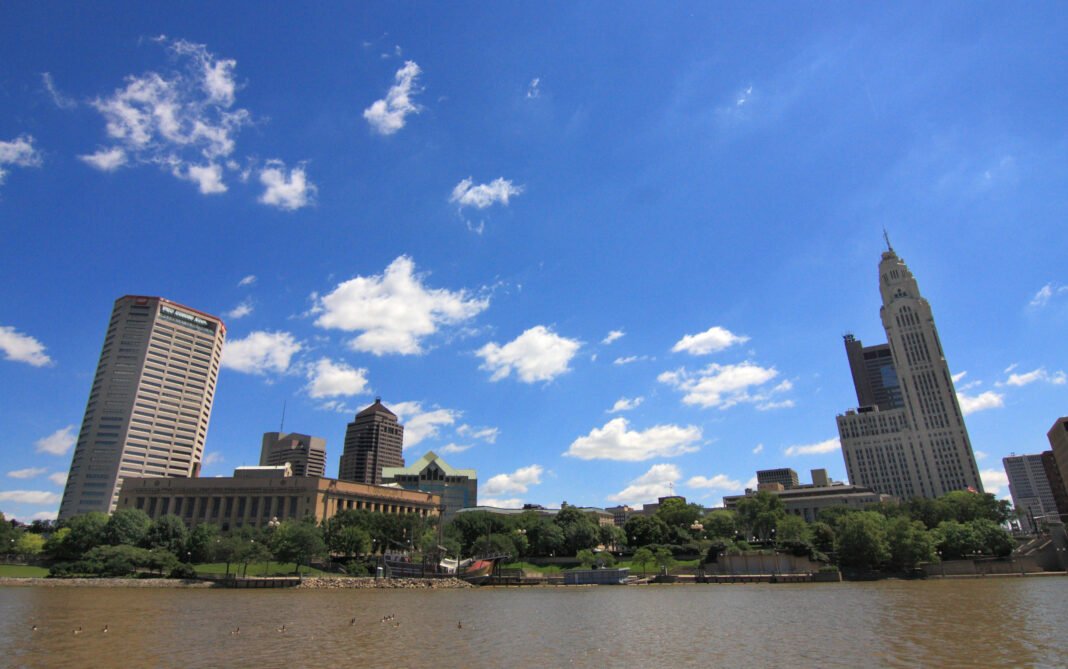
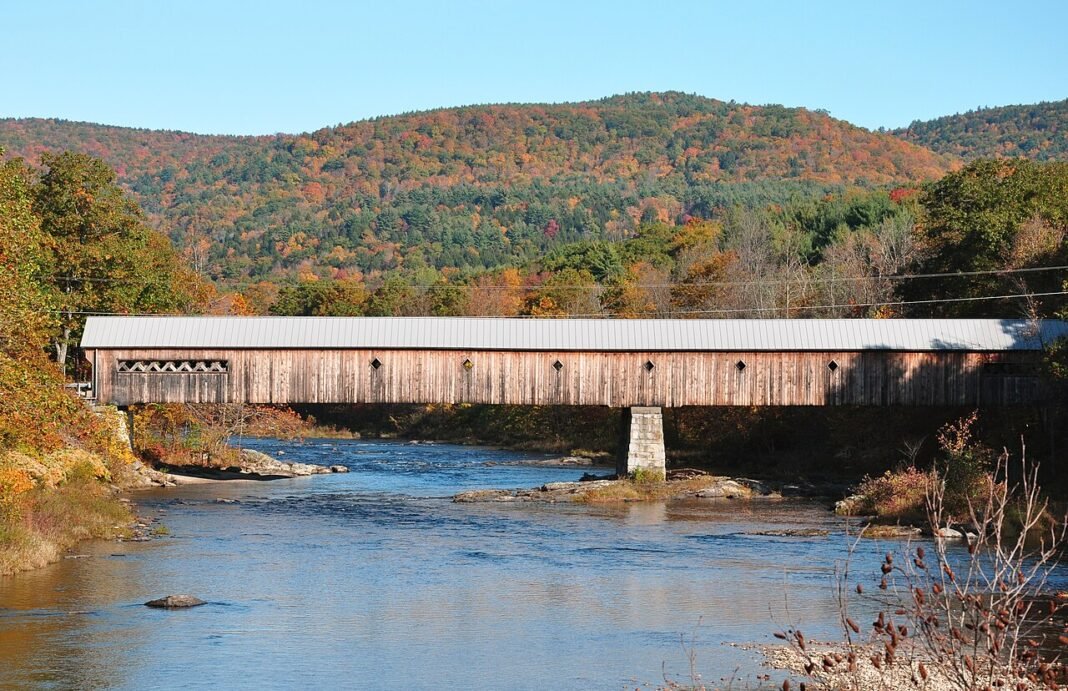
British Columbia’s housing landscape spans from the dense urban fabric of Vancouver’s West Side to the remote fjord communities of the central coast — a province where the choice of neighbourhood is fundamentally a choice between the Pacific Rim urban intensity of the Vancouver metropolitan area and the outdoor-oriented lifestyle of the Interior, Island, and northern communities. Vancouver’s neighbourhood character is shaped by geography (mountains north, water east and south, ocean west) and by the multicultural mix that ranks the city among the most ethnically diverse in Canada (no single ethnic group forms a majority in Vancouver proper), producing pockets of food and cultural life — the Richmond Night Market, the Punjabi Market on Main Street, the Japanese restaurants of Robson Street — with few equivalents elsewhere in the country. Outside Vancouver, the BC Interior’s Okanagan, Thompson, and Kootenay regions offer landscapes of extraordinary quality at housing costs that Vancouver residents find transformative.
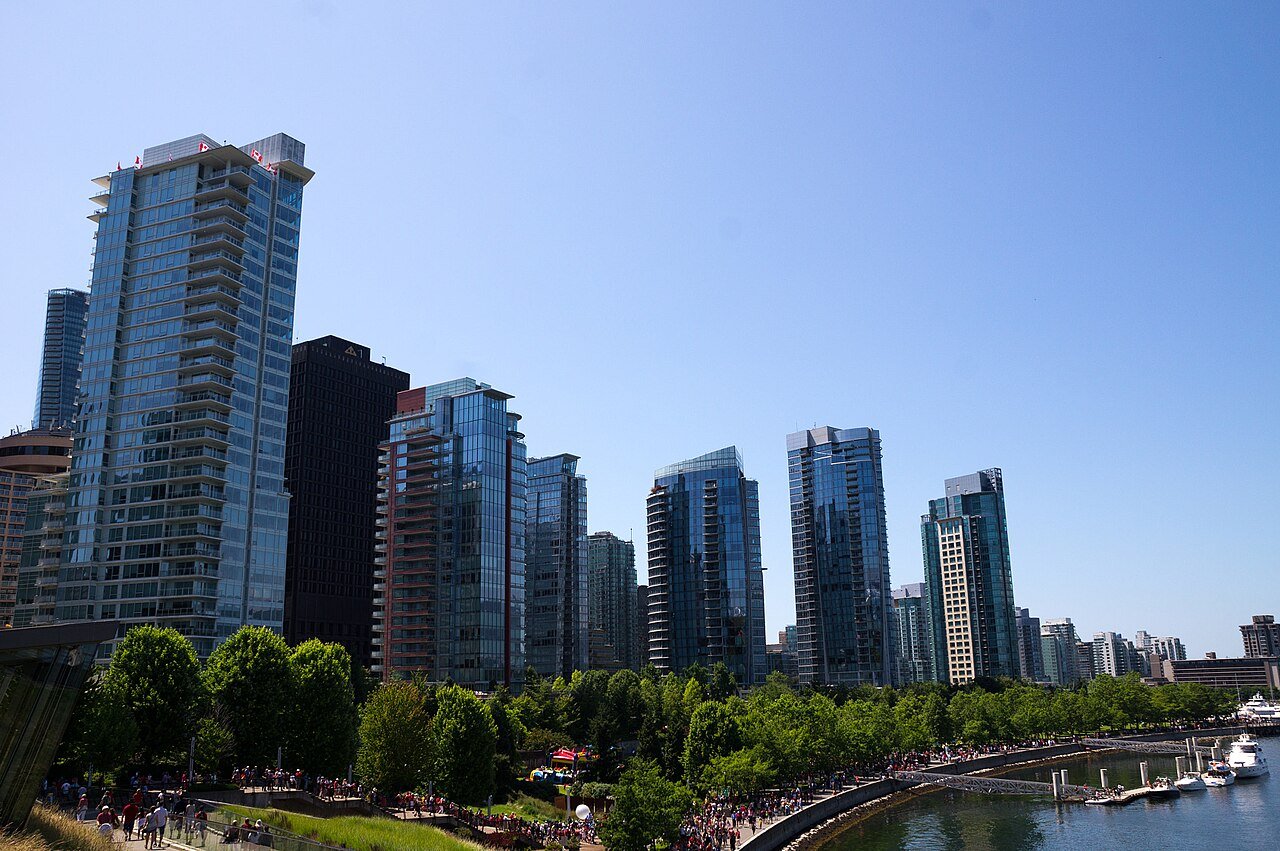
1. Kitsilano: Vancouver’s Beach Neighbourhood
Kitsilano — the neighbourhood south of False Creek between Burrard Street and the UBC campus — is the address Vancouver reaches for when it pictures young professionals and families by the water: Kitsilano Beach (the long flat sand beach with mountain views over English Bay and the Lions on the North Shore), the Kits Pool (the longest outdoor saltwater pool in Canada, 137m, a summer institution), the 4th Avenue West retail strip (yoga studios, organic grocery stores, independent restaurants, and the Craftsman heritage houses of the surrounding blocks), and the Cornwall Avenue cycling route to the Burrard Bridge and downtown. UBC sits 15 minutes away by bus, Vanier Park’s museums (the Vancouver Maritime Museum and the HR MacMillan Space Centre) anchor the waterfront, and the district holds the city’s densest concentration of independent food and wellness businesses — the combination that has tied Kitsilano to Vancouver’s Pacific-lifestyle image. Median detached house price: CAD $2.5M–$5.0M+; condos CAD $800,000–$1.2M.
2. Commercial Drive and Mount Pleasant: East Van Character
Commercial Drive — “the Drive” — is the most characterful commercial strip in East Vancouver: Italian heritage café culture (Caffe Calabria, Joe’s Café, Prado) sits alongside Latin American grocery stores, Ethiopian restaurants, natural food shops, and the local microbreweries that give the Drive its eclectic, counter-cultural pull. Mount Pleasant, immediately west along Main Street, has changed faster than almost any neighbourhood in the city — the former industrial belt between Broadway and False Creek now holds Vancouver’s densest brewery cluster (33 Acres, Brassneck, Callister, and 15-plus others within walking distance) alongside design studios, technology firms, and restaurants in converted warehouses. Both offer inner-city living at prices (detached CAD $1.3M–$1.8M; condos CAD $600,000–$800,000) well below the West Side.

3. North Vancouver: Mountain Suburb
North Vancouver (split between the District and City of North Vancouver, connected to Vancouver by the Lions Gate Bridge and the SeaBus) is the most outdoor-oriented place to settle in Greater Vancouver — a district where the North Shore Mountains (Grouse, Cypress, Mount Seymour) sit 15–20 minutes from the front door, where the Lonsdale Quay market and Lower Lonsdale’s waterfront restaurant row provide the commercial anchor, and where the 200km of North Shore trail network (the LSCR — Lower Seymour Conservation Reserve, and the Squamish Nation’s Capilano territories) begin at the ends of the cul-de-sacs. The Lynn Canyon Ecology Centre and suspension bridge (free alternative to the Capilano Suspension Bridge) and the Deep Cove kayaking community complete the outdoor character. Median detached house price: CAD $1.5M–$2.2M.
4. Victoria: Fairfield and James Bay
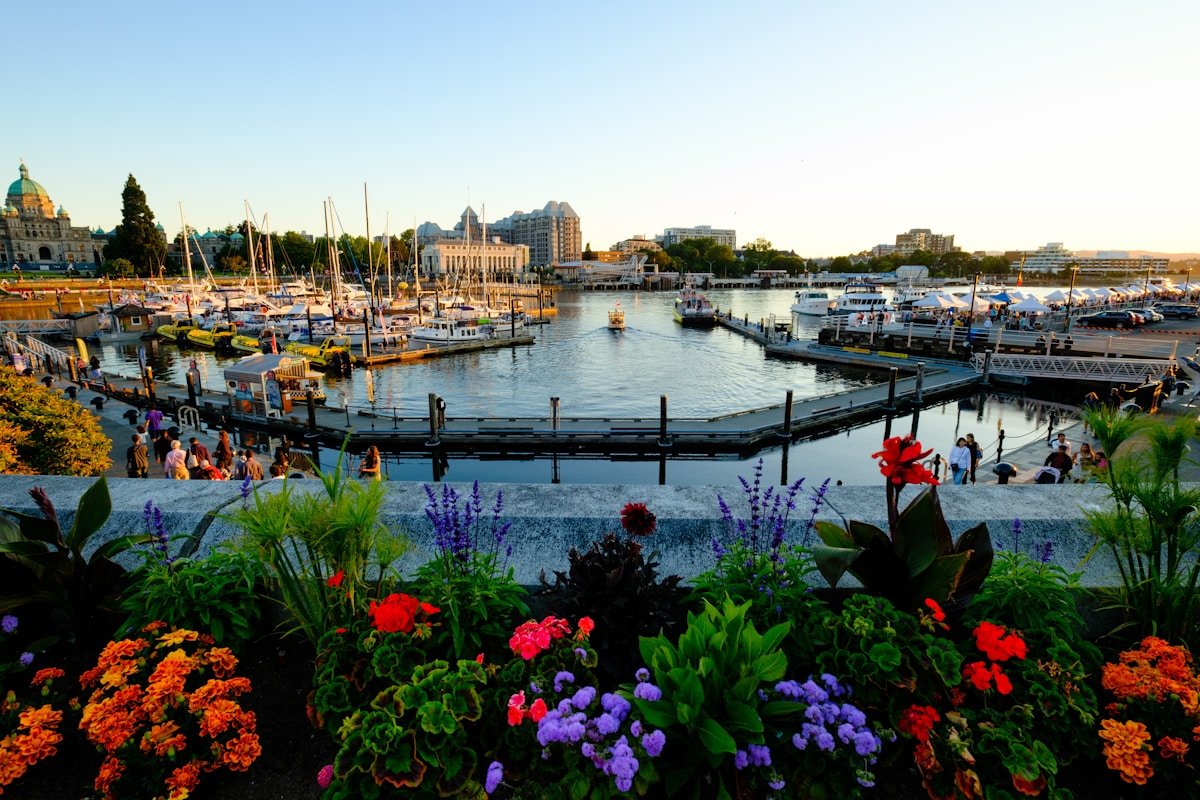
Victoria’s most sought-after precincts are the heritage neighbourhoods within walking distance of the Inner Harbour: Fairfield (the streets between Dallas Road — the oceanfront boulevard above the breakwater and Ross Bay Cemetery — and Cook Street Village, a much-loved commercial strip of independent bakeries and cafés, with Beacon Hill Park on the neighbourhood’s edge) and James Bay (the peninsula south of the Parliament Buildings, whose compact street grid and harbour-frontage walkway add up to the most walkable harbour-adjacent living in the city). Oak Bay, east of Fairfield, is the most distinctly English enclave in British Columbia — the Oak Bay Tea Party, the Victoria Golf Club on the oceanfront (the oldest in Canada still on its original site), and the heritage housing on streets that run out at the Strait of Juan de Fuca. Victoria median house price CAD $1.0M–$1.3M.
5. Kelowna: The Okanagan Lifestyle
Kelowna (about 254,000 across the Central Okanagan census area as of 2025) was one of Canada’s fastest-growing communities through the early 2020s, and it remains the destination of choice for Vancouver households trading urban density for lake and wine country living — the Okanagan Lake waterfront, the Mission Creek Regional Park cycling path, and the Okanagan winery corridor (Mission Hill, Quails’ Gate, CedarCreek) deliver a lifestyle that Vancouver residents usually reach only on holidays, at a cost (median house price CAD $1.0M–$1.15M) running roughly 40% below the equivalent Vancouver address. Kelowna International Airport’s direct connections to Vancouver, Calgary, and Edmonton keep remote workers and frequent business travellers within easy reach of the rest of the country. Summer beach culture (Gyro Beach, Rotary Beach, the City Park waterfront) and winter skiing at Big White (about 56km from Kelowna) round out the four-season picture.
Making Your Decision
Choosing where to live in British Columbia comes down to honestly matching your priorities with what each city and community genuinely delivers. Budget, career opportunities, access to outdoor recreation, climate preferences, and community character all weigh differently depending on your life stage and values — and no ranking can substitute for that personal assessment. The cities and towns profiled in this guide represent the strongest overall options, but British Columbia has smaller communities that offer compelling alternatives for those willing to trade urban convenience for affordability, quieter living, or closer access to natural landscapes. If possible, spend at least a long weekend in your shortlisted communities before committing — the practical factors matter enormously, but so does the less quantifiable sense of whether a place simply feels right for where you are in life.
Frequently Asked Questions
What makes Kitsilano Vancouver’s most beloved residential neighbourhood?
Kitsilano is a favourite residential address for young professionals and families — Kitsilano Beach with its mountain views over English Bay, the Kits Pool (the longest outdoor saltwater pool in Canada at 137 metres, a summer institution), the 4th Avenue West retail strip of yoga studios, organic groceries, and independent restaurants, and the Cornwall Avenue cycling route to the Burrard Bridge and downtown. The proximity to UBC (15 minutes by bus), Vanier Park’s museums (the Vancouver Maritime Museum and the HR MacMillan Space Centre), and the city’s greatest concentration of independent food and wellness businesses make Kitsilano the neighbourhood that defines Vancouver’s Pacific lifestyle mythology. Median detached house price: CAD $2.5M–$5.0M+; condos CAD $800,000–$1.2M.
What makes Commercial Drive and Mount Pleasant East Vancouver’s most characterful neighbourhoods?
Commercial Drive — “the Drive” — is Vancouver’s most characterful neighbourhood commercial strip: the Italian heritage café culture (Caffe Calabria, Joe’s Café, Prado) coexists with Latin American grocery stores, Ethiopian restaurants, and local microbreweries. Mount Pleasant, west of the Drive along Main Street, is Vancouver’s most rapidly evolving creative neighbourhood — the former industrial area between Broadway and False Creek contains the city’s most concentrated brewery district (33 Acres, Brassneck, Callister, and 15+ others within walking distance), design studios, technology companies, and independent restaurants in converted buildings. Both neighbourhoods provide inner-city living at prices (detached CAD $1.3M–$1.8M; condos CAD $600,000–$800,000) substantially below West Side equivalents.
What makes North Vancouver the most outdoor-oriented residential option in Greater Vancouver?
North Vancouver is the most outdoor-oriented residential option in the Greater Vancouver area — a community where Grouse, Cypress, and Mount Seymour ski areas are 15–20 minutes from the front door, where the Lonsdale Quay market and Lower Lonsdale’s waterfront restaurant strip provide the commercial anchor, and where 200km of North Shore trail network (the Lower Seymour Conservation Reserve and the Squamish Nation’s Capilano territories) begin at the ends of the cul-de-sacs. The Lynn Canyon Ecology Centre and suspension bridge (a free alternative to the Capilano Suspension Bridge) and the Deep Cove kayaking community complete the outdoor character. Median detached house price: CAD $1.5M–$2.2M — significantly more accessible than comparable access in Kitsilano or West Vancouver.
What makes Victoria’s Fairfield and James Bay the most liveable neighbourhoods in BC outside Vancouver?
Victoria’s Fairfield neighbourhood — the residential streets between the Dallas Road oceanfront and Cook Street Village (a much-loved neighbourhood commercial strip, with Beacon Hill Park at the neighbourhood edge) — and James Bay (the peninsula south of the Parliament Buildings, with the harbour frontage walkway providing a complete walkable harbour-adjacent lifestyle) are Victoria’s most desirable precincts. Oak Bay, east of Fairfield, provides the most characterfully English residential experience in British Columbia — the Oak Bay Tea Party, the Victoria Golf Club on the oceanfront, and heritage housing on streets ending at the Strait of Juan de Fuca. Victoria median house price: CAD $1.0M–$1.3M — a significant discount to Vancouver while offering arguably superior liveability.
What makes Kelowna BC’s most sought-after Interior city?
Kelowna (about 254,000 across the Central Okanagan census area in 2025) was one of Canada’s fastest-growing communities through the early 2020s and remains the destination of choice for Vancouver households trading urban density for lake and wine country living — the Okanagan Lake waterfront, the Mission Creek Regional Park cycling path, and the Okanagan winery corridor (Mission Hill, Quails’ Gate, CedarCreek) deliver a lifestyle that Vancouver residents usually reach only on holidays. Median house price CAD $1.0M–$1.15M runs roughly 40% below the equivalent Vancouver address. Kelowna International Airport provides direct connections to Vancouver, Calgary, and Edmonton. Big White ski resort sits about 56km from Kelowna. The combination of lake summers, ski winters, wine country, and Okanagan orchards creates four-season outdoor access that no other BC Interior city matches.