

Montana’s cost of living has split in two over the past decade. In Bozeman, the housing market now reads like a Mountain West resort town, while the small cities and ranch country of the state’s interior stay among the more affordable corners of the Rockies. Pricing out a move here means deciding which Montana you mean: the Bozeman-Big Sky corridor (expensive, and climbing), the Missoula-Kalispell-Flathead Valley belt (moderately expensive and rising), Billings (the largest city, reasonably priced for the services it offers), or the small towns of the eastern and central plains (genuinely cheap by any national yardstick). The income tax is moderate, property taxes are low, and there is no statewide sales tax at all — a setup that anyone arriving from a high-sales-tax state will appreciate the first time they fill a shopping cart.

Housing: Bozeman’s New Reality
No Montana city has been reshaped by housing costs the way Bozeman has. Remote workers holding onto coastal salaries while living near the state’s outdoor recreation, the pull of Yellowstone and Big Sky Resort just up the road, and Montana State University’s expanding research footprint together pushed median home prices from roughly $250,000 in 2015 to the $650,000–$740,000 range by 2026. The appreciation clusters in Bozeman proper and the Gallatin Valley towns of Belgrade and Four Corners; outlying communities such as Manhattan, Three Forks, and Livingston — the last one a 30-minute drive east over Bozeman Pass — have caught a second wave as buyers priced out of Bozeman look for something they can still afford nearby.
Big Sky, the resort community 45 miles south at the base of the ski mountain, has run hottest of all. Resort-adjacent values have jumped 200 to 300 percent since 2018, and single-family homes there now run from roughly $1 million into the multimillions, making it the priciest market in Montana. The canyon between Bozeman and Big Sky has drifted into the same luxury bracket. Anyone weighing the corridor should go in clear-eyed: the market has repriced around demand from high-income newcomers, and the “cheap Montana” that lured early remote workers before 2018 is gone.
Missoula, western Montana’s second city, has traveled a gentler version of the same arc. Median prices around $450,000–$560,000 mark a steep rise from the $200,000–$280,000 of a decade ago. The Rattlesnake neighborhood near the wilderness, the university district, and the South Hills carry the premium; Hellgate and the blocks east of downtown still offer a foothold closer to $400,000. Up in the Flathead Valley, Kalispell and Columbia Falls — the latter the gateway to Glacier National Park — land in the mid-$500,000s, while resort-flavored Whitefish is a different animal, with a median past $800,000 and waterfront listings reaching well into seven figures.
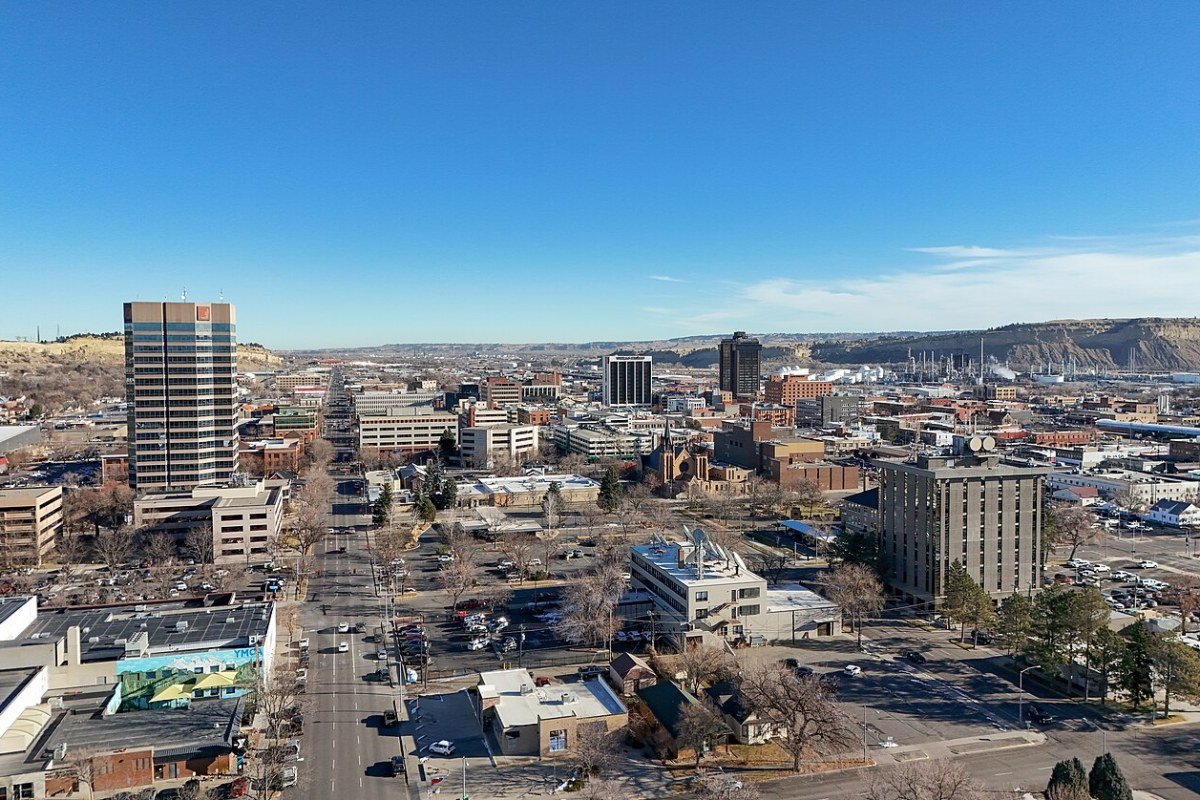
Billings, the state’s largest city at about 120,000 people, gives you the most affordable urban housing with real services, with single-family homes generally between $340,000 and $430,000. Helena, the capital, runs close behind in the low-to-mid $400,000s; Great Falls sits near $360,000 and Butte around $320,000. Out on the eastern high plains, agricultural towns like Miles City, Glendive, and Sidney still trade in the $150,000–$270,000 band, a reflection of the ranch economy and the modest in-migration those counties see.

State Income Tax and the No-Sales-Tax Advantage
Montana overhauled its income tax in recent years, trading a seven-bracket system for a simpler two-rate structure. For 2026 the rates are 4.7 percent on taxable income up to $47,500 for single filers (and up to $95,000 for couples filing jointly) and 5.65 percent on everything above that — down from a 5.9 percent top rate the year before. Work it out for a single filer earning $80,000 and the effective bite comes to roughly 5 percent: higher than no-tax neighbors like Wyoming, but well under what California or Minnesota would take. There is no local income tax anywhere in the state.
The real headline is what Montana doesn’t charge. It is one of just five states with no statewide sales tax, so groceries, clothing, a new truck, and most services all ring up at the sticker price. A household that spends $60,000 a year on taxable goods keeps about $3,000 that a 5 percent sales-tax state would have collected; buy a $50,000 pickup and you pocket roughly $3,500 you’d have lost to a 7 percent rate elsewhere. The one asterisk: a handful of resort towns — Big Sky, West Yellowstone, Whitefish, Red Lodge — levy a local resort tax of up to 4 percent on lodging, restaurant meals, and a few luxury items, a charge aimed mostly at visitors rather than residents. Across everyday spending, though, the no-sales-tax math is real and adds up year after year.
Property Taxes
Property tax rates here are among the lowest in the Mountain West, with an effective rate around 0.6 to 0.8 percent of market value — comfortably below the national average. Even against Bozeman’s swollen prices that keeps the absolute bills reasonable: a $600,000 home there owes something like $3,600 to $4,800 a year. Agricultural land gets taxed at preferential rates far beneath residential ones, a quirk in the code that has helped keep farming and ranching viable even where houses around them have gotten expensive. One thing to watch going forward — the state is phasing in a new structure for 2026 that taxes a primary residence differently from a second home or short-term rental, so a part-time owner can expect a heavier bill than a year-round neighbor.
The Montana Cost Calculation
The bigger picture changed fast. The state that read as a remote-work bargain in 2018 has, in its most sought-after towns, turned into premium country where the trailhead-out-the-back-door lifestyle now carries trailhead-out-the-back-door prices. Bozeman north of $650,000 is not cheap — it is in the same conversation as Bend, Oregon, a notch below the full Jackson Hole madness (Jackson clears $1 million), and clearly above Boise or Salt Lake City, both of which hand you comparable mountain access for less.
Where Montana still pays off in 2026 is the towns that haven’t caught Bozeman’s fever: Billings, probably the most underrated city in the state for what you get per dollar; Helena, the capital, with solid services in the $400,000s; and the small communities strung along the Clark Fork between Missoula and the Idaho line. The missing sales tax and the low property rates are quiet, compounding advantages that outlast any single year’s market swing. And for buyers who can clear the Bozeman price of entry, what comes with it — Yellowstone and Big Sky inside a 45-minute drive, a genuine college-town culture, and the kind of four-season, high-country setting with quick access to skiing, rivers, and trails that is hard to find anywhere in the American West at any number.
Frequently Asked Questions
Is Montana expensive to live in?
It depends entirely on where you land. Bozeman is now genuinely expensive — median home prices in the $650,000–$740,000 range, driven by remote-work migration and the pull of Yellowstone and Big Sky Resort. Missoula runs $450,000–$560,000. But Billings, the largest city, sits at $340,000–$430,000, Helena lands in the low-to-mid $400,000s, Great Falls near $360,000, and Butte around $320,000. Small towns on the eastern plains still trade in the $150,000–$270,000 band.
Does Montana have a sales tax?
No — Montana is one of only five states with no statewide sales tax, and the exemption covers groceries, clothing, vehicles, and services. On a $50,000 vehicle, skipping a 7 percent sales tax saves about $3,500 versus most neighboring states; a household spending $60,000 a year on taxable goods keeps roughly $3,000 it would owe in a 5 percent state. The one exception is a local resort tax of up to 4 percent in tourist towns like Big Sky, Whitefish, and West Yellowstone, which falls mostly on lodging and restaurant meals.
What is Montana’s income tax rate?
For 2026, Montana uses a two-bracket system: 4.7 percent on taxable income up to $47,500 for single filers (up to $95,000 for joint filers) and 5.65 percent above that, down from a 5.9 percent top rate the year before. The effective rate for a single filer earning $80,000 works out to roughly 5 percent — higher than no-income-tax Wyoming, but below the rates in California or Minnesota. There is no local income tax in the state.
Are property taxes low in Montana?
Yes — among the lowest in the Mountain West, with effective rates of roughly 0.6 to 0.8 percent of market value. Even on Bozeman’s elevated prices, a $600,000 home carries about $3,600 to $4,800 a year. Agricultural land is taxed well below residential rates. Note that a new 2026 structure taxes primary residences more lightly than second homes and short-term rentals, so part-time owners can expect a higher bill.
Is Bozeman still a good value for remote workers?
Not the way it was. At a $650,000–$740,000 median, Bozeman no longer offers the “cheap Montana” that drew early remote workers before 2018; it now prices alongside Bend, Oregon and other Mountain West resort towns. Better value today sits in Billings ($340,000–$430,000), Helena (low-to-mid $400,000s), and the small communities along the Clark Fork between Missoula and Idaho.