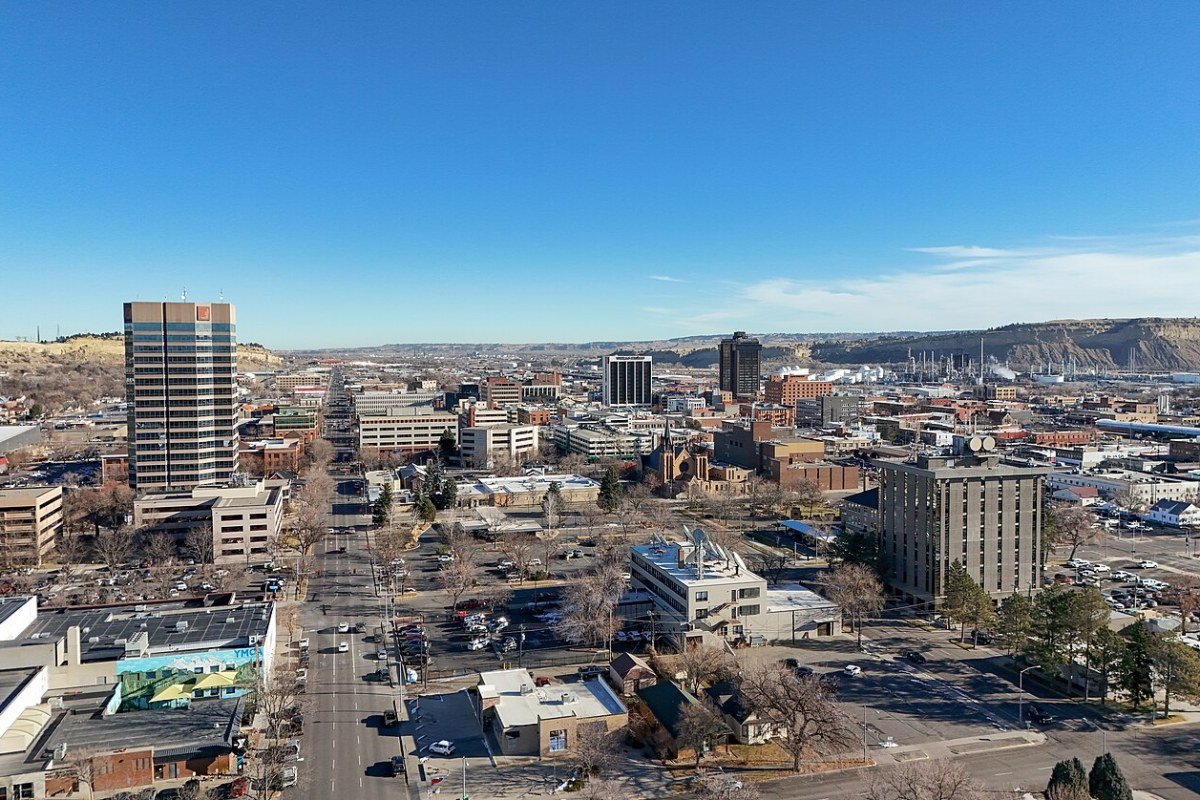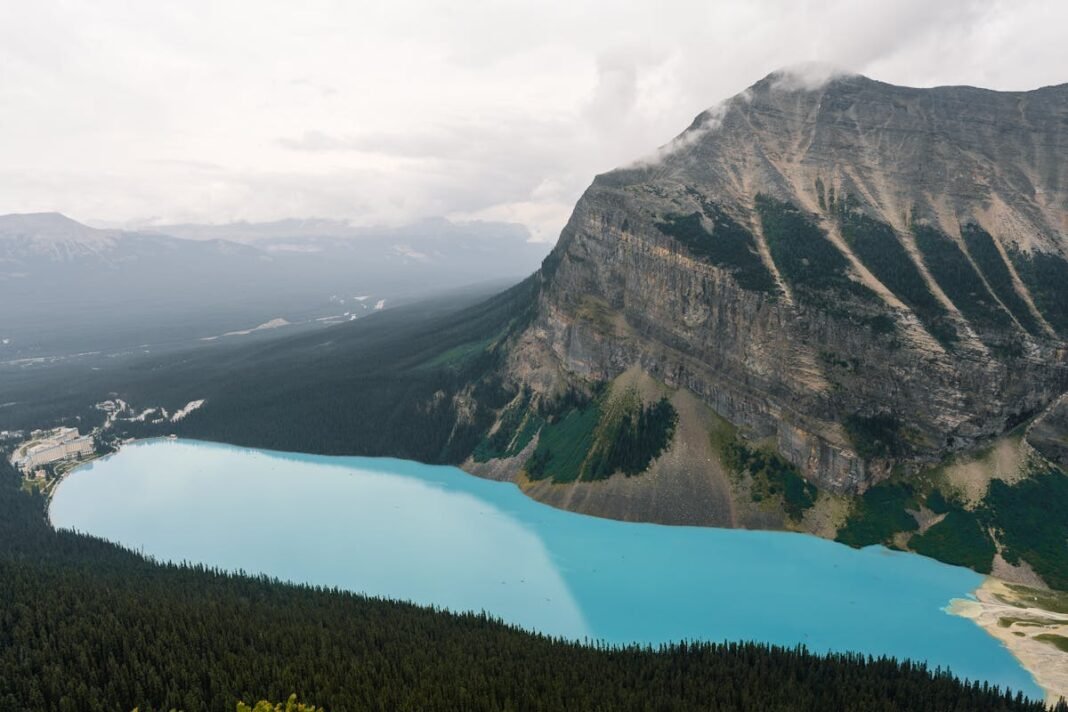
Alberta is Canada’s Rocky Mountain province — a place of sharp geographic contrasts where the flat oil-producing Prairie to the east meets the Canadian Rockies at Calgary’s western edge, with scenery dramatic enough that UNESCO designated the four contiguous mountain national parks (Banff, Jasper, Kootenay, and Yoho) as a World Heritage Site in recognition of their ecological and scenic importance. The province’s tourism is defined by the mountain parks: Banff National Park (Canada’s first national park, established 1885) with Lake Louise and Moraine Lake’s turquoise glacially-fed waters; Jasper National Park (the largest Rocky Mountain national park, 11,000km²) with Maligne Lake, the Columbia Icefield, and the dark sky preserve (the largest accessible dark sky preserve in the world); the Icefields Parkway (230km between Banff and Jasper, consistently ranked among the world’s great scenic drives); and the alpine villages of Banff and Jasper townsite that anchor the visitor economy. Calgary (1.6 million) and Edmonton (1.1 million), the province’s two major cities, are defined by oil wealth, a young population, and urban ambitions that have produced cultural institutions (the Calgary Stampede, the Edmonton Folk Music Festival, the Art Gallery of Alberta) that exceed what their population size alone would generate.
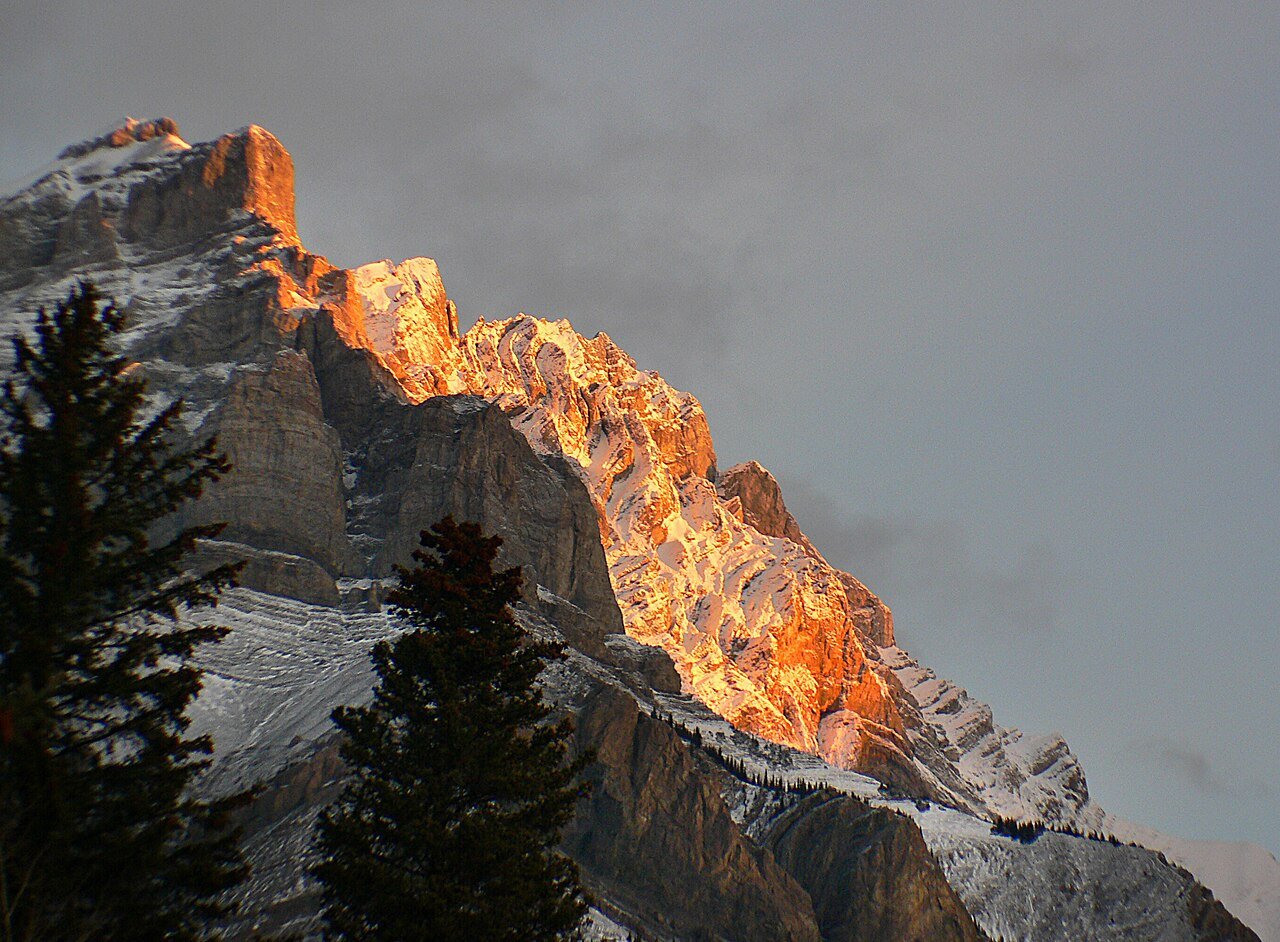
Banff National Park: The Headliner
Banff National Park, established in 1885 as Canada’s first national park around the Cave and Basin hot springs, is the most visited national park in Canada — 4+ million visitors a year, drawn by a first-rate mountain setting paired with unusually developed visitor infrastructure (the Banff townsite’s hotels, restaurants, and adventure outfitters; the Sunshine Village, Mt Norquay, and Lake Louise ski resorts; and the Banff Gondola connecting the townsite to the summit of Sulphur Mountain). The park’s headline sights:

- Lake Louise: The turquoise glacially-fed lake below the Victoria Glacier and the Chateau Lake Louise hotel; the lake shore path (3km) and the Plain of Six Glaciers trail (14km return) open up access at every fitness level; the most photographed single location in the Canadian Rockies
- Moraine Lake: Ten glaciated summits — the Valley of the Ten Peaks, once pictured on the reverse of the Canadian $20 bill — rise above a lake whose blue runs even deeper than Lake Louise’s; the road is closed to private vehicles, so reaching the lake from June to mid-October means booking the Parks Canada shuttle or a commercial operator
- The Banff Gondola: The 8-minute gondola ride to Sulphur Mountain’s summit boardwalk (2,281m) delivers the most accessible above-treeline view of the Bow Valley and the surrounding peaks
- Johnston Canyon: A 2km (lower falls) to 5.4km (upper falls) walk through a narrow limestone canyon; the lower falls’ 30m drop and the upper falls’ 40m cascade are the most visited natural features in Banff other than the two lakes

Jasper National Park and the Icefields Parkway
Jasper National Park (11,000km², the largest Rocky Mountain national park) is less visited and more wilderness-oriented than Banff — the Jasper townsite is smaller, the infrastructure less developed, and the park’s draws (Maligne Lake and Spirit Island, the Athabasca Falls, the Miette Hot Springs, and the Tonquin Valley’s Ramparts) are correspondingly less crowded. The July 2024 wildfire destroyed roughly a third of the town’s buildings, but Jasper reopened to visitors within months and rebuilding has continued through 2026; hotels, restaurants, and the major sights are operating, though a handful of areas — Maligne Canyon and the Edith Cavell road among them — remain closed while the damage is assessed. The Columbia Icefield — the largest glacial system in the Rockies (325km²), straddling the Banff-Jasper boundary on the Icefields Parkway — is the highway’s centrepiece, where the Athabasca Glacier descends to within 200m of the road and the Glacier Skywalk (a glass-floored platform cantilevered above the canyon) offers the boldest viewpoint of the lot. The parkway itself — the 230km run from Lake Louise (Banff) to Jasper — passes Bow Lake (its finest foreground lake), the Crowfoot Glacier, Peyto Lake (the turquoise lake shaped like a wolf’s head, seen from the Bow Summit lookout), and the Parker Ridge trail (2.4km return, climbing above the treeline to a view of the Saskatchewan Glacier) in a procession of scenery that earns its reputation as the world’s finest scenic drive between two points.
Drumheller and the Badlands
The Alberta Badlands, 140km northeast of Calgary in the Red Deer River valley, hold the province’s strangest scenery — the hoodoo-studded canyon country around Drumheller, where the river has cut 100m into the prairie and exposed 75-million-year-old Cretaceous sediments that have yielded more dinosaur fossils than almost any comparable ground on Earth. The Royal Tyrrell Museum of Palaeontology in Drumheller, Canada’s only museum given over entirely to the science, displays more than 40 mounted dinosaur skeletons in one of the world’s largest dinosaur halls. The Horseshoe Canyon sunrise ranks among the province’s finest, and the Atlas Coal Mine National Historic Site near East Coulee preserves the most complete coal mine infrastructure left in western Canada.
Planning Your Alberta Visit
Alberta rewards a season-led itinerary. Summer (June–September) opens up all of Banff and Jasper’s alpine activities — the Icefields Parkway in full colour, hiking above the treeline, canoe season on the Bow and Athabasca rivers. Winter (December–March) brings the ski season at Lake Louise, Sunshine Village, and Marmot Basin, along with Banff National Park under snow and far fewer visitors than the summer peak. A Calgary base puts Banff (90 minutes), the Drumheller Badlands (90 minutes), and the Kananaskis Country trail system (45 minutes) all within a day trip, which makes the city about as well placed as any in Canada for a varied trip without internal flights.
Practical Notes for 2026
A national park pass is required to stop anywhere in Banff or Jasper, but for summer 2026 the federal Canada Strong Pass waives admission to all Parks Canada sites from June 19 to September 7 — outside that window a Discovery Pass costs $83.50 a year for an adult, against a daily fee of $12.25 for adults. Moraine Lake Road is closed to private cars: book the Parks Canada shuttle the moment reservations open (mid-April), since sunrise slots vanish within minutes. The Icefields Parkway has only one fuel stop along its 230km, at Saskatchewan River Crossing, so fill up in Lake Louise or Jasper before setting off. Bears, elk, and bighorn sheep are routinely seen from the road; keep 100 metres from bears and 30 from elk, and never stop in a moving lane to photograph them. And give the Rockies more time than the map suggests — the distances are short, but the lakes, trails, and viewpoints reward an unhurried pace.
Frequently Asked Questions
What makes Banff National Park Canada’s most visited national park?
Banff National Park, established in 1885 as Canada’s first national park, draws 4+ million visitors a year to a first-rate mountain setting paired with unusually developed visitor infrastructure. Lake Louise — the turquoise glacially-fed lake below the Victoria Glacier, with the Chateau Lake Louise hotel on its shore — is the most photographed single location in the Canadian Rockies; the Plain of Six Glaciers trail (14km return) accesses the glacier environment directly. Moraine Lake in the Valley of the Ten Peaks, with its even more intensely turquoise water below ten glaciated summits (the former reverse of the Canadian $20 bill), is reached only by Parks Canada shuttle or commercial operator from June to mid-October, as the road is closed to private vehicles. The Banff townsite, the three ski resorts (Sunshine Village, Mt Norquay, Lake Louise), and the Johnston Canyon walk complete a national park with infrastructure exceeding almost any comparable protected area in the world.
What is the Icefields Parkway and what can you see along it?
The Icefields Parkway — 230km from Lake Louise to Jasper — is consistently ranked among the world’s great scenic drives, passing 100+ glaciers and a string of turquoise glacial lakes and mountain peaks that build on one another mile after mile. The primary stops: Bow Lake (finest foreground lake on the parkway), Peyto Lake (the turquoise lake in the shape of a wolf’s head at Bow Summit), the Parker Ridge trail (2.4km above treeline to Saskatchewan Glacier views), and the Columbia Icefield (the largest glacial system in the Rockies at 325km², straddling the Banff-Jasper boundary). At the Columbia Icefield, the Athabasca Glacier descends to within 200m of the road; the Glacier Skywalk (a glass-floored platform cantilevered above the canyon) provides a dramatic viewpoint without a glacier walk. Maligne Lake and Spirit Island in Jasper National Park anchor the northern end of the parkway.
What is Jasper National Park and how does it differ from Banff?
Jasper National Park, at 11,000km² the largest Rocky Mountain national park, is less visited and more wilderness-oriented than Banff — the Jasper townsite is smaller, the infrastructure less commercialized, and the park’s landscapes (Maligne Lake and Spirit Island, Athabasca Falls, the Miette Hot Springs, and the Tonquin Valley’s dramatic Ramparts) are correspondingly less crowded. The July 2024 wildfire destroyed about a third of the town, but Jasper reopened within months and most major sights are operating again in 2026, though Maligne Canyon and the Edith Cavell road remain closed while fire damage is assessed. Jasper is also a Dark Sky Preserve — the largest accessible dark sky preserve in the world — making it one of the finest stargazing destinations in North America. The Jasper SkyTram climbs to an upper station at 2,263m on Whistlers Mountain for summit views over the Athabasca valley. In winter, Marmot Basin (with the highest base elevation of any Alberta ski resort at 1,700m) provides a quieter alternative to Banff’s three ski areas.
What are the Alberta Badlands and Drumheller?
The Alberta Badlands, 140km northeast of Calgary in the Red Deer River valley, hold the province’s strangest scenery — hoodoo-studded canyon country around Drumheller where the river has cut 100m into the prairie, exposing 75-million-year-old Cretaceous sediments that have yielded more dinosaur fossils than almost any comparable ground on Earth. The Royal Tyrrell Museum of Palaeontology in Drumheller, Canada’s only museum given over entirely to the science, displays 40+ mounted dinosaur skeletons in one of the world’s largest dinosaur halls. The Horseshoe Canyon sunrise ranks among the province’s finest. The Atlas Coal Mine National Historic Site near East Coulee preserves the most complete remaining coal mine infrastructure in western Canada.
What is the best way to plan an Alberta trip and when should you visit?
Alberta rewards itinerary planning by season. Summer (June–September) provides access to all alpine activities — the Icefields Parkway in full colour, hiking above the treeline, canoe season on the Bow and Athabasca rivers, and the peak wildflower displays in the Banff and Jasper meadows. Winter (December–March) brings the ski season at Lake Louise, Sunshine Village, and Marmot Basin, along with Banff National Park under snow and far fewer visitors than summer. A Calgary base puts Banff (90 minutes), the Drumheller Badlands (90 minutes), and the Kananaskis Country trail network (45 minutes) all within a day trip. For summer 2026 the Canada Strong Pass waives Parks Canada admission from June 19 to September 7; outside that window an adult Discovery Pass is $83.50 a year. Moraine Lake road access and Parks Canada shuttles must be pre-booked in peak season. The Calgary Stampede (July 3–12, 2026) is the world’s largest outdoor rodeo and western festival, drawing more than 1.2 million visitors annually.