Nova Scotia Travel Guide 2026: Halifax, the Cabot Trail, and the Atlantic Coast
Nova Scotia — “New Scotland” in Latin — is Canada’s most complete Atlantic province travel destination: a peninsula and island geography extending into the North Atlantic, where 7,500km of coastline connects the Annapolis Valley’s apple orchards and wine country, the UNESCO World Heritage tidal flats of the Bay of Fundy (the world’s highest tides, reaching 16m in the Minas Basin), the Scottish Highland landscape of Cape Breton Island, and the harbour city of Halifax, with its extraordinary concentration of maritime history and a food culture built on Digby scallops, Lunenburg lobster, and Nova Scotia oysters. The province’s character is shaped by its Atlantic identity — the Mi’kmaq Nation’s 10,000-year relationship with the land and sea, the Acadian French heritage that predates the British Conquest, the Scottish and Irish immigration waves that shaped Cape Breton’s Gaelic culture, and the Maritime fishing economy that still defines the province’s coastal communities in ways that are entirely different from Ontario’s or BC’s relationship with primary industries.
Halifax: Canada’s Oceanfront City
Halifax (450,000 in the Halifax Regional Municipality) is Canada’s largest Atlantic city — a harbour city of extraordinary natural beauty (the Bedford Basin and the Halifax Harbour form one of the world’s largest natural harbours, second only to Sydney, Australia) with a history that includes the Citadel (the star-shaped fortress above the city that defined Halifax’s 18th-century strategic importance), the Maritime Museum of the Atlantic (home of the largest collection of Titanic artifacts outside of the United Kingdom), and a downtown waterfront that has been developed into Canada’s finest harbour boardwalk. The Spring Garden Road commercial strip, the North End’s Agricola Street food and arts scene (Halifax’s version of Brooklyn), the Halifax Farmers’ Market (Canada’s oldest farmers’ market, established 1750), and the Dartmouth ferry crossing (the most affordable harbour tour in Canada) define the city’s daily life.
Halifax Must-Experiences
- Halifax Citadel National Historic Site: The star-shaped fort above the city; the ceremonial Noon Gun firing is Halifax’s daily signal; the exhibits cover the Citadel’s role in the Seven Years’ War, the American Revolution, and the First World War
- Maritime Museum of the Atlantic: Canada’s finest maritime museum; the Titanic collection (recovered artifacts, victim clothing, and the story of Halifax’s role as the primary recovery port), the HMCS Sackville (Canada’s last surviving corvette), and the Bluenose II replica schooner
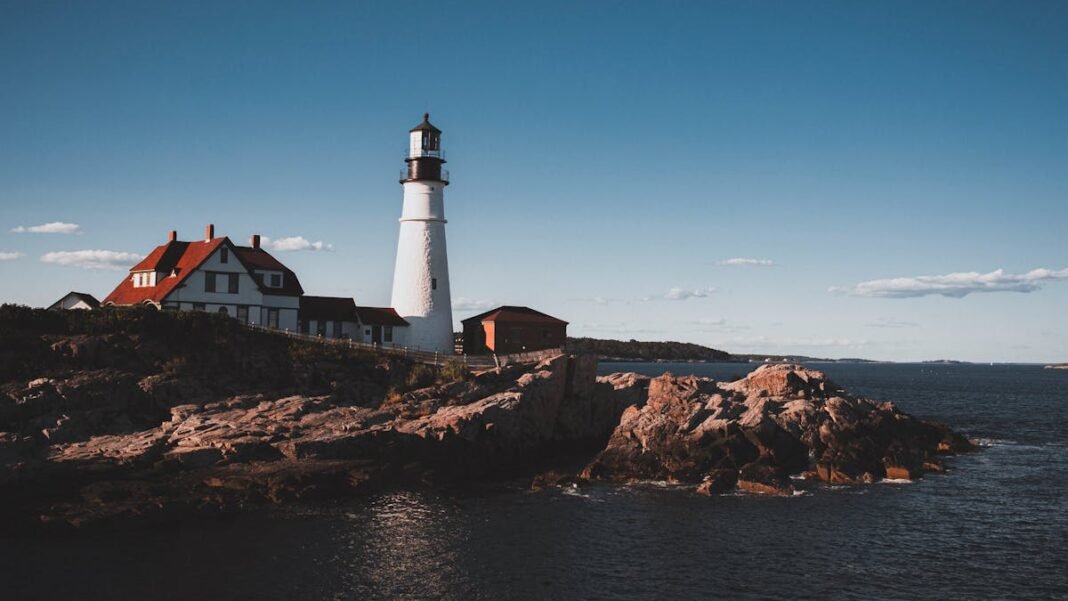
- Peggy’s Cove: The lighthouse on the glacially-smoothed granite rocks of St Margaret’s Bay, 45km from Halifax; the most photographed lighthouse in Canada; the village’s lobster fishing culture and the Sou’Wester restaurant provide the context for the image
- Historic Properties: The waterfront’s restored 19th-century warehouse district; the Privateers’ Warehouse, the Brewery Market complex, and the Halifax Waterfront Boardwalk (4km of continuous harbour frontage)
.jpg?width=1200)
Cape Breton Island: The Highland Drive
Cape Breton Island, connected to the Nova Scotia mainland by the Canso Causeway, is the most culturally distinctive part of the province — a Scottish-influenced island community where Gaelic is still spoken in some communities, where the fiddling tradition (the Cape Breton fiddle style is considered among the world’s finest traditional music traditions) animates the ceilidh culture of the summer music festivals, and where the Cabot Trail’s 297km circuit through the Cape Breton Highlands National Park provides one of the world’s great scenic drives. The Cabot Trail’s western descent (the Cabot Trail’s steepest section, dropping from the highland plateau to the Gulf of St Lawrence coast) and the eastern shoreline above the Bras d’Or Lakes (a UNESCO Biosphere Reserve inland sea system) provide the driving highlights. The Fortress of Louisbourg National Historic Site (the most extensive reconstruction of a French colonial fortress in North America) and the Baddeck sailing on the Bras d’Or complete the Cape Breton itinerary.
The Annapolis Valley and South Shore
The Annapolis Valley, sheltered by the North and South Mountains along the Bay of Fundy shore, is Nova Scotia’s agricultural heartland — an orchard and wine country of unusual productivity in Atlantic Canada’s climate, where the combination of the valley’s microclimate and the Bay of Fundy’s moderating influence produces apples, pears, blueberries, and the Tidal Bay wine style (Nova Scotia’s distinctive crisp white wine appellation) that anchor the valley’s growing food tourism economy. The towns of Wolfville (Acadia University, the Wolfville Farmers’ Market, the Planters’ Barracks) and Annapolis Royal (Fort Anne National Historic Site, the Garrison House Inn, the tidal power plant) provide the visitor anchors. The Fundy shore and the Bay of Fundy tidal exploration — the twice-daily exposure of the tidal flats at Burncoat Head (the world’s highest recorded tides, 16.8m) and the sea floor walking at low tide — provide the area’s most extraordinary natural experience.
Planning Your Nova Scotia Visit
Nova Scotia’s geography is compact enough to be fully explored in 10–14 days by car — the province is 580km from Amherst (New Brunswick border) to Cape Breton’s northern tip, with the Cabot Trail circuit adding 297km of the most scenic coastal driving in Atlantic Canada. A practical Nova Scotia itinerary allocates 2–3 days to Halifax (the Citadel, Peggy’s Cove as a day trip, the Dartmouth waterfront, the historic properties waterfront district), 2 days to the Annapolis Valley and the Bay of Fundy (the Tidal Bore, Halls Harbour’s lobster pound at low tide, Grand Pré), and 3–4 days to Cape Breton (the Cabot Trail, the Bras d’Or Lakes, the Fortress of Louisbourg). May–October is the reliable travel season; the peak colour of October rivals New England’s fall foliage as Atlantic Canada’s most photogenic natural event.
Getting the Most Out of Your Visit
A few practical points that will improve any trip to Nova Scotia. Book accommodation and major attractions — particularly national parks, popular hiking trails, and well-known restaurants — as far in advance as possible; the most desirable options can fill weeks or months ahead, especially in peak season. Having a car provides the most flexibility for exploring beyond the main centers, and most of Nova Scotia’s most rewarding experiences are in places not easily reached by public transport. The best local knowledge is often found in regional visitor centers, independent bookshops, and by talking to residents — the most memorable discoveries on any trip are rarely the ones in the guidebooks. Allocate more time than you think you need: Nova Scotia consistently rewards travelers who slow down and explore in depth rather than trying to cover maximum ground in minimum time.