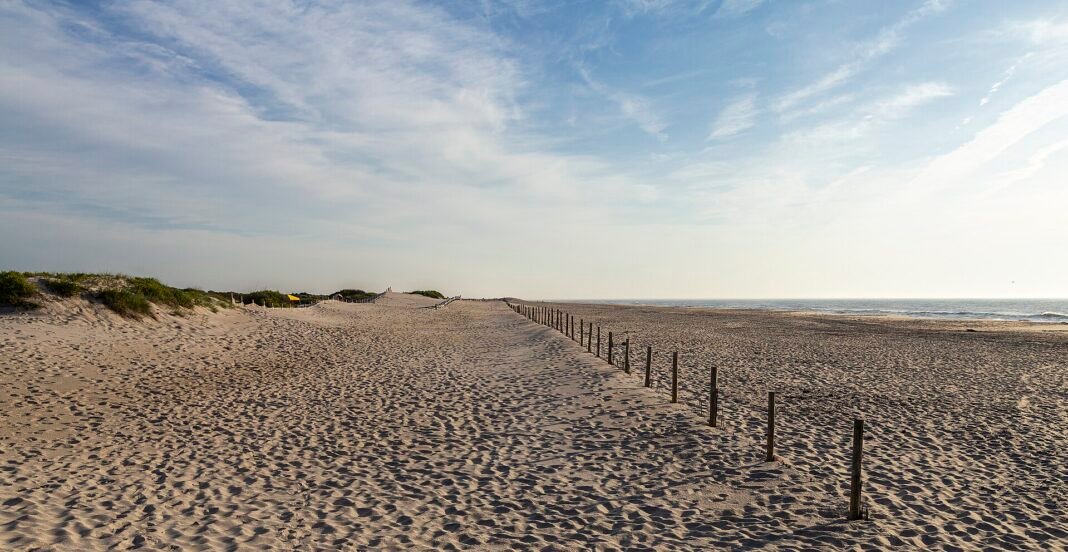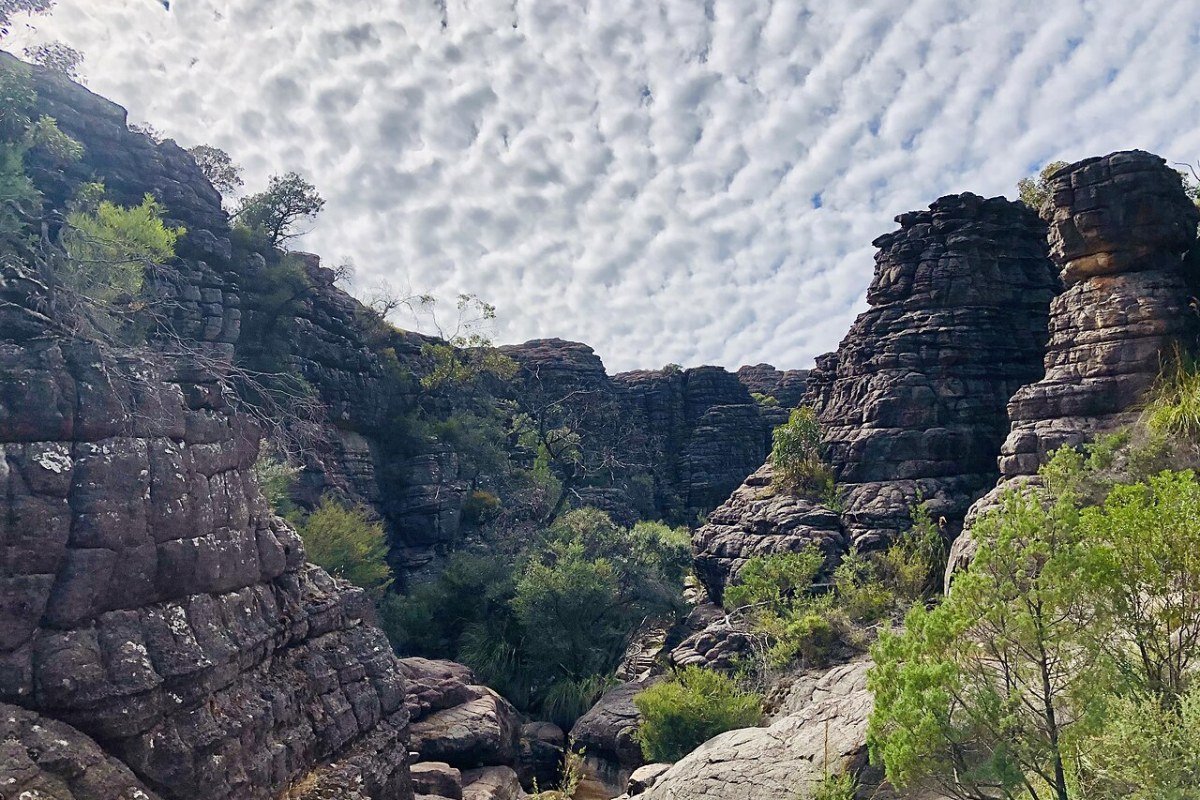
Victoria’s outdoor recreation draws on an extraordinary geographic range packed into the second-smallest mainland state — the Great Ocean Road’s rugged Southern Ocean coastline, the Victorian Alps’ skiing and alpine hiking, Port Phillip Bay’s protected water for sailing and kayaking, the Grampians National Park’s sandstone ranges and Aboriginal rock art in the west, and the High Country’s mountain biking and trail running in the northeast. The Mornington Peninsula, the Surf Coast, and the Peninsula Hot Springs serve up the leisure recreation that Melbourne‘s professional class reaches on weekends; the Wilderness Coast, the Murray River system, and the Otway Ranges hold the more serious backcountry that asks for a drive beyond the day-trip radius. No other state packs its outdoor country so tightly around its capital — the coast, the bay, and the western ranges all sit within a half-day drive, and even the alpine resorts in the northeast are reachable in a long morning.
The Great Ocean Road: Walk and Explore
The Great Ocean Walk (104km, 8-day trail from Apollo Bay to the Twelve Apostles) ranks among Australia’s best multi-day hiking trails — a walk along the cliff tops and beaches of the Port Campbell National Park, through the Great Otway National Park’s temperate rainforest, and across the boldest coastal scenery in Victoria. Day sections work just as well on their own:
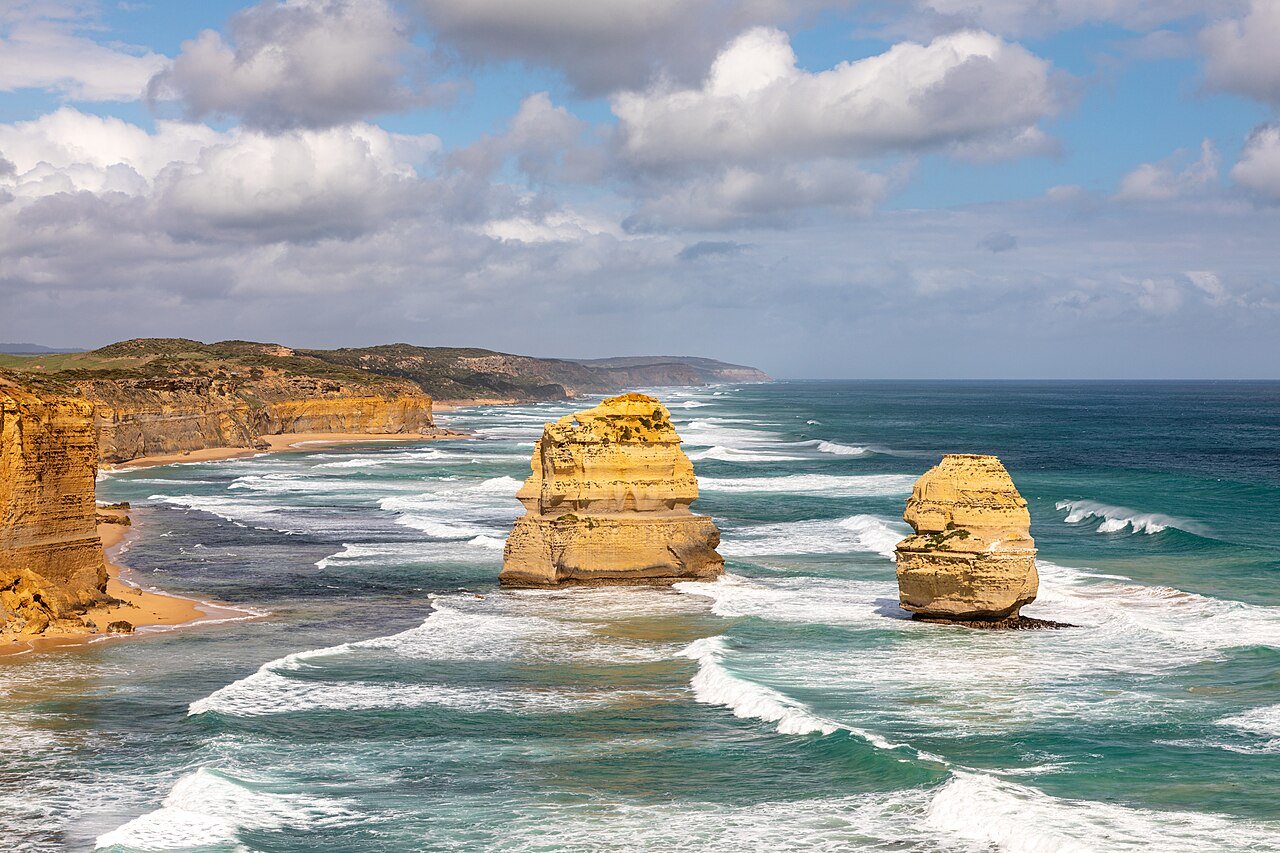
- Twelve Apostles Marine National Park walks: The Twelve Apostles Lookout Walk (1.5km return), the Loch Ard Gorge circuits (various 1–3km), and the Bay of Islands Coastal Park walks open up the coast’s boldest scenery in half-day hikes
- Otway Fly Treetop Adventures: A 600m elevated walkway through the rainforest canopy at 25m height; adjacent zipline tour; reachable 3 hours from Melbourne via the Great Ocean Road
- Bells Beach surf viewing: The world’s most famous surfing beach (annual Rip Curl Pro since 1961) offers cliff-top viewing of some of Victoria’s most powerful surf; non-surfers watch from the car park overlook
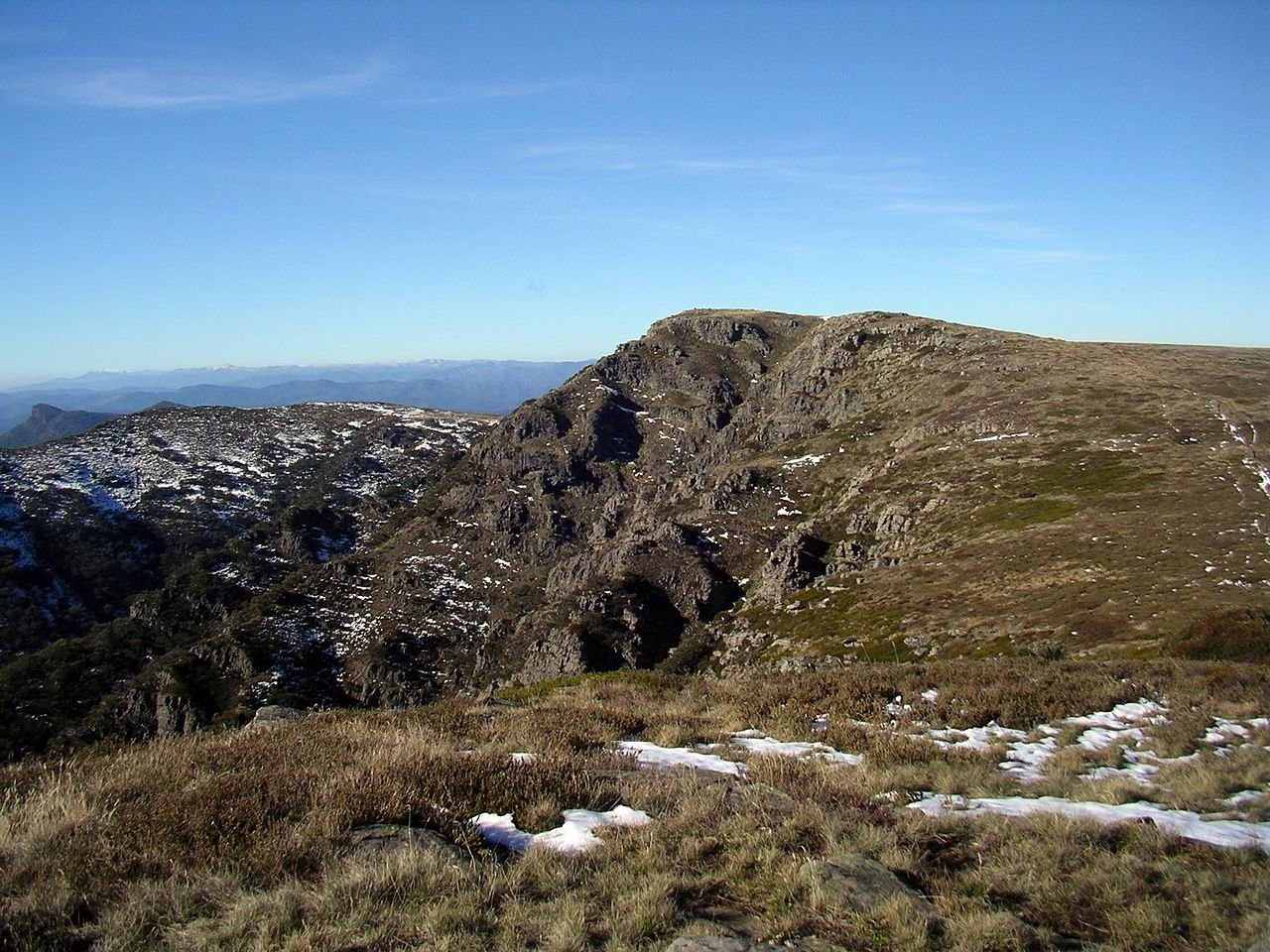
Victorian Alps: Skiing and Alpine Recreation
Victoria’s three ski resorts give Melbourne the easiest run to alpine skiing of any state in Australia — Mount Buller is roughly 3 hours from the city, with Falls Creek and Mount Hotham about 4.5 hours on, and between them the slopes span the full range of ability levels:

- Mount Buller (1,805m summit, 300ha skiable terrain): Victoria’s busiest resort; about 235km (3 hours) northeast of Melbourne; the alpine village keeps year-round accommodation; the Summit Cross-Country circuit lays out 26km of Nordic trails above the resort; summer mountain biking from October
- Falls Creek (1,780m highest lifted point, 450ha skiable terrain): Australia’s most snowfall-reliable alpine resort; village accommodation sits entirely on the snow (no car access in the alpine area); the Bogong High Plains Cross-Country network (32km of groomed trails) is the country’s best Nordic skiing
- Mount Hotham (1,861m summit, 320ha skiable terrain): The highest alpine resort in Victoria; steeper, more advanced runs than Buller or Falls Creek; the interconnected Hotham/Dinner Plain village holds the most distinctive alpine accommodation in the country; the Hotham–Falls Creek Alpine Walking Track (37km) is the state’s premier alpine multi-day hike
Grampians National Park: Rock Art and Sandstone Hiking
The Grampians (Gariwerd) National Park, 3 hours west of Melbourne, is one of Victoria’s standout outdoor destinations — 167,000 hectares of sandstone ranges holding one of the richest collections of Aboriginal rock art in southeastern Australia, plus hiking trails that open onto the state’s best wildflower displays (spring, August–October):
- Pinnacle Lookout (Wonderland Range): about 4.2km return from the Wonderland car park; the sharpest 360-degree view in the Grampians across the Western Plains; rated moderate; the Grand Canyon circuit extension adds rainforest and rock-formation interest
- MacKenzie Falls: Victoria’s largest waterfall; about a 45-minute return walk to the base from the car park (a shorter walk reaches the lookout); open year-round
- Bunjil’s Shelter: The standout Aboriginal rock art site in the Grampians; a large painting of Bunjil (wedge-tailed eagle creator figure) with two dingoes on the cave wall; short walk from the car park near Stawell
- Halls Gap: The park’s main township carries accommodation, restaurants, and a wildlife refuge where Eastern Grey kangaroos graze on the oval at dawn and dusk in their hundreds
Port Phillip Bay and the Mornington Peninsula
Port Phillip Bay’s protected waters open up first-rate water recreation within easy reach of Melbourne’s suburbs:
- Stand-up paddleboarding and kayaking: The bay’s calm conditions and the sheltered coves of the Mornington Peninsula (Sorrento, Portsea, Rye) make for the finest SUP and kayak water in Victoria; dolphin and seal encounters are common in the Sorrento-Portsea channel
- Peninsula Hot Springs (Rye): more than 70 thermal bathing experiences, from hillside pools with Bass Strait views to private thermal bathing suites; Australia’s largest natural hot springs and day spa destination; an essential Mornington Peninsula stop
- Mornington Peninsula wineries: 200+ wineries across the Mornington Peninsula region producing Pinot Noir and Chardonnay; the Red Hill and Main Ridge sub-regions turn out Victoria’s most acclaimed cool-climate wines; cycling the wine trail from Red Hill South is an annual Melbourne weekend ritual
Planning Your Victorian Outdoor Experience
Victoria’s outdoor activities stay open across every season — the Great Ocean Road and surf coast run year-round; the alpine ski resorts (Mount Buller, Falls Creek, Mount Hotham) run June to early October; the Mornington Peninsula wine trails and bay activities peak in summer but hold up well in autumn and spring. The practical planning edge of Victoria is compactness — the coast, bay, and western ranges sit within about 3 hours of Melbourne’s CBD, and the alpine resorts within 4.5 hours. National Parks Victoria’s Parks Pass grants annual access to all state-managed parks and reserves; the Pass pays for itself quickly once you cover several destinations. Mountain biking hire, kayak rental, and guided cycling tours run from the major regional centres, including Queenscliff, Bright, Mansfield, and Torquay — putting equipment-heavy outdoor activities within reach without the transport overhead.
Before You Go: Conditions and Trail Etiquette
The outdoor experiences in this guide reward practical preparation. For wilderness and protected areas, check trail conditions, permit requirements, and seasonal access with the relevant land management authority before you set out — trail closures, fire restrictions, and entry quotas can change quickly, and many high-demand parks now ask for advance reservations that were not needed in previous years. Weather in Victoria turns fast, particularly in mountain terrain and during shoulder seasons; a layered approach with a waterproof outer shell is advisable for most outdoor pursuits whatever the season. For water-based activities — paddling, snorkelling, diving, surfing — check current conditions with local outfitters, who will have the most accurate and up-to-date information. Leave No Trace principles apply throughout: pack out everything you bring in, stay on established trails, give wildlife space, and leave natural features undisturbed for the next visitor.
Frequently Asked Questions
What does the Great Ocean Walk offer and how does it compare to other Australian multi-day hikes?
The Great Ocean Walk (104km, 8-day trail from Apollo Bay to the Twelve Apostles near Port Campbell) ranks among Australia’s best multi-day hiking trails — crossing cliff tops, temperate rainforest, coastal heathland, and ocean beaches with daily accommodation options ranging from designated hiker camps to township accommodation. The trail threads through the Great Otway National Park’s rainforest sections (the Otway Fly Treetop Adventures — a 600m elevated walkway at 25m height in the forest canopy — makes an optional day excursion) before emerging onto the Port Campbell National Park’s rugged limestone sea stacks. The Twelve Apostles, the most photographed natural landmark in Australia, rise up to 50m from the Southern Ocean — and despite the name, erosion has left only seven stacks standing today (collapses in 2005 and 2009 took two of the originals). The Gibson Steps trail (89 steps to the beach) gives the easiest ground-level view. Day sections from the Twelve Apostles visitor area take in the Loch Ard Gorge circuits (1–3km, named for the iron clipper wrecked here in 1878) and the Bay of Islands Coastal Park walks. The Great Ocean Walk is bookable through Parks Victoria and works for self-guided and guided options.
What skiing does the Victorian Alps provide?
Victoria’s alpine ski resorts — Mount Buller, Falls Creek, Mount Hotham, and the smaller Mount Baw Baw — deliver the easiest skiing to reach from Melbourne and make up the most-visited ski region in Australia by skier numbers. Mount Buller (about 235km northeast of Melbourne, 3 hours) is the closest major resort to the city and the busiest in Australia — a village community below the summit with 80km of groomed runs, strong intermediate terrain, and Australia’s most developed ski-village infrastructure. Falls Creek (about 385km from Melbourne, roughly 4.5 hours) has the strongest resort feel of any Victorian ski area — a village closed to traffic (vehicle access to the resort edge only), with ski-in/ski-out accommodation, a Nordic trail network, and the most dependable snowfall in Victoria. Mount Hotham (about 380km from Melbourne, roughly 4.5 hours) is Victoria’s highest major resort (1,861m summit) and holds the toughest expert terrain in the state. The season runs June to early October; snowfall is variable and topped up by snowmaking. Set against Japan, New Zealand, or North America, Victorian skiing is modest in scale but stands out for access and resort atmosphere.
What does the Grampians National Park offer for outdoor recreation?
The Grampians National Park (Gariwerd, 167,000 hectares, 260km west of Melbourne) holds Victoria’s grandest sandstone mountain landscape — ancient Devonian sandstone ranges that trap mist and support extraordinary wildflower diversity (more than 900 plant species, the highest Victorian concentration of endemic plants). The Pinnacle walk (about 4.2km return from the Wonderland car park) climbs to the park’s sharpest viewpoint over the Fyans Valley. The Boroka Lookout (drive-up) frames the definitive Grampians panorama. MacKenzie Falls (Victoria’s largest waterfall, reached on a 45-minute walk from the car park) drops 30m into a tiered pool in a sandstone gorge. Aboriginal rock art (Bunjil’s Shelter and the Billimina Shelter) opens up the most approachable Jardwadjali and Djab wurrung cultural heritage in Victoria. Rock climbing in the Grampians — particularly on the Mt Arapiles area 40km northwest — offers world-class sport and traditional climbing on quartzite faces that have served as a testing ground for Australian climbing for 50+ years.
What coastal kayaking and bay experiences does Victoria offer?
Victoria’s protected waters carry the most accessible sea kayaking in Australia outside Western Australia. Port Phillip Bay — Melbourne’s enclosed bay, 38km wide at its broadest — gives calm-water paddling against a city-skyline backdrop; the bay’s Diving Trail (Clifton Springs to Point Lonsdale) is Victoria’s most diverse cold-water dive site, with temperate reef species including weedy sea dragons (found only in southern Australian and New Zealand waters), leafy sea dragons, and seals at Chinaman’s Hat and Pope’s Eye. The Wilsons Promontory National Park (the southernmost tip of the Australian mainland, about 200km southeast of Melbourne) holds the wildest coastal hiking and kayaking in Victoria — the Oberon Bay, Waterloo Bay, and Sealers Cove walks (needing multiple days and ferry booking to reach the southern promontory campsites) carry visitors through the remotest, most spectacular coastal terrain in the state. Little Penguins (Fairy Penguins) return nightly to Phillip Island’s Penguin Parade (700,000+ visitors annually), Victoria’s most-visited wildlife attraction, 140km southeast of Melbourne.
What High Country mountain biking and horseback riding does Victoria offer?
Victoria’s High Country in the northeast — the Bogong High Plains, the upper reaches of the Murray headwaters, and the alpine areas around Mount Hotham, Falls Creek, and Mount Feathertop — carries Australia’s foremost alpine outdoor experiences beyond skiing. The Australian Alps Walking Track (655km from Walhalla to Tharwa near Canberra) crosses Victoria’s highest terrain through designated wilderness; the Razorback ridge approach to Mount Feathertop (1,922m summit; about 22km return from Diamantina Hut, or 24.5km from Harrietville) is the state’s standout alpine day hike. Mountain biking in the High Country has grown up primarily around Bright (the Mystic and Ovens Trail networks) and Mansfield (Mount Buller’s summer trails, including the Australian Alpine Epic — 100km of singletrack). The Man from Snowy River country around Corryong and Mansfield offers horse trekking through the high country that inspired A.B. “Banjo” Paterson’s poem — guided 5–10 day stock horse expeditions through alpine country run with High Country operators and rank among Australia’s most distinctive outdoor experiences.