Outdoor Activities in New Brunswick 2026: Bay of Fundy, Fundy Trail, and the Acadian Coast
New Brunswick’s outdoor recreation is defined by the Bay of Fundy — the world’s highest tides (up to 16 metres at Hopewell Cape, Burncoat Head, and the inner reaches of Chignecto Bay) that transform the coastline twice daily in a drama of tidal exposure and flooding that has no equal in any other accessible landscape on earth. The province’s outdoor identity extends beyond the Fundy shore to include the Fundy Trail Parkway’s cliff-edge wilderness, the Acadian Peninsula’s warm-water beaches and kayaking, the Appalachian Highlands of the interior, and the Saint John River’s 673km of paddleable waterway from the Quebec border to the Bay of Fundy. New Brunswick is a province where the most extraordinary outdoor experiences — walking on the ocean floor at Hopewell Rocks, kayaking between sea stacks at high tide, hiking the coastal cliffs of the Fundy Trail — are available without the backcountry preparation that equivalent wilderness experiences would require in BC or the Yukon.
The Bay of Fundy: World’s Highest Tides
The Bay of Fundy’s tidal range is the result of a resonance phenomenon between the bay’s natural oscillation frequency and the Atlantic Ocean’s tidal rhythm — a geographic accident that produces the planet’s most extreme tidal cycle:
- Hopewell Rocks Provincial Park: The most visited natural attraction in New Brunswick — the flowerpot rock formations at Hopewell Cape, carved by the Fundy tides from the red Pennsylvanian sandstone of the Minas Basin’s eastern shore; visitors walk on the ocean floor at low tide among the 15-metre rock towers, then kayak between the same formations at high tide; the 6-hour window between low and high tide creates one of the most unusual recreational scheduling requirements of any Canadian attraction
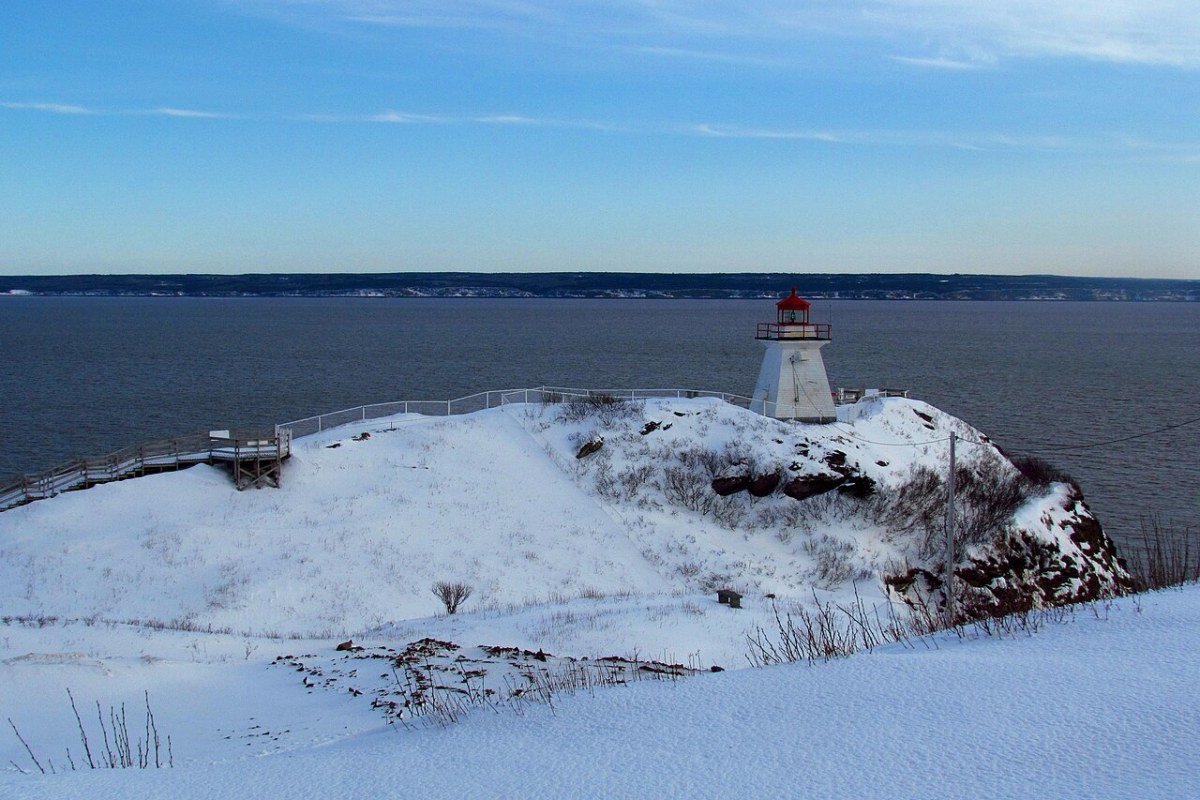
- Cape Enrage: The lighthouse headland on Chignecto Bay south of Hopewell Rocks; rappelling, zip-lining, and kayak tours on the Fundy shore cliffs; the tidal flat exposed at low tide extends 3km seaward; the cape’s interpretive centre provides the geological context for the Fundy’s tidal formation
- Mary’s Point: The internationally significant shorebird staging area on the upper Bay of Fundy; the mudflats exposed at low tide concentrate semipalmated sandpipers and other shorebirds in numbers that peak at 1–2 million birds during the late July–August migration; the Mary’s Point Shorebird Reserve is New Brunswick’s most significant wildlife observation site
- Fundy Biosphere Reserve: The UNESCO Fundy Biosphere Reserve encompasses the upper Bay of Fundy ecosystem, including the Shepody Bay Ramsar wetlands and the Chignecto National Wildlife Area
The Fundy Trail Parkway
The Fundy Trail Parkway — 14km of coastal wilderness road and 41km of multi-use trail on the Bay of Fundy cliffs southeast of Saint John — is New Brunswick’s finest accessible wilderness experience:
- Big Salmon River: The river mouth suspension footbridge (130 metres, accessed via a steep descent trail) leads to the heritage salmon camp heritage site at the river’s edge; the Big Salmon River estuary’s salmon pool is visible from the bridge at low water; the wilderness camping at the river mouth is New Brunswick’s most sought-after backcountry camping reservation
- Melvin Beach and Long Beach: The Fundy Trail’s sea-level beaches, accessible by trail descent from the cliff-top road system; Long Beach provides the finest Fundy shore beach walking in the province, with sea-polished rock formations and the cold, clear waters of the outer Bay
- Seely’s Beach backcountry: The furthest accessible point on the Fundy Trail’s backcountry extension; wilderness camping on a cobble beach below the Fundy cliffs with no road access; accessible only by 20km+ trail from the main entrance
- Cycling and mountain biking: The Fundy Trail’s multi-use trail system accommodates mountain biking on the 41km network; the cliff-top trail sections provide Bay of Fundy views on every significant climb
.jpg?width=1200)
The Acadian Coast and Northumberland Strait
Northeastern New Brunswick’s Acadian Peninsula and Northumberland Strait coastline provides the province’s warmest outdoor recreation — a sharp contrast to the cold Fundy shore:
- Parlee Beach Provincial Park: The Northumberland Strait beach at Shediac is Atlantic Canada’s most popular ocean swimming destination — the shallow, sun-warmed strait reaches 22°C in July and August, the warmest ocean water north of the Carolinas on the Atlantic coast; the beach’s 3km of sand and the Shediac Lobster Festival context (July) make it the province’s most visited summer recreation site
- Miscou Island: The lighthouse at the tip of the Acadian Peninsula; a peat bog nature trail, the warm Chaleur Bay swimming, and the migratory bird concentrations that make Miscou a significant shorebird and raptor watching site in fall; the island’s isolated character and the single-lane bridge access give it a remote feel disproportionate to its distance from Caraquet
- Chaleur Bay sea kayaking: The sheltered waters of Chaleur Bay between the Acadian Peninsula and Quebec’s Gaspé Peninsula provide exceptional sea kayaking — warm water, tidal influence less extreme than the Fundy, and the rugged Gaspé shoreline as backdrop; kayak rentals and guided tours from Bathurst and Caraquet
- Kouchibouguac National Park: The barrier island and lagoon system on the Northumberland Strait south of Miramichi; sea kayaking through the lagoon, cycling on the Bog Trail boardwalk network, and the grey seal colonies on the barrier islands that are viewed by kayak or guided boat tour; the park’s warm lagoon water provides the most distinctive swimming experience in any New Brunswick protected area
Saint John River and Interior Adventures
- Saint John River paddling: The 673km Saint John River from the Maine border to the Bay of Fundy at Saint John provides a complete multi-day paddling corridor through the agricultural heartland of New Brunswick; the river’s broad, lake-like reaches above Fredericton and the Grand Lake system provide flat-water canoe and kayak touring; the reversing falls at Saint John’s harbour mouth mark the dramatic tidal terminus of the journey
- Mount Carleton Provincial Park: The Appalachian Highlands of central New Brunswick; Mount Carleton (820m) is the highest peak in the Maritime provinces; the Sagamook Trail (10km loop) and the summit trail provide wilderness hiking in a subalpine environment unusual for Atlantic Canada; the park’s lake-dotted interior and its designation as a Dark Sky Preserve make it New Brunswick’s premier backcountry destination
- Appalachian Trail extension (IAT): The International Appalachian Trail extends from the US Appalachians through New Brunswick to Quebec’s Gaspé; the New Brunswick section traverses the highlands of the interior, connecting Mount Carleton to the Quebec border through remote boreal forest and ridge terrain
- River Valley Scenic Drive: The Saint John River heritage drive from Edmundston to Sussex follows the river’s agricultural corridor through the Madawaska, Victoria, Carleton, and Queens county valleys — covered bridges (New Brunswick has more covered bridges than any other province, 58 surviving), the Kings Landing Historical Settlement near Fredericton, and the Hartland Covered Bridge (the longest covered bridge in the world at 390m) provide the heritage and scenic context for cycling and driving tourism