New South Wales Travel Guide 2026: Sydney Harbour, Blue Mountains, and Byron Bay
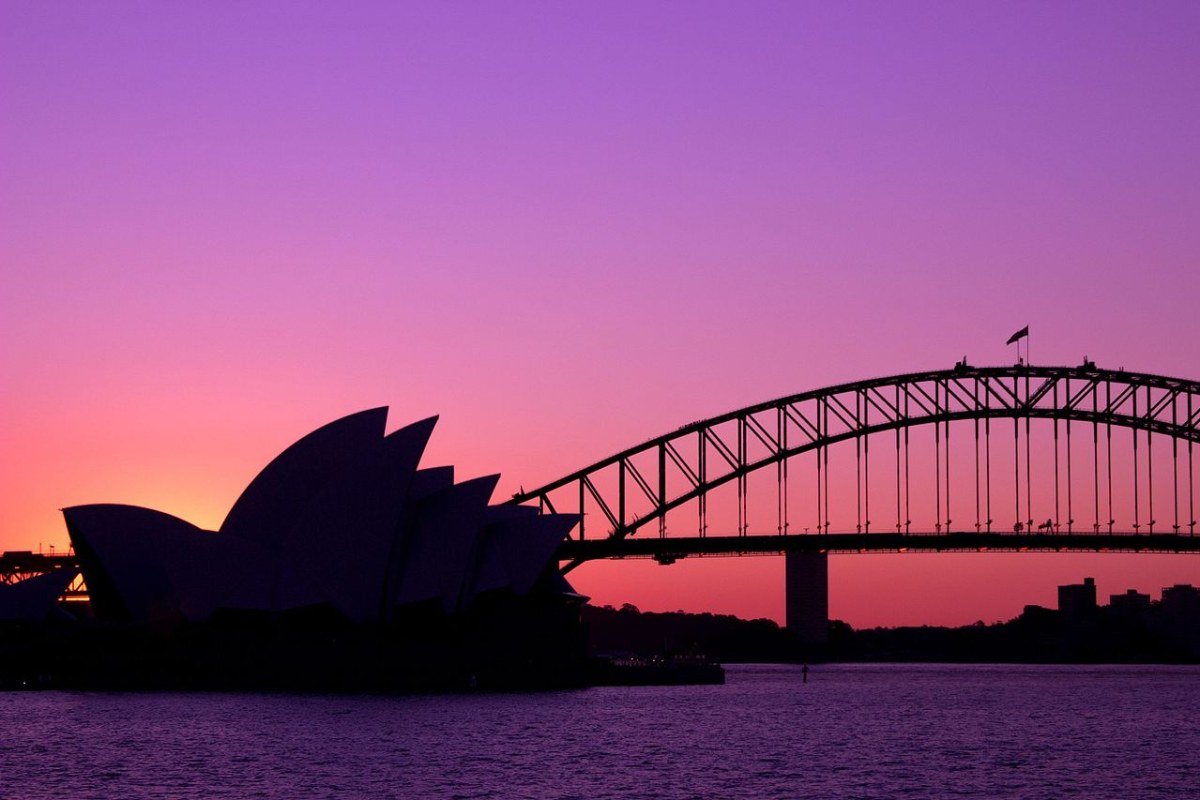
New South Wales is Australia’s most visited state and its most varied — a state that contains Sydney Harbour (the most beautiful urban harbour in the world, framed by the Opera House and the Harbour Bridge in an iconic pairing that has become synonymous with Australia itself), the Blue Mountains’ dramatic sandstone escarpments and eucalyptus-filled valleys two hours from the city, the pristine beaches of Byron Bay at the state’s northern end where the eastern Australian mainland juts furthest into the Pacific, and the wine regions of the Hunter Valley, Orange, and Mudgee that have established New South Wales as one of the world’s premier cool-climate wine destinations. Sydney, the state capital and Australia’s largest city (5.2 million), is the dominant city in the southern hemisphere for finance, arts, and tourism — a genuinely world-class city in a setting of extraordinary natural beauty. Beyond Sydney, New South Wales contains more national parks, World Heritage Sites, and protected wilderness than any state in Australia, from the subtropical rainforests of the Border Ranges on the Queensland boundary to the alpine snowfields of the Snowy Mountains near Victoria.
Sydney: The Harbour City
Sydney Harbour (officially Port Jackson) is the defining feature of Australia’s largest city — a drowned river valley extending 19 kilometres inland from the Heads, with 317 kilometres of shoreline encompassing beaches, coves, headlands, and islands that make the harbour an outdoor recreation landscape as much as a commercial waterway. The Sydney Opera House (Jørn Utzon’s World Heritage-listed masterpiece, one of the 20th century’s greatest buildings) and the Sydney Harbour Bridge (the world’s largest steel arch bridge, the “Coathanger” to locals) frame the view from Circular Quay that has become the most reproduced urban image in the Southern Hemisphere.
Sydney Must-Experiences
- Sydney Harbour Bridge Climb: The 3.5-hour climb to the summit arch (134m above harbour level) provides the most dramatic panorama of the city and harbour; book months in advance for summer weekends
- Sydney Opera House: Tours available daily; evening performances (Sydney Symphony, Opera Australia, Sydney Theatre Company) make the building the venue, not just the spectacle
- Bondi to Coogee Coastal Walk: 6km along the sandstone clifftops from Bondi Beach south through Tamarama, Bronte, and Clovelly to Coogee; the finest urban coastal walk in Australia
- Taronga Zoo: 4,000 animals above the harbour; the ferry from Circular Quay arrives with Harbour Bridge views; the zoo’s sky safari gondola provides animal viewing with the CBD backdrop
Blue Mountains: World Heritage Wilderness Near Sydney
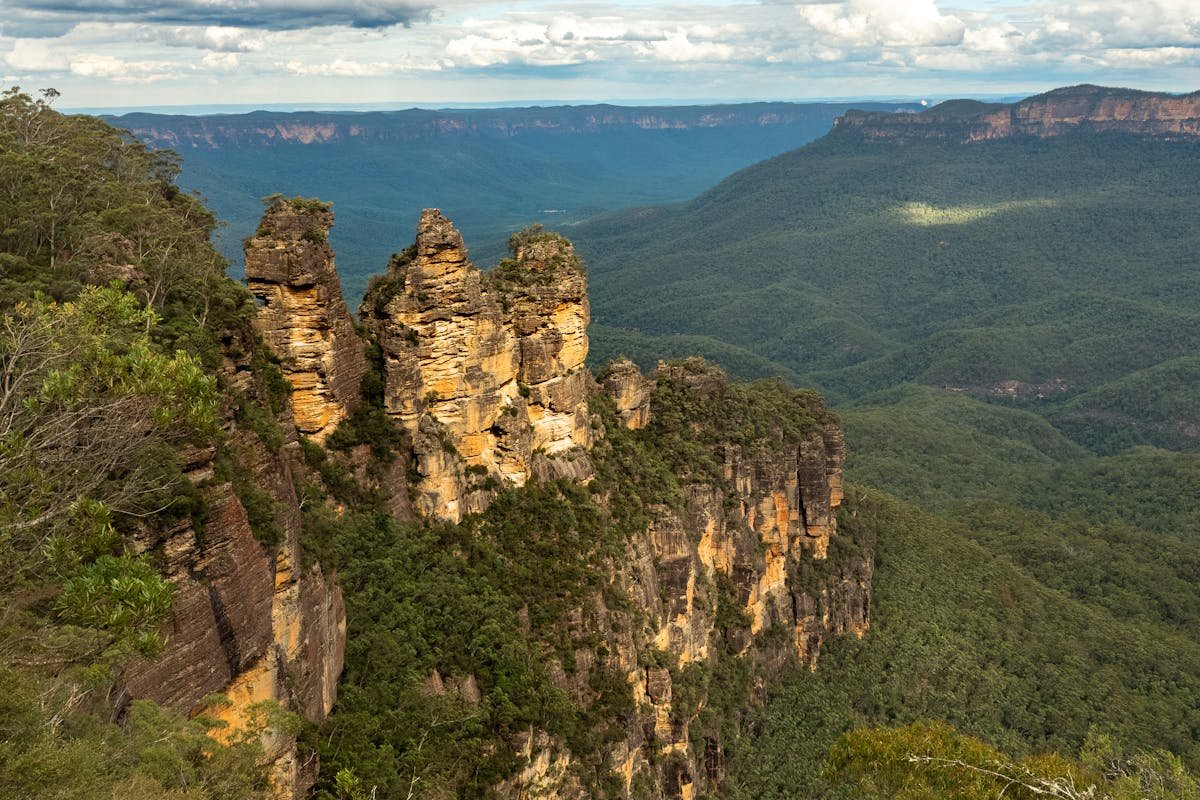
The Blue Mountains, declared a World Heritage Area in 2000 as part of the Greater Blue Mountains Area (1.03 million hectares), begin 65 kilometres west of Sydney and extend through deeply dissected sandstone plateau country to the Lithgow coal valleys beyond. The name derives from the distinctive blue haze of eucalyptus oil vapour that hangs over the valleys — a perpetual atmospheric phenomenon of the world’s largest eucalyptus forests. Katoomba is the mountains’ main town, with Echo Point (the lookout above the Three Sisters sandstone formation and the Jamison Valley) providing the most visited view in the Blue Mountains. The Six Foot Track (45km from Katoomba to Jenolan Caves, 2–3 days) and the Federal Pass Track (through the valley below the Three Sisters) provide the classic walks.
Byron Bay: The Eastern-Most Point
Byron Bay, at the most easterly point of the Australian mainland (Cape Byron lighthouse marks the point), is Australia’s most famous beach town and the anchor of a northern NSW alternative lifestyle culture that has been attracting artists, surfers, wellness seekers, and more recently wealthy relocators from Sydney and Melbourne for decades. The Main Beach and the Pass provide the most consistent surf; the Belongil Beach to the north and Tallows Beach stretching south from the Cape provide more secluded swimming. The Byron Bay Bluesfest (Easter, annual since 1990) is the largest blues and roots music festival in the Southern Hemisphere. The Bangalow, Mullumbimby, and Nimbin hinterland provides the counterculture backdrop that has defined Byron’s identity since the 1970s.
Hunter Valley: Australia’s Oldest Wine Region
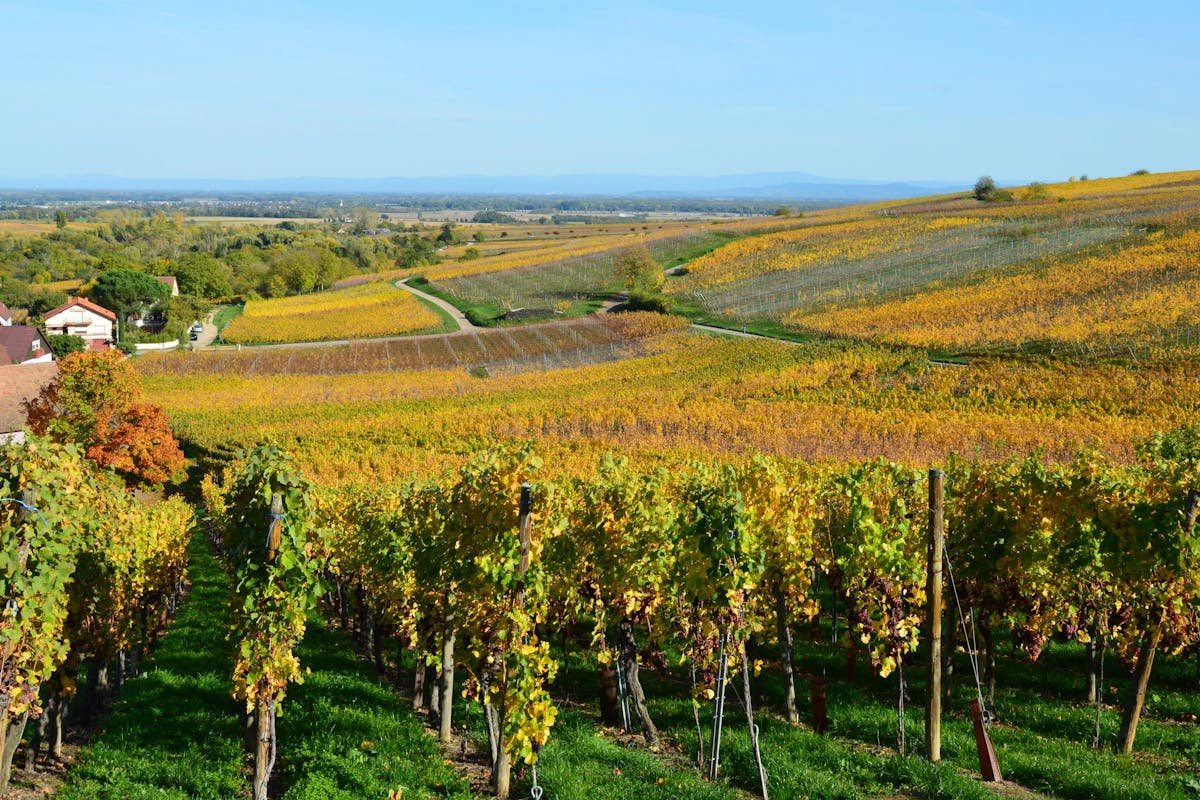
The Hunter Valley, two hours north of Sydney, is Australia’s oldest wine region (commercial production since 1830) and its most visited — 150+ cellar doors, weekend visitors from Sydney filling boutique accommodation, and the region’s signature varieties (Semillon, the world’s finest examples of this grape outside Bordeaux, and Shiraz) providing the tasting experience. The Lower Hunter around Pokolbin concentrates the cellar door density; the Upper Hunter at Muswellbrook and Denman provides more remote wineries with less tourist traffic. The Hunter Valley Gardens (spectacular flowering gardens with a Christmas Lights spectacular from November) and the Hunter Valley Cheese Company anchor the non-wine tourism experience.
Planning Your New South Wales Visit
New South Wales’s geography rewards a multi-centre itinerary — Sydney as the base, with day trips to the Blue Mountains (2 hours west by train), the Hunter Valley (2 hours north by car or bus), and the Royal National Park (1 hour south by train and ferry). The NSW TrainLink network connects Sydney to Byron Bay (10 hours, overnight option), Broken Hill (13 hours, the outback experience), and Canberra (3.5 hours). International visitors planning 7–10 days should consider allocating 3–4 days to Sydney itself (the harbour, the surf beaches, the dining), 2 days to the Blue Mountains, and 2 days to either the Hunter Valley or Byron Bay depending on whether wine country or beach culture is the priority. Spring (September–November) and autumn (March–May) provide the most consistent weather across the state’s diverse regions.
Getting the Most Out of Your Visit
A few practical points that will improve any trip to New South Wales. Book accommodation and major attractions — particularly national parks, popular hiking trails, and well-known restaurants — as far in advance as possible; the most desirable options can fill weeks or months ahead, especially in peak season. Having a car provides the most flexibility for exploring beyond the main centers, and most of New South Wales’s most rewarding experiences are in places not easily reached by public transport. The best local knowledge is often found in regional visitor centers, independent bookshops, and by talking to residents — the most memorable discoveries on any trip are rarely the ones in the guidebooks. Allocate more time than you think you need: New South Wales consistently rewards travelers who slow down and explore in depth rather than trying to cover maximum ground in minimum time.