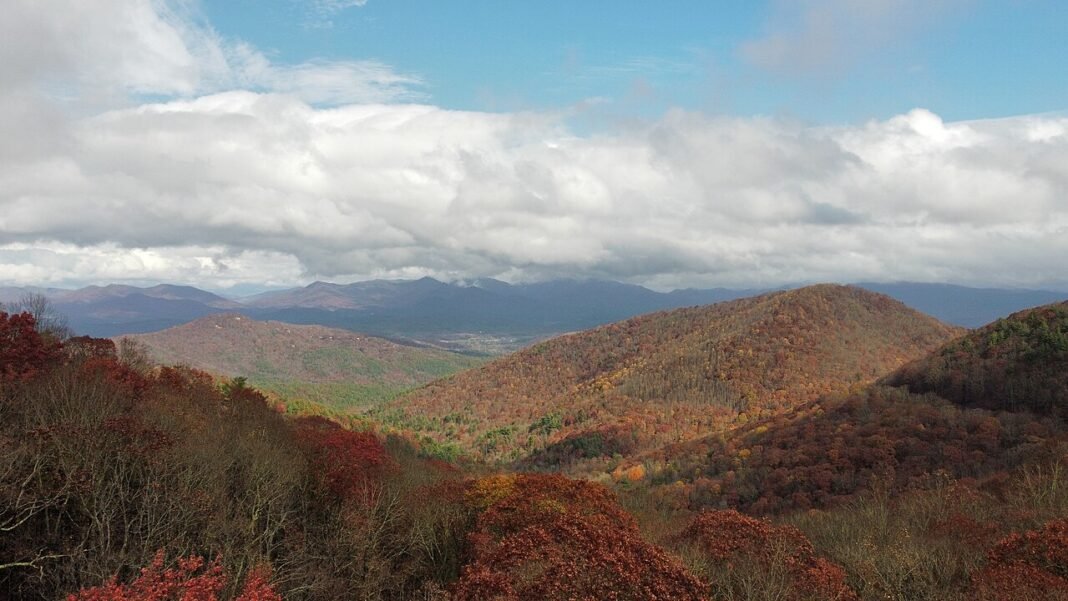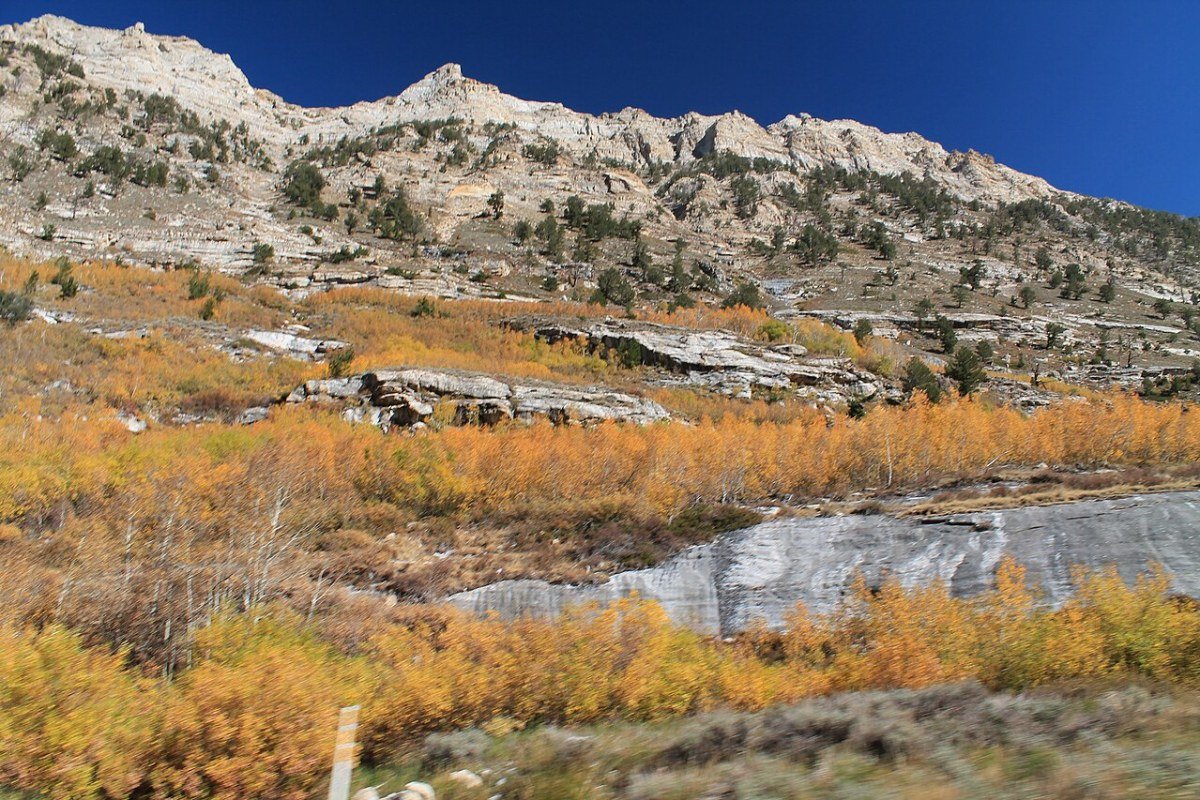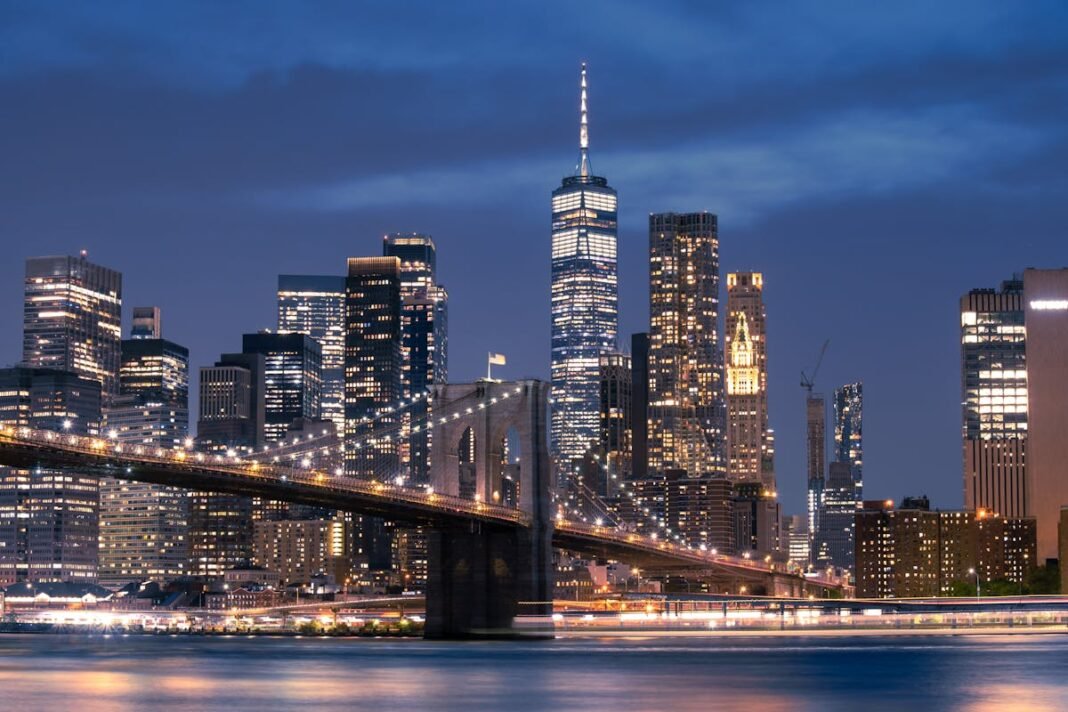
New York State’s residential choices span a range that few states can match — from Manhattan’s incomparable urban density to the rural valleys of the North Country, from the vineyard communities of the Finger Lakes to the Hamptons’ ocean beach culture to the mountain villages of the Adirondacks. The primary landing spot for most people moving to New York is the New York City region — where the boroughs and the suburban communities reachable by commuter rail define a metropolitan market that itself contains more residential variety than most states. For households who have chosen upstate New York, the decision among Buffalo, Rochester, Albany, and the smaller cities turns on different employment landscapes, cultural infrastructures, and natural recreation access points. Both paths lead to communities of genuine quality.

1. Park Slope, Brooklyn — The Family Borough
Park Slope runs along the western edge of Prospect Park between Flatbush Avenue and the park boundary, and it stands as the most family-oriented and community-rooted neighborhood in the New York City boroughs. This is a brownstone district of extraordinary architectural consistency — the streets between Flatbush and Prospect Park West, particularly the Third and Fourth Street blocks, hold some of the finest brownstone rows in the United States. An active community board, competitive public school options (P.S. 321 on 7th Avenue ranks among the most sought-after elementary schools in Brooklyn), and the 526-acre Prospect Park (Frederick Law Olmsted’s self-described masterpiece, which he preferred to Central Park) together create a neighborhood that holds its character against the relentless pressure of gentrification and real estate appreciation.
Park Slope’s housing costs reflect that desirability — single-family brownstones run $2 million–$4.5 million for the most coveted properties; co-op apartments run $600,000–$1.5 million for one to three-bedroom units. The adjacent districts of Carroll Gardens (more Italian-American in character, with Federal-era row houses), Cobble Hill, and Gowanus (industrial fabric transforming to residential and retail) offer modestly more accessible alternatives within the same subway orbit. The F, G, and R subway lines reach Midtown Manhattan in roughly 30–40 minutes.
2. Upper West Side, Manhattan — Cultural Density
The Upper West Side — the Manhattan neighborhood running from Central Park West to Riverside Drive between 59th and 110th Streets — is the borough’s most established intellectual and cultural residential community. This is the home of Lincoln Center, the American Museum of Natural History, Columbia University’s satellite programs, the Zabar’s gourmet food institution, and the literary culture that made Riverside Drive one of the most storied addresses in American history. The concentration of prewar apartment buildings (many built in the 1920s–1940s, with layouts, proportions, and detail unmatched in the postwar housing stock) along Central Park West, West End Avenue, and Riverside Drive delivers the finest residential architecture available in Manhattan, at prices that are high but not the absolute peak of the borough.
Upper West Side apartment rentals run $3,500–$6,000 monthly for one-bedroom prewar units; co-op purchase prices range from $800,000–$2 million for one and two-bedroom homes, while the largest and most prestigious prewar buildings — the Ansonia, the Apthorp, the Belnord, and the Beresford — reach $4 million–$15 million for full-floor and duplex apartments. Direct entry to Central Park (from 65th to 110th Street along the western boundary), to Riverside Park (four miles of Hudson River waterfront), and to the Broadway subway line (express to Midtown in 10–15 minutes) gives the neighborhood the strongest combination of urban amenity and green space in Manhattan.

3. Elmwood Village, Buffalo — The Affordable Alternative
Elmwood Village stretches along Elmwood Avenue between Forest Avenue and North Street, next to Delaware Park, and it forms the cultural heart of western New York’s most interesting city. The neighborhood is walkable and mixed-use — Victorian architecture, independent restaurants, the Elmwood strip of galleries and boutiques, and Frederick Law Olmsted’s Delaware Park, the centerpiece of Buffalo’s Olmsted park system. That system is the most complete surviving Olmsted network in the United States: Olmsted designed six parks and eight parkways in Buffalo, now being restored by the Buffalo Olmsted Parks Conservancy. The full walkable urban experience arrives here at prices that leave New York City residents genuinely incredulous. Single-family Victorian homes on the side streets of Elmwood Village run $280,000–$500,000; the most desirable historic properties near Delaware Park reach $550,000–$750,000.
Buffalo’s cultural renaissance has drawn national attention — the Buffalo AKG Art Museum’s $230 million expansion, completed in 2023 (which made it one of the finest contemporary art museums in the Northeast), the Canalside waterfront development at the Erie Canal terminus, and the expanding restaurant and bar scene of the Allentown neighborhood next to Elmwood Village. That momentum has pulled in a growing population of remote workers and young professionals who recognize the rare mix of affordability, urban quality, and outdoor access that Buffalo offers. Property taxes in Buffalo proper sit above the national average (as across upstate New York cities) yet remain modest in absolute terms given the low housing prices.
4. Beacon — Hudson Valley Remote Worker Haven
Beacon, the Hudson River city of roughly 15,000 residents in Dutchess County 60 miles north of Manhattan, has become the emblematic Hudson Valley relocation destination for New York City professionals — a former mill town reshaped around the Dia Beacon contemporary art museum (a 300,000-square-foot converted Nabisco box-printing plant holding one of the finest collections of postwar and contemporary art in the world) and the Main Street retail and restaurant corridor that grew in its wake. The Metro-North Hudson Line connects Beacon to Grand Central Terminal in roughly 80 minutes — a manageable occasional commute for remote workers who need to appear in the city weekly rather than daily — which makes Beacon the preferred base for households who want Hudson Valley life with a maintained New York City connection.
Beacon’s housing costs have climbed sharply since 2018 — median single-family home prices of $400,000–$600,000 for the Victorian and Craftsman homes in the hillside neighborhoods above the Main Street corridor, with the most desirable properties near the waterfront or with Hudson River views reaching $800,000–$1.2 million. The appreciation has been driven by exactly the remote-work-enabled buyers who name Beacon as their destination, creating a self-reinforcing cycle of demand and price that has made the city markedly more expensive than comparable Hudson Valley communities of a decade ago. Newburgh, directly across the Hudson and reachable by ferry, opens up the Beacon lifestyle at median prices of $250,000–$380,000, in a community with greater socioeconomic diversity and a street grid of 19th-century architecture that rivals Beacon’s own historic stock.
5. Ithaca — College Town Character
Ithaca sits at the southern end of Cayuga Lake in the Finger Lakes, where Cornell University and Ithaca College together create one of the most intellectually and culturally dense small cities in New York. It delivers the state’s best college-town residential experience — a city of roughly 32,000 (with some 30,000 university students swelling the population during academic terms) where the Farmers Market on the Steamboat Landing (one of the finest outdoor markets in the Northeast), the Moosewood Restaurant (the influential vegetarian kitchen that helped define American natural food culture since 1973), the gorges and waterfalls of the surrounding Finger Lakes watershed, and the programming of two major universities combine into a quality of life remarkable for a place of this size. The Ithaca Commons pedestrian mall, the Sciencenter museum, and the Herbert F. Johnson Museum of Art at Cornell (a Gordon Bunshaft building of real architectural merit, with an important permanent collection) round out the city’s institutional anchors.
Ithaca housing comes in below New York City but well above the other upstate cities — the university employment base, the professional households that academic institutions attract, and the natural draw of the Finger Lakes push median home prices to $300,000–$500,000 for single-family homes in desirable neighborhoods near the campus and the Cayuga lakeshore. The surrounding towns of Trumansburg, Newfield, and Dryden hold more affordable alternatives at $200,000–$320,000 for households willing to commute into the Ithaca core.
Frequently Asked Questions
What makes Park Slope the most family-oriented neighborhood in the New York City boroughs?
Park Slope, running along the western edge of Prospect Park in Brooklyn, is the most community-rooted and family-oriented neighborhood in the New York City boroughs — a brownstone district of extraordinary architectural consistency where P.S. 321 on 7th Avenue ranks among the most sought-after elementary schools in Brooklyn and the 526-acre Prospect Park (Frederick Law Olmsted’s self-described masterpiece, which he preferred over Central Park) provides recreational space of the highest order. Single-family brownstones on the most desirable blocks run $2 million to $4.5 million; co-op apartments range from $600,000 to $1.5 million for one to three-bedroom units. The F, G, and R subway lines reach Midtown Manhattan in roughly 30–40 minutes. Adjacent neighborhoods — Carroll Gardens, Cobble Hill, and the transforming Gowanus industrial district — offer somewhat more accessible alternatives within the same subway orbit.
What makes the Upper West Side Manhattan’s most established intellectual and cultural residential community?
The Upper West Side — running from Central Park West to Riverside Drive between 59th and 110th Streets — is the borough’s most established intellectual and cultural residential community: the home of Lincoln Center, the American Museum of Natural History, Columbia University’s satellite programs, and the prewar apartment buildings along Central Park West, West End Avenue, and Riverside Drive that offer architectural quality unmatched in Manhattan’s postwar housing stock. Apartment rentals run $3,500 to $6,000 monthly for one-bedroom prewar units; co-op purchase prices range from $800,000 to $2 million for one and two-bedroom homes, with prestigious prewar buildings (the Ansonia, the Apthorp, the Belnord, and the Beresford) reaching $4 million to $15 million for full-floor apartments. Direct entry to Central Park’s western boundary and to Riverside Park’s four miles of Hudson River waterfront gives the neighborhood the strongest combination of urban amenity and green space in Manhattan.
What has driven Buffalo’s Elmwood Village to become one of the most compelling affordable urban neighborhoods in the Northeast?
Elmwood Village, stretching along Elmwood Avenue next to Frederick Law Olmsted’s Delaware Park, delivers the full walkable urban experience at prices that astonish New York City residents — single-family Victorian homes run $280,000 to $500,000; the most desirable historic properties near Delaware Park reach $550,000 to $750,000. Olmsted designed six parks and eight parkways in Buffalo, creating the most complete surviving Olmsted park system in the United States, now being actively restored by the Buffalo Olmsted Parks Conservancy. Buffalo’s cultural renaissance has accelerated this appeal: the Buffalo AKG Art Museum completed a $230 million expansion in 2023, making it one of the finest contemporary art museums in the Northeast. The Canalside waterfront development at the Erie Canal terminus, the Allentown neighborhood restaurant and bar scene next to Elmwood Village, and a growing remote worker and young professional population have made Buffalo one of the most discussed affordable urban relocation destinations in the country.
What makes Beacon the emblematic Hudson Valley destination for New York City remote workers?
Beacon, 60 miles north of Manhattan in Dutchess County, has become the primary Hudson Valley relocation destination for New York City professionals — a former mill town reshaped by the Dia Beacon contemporary art museum (a 300,000-square-foot converted Nabisco box-printing plant holding one of the finest collections of postwar and contemporary art in the world) and the Main Street restaurant and retail corridor that grew around it. Metro-North Hudson Line service connects Beacon to Grand Central Terminal in roughly 80 minutes, which makes it viable for remote workers who commute occasionally rather than daily. Median single-family home prices of $400,000 to $600,000 for the Victorian and Craftsman homes above Main Street reflect sharp appreciation since 2018, driven by exactly the remote-work-enabled buyers who continue to choose Beacon. Newburgh, directly across the Hudson and reachable by ferry, opens up more affordable access at $250,000 to $380,000 with comparable historic architecture.
What does Ithaca offer as a college-town residential environment in the Finger Lakes?
Ithaca, at the southern end of Cayuga Lake, provides New York’s finest college-town residential experience — a city of roughly 32,000 (swelled by some 30,000 students from Cornell University and Ithaca College during academic terms) where the Farmers Market at Steamboat Landing (one of the finest outdoor markets in the Northeast), the Moosewood Restaurant (influential in defining American natural food culture since 1973), the gorges and waterfalls of the Finger Lakes watershed, and the programming of two major universities combine into a quality of life remarkable for a community of this size. The Herbert F. Johnson Museum of Art at Cornell (a Gordon Bunshaft building with an important permanent collection) adds another anchor. Median home prices of $300,000 to $500,000 reflect the university employment base and Finger Lakes natural draw. Surrounding towns — Trumansburg, Newfield, and Dryden — offer more affordable alternatives at $200,000 to $320,000.