Moving to the Northwest Territories 2026: What to Know Before Relocating to Canada’s North
Moving to the Northwest Territories is not a casual decision — it is a commitment to a lifestyle, a climate, and a pace of life that differ from southern Canada in ways that cannot be fully prepared for by reading about them. The NWT attracts two categories of newcomer: those who arrive for a defined professional purpose (a government posting, a mining contract, a teaching assignment) with a clear timeline and financial goal, and those who arrive open-ended, drawn by the north’s reputation for wildness, community, and a way of life that feels authentically different from the urban south. Both types find what they came for if they approach the territory with realistic expectations about its realities — the cold, the cost, the isolation, and the extraordinary beauty of a landscape that has no equivalent in Canada. The key to a successful NWT relocation is preparation: understanding what the territory demands before you arrive puts you in the position to appreciate what it offers from your first week in-territory.
The NWT Climate: Preparing for Subarctic Winters
Yellowknife’s climate is the defining reality of NWT life — continental subarctic, with winters that are long, extremely cold, and (thanks to the clear continental air mass) almost always sunny. Understanding Yellowknife’s weather is the non-negotiable first step in any NWT relocation plan.
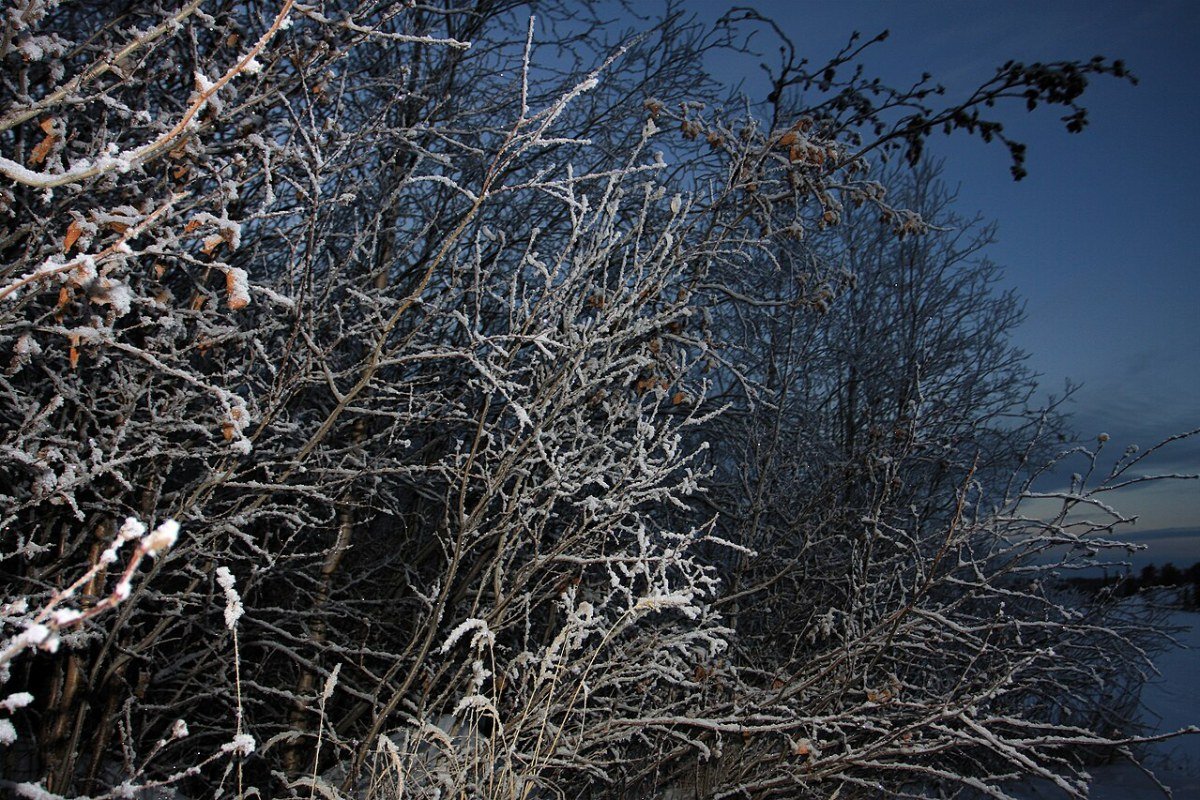
- Winter (November–March): Average temperatures range from -20°C to -30°C; extreme cold events of -40°C to -45°C (with or without wind chill) occur multiple times per winter. The coldest January days in Yellowknife reach -50°C with wind chill. Despite the cold, the winter is typically very dry (low humidity makes the cold more tolerable than equivalent temperatures in a humid maritime climate) and extremely sunny — Yellowknife receives more winter sunshine hours than most Canadian cities, a fact that residents cite frequently as a quality-of-life advantage over the dark, grey winters of Vancouver or Ottawa
- Spring (April–May): The transition from winter to summer is abrupt — April is still deeply cold (-10°C to -20°C), but May brings rapid warming, the breakup of Great Slave Lake’s ice (a dramatic event that usually occurs in late May or early June), and the beginning of the midnight sun. The spring breakup on Great Slave Lake closes the winter ice road and opens the shipping season
- Summer (June–August): Yellowknife summers are warm and long-daylight, with 24-hour daylight from late June (the midnight sun) shading to 18–20 hours of daylight through July and August. Average summer temperatures of 18–22°C and occasional highs of 30°C+ make Yellowknife summers genuinely warm. The black fly and mosquito season (late May through July) is intense; DEET and head nets are standard equipment for any outdoor activity
- Fall (September–October): September brings the first frosts and the spectacular fall colour of the boreal forest (gold tamarack, orange birch, red bearberry); the first significant snow comes in October. The aurora season begins when nights are long enough to see the display — typically from late August
.jpg?width=1200)
Essential Equipment for NWT Life
The equipment list for NWT life is longer and more specific than for anywhere in southern Canada:
- Vehicle: A reliable all-wheel-drive or four-wheel-drive vehicle with winter tires is non-negotiable in Yellowknife. The city has no public transit; most residents drive year-round. A block heater (standard on new vehicles sold in the NWT) and a remote starter are practical necessities; battery blankets, oil pan heaters, and winter survival kits (sleeping bag, candles, high-energy food, jumper cables) complete the winter vehicle setup
- Winter clothing: True Arctic-rated outerwear — not “Canadian” winter clothing from a southern city, but genuine subarctic equipment rated to -40°C or colder. A quality parka (Canada Goose, Arc’teryx, or a military-surplus extreme cold parka), insulated snow pants, fur-trimmed or windproof hood, wool base layers, and pac boots (Sorel or Baffin rated to -70°C or colder) are the minimum. Wool or synthetic mid-layers for the transition between heated indoor spaces and outdoor cold are daily-use items
- Snow removal: If renting or owning a property, a quality snow blower and the willingness to use it regularly (Yellowknife receives significant snowfall, and the short subarctic days mean clearing snow in the dark) are part of the home ownership responsibility
- Outdoor recreation equipment: Most Yellowknife residents accumulate a collection of outdoor equipment specific to the subarctic — cross-country skis, a snowmobile (skidoo) for lake travel and backcountry access, ice fishing gear, and a canoe or kayak for summer use. This equipment is an investment that pays dividends in quality of life throughout the year
Employment and Career Opportunities
The NWT’s employment market is concentrated and well-compensated — understanding where the jobs are before relocating is critical, as the territory’s small size means the employment market is thin and specific:
- Government of the Northwest Territories (GNWT): The territorial government is the primary employer. The GNWT recruits regularly for positions in health (nurses, physicians, allied health professionals), education (teachers, educational assistants), social services, and public administration. The GNWT website’s jobs portal is the primary recruitment channel; positions in smaller communities include additional northern allowances and isolated post benefits
- Federal government: Federal departments (Indigenous and Northern Affairs Canada, RCMP, courts, Parks Canada) maintain Yellowknife presences and recruit from the federal public service system. RCMP officers transferred to the NWT receive significant isolated post allowances and northern exposure
- Diamond mining: The Ekati and Diavik diamond mines (both operational as of 2026) provide fly-in/fly-out employment for several thousand workers. Mine-related employment (skilled trades, engineering, environmental monitoring, community affairs) is recruited through the mine operators’ websites and through Yellowknife employment agencies. Fly-in/fly-out schedules allow workers to live anywhere during off-rotation periods
- Health sector: The NWT faces chronic health workforce shortages. Nurses (RN, NP, LPN), physicians (particularly family physicians willing to work in remote communities), and allied health professionals (physiotherapists, occupational therapists, pharmacists) are actively recruited. Health professionals in the NWT receive above-average compensation, northern allowances, and the opportunity for a scope of practice significantly broader than in southern Canada’s specialist-heavy systems
- Teaching: The NWT’s school districts (Yellowknife Education District 1, Yellowknife Catholic Schools, and the NWT-wide public school system for smaller communities) recruit teachers annually. Teaching in an NWT small community offers a scope of experience — teaching multiple grade levels, working with Indigenous students and cultures, contributing to a small tight-knit community — that is unlike anything available in southern Canadian school districts
Housing: Finding a Place to Live
Finding housing before arriving in the NWT is important but challenging — the Yellowknife rental market is small and moves quickly, while small communities outside Yellowknife often have no private rental market at all (housing is supplied by the employer or by the NWT Housing Corporation).
- Yellowknife rentals: Facebook Marketplace and Kijiji are the primary platforms for Yellowknife rental listings. The territorial government and major employers maintain lists of rental contacts for incoming employees. Short-term furnished accommodations (executive suites, extended-stay hotels like the Chateau Nova) are available for the first weeks while longer-term housing is arranged; budget $2,500–$4,000/month for furnished short-term accommodation
- Employer housing in small communities: In communities outside Yellowknife, teachers, nurses, and government workers are typically provided employer-supplied housing — a unit in a government or school district housing block, at a subsidized rent well below market rate. This is a significant benefit: a teacher in a small NWT community may pay $400–$600/month for housing that would cost $2,000+ in Yellowknife
- NWT Housing Corporation: The NWTHC manages social housing across the territory. Non-indigenous newcomers to the NWT are generally not eligible for NWTHC housing; however, the corporation’s housing developments anchor the residential fabric of most NWT communities outside Yellowknife
Community, Culture, and Social Life
Newcomers to the Northwest Territories consistently cite community as the aspect of NWT life that surprises them most positively. The territory’s small population creates a social cohesion rare in southern Canadian urban environments — neighbours know each other, community events draw most of the population, and the shared experience of living in a challenging subarctic environment creates bonds between residents that are difficult to replicate elsewhere.
The Indigenous cultural presence in the NWT — Dene, Inuit, and Métis cultures that have shaped the territory’s identity for thousands of years — is not a background feature but a living, present reality. Newcomers who approach Indigenous cultures with curiosity and respect find that the NWT’s cultural richness is as significant as its natural richness. Learning basic phrases in Dene or Inuktitut, participating in community events, and understanding the land claims and self-government processes that govern much of the territory’s political landscape enriches the NWT experience immeasurably.
The practical advice most NWT newcomers offer to those considering the move: come with an open mind, invest in outdoor equipment immediately, say yes to every community invitation in the first six months, and give yourself a full year before evaluating whether the north is for you. The first winter is always the hardest; by the second winter, most residents have found their rhythm and can no longer imagine returning to the urban south.