

Prince Edward Island’s outdoor recreation grows out of the island’s geography — the red iron-oxide sand beaches of the north shore, the warm Gulf of St. Lawrence waters, the rolling farm country threaded by the Confederation Trail, and the coastal cliffs and dunes of the national park. PEI is not wilderness. With more than 80% of its land under agriculture or development, it is one of the most cultivated places in Canada, yet the result reads as a working pastoral landscape rather than a tamed one — potato fields running to the horizon, tidal inlets and estuaries, the red sandstone cliffs of the south shore, and beach-grass dunes along the north. What sets the island apart is how little the recreation asks of you: the beaches need nothing but a towel, the Confederation Trail stays flat enough for any cyclist, and the paddling on the sheltered bays and tidal rivers suits a first-timer. Warm summer water, safe and varied cycling routes, and a string of productive estuaries for birding and kayaking together make PEI one of Atlantic Canada’s most rounded seasonal outdoor destinations.
Beaches and Ocean Swimming
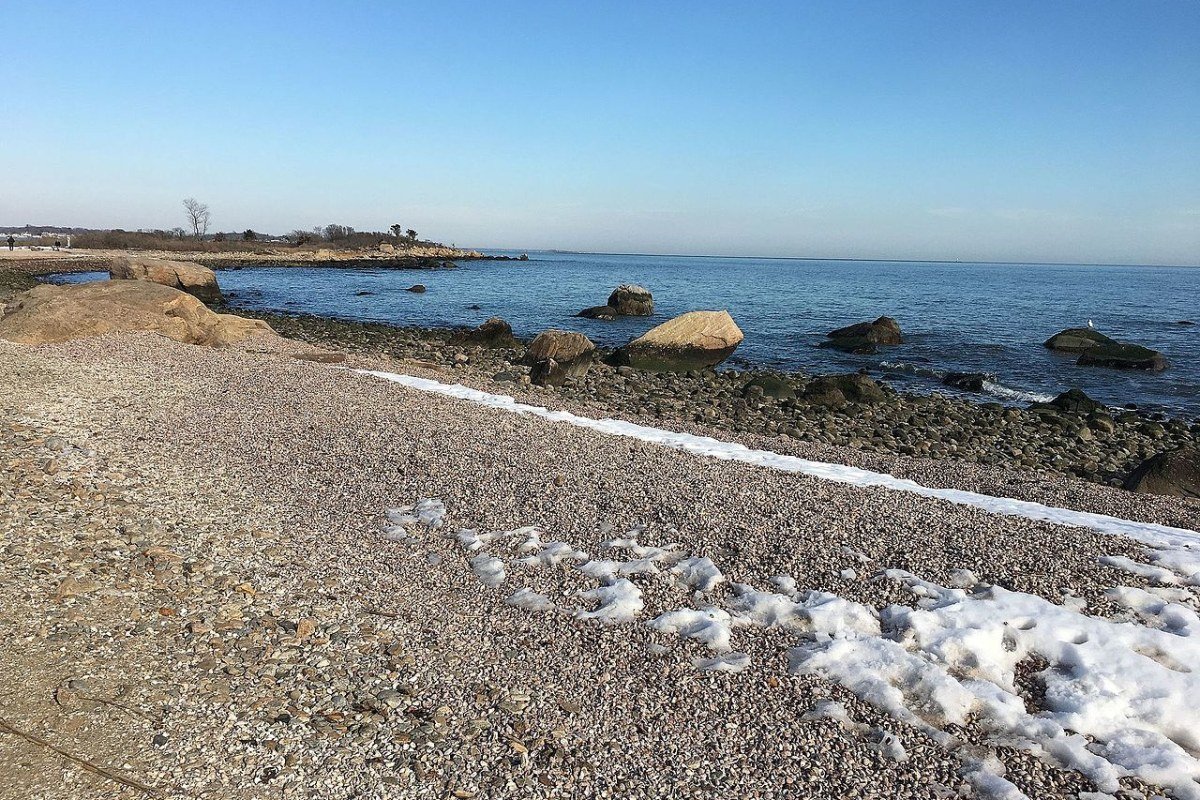
- Prince Edward Island National Park beaches: The park runs roughly 60km along the north shore between Cavendish and Dalvay and protects the island’s best beaches: Cavendish Beach (the busiest, backed by the marram-grass dunes and the Gulf Shore Parkway), Brackley Beach (quieter, good for families), Stanhope Beach (the gentlest water in the park, easy for small children), and North Rustico (the way in to the bay estuary for birding). Gulf of St. Lawrence water reaches 20–22°C in July and August — among the warmest ocean swimming in Canada outside of BC’s sheltered coastal inlets
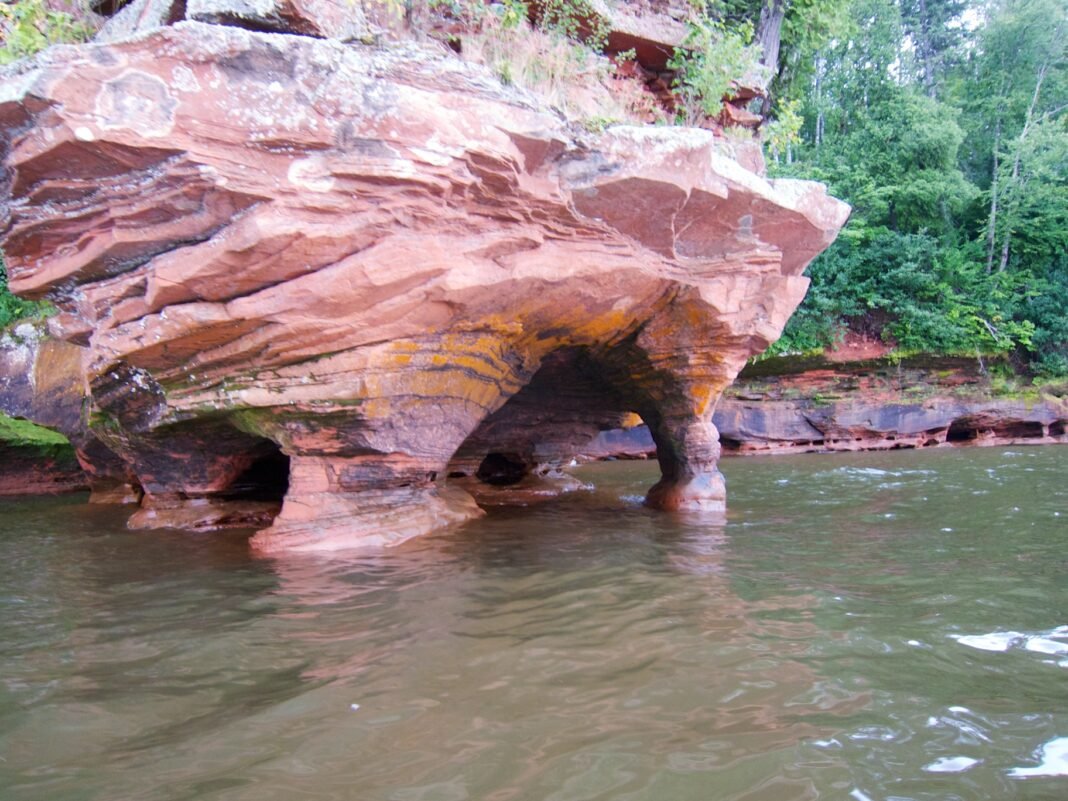
- Red sand cliffs of the south shore: Basin Head Provincial Park (“the singing sands,” where the quartz squeaks underfoot), Panmure Island Provincial Park, and the red sandstone bluffs around Wood Islands hold the island’s most striking coastal scenery; the south shore’s Northumberland Strait runs calmer and shallower than the open gulf on the north side
- Cedar Dunes Provincial Park: The west end’s quietest beach. Its dunes, the working West Point Lighthouse (which doubles as an inn), and the thin crowds compared with the national park make Cedar Dunes the island’s best-kept stretch of coast

The Confederation Trail
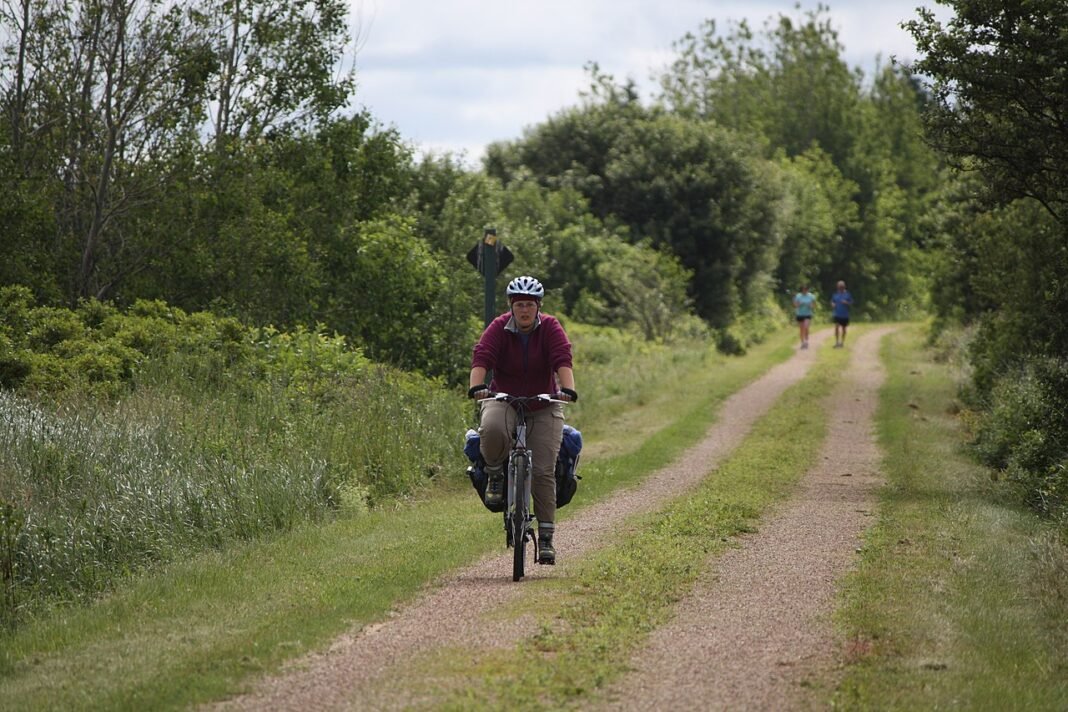
The Confederation Trail — 449km of multi-use trail laid on the bed of PEI’s former railway — is Prince Edward Island’s signature piece of outdoor infrastructure and one of the finest rail-trails in Canada:
- Main trail (Tignish to Elmira): The tip-to-tip route runs 273km from the island’s western tip to its eastern tip, with branch trails carrying the full network to 449km. The old railway bed keeps a smooth crushed-limestone surface and barely any grade — railways needed gentle slopes — so the riding stays easy through the agricultural heartland, past potato fields, red soil cuts, and the occasional tidal inlet
- Charlottetown connector: A spur ties the trail into Charlottetown’s urban cycling network through the Trans-Canada Trail corridor; the Capital Trail links it to the waterfront and the Hillsborough River greenway
- Cycling inn-to-inn: The PEI Cycling Trail Inn-to-Inn network handles luggage transfers, accommodation, and route support for multi-day island crossings; the 5–7 day east-to-west ride is the island’s flagship cycling trip
- On-road cycling (Route 1 corridor): Riders who prefer pavement can follow the secondary provincial roads that parallel the trail, trading the crushed stone for tarmac and reaching small communities the rail-bed bypasses
Kayaking and Water Activities
- Malpeque Bay kayaking: This sheltered tidal bay on the north shore’s western end — Canada’s most productive oyster bay — makes for calm flat-water sea kayaking among oyster lease buoys, sandbars, and the tidal channels of the inner reaches; the MacNeill’s Brook Heritage Conservation Area on the eastern shore adds a wildlife stop to the paddling circuit
- North Rustico Harbour kayaking: The harbour’s tidal inlet, sandbar, and the approaches to the national park’s barrier beach give sheltered water close in and a route out to the open gulf for stronger paddlers; village operators rent kayaks and run guided tours
- Stand-up paddleboarding: The island’s many sheltered bays and the calmer north shore beaches turn glassy on summer mornings, ideal for SUP; rentals come from several Cavendish and North Rustico operators
- Deep-sea fishing: Charter boats out of Northport, Charlottetown, and Murray Harbour run mackerel trips that anyone can join; the bluefin tuna season from Northport (autumn) puts paying anglers onto 300–600kg Atlantic bluefin, one of the few places on Earth where a recreational boat targets giant tuna
Golf and Land Activities
- Golf capital of Canada: PEI has more golf courses per capita than any other Canadian province — more than 25 on an island of 170,000 people. The marquee courses (The Links at Crowbush Cove, Brudenell River, Dundarave, Glasgow Hills) play as links-style coastal golf with Gulf of St. Lawrence views, and the multi-course packages run by Charlottetown operators are the island’s biggest non-beach tourism draw
- Horseback riding: Generations of farming and a landscape full of working farms have kept a steady trail-riding scene alive; outfitters in the Cavendish and Georgetown areas lead riders through the rolling farmland and along coastal paths for a ride that feels particular to the island
- Birding: PEI’s tidal estuaries and the national park’s dunes hold rich shorebird and waterfowl habitat. The Hillsborough Bay Important Bird Area in Charlottetown’s harbour, the Cape Jourimain National Wildlife Area just across the bridge in New Brunswick, and the Greenwich Dunes in the park’s eastern section are the main sites; spring (May) and autumn (August–September) migrations pack the mudflats with shorebirds in numbers that approach the upper Bay of Fundy’s better-known gatherings
- Winter cross-country skiing and snowshoeing: The flat terrain and the Confederation Trail’s groomed winter sections open easy cross-country skiing out of Charlottetown’s west-end communities; snowshoeing across the provincial park’s dunes shows the north shore from an angle no summer beach day ever does
Frequently Asked Questions
What does Prince Edward Island National Park offer for beach and coastal recreation?
Prince Edward Island National Park protects roughly 60km of north-shore coastline facing the Gulf of St. Lawrence, and it holds the best-known beaches in Atlantic Canada: red sandstone cliffs, warm shallow Gulf water (20°C+ in July and August, among the warmest beach water in Canada north of the Carolinas), and the reddish-orange sand that has become PEI’s calling card. Cavendish Beach — the park’s main beach, next to the Green Gables National Historic Site — draws the biggest summer crowds of any beach in Atlantic Canada, and the reason shows: it is wide, clean, lifeguarded, and backed by marram-grass dunes and the red cliffs. Greenwich, the park’s eastern section reached from St. Peters Bay about 75km east of Charlottetown, carries its standout ecological feature — a parabolic dune system, one of the finest active examples in Canada, creeping inland at measurable rates and holding archaeological traces of Mi’kmaw habitation thousands of years old. The Homestead Trail (cycling) and the beach access points along Gulf Shore Parkway round out the park’s facilities.
What does cycling on PEI offer as an outdoor experience?
Flat ground, quiet rural roads, and the Confederation Trail (one of the longest rail trails in Canada) make cycling the island’s defining active pursuit. The trail runs 449km in total — its tip-to-tip spine covers 273km from Tignish in the northwest to Elmira in the northeast, laid on the former CN Rail line abandoned in 1989 — crossing the agricultural interior through small communities with breweries, bakeries, and farm stands on a crushed-stone surface kept up year-round. It is the backbone of cycling tourism in the province and the longest long-distance route in Atlantic Canada. Gulf Shore Parkway, inside PEI National Park, holds the most scenic paved riding on the island: about 8km of car-light park road along the north shore cliffs and beach. The rural-road network in Kings County and Prince County adds quiet, uncrowded cycling past potato fields, farm lanes, and red clay roads linking small communities. Bike rentals in Charlottetown and Cavendish and a wide choice of cycling-friendly accommodations have made PEI the most cycling-ready province in Canada for its size.
What golf does PEI offer and why is it significant?
Prince Edward Island has more golf courses per capita than any other Canadian province — more than 25 for a population of 170,000 — a ratio that comes down to flat farmland that converts easily to fairways, a deep Scottish and Irish golf heritage, and decades of tourism investment in resort courses. The Links at Crowbush Cove (Lakeside, eastern PEI, opened 1993) sits regularly among Canada’s top-ranked courses, with seaside links holes along the Gulf of St. Lawrence, wind-exposed play, and the red-soil rough that marks the island out. Brudenell River and the neighbouring Dundarave course (both at Georgetown in Kings County, beside Brudenell River Resort) make up the province’s fullest resort-golf cluster, while Glasgow Hills (Hunter River) brings the sharpest elevation changes and views over New London Bay. Golf PEI packages bundle several courses with accommodation and lobster suppers, pulling golfers from across Canada and the northeastern United States to a destination where the quality stays high course to course.
What fishing and water sports does PEI offer?
PEI sits in the southern Gulf of St. Lawrence, ringed by tidal estuaries, barrier beaches, warm water, and some of the richest inshore fishing grounds in Atlantic Canada — a setting built for time on the water. Deep-sea charters out of North Rustico and Rustico Harbour, Charlottetown Harbour, and Souris run after bluefin tuna (the island keeps one of North America’s most active recreational tuna fisheries, with fish in the 200–500+ kg range landed in the Northumberland Strait and Gulf in late summer), along with mackerel and cod. The lobster fishery — spring season, May 1 to June 30, among the highest-value-per-boat commercial fisheries in Atlantic Canada — feeds the lobster-supper tradition, and the community-hall suppers (New Glasgow Lobster Suppers, Fisherman’s Wharf in North Rustico, and a string of church-hall operations) are the island’s signature food-tourism night out. Beyond the rod, there is sea kayaking on the Hillsborough Bay estuary and around the red sandstone sea caves near Cavendish, stand-up paddleboarding on the warm river estuaries, and kitesurfing off the north-shore barrier beaches, where the wind is steady, the water warm, and the crowds thin.
What hiking and nature trails does PEI offer?
Hiking on PEI runs to flat terrain, wetland ecology, and coastal access rather than mountain scenery — a different offer from Nova Scotia’s Cape Breton Highlands or Newfoundland’s Gros Morne, but one that rewards birders, coastal walkers, and anyone drawn to working farm country. The Greenwich trail in the national park (a 5km-return boardwalk through the active parabolic dunes) is the island’s most ecologically important short walk. The Confederation Trail doubles as a walking route — soft crushed stone and a flat grade keep it open to every fitness level. The north-shore barrier-beach trails inside PEI National Park give about 10km of dune and beach walking at Cavendish, with nesting piping plovers (a species at risk) closing sections seasonally. The Malpeque Bay Wildlife Area, the island’s main migratory-waterfowl staging ground, draws blue herons, osprey, and large wader flocks in spring and autumn, and the Dunk River estuary makes another strong stop for nature watching. Closer to town, the Victoria Park trails in Charlottetown trace the harbour within 2km of downtown.