Where you settle in North Carolina tracks the state’s geography. Asheville pulls creative and outdoor-minded households into the mountains; the Research Triangle towns of Durham and Chapel Hill lean intellectual and walkable; Raleigh’s northern suburbs win young families with strong schools and new construction; Charlotte’s Dilworth and Myers Park give the banking crowd a leafy, in-town address; and the beach towns of the Crystal Coast and the southern Outer Banks swap a long commute for year-round ocean access. Two decades of steady growth have raised the floor everywhere, so the choice is less about quality than about which version of the state suits you.
1. Asheville — The Mountain City
Few American towns this size get written about as often as Asheville. The New York Times, Outside, and Southern Living have all chronicled its turn from industrial decline to arts hub so many times that the story is familiar even to people who have never set foot in the place. On the ground, it holds up. In the River Arts District, painters and potters work out of converted factory buildings along the French Broad River, and self-guided studio tours let you buy straight from the maker, no gallery markup. The restaurant scene punches well above the city’s weight: Cúrate for Spanish tapas, 12 Bones Smokehouse for ribs, Imperial for cocktails. Live music runs year-round, from the national acts the Orange Peel books to the Grey Eagle’s Americana lineups to the buskers who set up most evenings on Lexington Avenue.
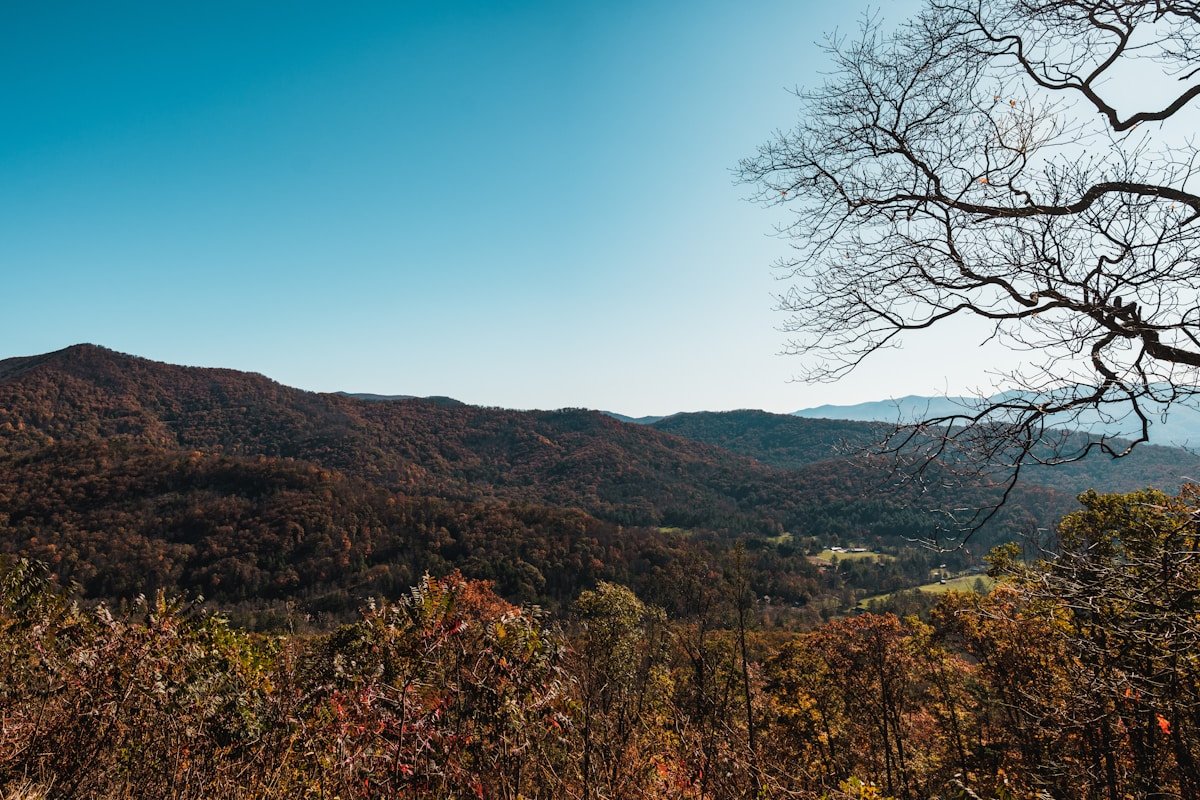
All that attention has reshaped the housing market. Median single-family prices run $420,000–$620,000 for the in-town addresses buyers want most, with West Asheville (long the affordable option, now gentrifying fast) at $380,000–$550,000 and the established North Asheville ridge, Kenilworth, and Kenilworth Lake Road area reaching $500,000–$800,000. Weaverville, Black Mountain, and Woodfin offer a way in at $280,000–$420,000 for buyers who want to be near the city without paying the in-town premium. Property taxes in Buncombe County run below national averages, which takes some of the sting out of the price jump.
2. Durham — The Bull City’s Renaissance
Durham has spent three decades reinventing itself, trading a fading tobacco industry for one of the liveliest mid-sized economies in the South. The American Tobacco Historic District — the old Bull Durham factory complex along West Main Street — now holds restaurants, offices, the Durham Bulls baseball stadium, and the performance venues that pulled the downtown back to life. A few blocks north, the Ninth Street district running up to Markham Street stays the city’s most foot-friendly stretch, lined with the kind of independent bookshops, coffee houses, and restaurants you expect next to a major university. Duke supplies the architecture: the Georgian Revival quad of East Campus, where first-years live, and the Gothic stone of West Campus, home to Duke Chapel and the Sarah P. Duke Gardens, both an easy walk from Ninth Street.
A handful of in-town neighborhoods set the tone. Trinity Park, beside Duke’s East Campus, keeps its early-1900s streets of bungalows and Craftsman homes from the tobacco-boom years; Watts-Hillandale, north of downtown, mixes Victorian and early-20th-century housing; and Old West Durham, along West Club Boulevard next to Ninth Street, is gentrifying quickly. Homes in this band run $350,000–$550,000. South and east Durham stay far cheaper at $200,000–$320,000, which is where buyers head when the marquee streets are out of reach.
_cropped.jpg?width=1200)
3. North Raleigh — The Family Suburb
If the Triangle has a default choice for families, it is the belt of suburbs north of I-540 in Wake County — North Raleigh proper, Wake Forest, Rolesville, and the northern edges of Cary and Apex. A few things line up here. Wake County’s public schools run well above state averages, and the district’s magnet program and specialized options give parents genuine choice. National builders keep the supply fresh, with Ryan, Pulte, and Toll Brothers all running active subdivisions along the corridor. Greenway trails, recreation centers, and shopping are close at hand, and so are Research Triangle Park and the major Raleigh job centers. Add it up and you get exactly the package parents of school-age kids tend to chase.
New single-family construction in communities with strong school assignments runs $350,000–$520,000. The older parts of North Raleigh proper — Brookhaven, Brentwood, and the Strickland Road area — sit at $380,000–$560,000, where the trade is a larger lot and mature trees for an older, sometimes smaller house. Just west of Raleigh, Cary delivers much the same at comparable prices, and it routinely lands on lists of the safest and most livable cities in the country, with an extensive greenway network and access to the American Tobacco Trail on top.
4. Chapel Hill — The University Enclave
Chapel Hill is the closest the Triangle comes to a classic college town. The University of North Carolina’s flagship campus sits at its center — a charter member of the ACC since 1953 — and the town wraps a walkable core, the East Franklin Street corridor and the Rosemary Street arts district, in mid-century neighborhoods full of faculty, physicians, and longtime professionals. These are people who would rather have the university’s cultural life and Franklin Street’s small shops at the doorstep than the wider streets of Cary or North Raleigh. The Ackland Art Museum, with a sizable permanent collection, anchors the cultural side along with the PlayMakers Repertory Company, Morehead Planetarium, and the North Carolina Botanical Garden.
For in-town living, Chapel Hill is the priciest address in the Triangle. Single-family homes in the walkable pockets near downtown — Gimghoul, Battle Park, Mason Farm Road — run $500,000–$800,000, and the sought-after historic properties top $1 million. Carrboro, right next door, comes in a notch lower at $380,000–$580,000. It is the scrappier, more independent of the two, with a busy live-music and gallery scene and a walkable downtown of its own that pulls plenty of the area’s artists and musicians away from Franklin Street.
5. Wilmington — The Coastal City
Wilmington is the state’s largest city on the coast, home to roughly 125,000 residents at the mouth of the Cape Fear River, and it offers the fullest version of coastal city life North Carolina has. The historic downtown gives you the Riverwalk along the Cape Fear, Chestnut Street’s antebellum storefronts, and the Battleship North Carolina moored across the water as a museum; the beaches sit a short drive out, with Wrightsville Beach about 9 miles east and Carolina Beach and Kure Beach 15 to 20 miles south. Film and television have a long history here, too: EUE/Screen Gems Studios, now run by Cinespace, has long billed itself as the largest full-service studio in the country east of California, and the University of North Carolina at Wilmington adds a campus to the mix. At $310,000–$460,000 for the in-town and near-beach neighborhoods buyers favor, Wilmington stays well below comparable coastal cities in South Carolina or Virginia while still delivering the port-town life.
Frequently Asked Questions
Why has Asheville become one of the most discussed small cities in America?
Few American towns its size draw as much press, and on the ground Asheville earns it. In the River Arts District, working artists fill converted factory buildings along the French Broad River, with self-guided studio tours that let you buy straight from the maker. The food and music hold up against far bigger cities: Cúrate for Spanish tapas, 12 Bones Smokehouse for ribs, and a year-round lineup that runs from the Orange Peel’s touring acts to the Grey Eagle’s Americana shows to the buskers on Lexington Avenue. In-town homes run $420,000–$620,000, a premium the city’s reputation has earned. Weaverville, Black Mountain, and Woodfin offer a cheaper way in at $280,000–$420,000 for buyers who want to be near Asheville without paying the in-town markup.
What makes Durham the Research Triangle’s most creatively charged city?
Durham has spent three decades trading a fading tobacco industry for one of the liveliest mid-sized economies in the South. The American Tobacco Historic District (the old Bull Durham factory complex along West Main Street) now holds restaurants, offices, the Durham Bulls baseball stadium, and the performance venues that revived the downtown. Duke supplies the architecture, from the Gothic West Campus — Duke Chapel, the Sarah P. Duke Gardens, and the Nasher Museum of Art — to the Georgian East Campus, both within reach of the Ninth Street corridor. The in-town neighborhoods that set the tone — Trinity Park (1920s bungalows and Craftsman homes beside Duke’s East Campus), Watts-Hillandale, and Old West Durham — run $350,000–$550,000, while south and east Durham stay accessible at $200,000–$320,000.
What makes North Raleigh the Research Triangle’s premier family suburb?
North Raleigh — the suburbs north of I-540 in Wake County, including Wake Forest, Rolesville, and northern Cary and Apex — is the Triangle’s default choice for families. Wake County’s magnet program and specialized school options push performance well above state averages. National builders (Ryan, Pulte, Toll Brothers) keep the supply fresh along the corridor. New construction runs $350,000–$520,000; older parts (Brookhaven, Brentwood, Strickland Road) sit at $380,000–$560,000 for larger, tree-lined lots. Just west of Raleigh, Cary delivers much the same and routinely ranks among the safest cities in the country, with an extensive greenway network and American Tobacco Trail access.
What makes Chapel Hill the Triangle’s most traditional university community?
Chapel Hill is the closest the Triangle comes to a classic college town, built around the University of North Carolina’s flagship campus. A walkable core — the East Franklin Street corridor and Rosemary Street arts district — sits inside mid-century neighborhoods full of faculty, physicians, and longtime professionals. The Ackland Art Museum, PlayMakers Repertory Company, Morehead Planetarium, and the North Carolina Botanical Garden round out the cultural side. Homes in the walkable pockets near downtown (Gimghoul, Battle Park, Mason Farm Road) run $500,000–$800,000, with the sought-after historic properties topping $1 million. Carrboro, right next door, comes in lower ($380,000–$580,000), the scrappier and more independent of the two, with a busy live-music and gallery scene and a walkable downtown that pulls many of the area’s artists away from Franklin Street.
What makes Wilmington North Carolina’s most complete coastal city?
Wilmington is the state’s largest city on the coast, home to roughly 125,000 residents at the mouth of the Cape Fear River, and it offers the fullest version of coastal city life North Carolina has. The historic downtown gives you the Cape Fear Riverwalk, Chestnut Street’s antebellum storefronts, and the Battleship North Carolina moored across the water as a museum, with the beaches a short drive out — Wrightsville Beach about 9 miles east, Carolina Beach and Kure Beach 15 to 20 miles south. EUE/Screen Gems Studios, now run by Cinespace, has long billed itself as the largest full-service studio in the country east of California, and the University of North Carolina at Wilmington adds a campus to the mix. At $310,000–$460,000, Wilmington stays well below comparable coastal cities in South Carolina or Virginia.