Best Places to Live in Ontario 2026: Toronto Neighbourhoods, Ottawa, and the Small Cities
Ontario’s residential landscape spans more extremes than any other Canadian province — from the dense urban neighbourhoods of central Toronto (where heritage Victorian houses on tree-lined streets sell for CAD $1.5M+ and the streetcar passes every 5 minutes) to the working-class communities of Northern Ontario’s resource towns (where a detached house on a lake costs CAD $250,000 and the nearest neighbour might be a moose). The defining residential choice in Ontario is not simply a price decision but a lifestyle statement: proximity to Toronto’s cultural and economic density versus the space, quiet, and outdoor access of the smaller cities and towns. The province’s GO Transit network has extended the practical commuter catchment area to a 100km radius of Toronto, making Hamilton, Kitchener-Waterloo, Barrie, and Oshawa realistic daily commute options — and entirely different residential environments — for workers tied to the GTA economy.
1. The Annex and Roncesvalles: Toronto Inner West
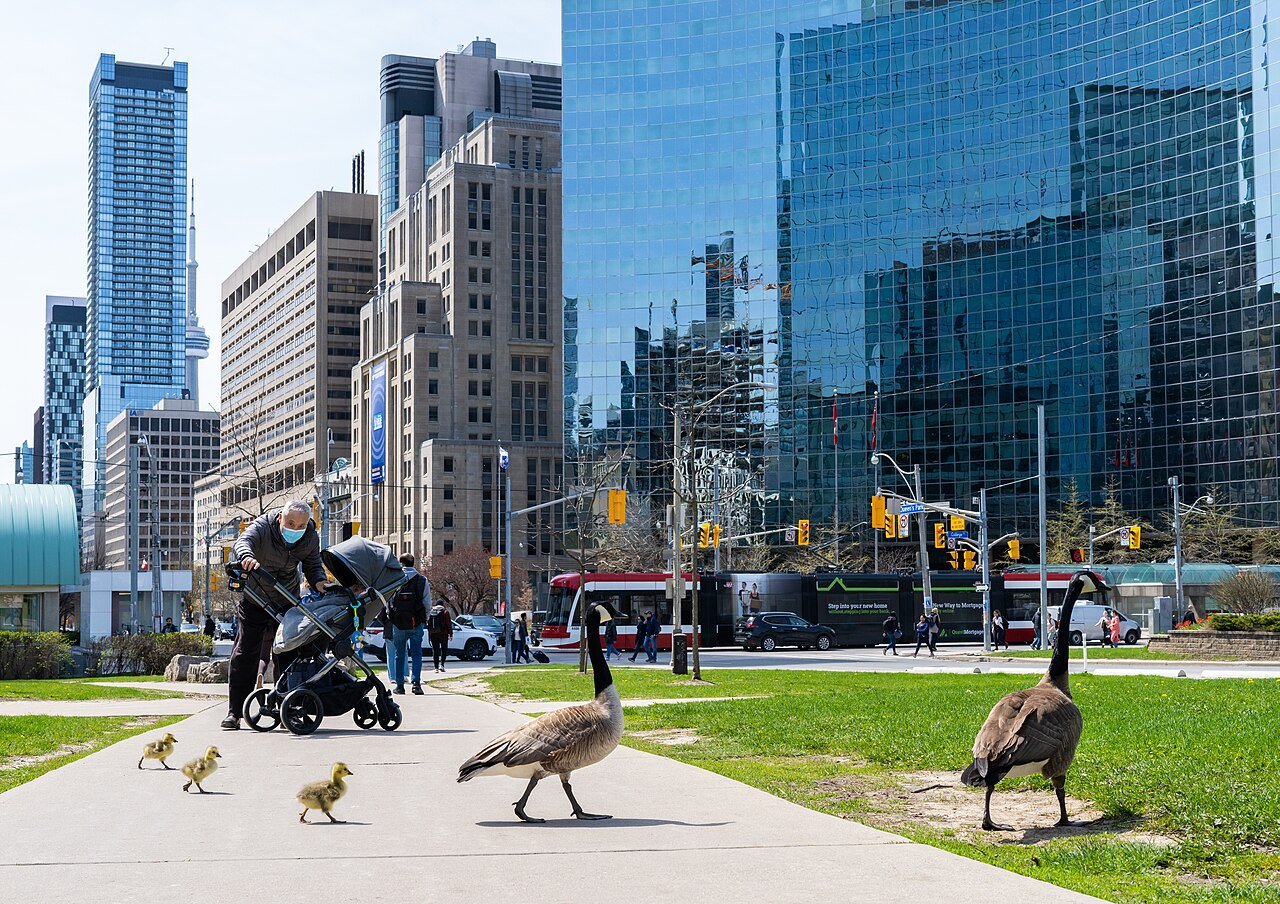
The Annex (the University of Toronto neighbourhood north of Bloor Street, home of the Victorian-era Bay and Gable houses, Honest Ed’s memory, and the Bloor Street bookshop row) and Roncesvalles (the Polish village turned family neighbourhood at the western edge of the central city, the LCBO Jazz on Roncesvalles street festival, the neighbourhood scale that still feels like a village) are Toronto’s most beloved residential neighbourhoods — places that have retained a human scale and community character that the city’s denser precincts have sacrificed to development. The Annex’s Bloor Street corridor (the Bloor Street West Annex strip, Kensington Market within walking distance, the ROM’s Crystal on the corner of Bloor and Avenue), and Roncesvalles’ Parkdale and Sunnyside Beach proximity make these among Toronto’s most coveted addresses. Median detached house price: CAD $1.5M–$2.2M.
2. Leslieville and Riverside: Toronto’s East End
Leslieville and Riverside, east of the Don River and south of Danforth Avenue, represent Toronto’s most successful neighbourhood transformation — formerly industrial and working-class areas that have been converted by the creative economy (film and television studios, design studios, independent restaurants and cafés) into one of Toronto’s most characterful residential precincts. The Queen Street East strip (Leslieville’s restaurant row), the Broadview Hotel’s terrace above the Don Valley, the Corktown Common park (a designed wetland and splash pad in the former Corktown industrial precinct), and the proximity to the Distillery District anchor a neighbourhood where the Victorian workers’ cottages on the side streets have been renovated with an architectural care that reflects genuine investment in the area’s character. Median detached house price: CAD $1.0M–$1.5M.
.jpg?width=1200)
3. The Glebe and Westboro: Ottawa’s Best Neighbourhoods
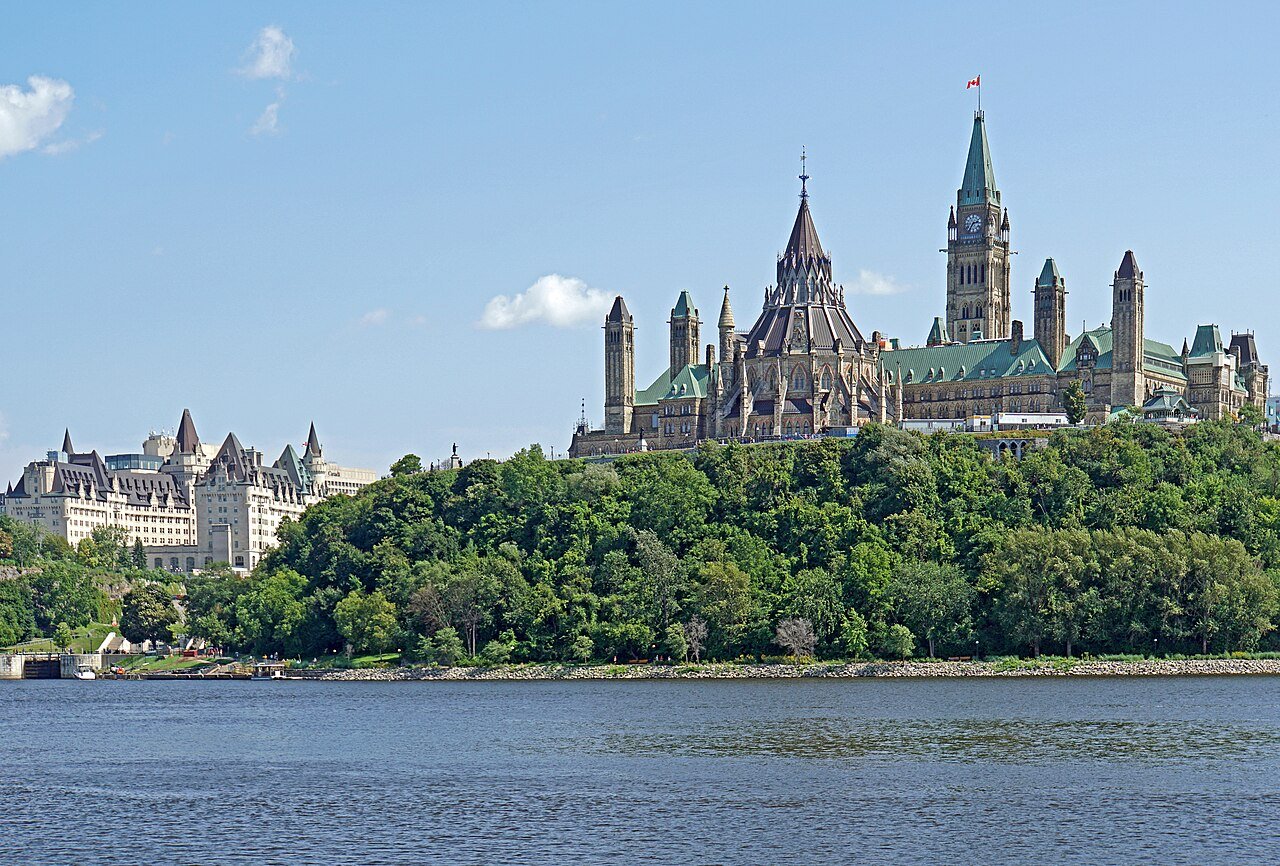
Ottawa’s residential character is built around the neighbourhood scale that Confederation funding of the federal capital has preserved — wide streets, Victorian and Edwardian housing stock in good condition, and neighbourhood commercial strips that serve communities rather than tourist flows. The Glebe (Bank Street’s café and retail strip, the Glebe Centre, the Lansdowne Park redevelopment with its Whole Foods and urban stadium, and the Rideau Canal’s eastern bank walking and cycling path) and Westboro (Richmond Road’s boutique retail strip, the Farm Boy market, the Ottawa River Pathway cycling connection to Gatineau Park) are Ottawa’s most desirable residential precincts. Both neighbourhoods combine walkability, community scale, and access to the capital’s institutional and outdoor amenity at prices that would be unimaginable for comparable quality in Toronto. Median house price: CAD $700,000–$1.0M in the best streets.
4. Dundas and Locke Street: Hamilton’s Character Corridors
Hamilton’s residential appeal for Toronto-escapees centres on three corridors: the James Street North arts district (galleries, the Art Crawl, independent restaurants in converted industrial buildings), the Locke Street boutique village (the city’s most complete neighbourhood commercial strip, farmers’ market, and Victorian housing on the streets behind), and the Dundas Valley communities at the foot of the Escarpment (Dundas, Ancaster, and the Waterdown communities with their conservation area walking access). The Hamilton GO Centre station provides the Toronto commute connection; the Lakeport neighbourhood’s waterfront redevelopment adds a Lake Ontario dimension. Median house price: CAD $650,000–$850,000 in the premium neighbourhoods.
5. Prince Edward County: Wine Country Living
Prince Edward County (the County) — the limestone peninsula between Lake Ontario and the Bay of Quinte, 200km east of Toronto — has become Ontario’s most fashionable lifestyle relocation destination for Toronto households seeking wine country living, creative community, and access to Lake Ontario beaches (Sandbanks Provincial Park, with the world’s largest freshwater sand dunes, is the County’s outdoor anchor). The Picton main street, the Wellington village’s café and restaurant strip, and the wine estates (Norman Hardie, Closson Chase, Huff Estates) define the visitor economy; the artist studios, cheesemakers, and market gardeners define the community’s creative core. Median house price: CAD $600,000–$900,000; lakefront properties CAD $1.0M–$2.0M+.
6. Sudbury: The Northern Gateway
Greater Sudbury (160,000 residents) in Northern Ontario is the region’s largest city — a mining and university city (Laurentian University) on the Precambrian Shield where the lakes and forests begin immediately at the city’s edge. The Science North museum (a national science centre in a distinctive snowflake-shaped building on Ramsey Lake) and the expanding Arts District are upgrading Sudbury’s cultural infrastructure; the Ramsey Lake waterfront, the Rainbow Routes trail network, and the immediate access to Lake Huron’s North Channel for sailing and kayaking provide outdoor recreation that Toronto residents would need to drive 4 hours to access. Housing costs: CAD $280,000–$380,000 — extraordinary value relative to anything in the southern Ontario cities.
Making Your Decision
Choosing where to live in Ontario comes down to honestly matching your priorities with what each city and community genuinely delivers. Budget, career opportunities, access to outdoor recreation, climate preferences, and community character all weigh differently depending on your life stage and values — and no ranking can substitute for that personal assessment. The cities and towns profiled in this guide represent the strongest overall options, but Ontario has smaller communities that offer compelling alternatives for those willing to trade urban convenience for affordability, quieter living, or closer access to natural landscapes. If possible, spend at least a long weekend in your shortlisted communities before committing — the practical factors matter enormously, but so does the less quantifiable sense of whether a place simply feels right for where you are in life.