Best Places to Live in Newfoundland and Labrador 2026: St. John’s, Corner Brook, and the Outports
Newfoundland and Labrador’s residential geography is defined by a fundamental geographical division: the island of Newfoundland and the vast territory of Labrador, connected by ferry, plane, and — in the south — the Trans-Labrador Highway. On the island, the choice is primarily between St. John’s and the Avalon Peninsula’s urban concentration (75% of the provincial population) and the smaller regional cities of Corner Brook, Gander, and Grand Falls-Windsor, which serve the island’s interior and west coast. In Labrador, the iron ore mining communities of Labrador City and Wabush provide a resource economy residential environment with wages that justify the isolation cost. The province’s most distinctive residential feature — found nowhere else in Canada — is the outport tradition: the hundreds of small coastal communities, some accessible only by sea, where Newfoundland’s fishing heritage is preserved in communities of 50–500 people living in coves carved from the North Atlantic rock. For remote workers and those seeking a genuinely distinctive way of life, the outport communities offer a residential experience with no Canadian equivalent.
1. Downtown St. John’s and Georgestown
Downtown St. John’s — the heritage commercial and residential district surrounding Water Street, Duckworth Street, and the Jellybean Row terraces of Gower Street and Prescott Street — is Canada’s most characterful small-city downtown: the Signal Hill backdrop, the harbour view from the Narrows, the George Street entertainment district, and the restaurant scene centred on Duckworth Street (Terre, Chinched, Raymonds — the latter rated among Canada’s finest restaurants) create an urban residential environment of extraordinary distinctiveness. The Victorian row houses of Georgestown provide the most sought-after residential addresses in the province — period character homes at CAD $380,000–$550,000 for renovated properties in the city’s most walkable neighbourhood. The proximity to the Quidi Vidi Lake trails, the Signal Hill hiking, and the Battery fishing village provides immediate outdoor recreation access.
2. Quidi Vidi and the East End
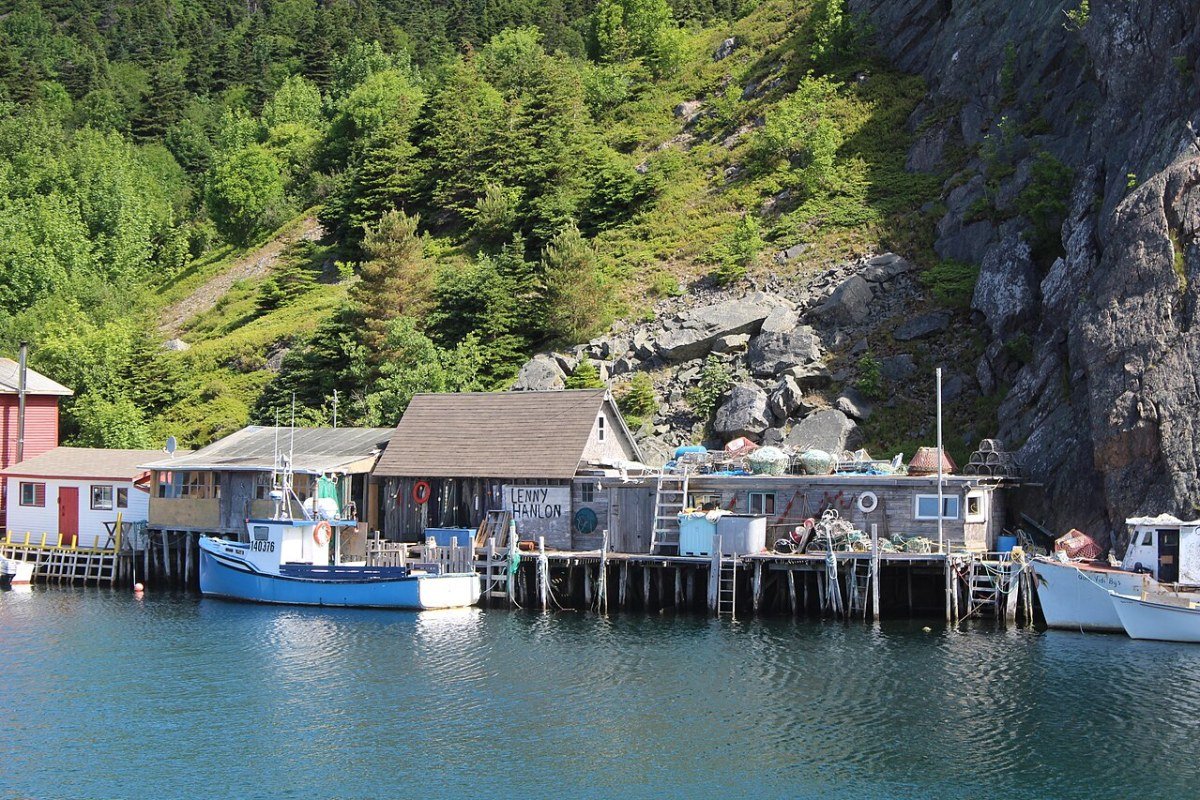
Quidi Vidi — the fishing village within the city boundaries, a 10-minute walk from the downtown core — is St. John’s most photographed neighbourhood: the coloured fishing stages reflected in Quidi Vidi Lake, the Quidi Vidi Brewery’s microbrewery and taproom in a restored fishing premises, and the annual Royal St. John’s Regatta (the oldest sporting event in North America, first Monday in August) create a neighbourhood of extraordinary heritage character. The east end residential streets surrounding the lake and the Quidi Vidi gut (the tidal inlet between the lake and the sea) provide established family housing at CAD $330,000–$470,000 with immediate access to the lake trails and the brewery’s community gathering space.

3. Mount Pearl: The Affordable Metro Option
Mount Pearl (24,000), immediately west of St. John’s and effectively part of the metropolitan area, is Newfoundland’s second-largest city and the province’s most family-oriented suburban community — a planned residential city with its own commercial infrastructure, recreational facilities (the Mount Pearl Glacier arena complex, the Glacier Bowl), and a housing market that offers detached family housing at CAD $280,000–$390,000 with full access to St. John’s employment and services. Mount Pearl’s planned street grid, its distance from the downtown’s noise and tourist traffic, and its proximity to the airport and highway infrastructure make it the pragmatic choice for families prioritizing school access, new construction, and lower housing costs over the character of the downtown heritage neighbourhoods.
4. Corner Brook: The West Coast City
Corner Brook (20,000) on the west coast of Newfoundland — the island’s second-largest city, on the shores of the Bay of Islands — provides a complete small-city lifestyle in Newfoundland’s most scenically dramatic urban setting: the city’s amphitheatre-like setting on the Humber River valley, surrounded by the Long Range Mountains, with Marble Mountain ski resort (Newfoundland’s largest alpine ski area, 1,800m of vertical terrain on the Humber Valley plateau) 16km east of the city. Grenfell Campus (Memorial University’s western campus) anchors Corner Brook’s educational and creative community; the city’s pulp and paper heritage (the Kruger newsprint mill, one of the last operating newsprint mills in Atlantic Canada) provides industrial employment; and the housing market at CAD $200,000–$310,000 makes Corner Brook the most affordable small city on Newfoundland’s island with genuine urban services.
5. Labrador City: The Iron Ore Frontier
Labrador City (8,000) — the iron ore mining city on the Quebec-Labrador border, one of the most isolated resource communities in eastern Canada — provides a residential experience shaped entirely by the economics and logistics of the Iron Ore Company of Canada’s (IOC) massive open-pit mine. The combination of fly-in/fly-out workforce and permanent resident community creates a bifurcated social structure; permanent residents benefit from the resource economy’s high wages (CAD $90,000–$140,000+ for mine operations roles) against the costs of remoteness and a climate that is far more severe than the island (temperatures of -30°C to -40°C are routine in winter). Housing at CAD $200,000–$320,000 is reasonable relative to the resource wages; the community’s recreational facilities (the Carol Lake arena, the cross-country ski trail network in the Menihek Highlands) reflect the investment a resource company makes in retaining workforce in an isolated setting.
6. Twillingate: The Outport Experience
Twillingate (2,500) on Notre Dame Bay in north-central Newfoundland is the most visitor-accessible of Newfoundland’s outport communities — the “Iceberg Capital of the World” for spring iceberg season, the Long Point Lighthouse perched on the headland above the Atlantic, and the prime whalewatching (humpback, minke, and fin whales from June–September) make Twillingate a tourist destination that also functions as a year-round residential community for those seeking the genuine outport experience. Heritage homes from CAD $100,000–$200,000; the community’s summer festival (Fish, Fun & Folk Festival, August) and its position as the service centre for Notre Dame Bay’s island communities provide the social infrastructure for a residential choice that few Canadians make but many find transformative.
Making Your Decision
Choosing where to live in Newfoundland and Labrador comes down to honestly matching your priorities with what each city and community genuinely delivers. Budget, career opportunities, access to outdoor recreation, climate preferences, and community character all weigh differently depending on your life stage and values — and no ranking can substitute for that personal assessment. The cities and towns profiled in this guide represent the strongest overall options, but Newfoundland and Labrador has smaller communities that offer compelling alternatives for those willing to trade urban convenience for affordability, quieter living, or closer access to natural landscapes. If possible, spend at least a long weekend in your shortlisted communities before committing — the practical factors matter enormously, but so does the less quantifiable sense of whether a place simply feels right for where you are in life.