Where you choose to live in Hawaiʻi is really a choice between islands as much as between towns. Each major island runs on its own economy, its own climate, and its own kind of community, so the “best place to live” depends almost entirely on where your income comes from, how much cost you can absorb, and what you actually want from daily life here. This guide walks through the most realistic options for anyone treating Hawaiʻi as a long-term home rather than a two-week vacation.

1. Honolulu (Oʻahu) — The Practical Choice for Career-Driven Residents
For most people who need Hawaiʻi’s job market and don’t carry a remote income, Honolulu is the only real option. A city of roughly 350,000 inside a metro of about a million, it holds the bulk of the state’s private-sector jobs, every major hospital system, the University of Hawaiʻi flagship campus, state government, and the federal presence. Put simply: this is where the conventional employers are.
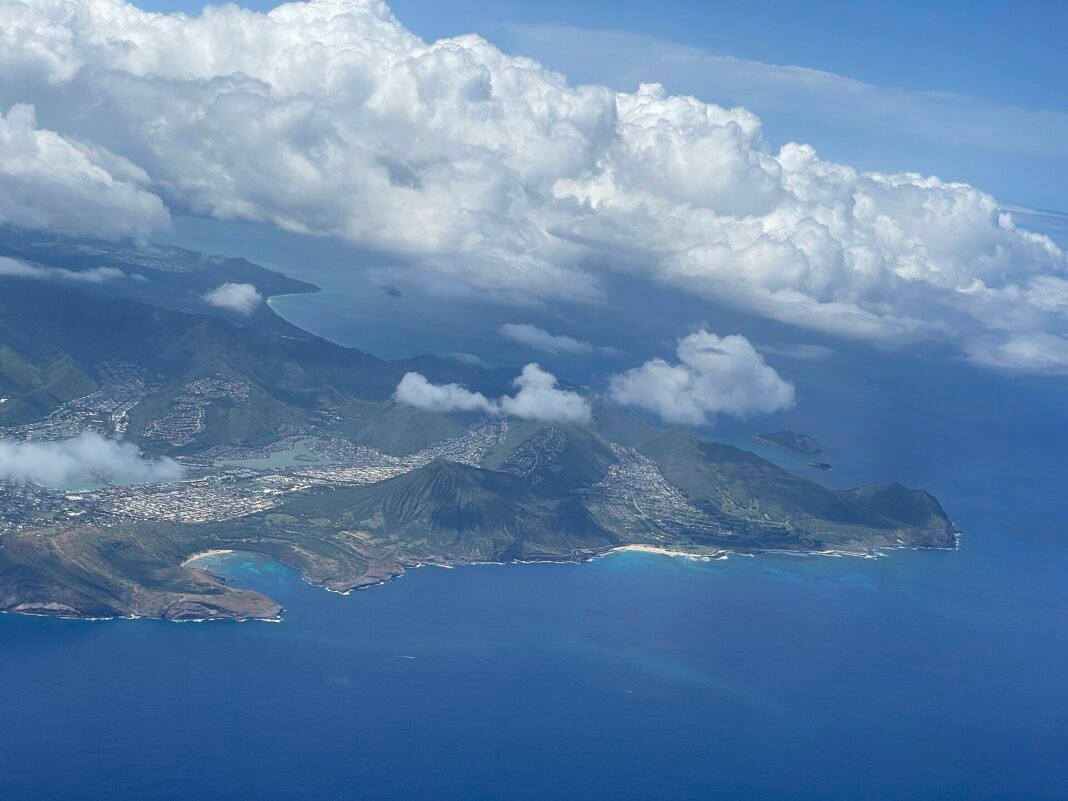
Neighborhoods vary widely in both character and price. Mānoa Valley, climbing into the Koʻolau Range above the university, is green, noticeably cooler than the coast, and family-oriented, with single-family homes generally running $1.3–1.6 million. Kaimukī, on the slopes above Diamond Head, has Honolulu’s liveliest independent restaurant and coffee scene and prices a step below Mānoa. Further east, ʻĀina Haina and Hawaiʻi Kai are suburban districts with newer housing stock and quick access to beach parks.

Military communities make up a sizeable share of Oʻahu’s residential map. Joint Base Pearl Harbor-Hickam, Kāneʻohe Marine Corps Base, Schofield Barracks, and other installations house tens of thousands of military families whose housing allowances and on-base amenities — commissary, exchange, healthcare — add up to a very different cost structure than civilians face.
2. Kailua (Oʻahu) — Windward-Side Paradise
Over on Oʻahu’s windward (east) coast, Kailua is the community residents most often name as the island’s most livable. The pieces fit together: Kailua Beach, regularly ranked among the best in the country for its wide white sand, reef-calmed water, and morning views of the Koʻolau Range; a walkable small-town center full of independent restaurants and shops; and a quieter, less tourist-driven feel than Honolulu. Professionals who don’t mind the 30-minute Pali Highway commute to town jobs trade that drive for all of it.
Housing here runs premium even by Hawaiʻi standards — the median single-family home now sits near $1.5 million — yet Kailua stays the most coveted address on the island outside the gated resort enclaves.
3. Hilo (Big Island) — Hawaiʻi’s Affordable City
Hilo is the Big Island’s county seat and its only city of real size: about 44,000 people on the rainy eastern coast, where roughly 130 inches of rain a year near the shore make it one of the wettest cities in the United States. The character is more local than touristic, and housing is far more attainable than anywhere on Oʻahu, Maui, or Kauaʻi — median home prices around $520,000–$560,000 are modest by Hawaiʻi math. A bohemian, agricultural, university-town feel (the University of Hawaiʻi at Hilo is a four-year research campus) gives the place an atmosphere you won’t find in resort Hawaiʻi.

The trade-off is jobs. Hilo’s employment base is thin — government, healthcare, retail, and the university supply most of the work, and private professional roles are scarcer than on Oʻahu. The people who make it pencil out are usually remote workers holding mainland income while paying Hilo prices: continental paycheck, island life, affordable housing, and a real place in the community rather than the cocoon of a resort town.
4. Kailua-Kona (Big Island) — The Sunny Western Alternative
On the Big Island’s dry, sunny west coast, Kailua-Kona is Hilo’s mirror image: 300-plus days of sun, steady trade winds, and some of the state’s best snorkeling and diving — the Kona manta ray night dive ranks among the finest night dives anywhere. The town serves both the tourism economy and the island’s farms, coffee chief among them.
%20(23899427215).jpg?width=1200)
Kona coffee, grown in the volcanic soil on the slopes above the coast, is among the most prized and expensive in the world, and the farm-to-cup culture of the coffee belt gives the area a clear identity. The IRONMAN World Championship, raced in Kona every October, draws athletes from around the globe and keeps a year-round fitness streak running through the community.
5. Maui: Pāʻia and Kula — Community Over Resort
Maui’s most rewarding places to actually live aren’t the resort strips of Wailea and Kāʻanapali but two upcountry and north-shore towns. Pāʻia, a former sugar-plantation settlement, reinvented itself as a windsurfing and kitesurfing hub with a scatter of health-food stores, galleries, and yoga studios. Kula, set at 3,000 feet on the slopes of Haleakalā, is farm-and-ranch country with cool temperate weather and views that reach across to the neighboring islands on clear days.
The harder reality is housing. Since the 2023 Lahaina fire destroyed more than 2,200 structures — many of them homes rented long-term at affordable rates — Maui’s market has stayed tight and costly. That loss is reshaping who can afford to stay, and it’s pushed residency out of reach for a growing share of working- and middle-class families. Anyone eyeing Maui should research current availability hard before committing.
Making Your Decision
Choosing where to live in Hawaiʻi comes down to matching your priorities honestly against what each place actually delivers. Budget, career options, access to outdoor recreation, climate, and community all carry different weight depending on your life stage and what you value — and no ranking can do that math for you. The towns profiled here are the strongest all-around options, but Hawaiʻi holds smaller communities worth a look for anyone willing to trade urban convenience for lower cost, quieter days, or closer reach to wild landscapes. If you can, spend at least a long weekend in your shortlisted spots before you commit. The practical factors matter enormously, but so does the harder-to-measure question of whether a place simply feels right for where you are in life.
Frequently Asked Questions
Which Hawaiian island and city are best for career-driven residents?
Honolulu on Oʻahu is the only realistic choice for most people who need Hawaiʻi’s job market without a remote income source. A city of about 350,000 inside a metro of roughly a million, it holds the vast majority of the state’s private-sector employment, every major hospital system, the University of Hawaiʻi flagship campus, state government, and the federal presence. Desirable neighborhoods vary by lifestyle: Mānoa Valley (green, cool, family-oriented, single-family homes generally $1.3–1.6 million), Kaimukī (the liveliest independent restaurant and coffee scene, a step below Mānoa in price), and ʻĀina Haina and Hawaiʻi Kai (suburban, newer housing, good beach-park access). Military communities — Joint Base Pearl Harbor-Hickam, Kāneʻohe Marine Corps Base, Schofield Barracks — house tens of thousands of families whose housing allowances and on-base amenities create a very different cost structure than civilians face.
Why is Kailua considered Hawaiʻi’s most livable community?
Kailua, on Oʻahu’s windward (east) coast, is the community residents most often name as Hawaiʻi’s most livable. Kailua Beach ranks among the best in the country — wide white sand, reef-calmed water, and morning views of the Koʻolau Range. The small-town center is full of independent restaurants and shops, and the feel is quieter and less tourist-driven than Honolulu. Professionals who don’t mind the 30-minute Pali Highway commute to town jobs consistently choose Kailua for the beach access and lifestyle. Housing runs premium even by Hawaiʻi standards — the median single-family home now sits near $1.5 million — but it stays the island’s most coveted address outside the gated resort enclaves.
Why is Hilo considered Hawaiʻi’s most affordable city?
Hilo is the Big Island’s only city of real size and the most affordable place in Hawaiʻi for residents who want genuine local character over a tourist bubble. Median home prices around $520,000–$560,000 are modest by Hawaiʻi standards, and a bohemian, agricultural, university-town atmosphere (the University of Hawaiʻi at Hilo) sets it apart from resort Hawaiʻi. The trade-off is rain: at roughly 130 inches a year near the coast, Hilo is one of the wettest cities in the United States. The people for whom it works best are remote workers holding mainland income while paying Hilo prices — continental paycheck, island life, affordable housing, and a real place in the community rather than resort isolation.
What does Kailua-Kona on the Big Island offer?
Kailua-Kona, on the Big Island’s dry, sunny west coast, is the opposite of rainy Hilo: 300-plus sunny days, steady trade winds, and excellent snorkeling and diving, including the Kona manta ray night dive, among the best night dives anywhere. The town serves both tourism and agriculture. Kona coffee, grown in volcanic soil on the slopes above the coast, is among the most prized and expensive in the world, and the farm-to-cup culture of the coffee belt gives the area a clear identity. The IRONMAN World Championship, raced in Kona every October, keeps a year-round fitness streak running through the community.
How has the Maui housing crisis affected long-term residents?
Maui’s best places to actually live aren’t the resort zones but the north-shore town of Pāʻia (a former sugar-plantation settlement turned windsurfing and kitesurfing hub) and Kula, set at 3,000 feet on the slopes of Haleakalā (farm-and-ranch country with cool weather and island views). The complication is housing: since the 2023 Lahaina fire destroyed more than 2,200 structures — many of them homes rented long-term at affordable rates — Maui’s market has stayed tight and costly. The loss is reshaping who can afford to stay and has pushed residency out of reach for many working- and middle-class families. Research current availability carefully before committing to the island.